A standard is a song people can meet in
A blues standard is a song that musicians and listeners encounter across multiple performances. One singer may bring it to a small stage with a guitar; another band may give it a fuller arrangement. People recognize enough of the song to follow along, yet no single performance settles how it must sound. That combination of familiarity and flexibility makes a standard useful to performers and rewarding to revisit.
There is no official test that turns a blues song into a standard. Frequent performance helps, but so does a song’s ability to travel between singers, instruments and settings. Musicians may learn it from recordings, from other players or by hearing it performed live. As they pass it along, they may keep a distinctive line or melody while changing the tempo, key or feel. A song becomes shared repertoire through that repeated practice, not through a label attached to it.
What stays when a version changes?
The twelve-bar blues is a familiar structure, but a standard is not defined by that pattern alone. Many songs can use similar chords without being the same song. Listeners may identify a particular piece through its lyric, melody, rhythmic phrase or the way those elements work together. Some blues songs also have verses that performers select or rearrange, so two versions need not contain every line in common.
To hear what carries across versions, listen first for the song’s most recognizable idea. It might be an opening vocal phrase, a repeated response from an instrument or a refrain that anchors the performance. Then notice what each musician does around it. A slower pace can give a lyric more space; a sharper rhythmic attack can make the same words feel defiant. A soloist may echo the singer rather than compete with them. Reinvention is often less about replacing the song than about changing where its weight falls.
Shared repertoire makes room for conversation
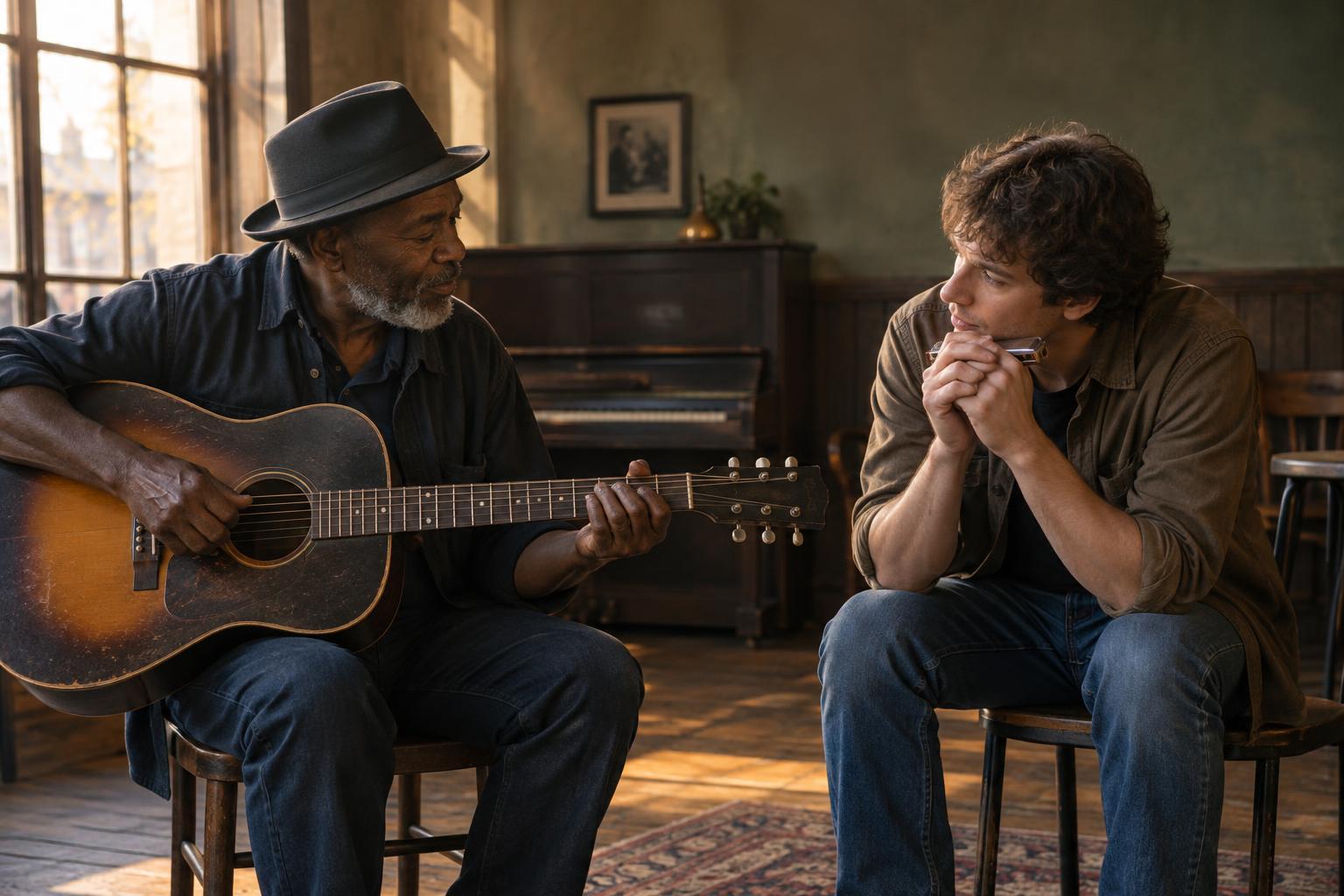
Familiar songs offer musicians a common starting point. In an informal performance, knowing the basic shape can help players find their way together without a detailed arrangement. They still need to listen closely: one singer may hold a phrase longer, while a drummer or guitarist may suggest a different groove. The song provides a framework, and the performance takes shape through choices made within it.
That framework also gives audiences a way to hear an artist’s character. If you know one version, another can reveal details you might otherwise miss: a pause before a line, a restrained solo, a chorus sung with humor instead of sorrow. Difference is not automatically improvement, and familiarity is not a flaw. A direct reading can serve a song well; so can a surprising arrangement that remains attentive to its central idea.
Remember the people behind the song
Calling a piece a standard can make it sound as though it belongs to no one in particular. In practice, songs have writing, recording and performance histories that deserve attention. Some blues material draws on widely used phrases or musical patterns, and accounts of a song’s origins may not always be straightforward. That uncertainty is a reason to be careful with credit, not to treat every familiar song as anonymous or free to use without consideration.
When exploring a standard, compare recordings and look at the credits available with each one. Note who is identified as a writer and who shaped the version you are hearing. A memorable arrangement, vocal delivery or instrumental part may influence later performers even when it is not part of the original composition. Keeping those contributions distinct makes listening richer: you can appreciate a song’s capacity for change while recognizing the artists whose work helped it travel.
The next time a blues song sounds familiar, try asking two questions: What lets me recognize it, and what makes this performance its own? Standards endure because both questions keep yielding answers. They connect musicians through a shared repertoire while leaving space for an individual voice.