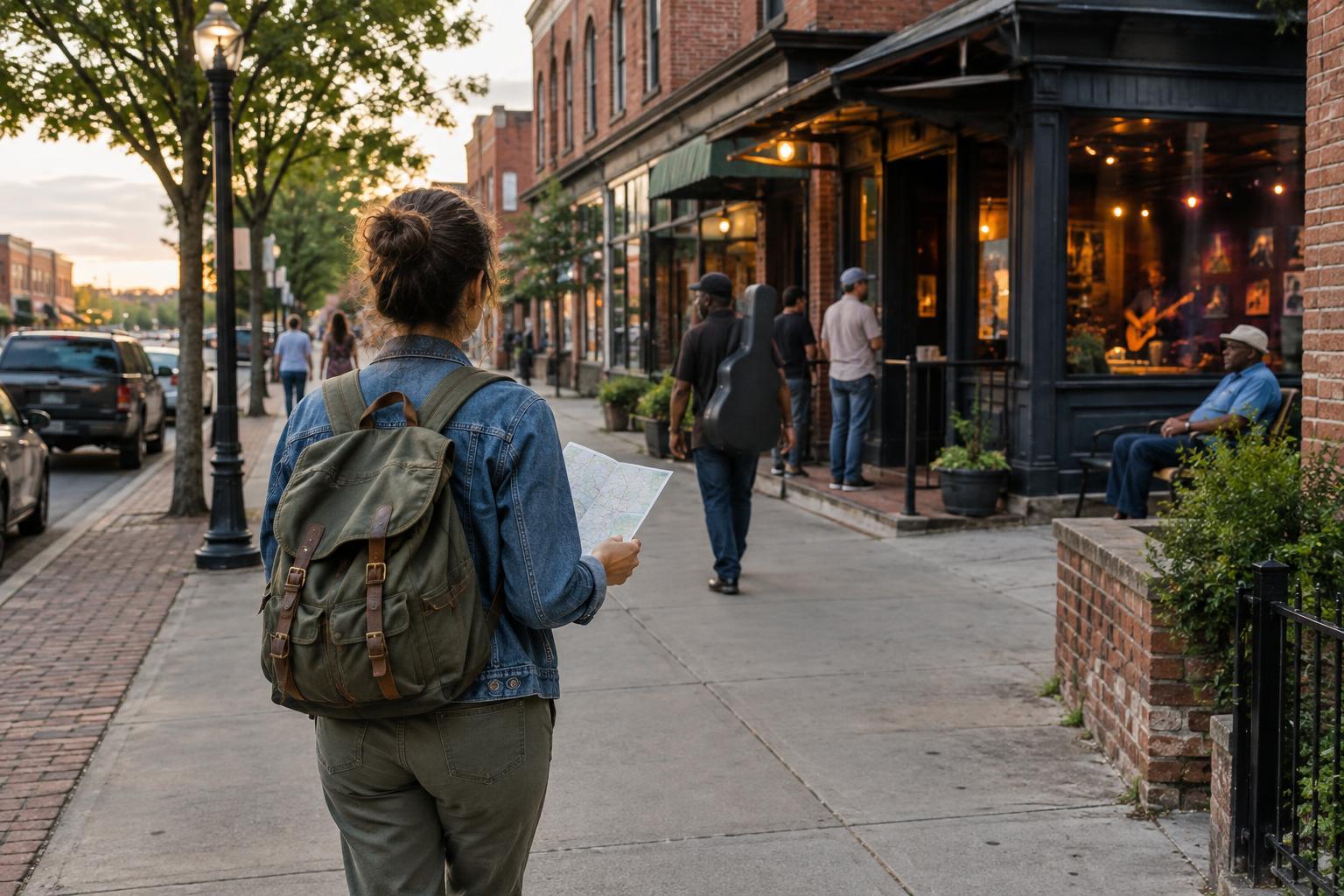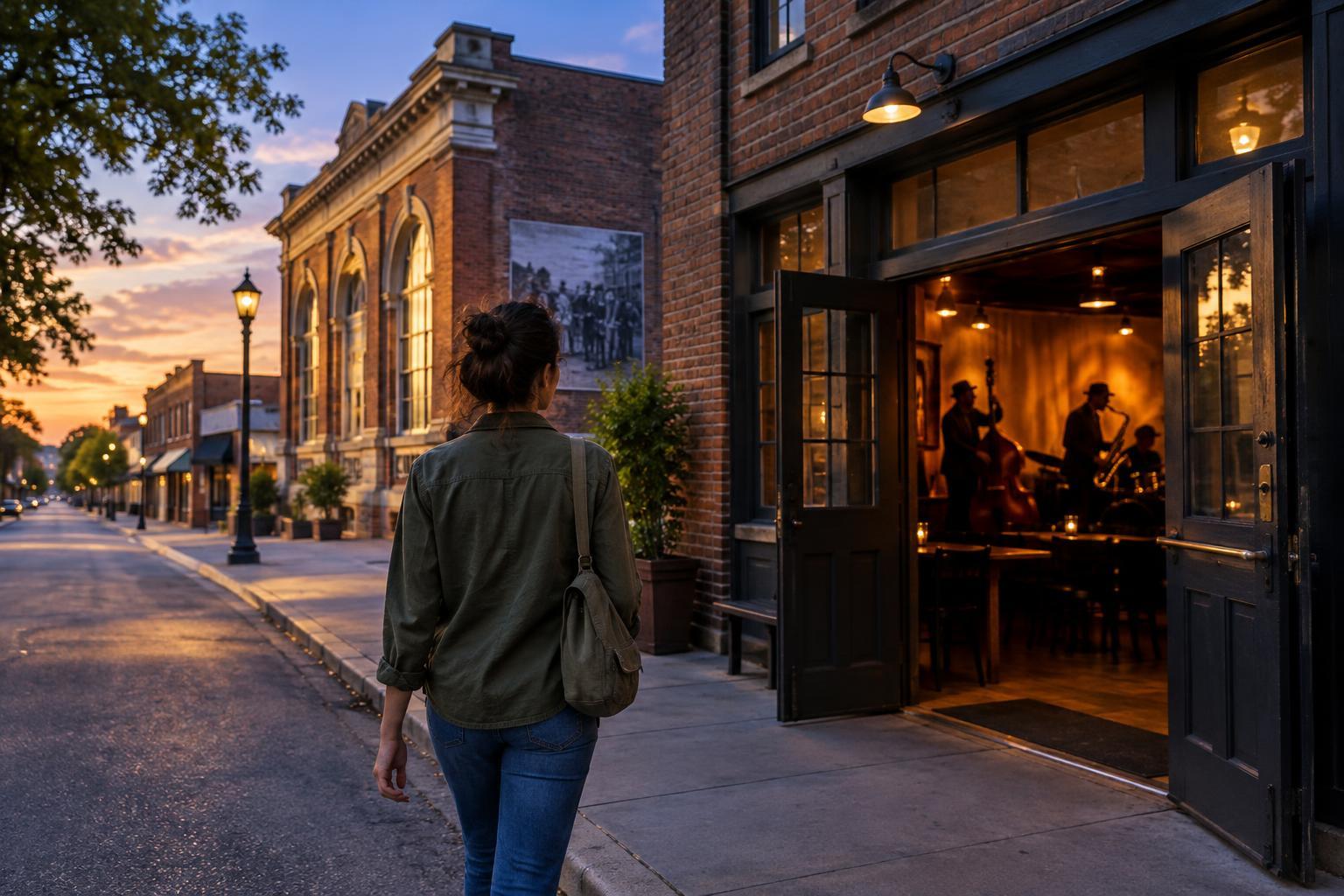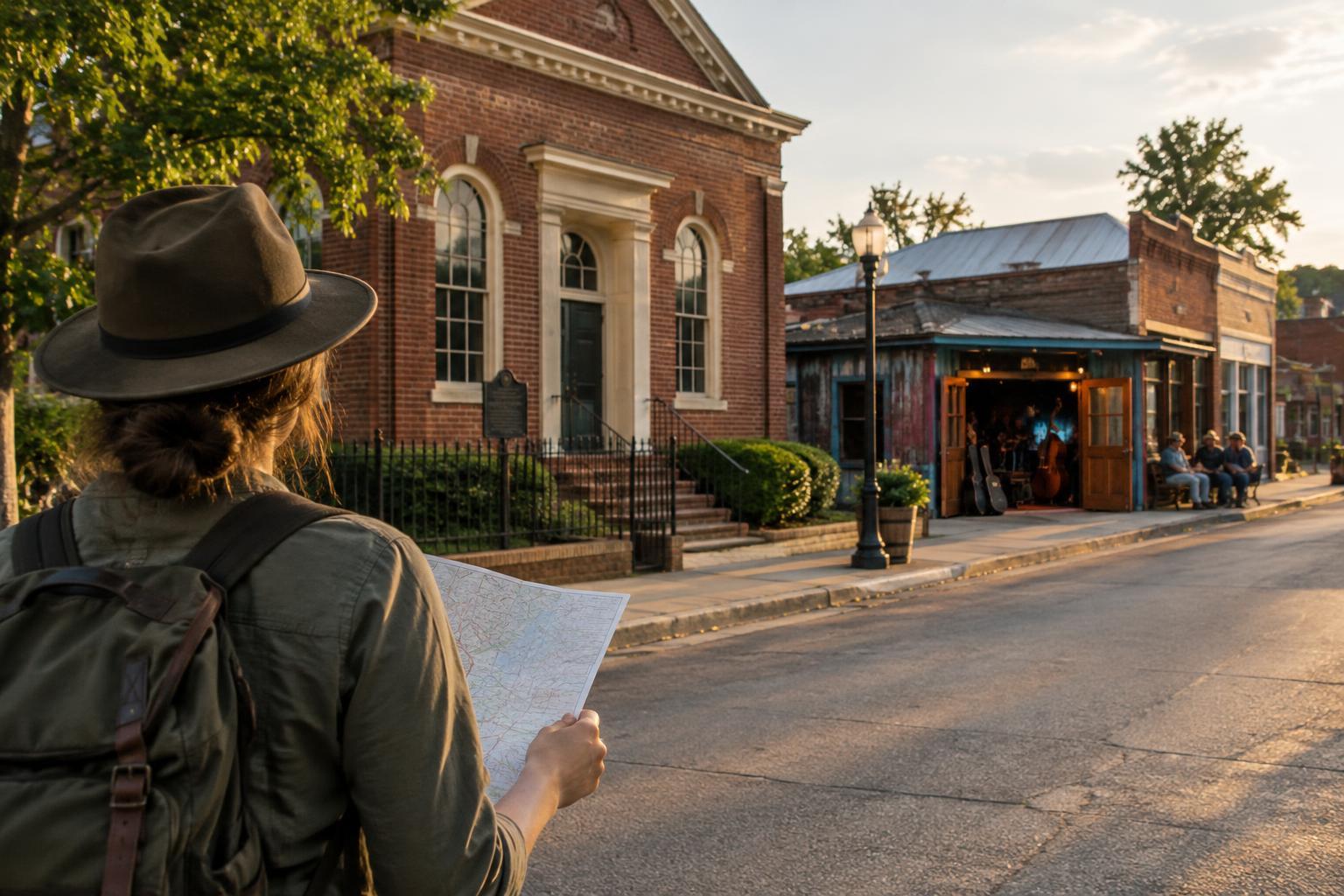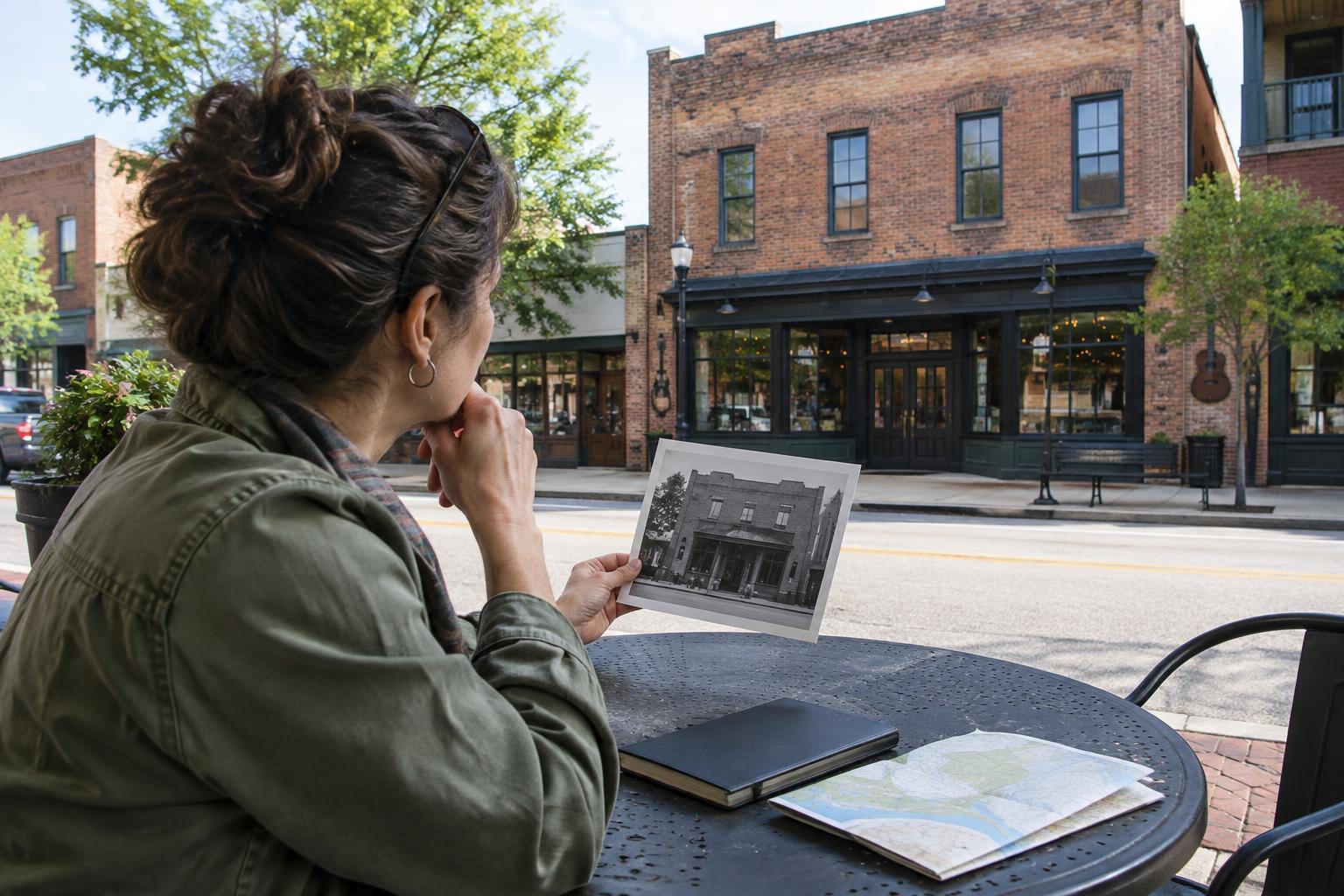
Start with a precise claim
Music landmarks often carry several stories at once. A building may have hosted performances, housed musicians or stood near a venue that has since disappeared. Before you travel, write down the particular claim you want to check: who played there, what happened, whether it happened at that address and what physical site survives. “A musician performed here” requires different evidence from “this was the birthplace of a style.”
Pay attention to the wording used in guidebooks, plaques and travel descriptions. Phrases such as “associated with,” “believed to be” and “on the former site of” signal different levels of certainty. An address can also change meaning when a venue moves, a building is replaced or a neighborhood is renamed. A useful first question is not simply whether the story is true, but which part of it can be tied to the place you can visit today.
Compare different kinds of evidence
Begin with materials that can anchor a claim to a place and a period. Depending on what survives, these might include event advertisements, performance programs, photographs, maps, directories, recordings with reliable documentation or local archives. A contemporary listing may help establish that a show was advertised; it does not, by itself, prove that the show took place exactly as planned. A photograph may show a performer inside a room but leave its location unclear. Ask what each item demonstrates, and what it does not.
Then read accounts written later, such as histories, museum text and interviews. These can supply context and preserve memories unavailable in paperwork, but they may repeat an earlier mistake. Look for accounts that explain where their information came from, rather than counting repeated versions of the same story as independent confirmation. Oral histories deserve careful attention: a participant’s recollection can reveal how a place felt and functioned, even when a date or address remains uncertain.
Follow the place through change
A music scene rarely stays inside one unchanged building. Clubs close, stages move, streets are rebuilt and former gathering places take on new uses. Compare historic maps or photographs with a present-day map, and check whether sources refer to the original building, its approximate location or a successor venue using the same name. If you cannot establish which is which, keep that uncertainty in your notes instead of smoothing it away.
Broaden the question beyond a single famous performer. A landmark’s importance may also lie in the work of house bands, venue staff, local audiences, instrument makers and neighboring businesses. For blues and jazz travel in particular, a celebrated stop may be only one part of a wider network of rehearsal rooms, clubs and community spaces. Understanding that network can make a visit more meaningful without claiming that one doorway represents an entire tradition.
Check what a visitor can actually see
Historical significance and visitor access are separate questions. A well-documented site may be a private home, an operating business or an empty lot. Before setting out, check an official visitor page or contact the relevant venue or organization for current access details, hours, photography rules and any need to book. If information is unclear, plan to view the exterior from public space rather than assuming you can enter.
Give the same care to the surrounding community. Avoid blocking entrances or treating a residential block as a backdrop. If you attend a performance nearby, follow the venue’s guidance about recording and conversation, and make room for the music happening now. A trip focused only on what happened decades ago can miss the people sustaining the area’s musical life today.
Travel with an honest version of the story
Before your visit, make a short note separating what is documented, what is plausible and what remains disputed. You might be confident that a venue operated on a particular street while unsure whether a specific performance occurred there. That is still a worthwhile destination. Clear limits often make a story more interesting: they show how music history is assembled from traces rather than handed down as a perfect itinerary.
Bring that curiosity to the site. Read the plaque if there is one, but notice how its wording compares with the evidence you found. Look for the relationship between the landmark and its streets, transit routes and nearby spaces. When you share the visit with others, describe the connection as carefully as you verified it. You will leave with more than a photograph: you will have a better sense of what the place can tell you, and what questions remain open.