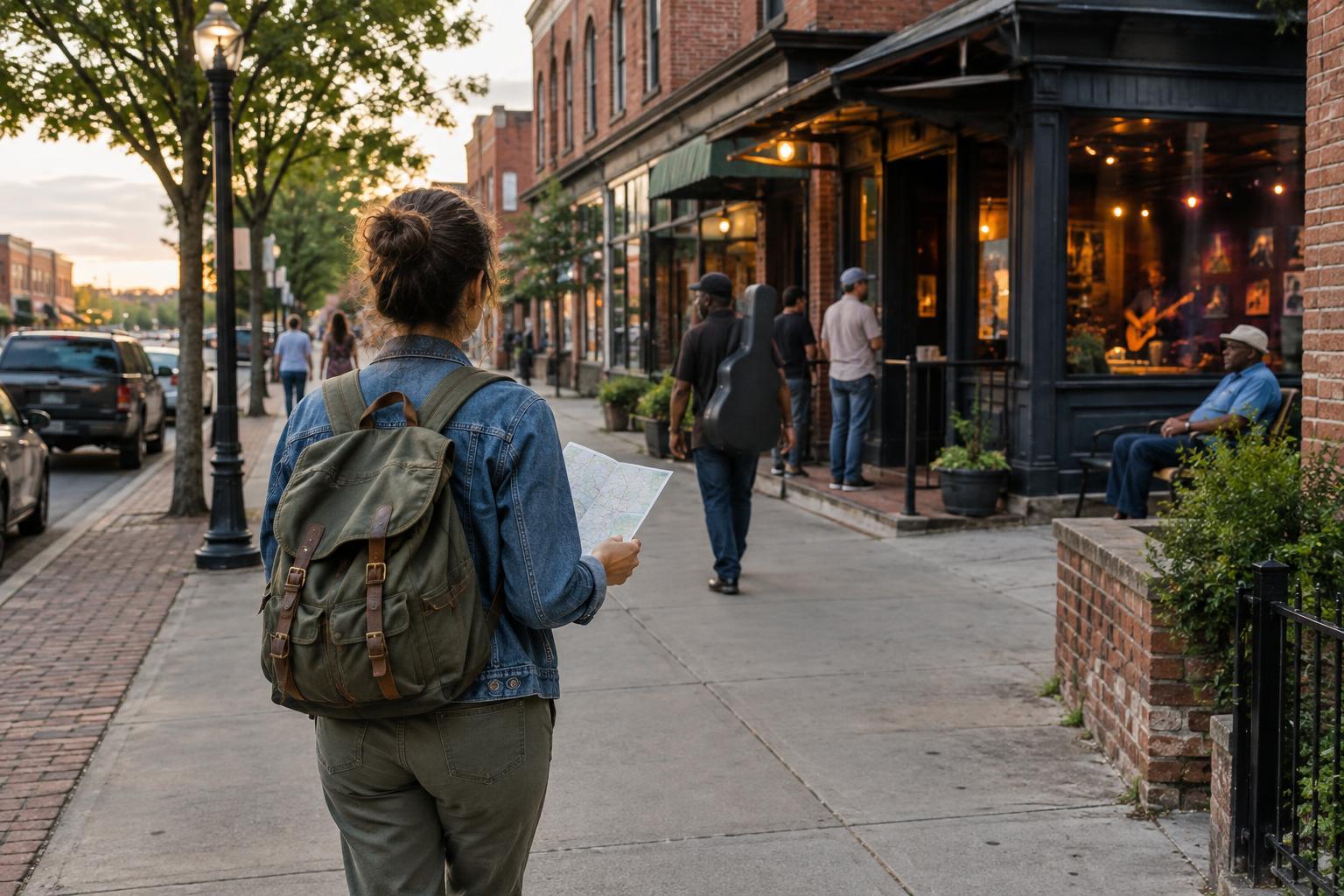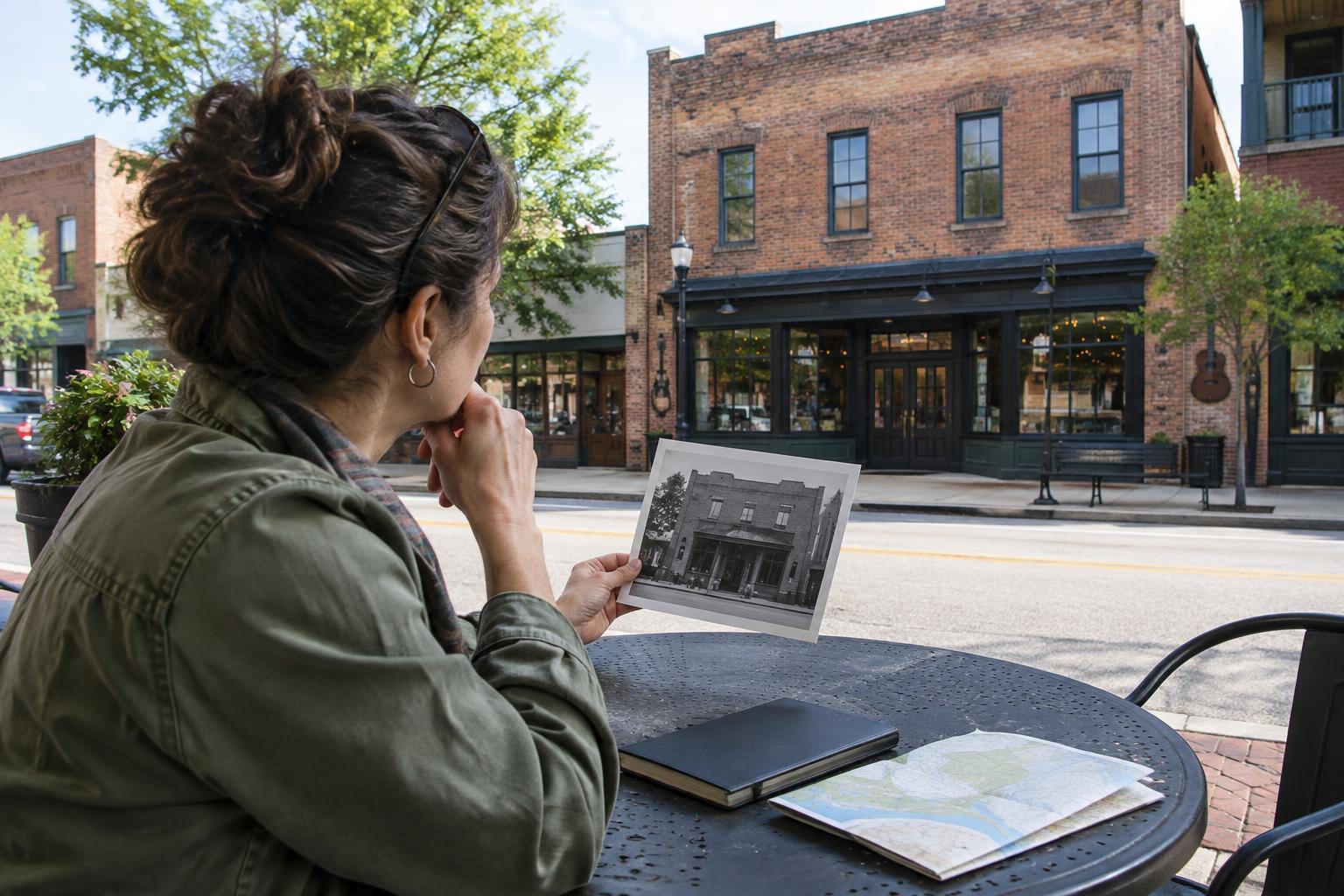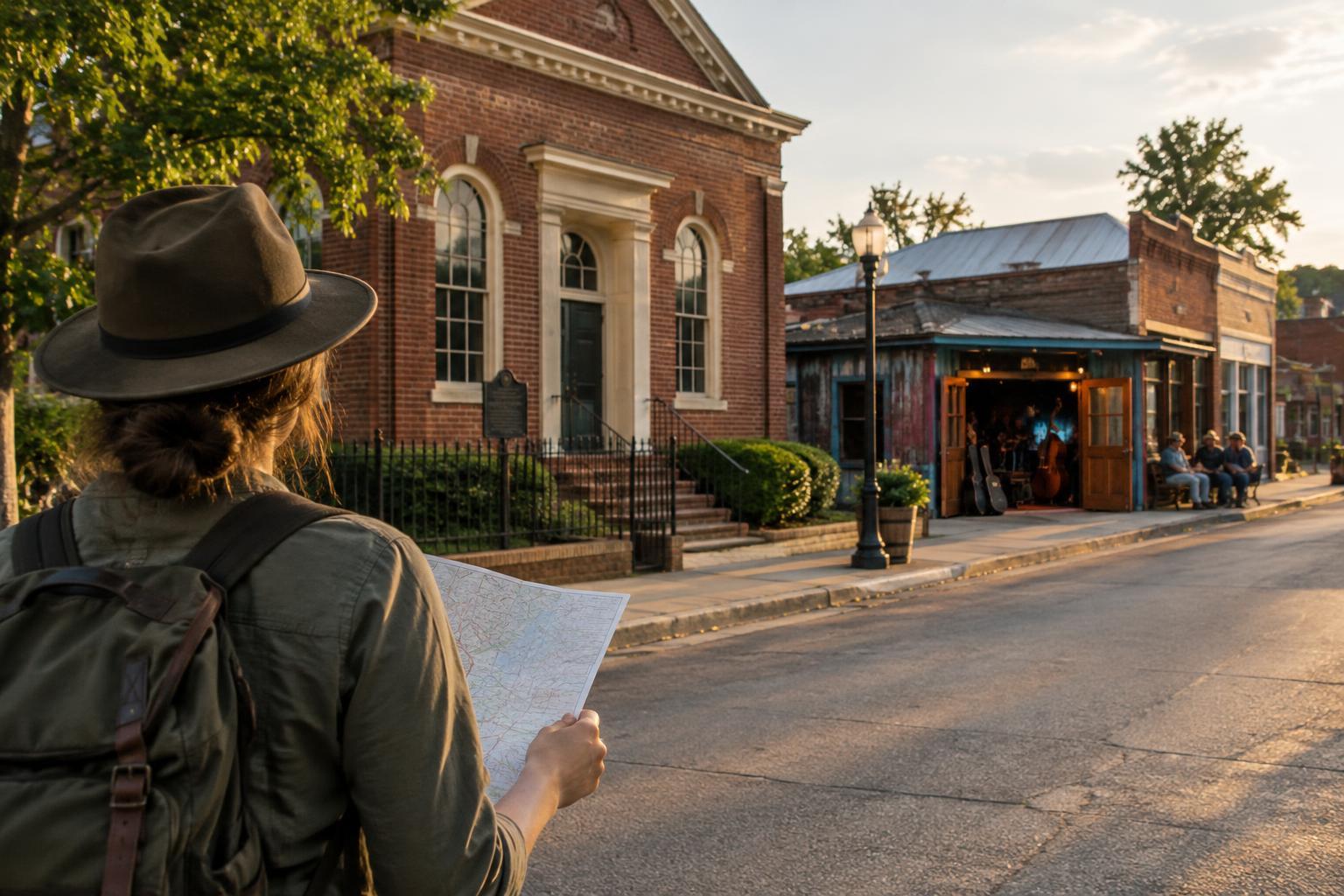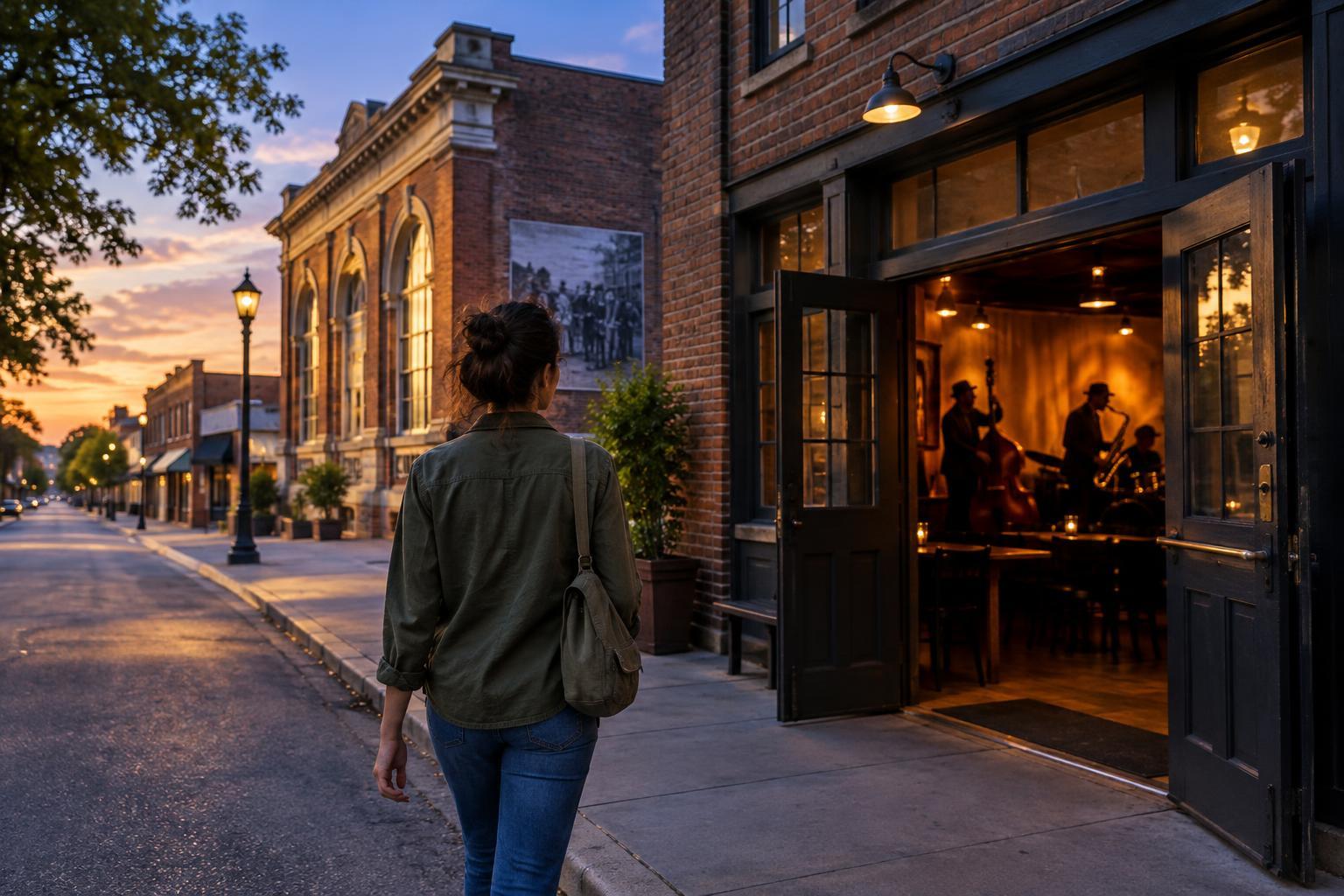
Start with a musical question, not a packed schedule
A good music itinerary begins with curiosity. You might want to hear how blues traditions differ from place to place, learn how a city’s jazz scene uses familiar instruments, or understand the spaces where people have gathered to play. Choose one or two questions to guide the trip. They will help you decide which stops are worth your time and which appealing detours can wait.
For each destination, sketch a short list of possible daytime visits and evening performances. The daytime list might include a music museum, a public archive with exhibits, an instrument shop, or a neighborhood walk. The evening list might include listening rooms, clubs, community venues, or performances at larger halls. Treat both lists as options rather than promises: opening hours, admission rules, and show schedules can change.
Let daytime stops deepen the listening
Choose heritage stops that offer different kinds of context. An exhibit can introduce instruments and recordings; a neighborhood walk can help you notice how venues sit alongside homes, businesses, and transit; a shop may reveal how working musicians select and maintain their tools. You do not need to see every music-related landmark. One thoughtful visit often leaves more to consider than a hurried circuit of five.
Before heading out, check whether a site welcomes walk-ins, requires tickets, or has restrictions on photography. If you visit a place connected to a living community, approach it as more than a backdrop for your trip. Read the material provided, follow local guidance, and be mindful that a street with musical significance is also part of someone’s everyday life.
Build a route you can enjoy after dark
Work backward from the evening show. Note the performance time, how early you would like to arrive, and how you expect to get back afterward. Then choose daytime stops that fit comfortably along the route. Keeping the afternoon relatively close to the venue can make dinner and arrival feel unhurried, especially in an unfamiliar city.
Give yourself a buffer between the last visit and the show. Museums take longer when something catches your interest, and travel can be slower than a map suggests. A break also lets you recharge a phone, check directions, and listen to a recording or two before hearing live music. If the day involves extensive walking, consider choosing a seated show or making the following morning lighter.
Make room for the performance itself
A venue is not just the final stop on a sightseeing route. Check its admission details and house policies before you go, including whether seats are assigned, whether a minimum purchase applies, and whether photography or recording is allowed. Arriving with time to settle in makes it easier to listen without disrupting other guests or performers.
Match the night to the experience you want. A quiet listening room may suit a set you hope to follow closely, while a livelier space may be better for a social evening. Neither is the universally “authentic” choice. If you are unsure what to expect, read the venue’s own description and keep an open mind. Applause, conversation, and movement can have different rhythms in different rooms; take your cues from the setting.
Leave space to connect the dots
Try planning one main daytime stop and one evening show per day, with optional ideas nearby. That simple structure gives you room to follow a recommendation, revisit an exhibit, or spend an unplanned hour in a café. It also helps prevent the common disappointment of being too tired to enjoy the performance that inspired the trip.
After a show, jot down what stood out: an instrument sound, a song you want to find again, or a connection to something you saw earlier. You do not need expert knowledge to make those observations. The value of a music itinerary lies in paying attention—letting places add context to the music, and letting the music change how you remember the places.