Start with the neighborhood, not just the music
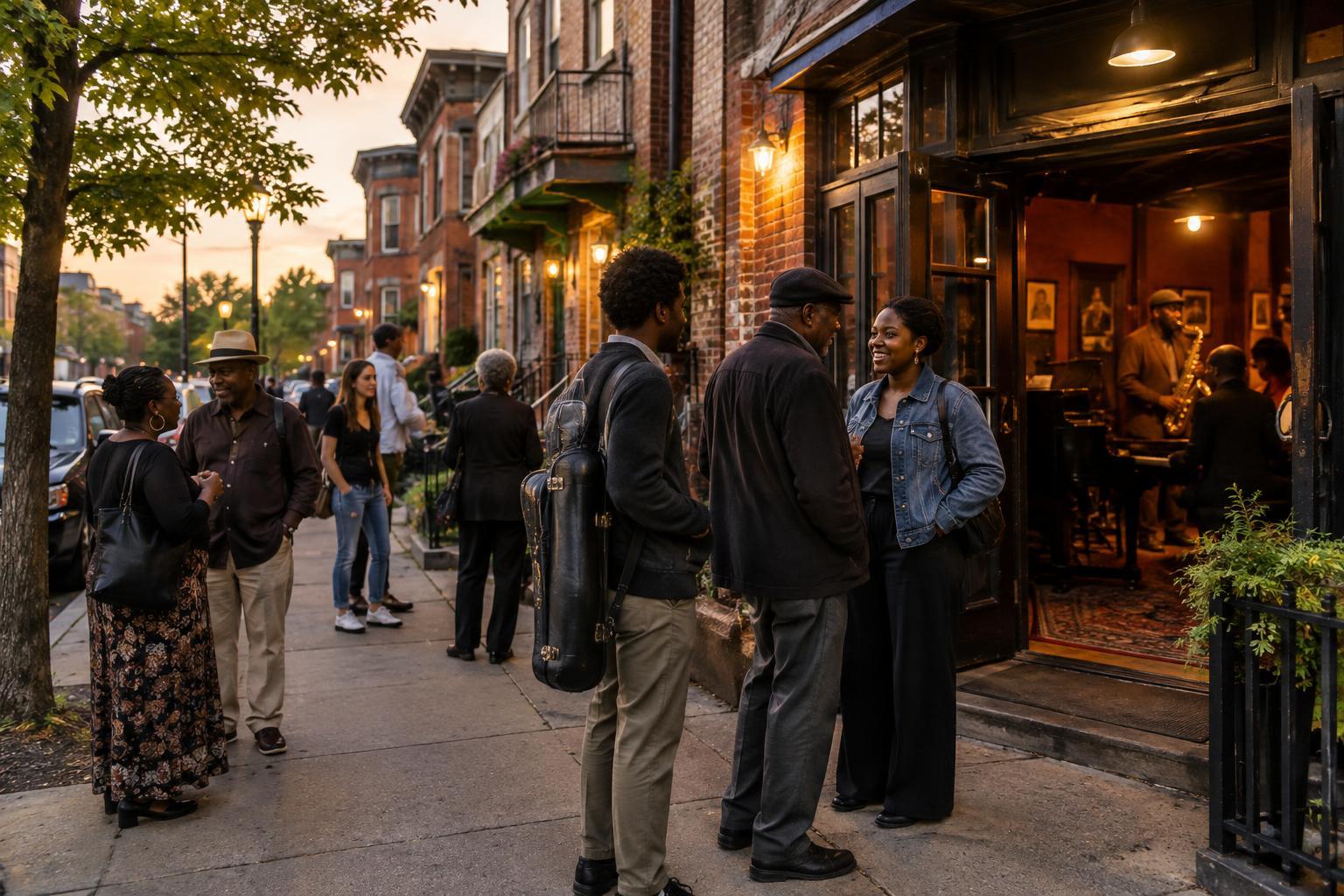
A neighborhood associated with blues, jazz, gospel, or another Black music tradition can be tempting to picture as a scene preserved in time. Its musical history matters, but people also live, work, worship, and build community there now. Approach the visit as time spent in a living place, not a search for an imagined past. A famous venue or street corner may be one part of the story without standing for the whole neighborhood.
Before you go, learn enough to ask better questions. Look for accounts created by local museums, cultural organizations, artists, and residents, and notice whose voices tell the story. Music rarely developed in isolation: churches, schools, businesses, family gatherings, and migration all shaped what people heard and played. A little preparation can help you recognize those connections without expecting a short visit to make you an expert.
Plan a visit that supports local voices
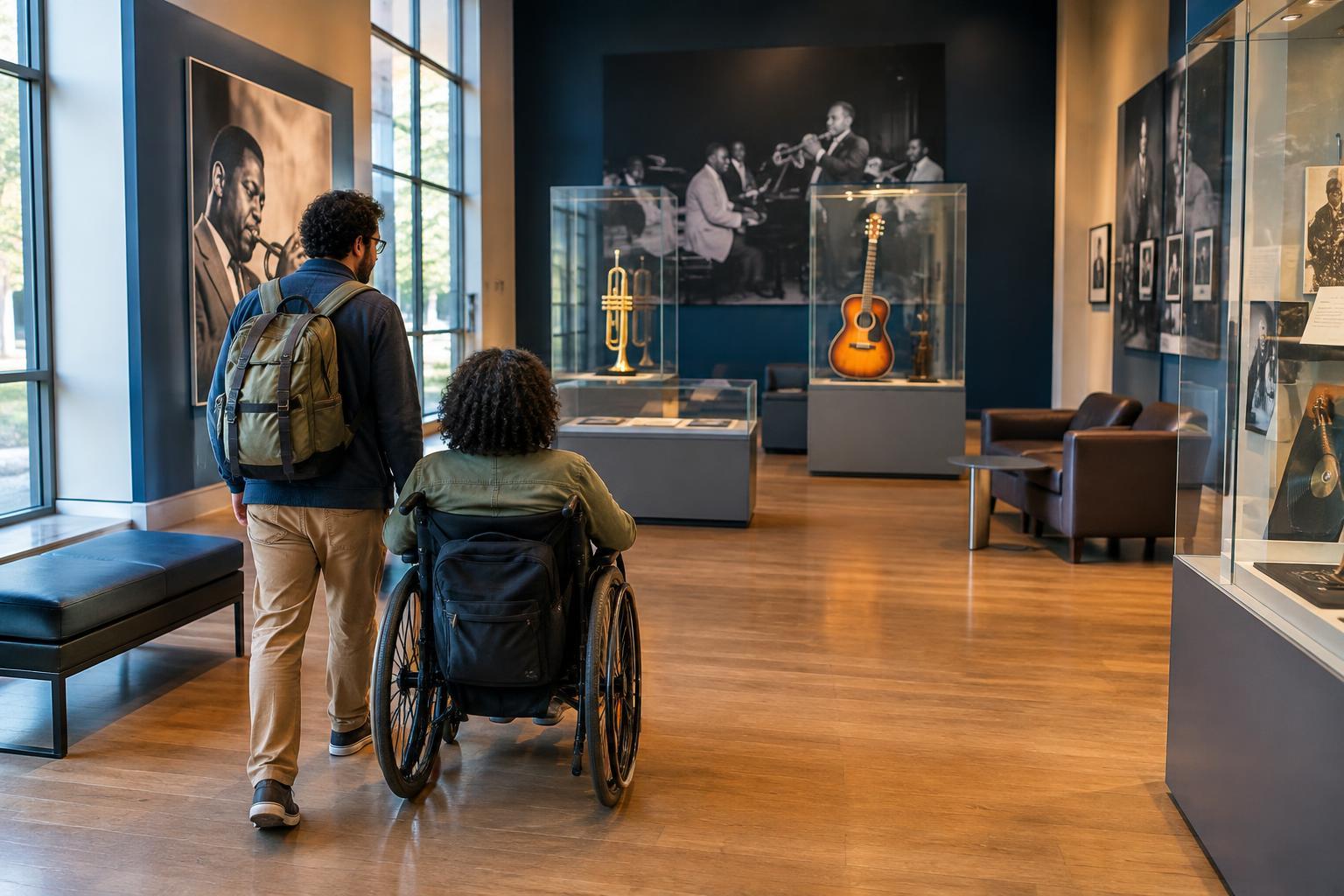
Build an itinerary around places that welcome visitors: public exhibitions, performances, bookshops, record stores, and walking tours offered by knowledgeable local guides. Check opening hours and visitor policies before traveling, especially for small venues or community spaces. If a site is closed, view it from a public area rather than entering a yard, doorway, or building to get a closer look. A historical address is not automatically a visitor attraction.
When you can, pay for the experiences and expertise you use. Buying a ticket, purchasing music directly from an artist, or paying a guide gives tangible support to the people sharing their work. It is fine to explore on a modest budget; free public programs and self-guided walks can be worthwhile. The principle is to treat local knowledge and performances as work, not as atmosphere provided for tourists.
Be a good guest at live performances
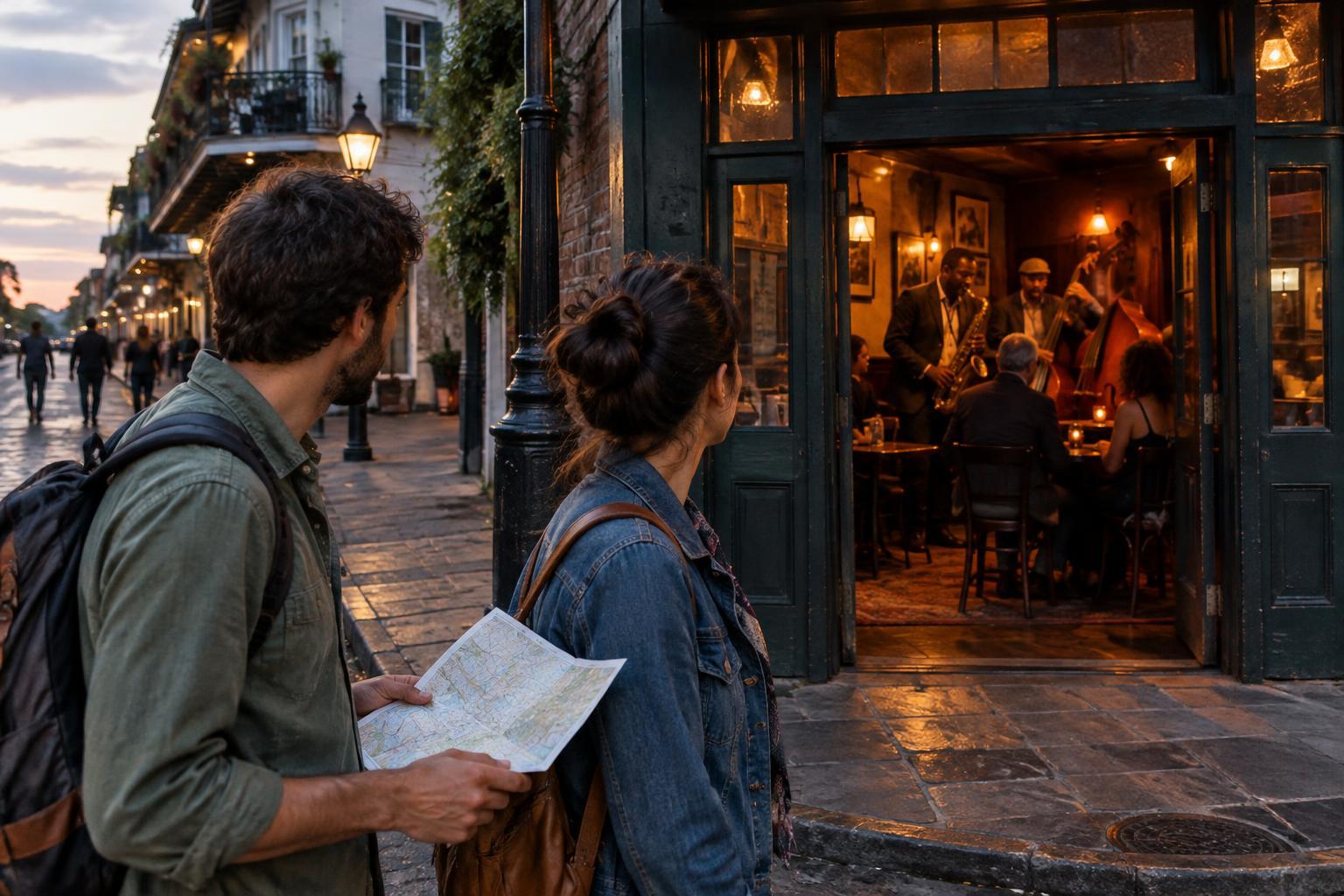
A live set offers something a plaque cannot: musicians interpreting a tradition in the present. Read the room before deciding how to participate. Some performances invite dancing and conversation; others call for quieter listening. Keep your phone out of the way, avoid talking over an intimate set, and follow the venue’s rules about recording and photography. If you want to photograph a performer, ask first when there is an appropriate moment to do so.
Treat musicians as artists with their own choices, not as representatives obliged to play a familiar song or explain an entire genre. Tip where customary and within your means, credit performers accurately when sharing a permitted image, and consider listening to their recorded work afterward. If a show differs from what you expected, stay curious. A tradition remains alive partly because musicians can reinterpret it.
Photograph with care and leave room for everyday life
Public art, architecture, and historic markers can help tell a story, but a camera can also change how a visit feels to the people around you. Avoid treating residents, their homes, places of worship, or ordinary businesses as backdrops. Ask before taking identifiable portraits, and accept a refusal without pressing for a reason. Even in public, not every moment needs to become a post.
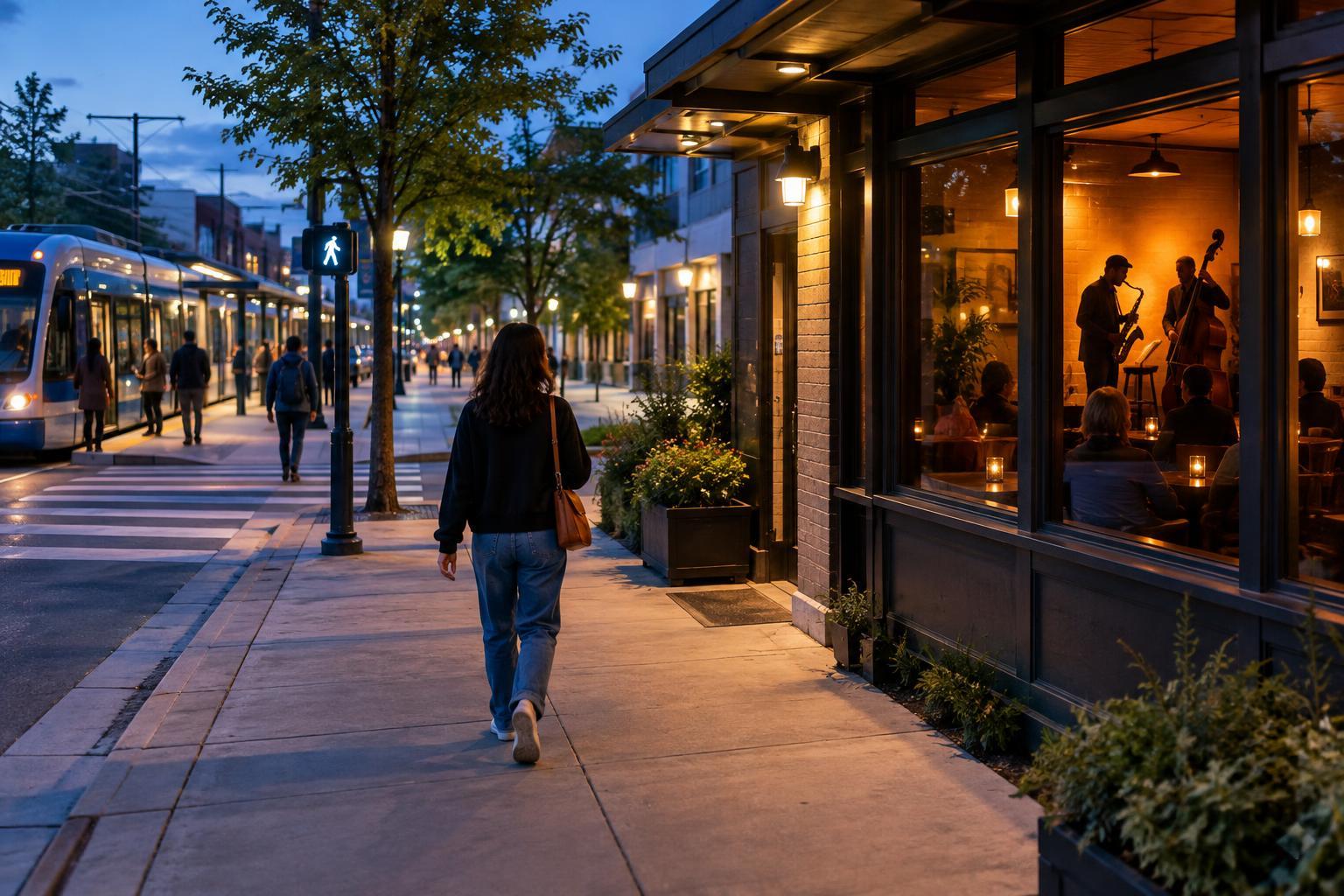
Move through the neighborhood as you would through any place where people are going about their day. Keep sidewalks and entrances clear, respect posted signs, and use public facilities rather than assuming a nearby business can accommodate a group. If you share your visit later, distinguish what you learned from what you merely observed. A few hours on foot cannot capture every perspective on a place.
Carry the listening beyond the trip
A respectful visit need not end when you leave the neighborhood. Follow artists and cultural spaces whose work interested you, revisit the music with fresh ears, and share useful visitor information without presenting yourself as an authority on local life. If you recommend a tour or venue, describe your own experience rather than promising that someone else will encounter the same people or performance.
Historic Black music neighborhoods hold stories of creativity, community, change, and, often, pressure over who gets to remain and be heard. Visitors do not need to resolve those complexities in a weekend. They can arrive informed, spend thoughtfully, listen closely, respect boundaries, and leave space for residents and artists to tell their own stories. That approach makes music travel richer without asking a neighborhood to perform its history on demand.