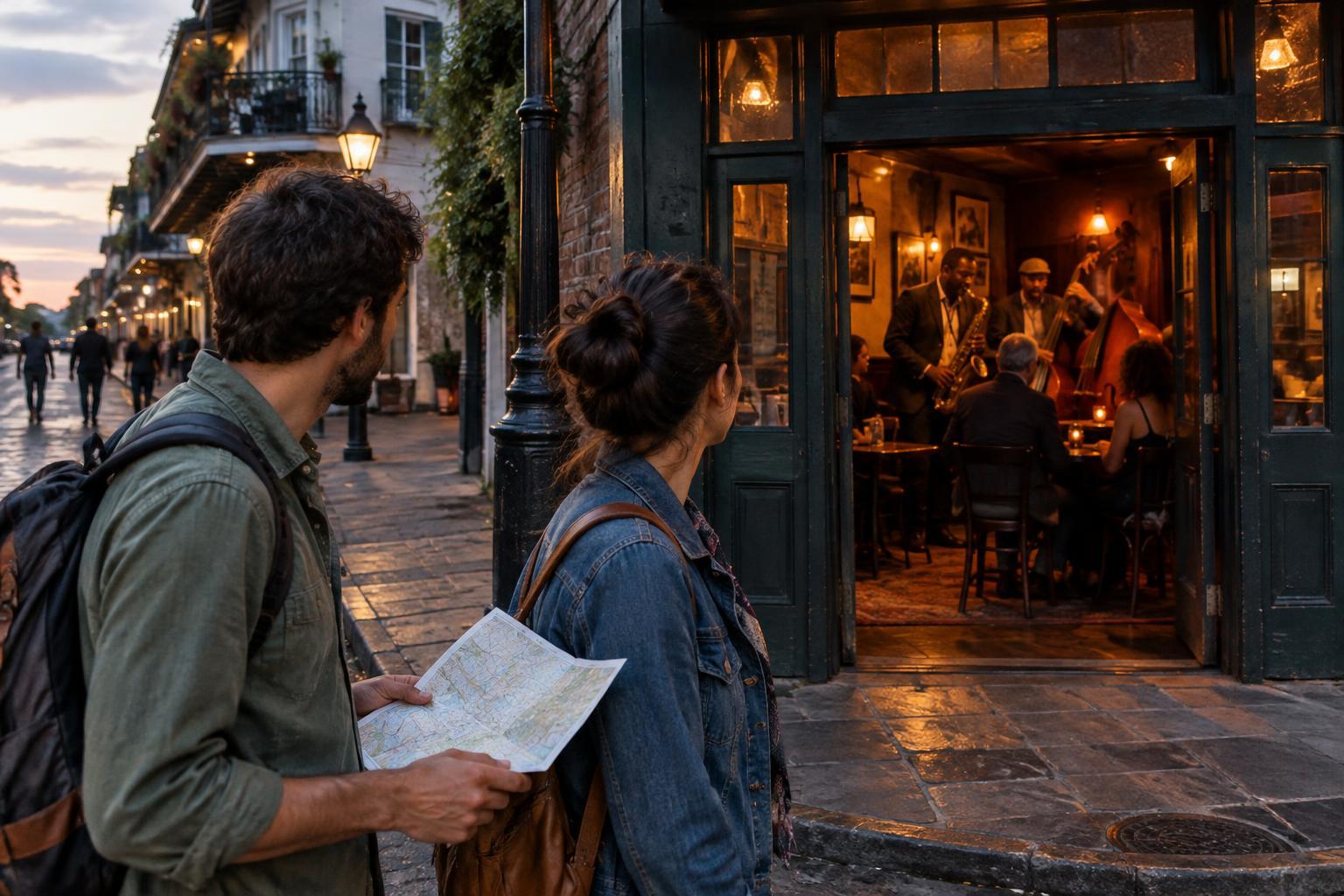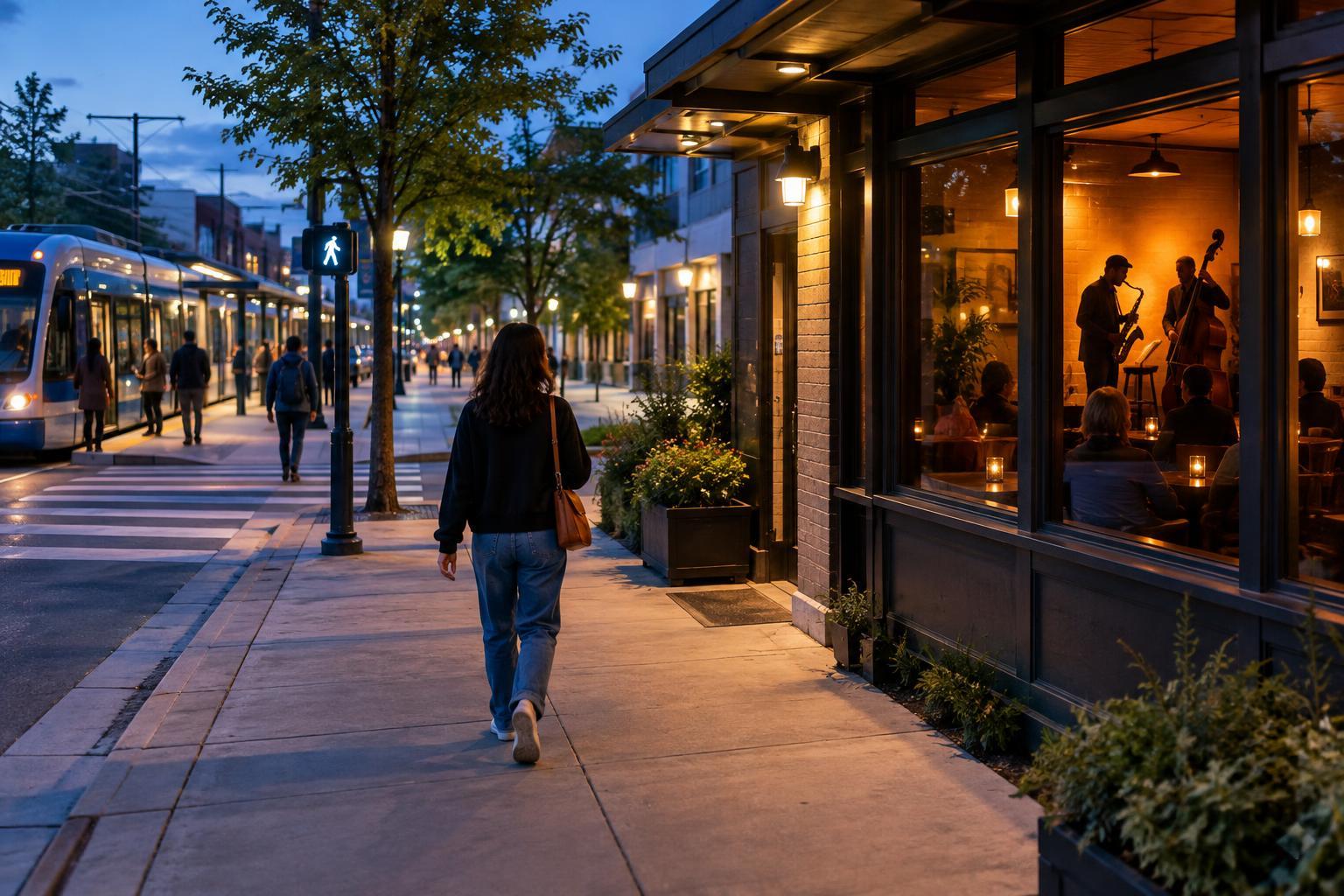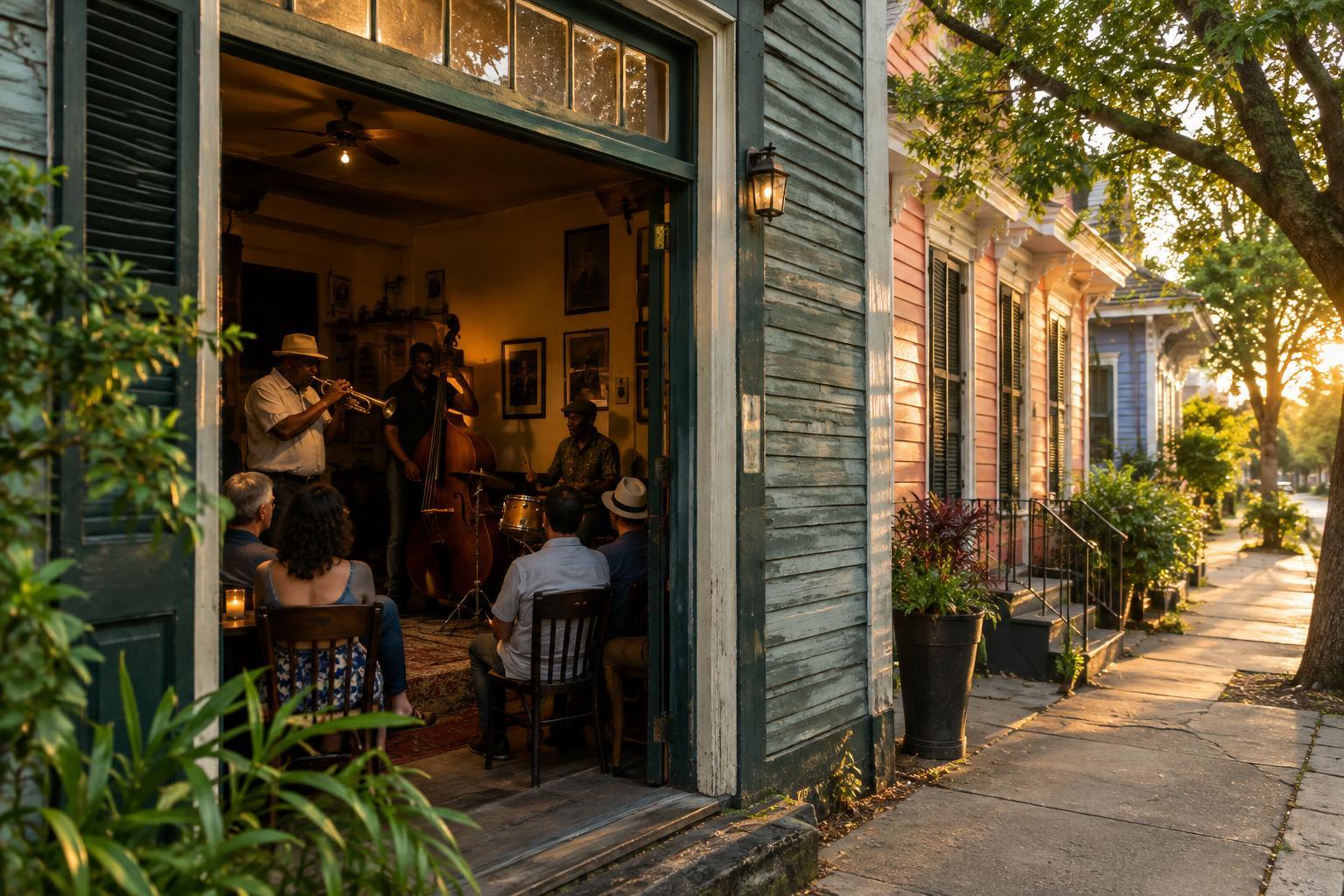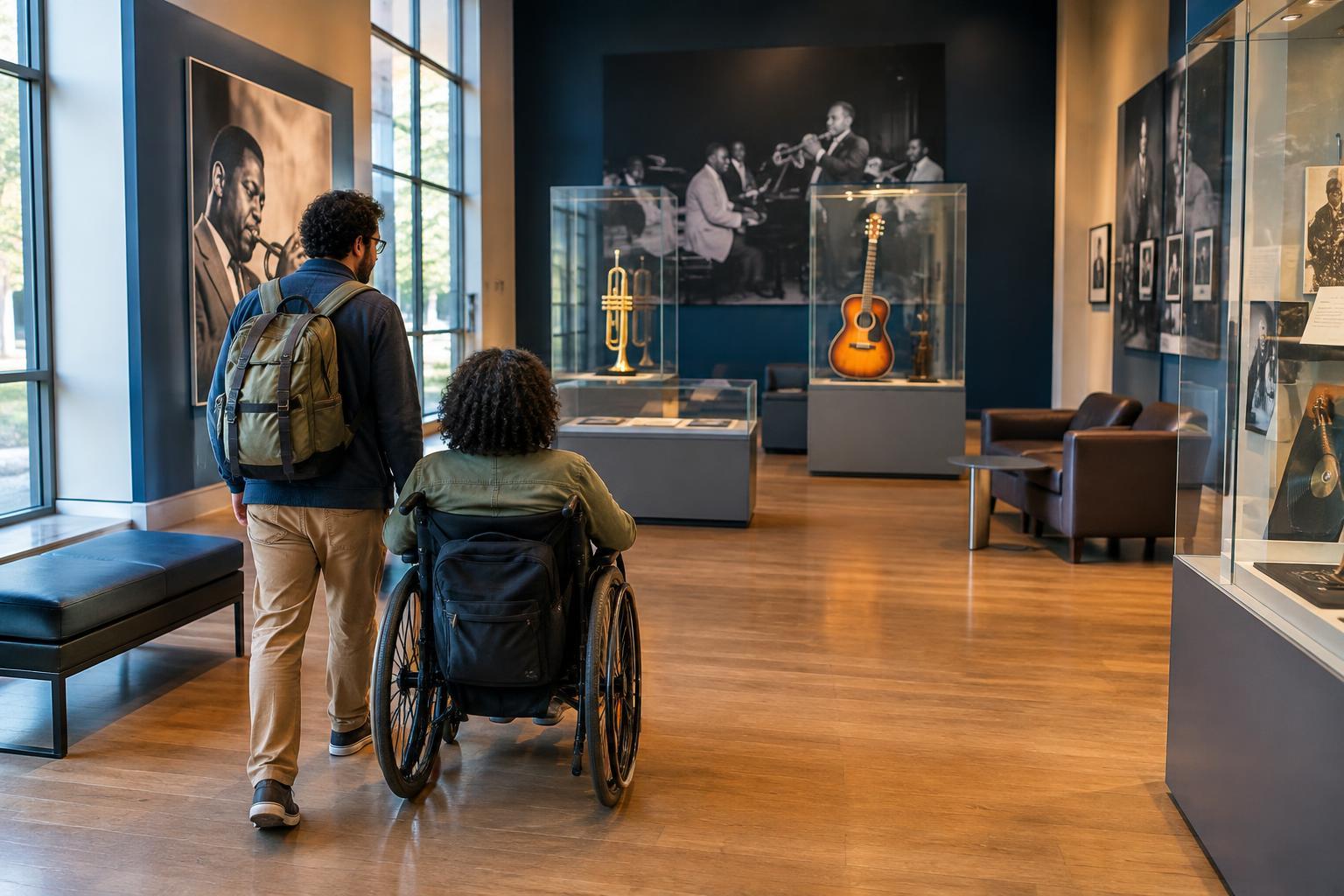
Start with the experience you want
A music museum might offer instruments to examine, recordings to hear and stories to read. A historic site might connect a neighborhood, building or performance space to a musical tradition. Before choosing stops, decide what matters most to you and your companions. Is the priority hearing music, exploring a place, reading about its history or spending time together? A clear priority makes it easier to weigh access information and skip an attraction that would take more effort than it offers in return.
Access needs vary, and a label such as “accessible” rarely tells the whole story. One visitor may need a step-free route; another may need captions, a quieter room, seating or information in a format that is easier to process. Make a short list of essentials and preferences. Essentials determine whether a visit is workable. Preferences help you choose between workable options.
Check the whole route, not just the front door
Look for access information on the venue’s own website, then contact staff if a detail is missing or unclear. Ask specific questions: Where is the step-free entrance? Does it lead to the same exhibits as the main entrance? Are there lifts between floors, places to sit and accessible toilets? Can visitors leave and re-enter? If you use a mobility aid, the distance from public transport or parking to the entrance may matter as much as the route indoors.
Historic buildings can have narrow passages, uneven surfaces or protected features that affect how visitors move through them. Some offer an alternative route or interpretation of spaces that cannot be entered step-free; others may not. Ask which parts of the experience you can reach rather than relying on a general assurance. For an outdoor music landmark or walking route, check the ground surface, crossings, gradients and availability of places to rest. Keep a second stop in mind in case conditions on the day make the first one impractical.
Find out how the music and stories are presented
Music exhibits often combine listening stations, video, written panels and interactive displays. Ask whether videos have captions, audio material has transcripts, and text is available in a format you can use. If an exhibit depends heavily on headphones, find out whether there are speakers, adjustable volume controls or another way to follow its story. For visitors who benefit from audio description or tactile interpretation, ask what the venue provides rather than assuming an instrument on display can be touched.
Sound and light can also shape a visit. Several recordings playing at once may be exciting for some people and tiring for others. Ask whether there are quieter times, lower-sensory areas or a way to preview an exhibition’s layout. A floor plan or brief description of the visit can help anyone who prefers to know what comes next. If a guided tour is part of your plan, check its length, pace, group size and whether you can step away and rejoin.
Build time and flexibility into the day
A comfortable visit begins before the exhibit. Allow time to find the entrance, collect tickets, use facilities and settle into the space. Avoid packing several demanding stops back to back, especially if travel between them involves walking, crowded transport or uncertain connections. A nearby café, public seating area or quiet place to pause can be as useful to identify as the next attraction.
Check booking requirements and ask how any access arrangements work: whether they need advance notice, where to meet staff and what to do if you arrive late. If you travel with a companion or support person, clarify ticket arrangements directly with the venue. Bring what helps you enjoy the visit, such as headphones or a written outline of your plans, while checking any rules about bags, food or equipment. Leave room to shorten the visit; seeing one gallery well can be more rewarding than rushing through every room.
Keep the place, not the checklist, at the center
The aim of access planning is to make more space for curiosity. Once the practical questions are answered, consider how the site tells its musical story. Does it connect recordings to the people and communities behind them? Does the surrounding street or neighborhood add context? Take time to listen, read and notice what the place chooses to preserve, while remembering that no single museum or landmark can represent an entire tradition.
Venue information and individual circumstances can change, so confirm essential details close to your visit. If a barrier remains, ask whether there is another way to engage with the material, such as a different gallery, a guide or a take-home resource. An accessible music trip does not have to follow a fixed itinerary. It can be a carefully chosen visit, a pause to hear a recording, and enough energy left to reflect on what you discovered.