Start with the music, then draw a small map
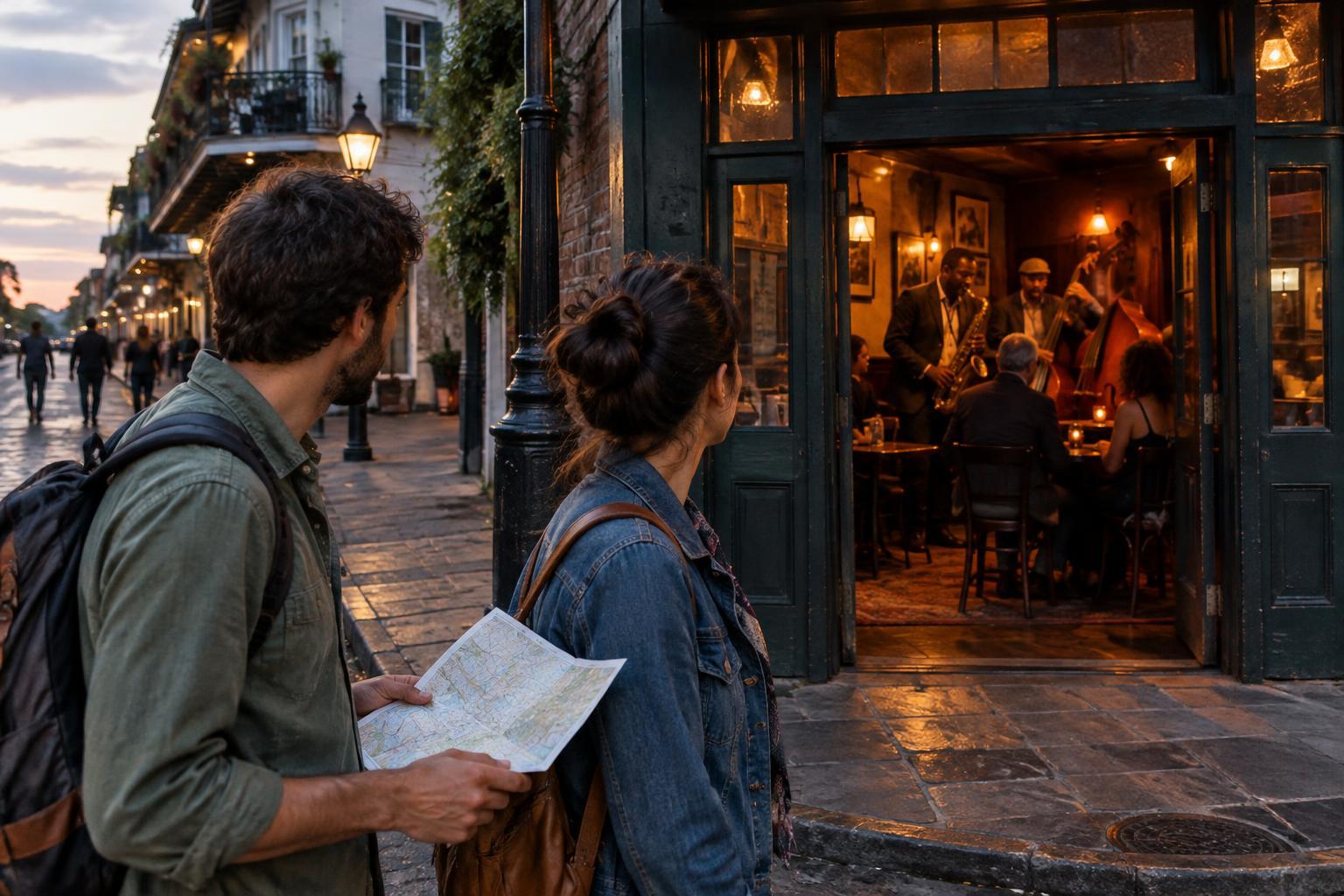
A car-free blues or jazz trip works best when the places you want to hear are reasonably close to one another or connected by a simple transit route. Begin with a short list of venues, record shops, museums or neighborhoods that interest you. Put them on a map alongside possible places to stay. A city may have excellent public transport overall, yet the particular journey between your room and a late set may still be awkward.
Look for a manageable cluster rather than trying to cover every music landmark in one visit. Staying near several potential stops leaves room for a change of plans if a performance sells out, a schedule changes or you decide to spend longer in one place. It also gives you time to notice the cafes, streets and everyday spaces around a music scene, rather than treating each venue as an isolated destination.
Judge the walk, not just the distance
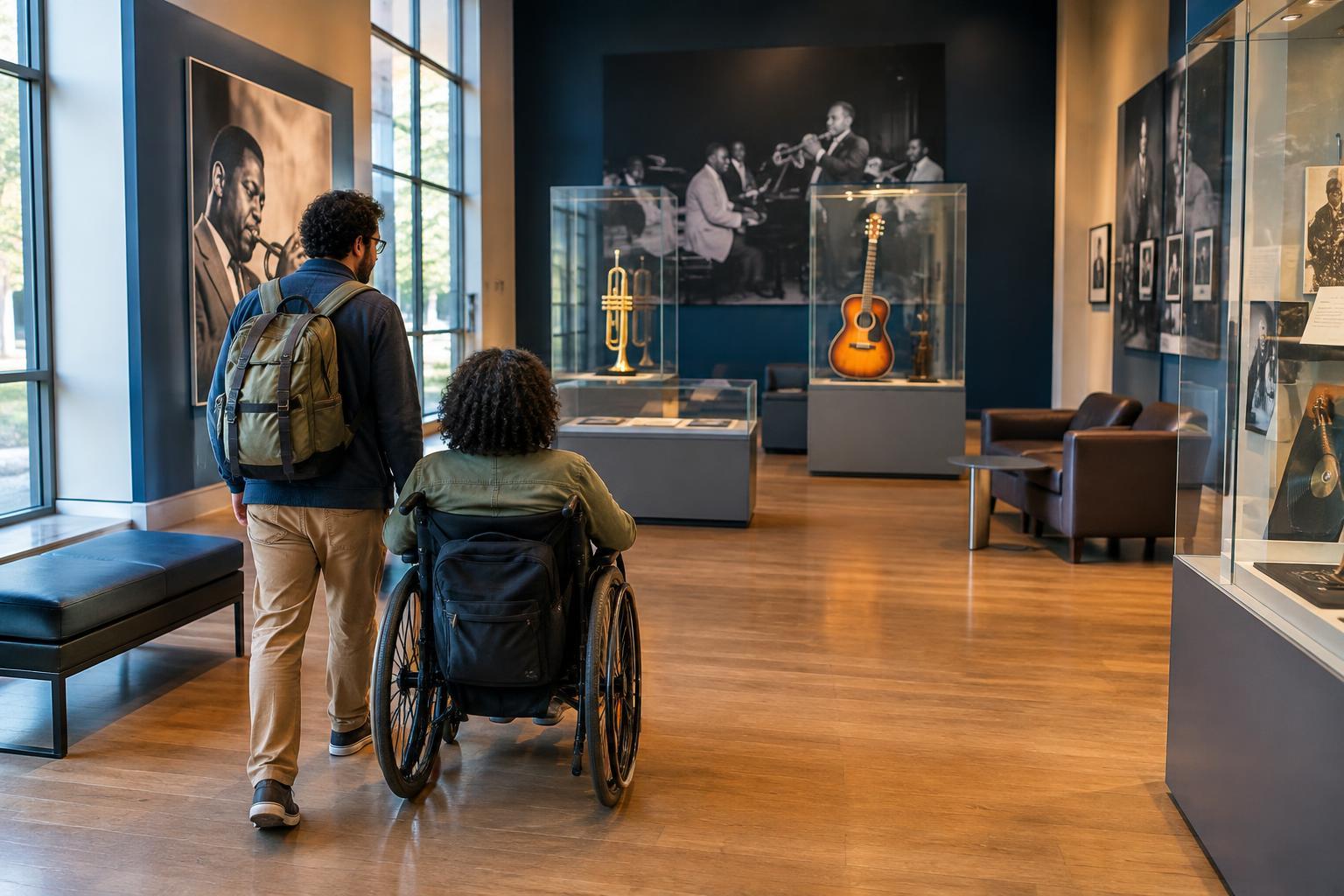
A short distance on a map does not always mean an easy walk. Check whether the route crosses busy roads, climbs steep hills or relies on streets with limited sidewalks. If you use a mobility aid, travel with an instrument or prefer a slower pace, those details may matter more than the number of blocks. Street-level map views, venue accessibility information and local transit guidance can help, though conditions may differ when you arrive.
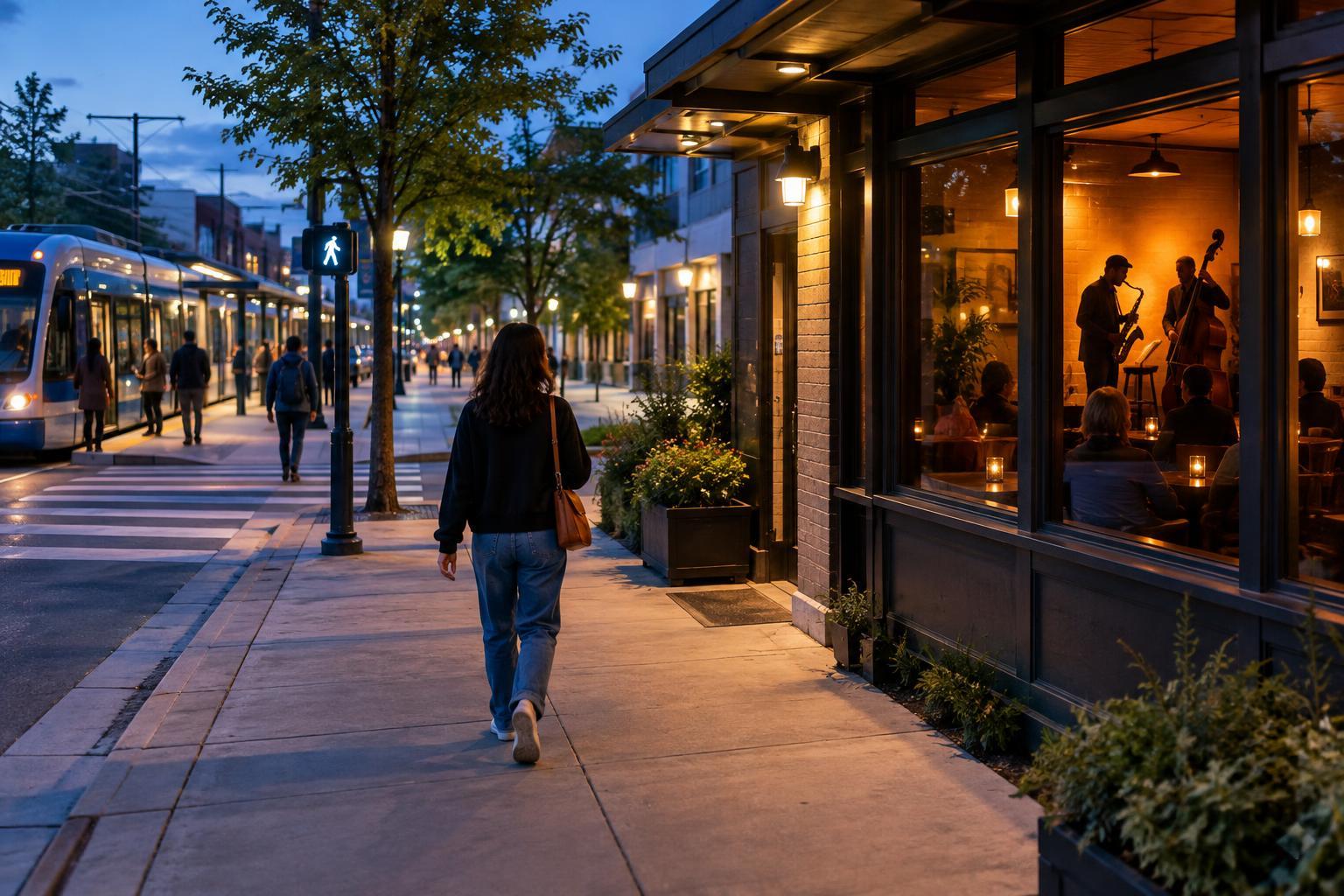
Think about the same walk at two different times: on the way to an early show and on the way back after a late one. A route that feels pleasant in daylight might be less comfortable when nearby businesses are closed. You do not need to avoid unfamiliar areas automatically; you do need a return route you can recognize, navigate and adjust if necessary. When comparing accommodation, a direct walk along familiar streets can be more useful than a slightly shorter but complicated shortcut.
Check transit in both directions
A transit stop near a venue is only part of the answer. Find out which line serves it, how often service generally runs, where you would transfer and whether the stop near your accommodation is convenient. Then check the return journey separately. Late-evening service may be less frequent than daytime service, and the final departure may leave little time to finish a set, settle a bill and reach the platform or stop.
Use official transit information when planning and check it again close to travel, since routes and operating hours can change. Keep a simple alternative in mind: another line, a reasonable walk, a licensed taxi or a reputable ride service where available. If paying by phone is your only plan, consider what you would do with a low battery or weak signal. A car-free itinerary is more relaxing when it has a backup, not when every connection has to work perfectly.
Choose a base that supports spontaneous listening
The cheapest room is not always the most economical choice for a music-focused trip. A place to stay near a useful transit connection or a cluster of venues may reduce extra fares and long journeys at the end of the night. Compare the whole trip rather than the room rate alone: How many transfers would you make? Could you return easily if you wanted to drop off a bag? Would you still go out for a second set if getting home felt complicated?
For a multi-night stay, it can help to divide your plans into neighborhood evenings. Explore one area on foot, allow time for a meal, and leave space between performances instead of racing across town. If you hope to visit a venue with limited seating or a particular entry policy, check its own information in advance. A flexible plan can be especially valuable in blues and jazz, where the pleasure of an evening often includes listening without watching the clock.
Leave room for the place around the music
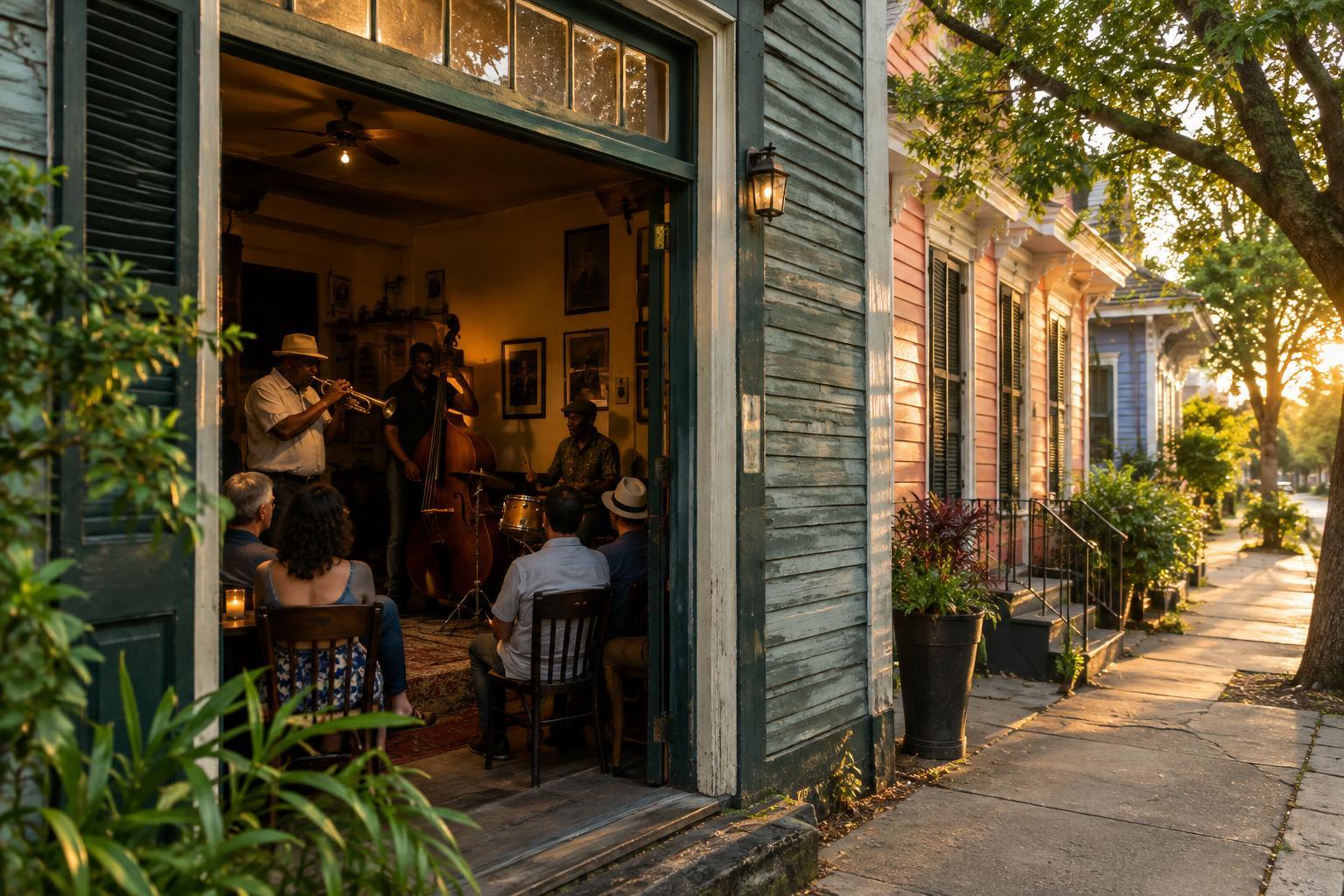
Traveling without a car can bring you closer to the ordinary geography of a music destination: the walk from a station, the shops beside a venue, or the change in atmosphere from one street to the next. Those impressions are worth noticing, but avoid assuming that a neighborhood exists only as a backdrop for visitors. Follow venue guidance, be considerate of residents when leaving late, and ask before photographing performers or patrons.
Before booking, try a final door-to-door test for each likely evening. Trace the route from your accommodation to the venue and back; note walking conditions, transit frequency and a fallback option. If the return trip looks tiring or uncertain, change the base, choose a different evening or allow more time. The best car-free music itinerary is not the one with the most stops. It is the one that lets you arrive ready to listen and get home without rushing.