Start with the experience you want
A music-focused trip can mean many things. You might want to hear blues in a small room, learn how a neighborhood’s musical traditions developed, browse instrument shops or leave an evening open for a performance you discover along the way. Before choosing a guided tour or setting out alone, decide what matters most: context, convenience, flexibility or time to follow your curiosity.
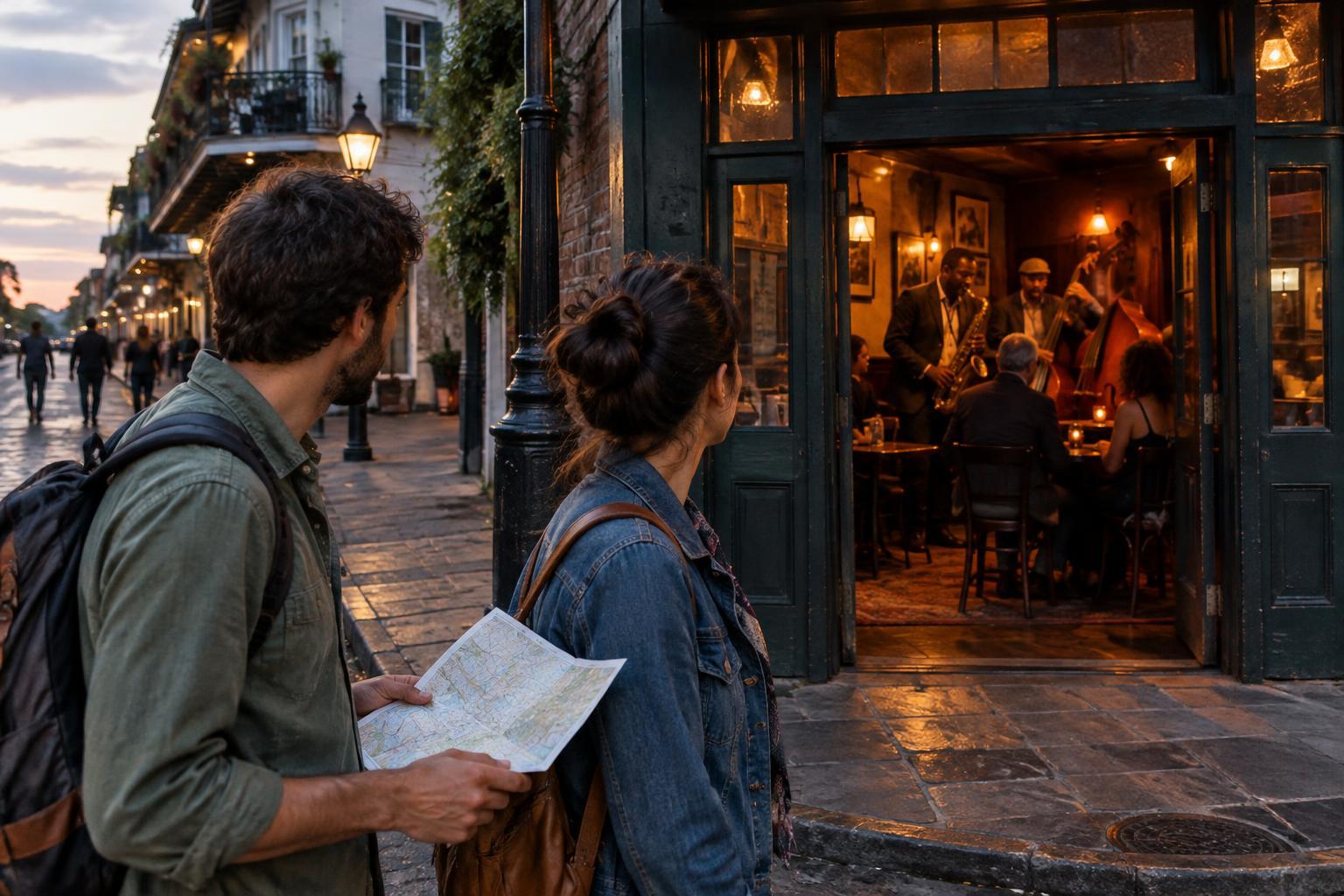
A guided tour is often useful when you are new to a place and want help connecting music to its surroundings. Independent exploration may suit you if you enjoy planning, changing direction and spending longer at places that catch your interest. Neither approach is automatically more authentic. A memorable visit depends less on who made the itinerary than on how attentively you listen and how respectfully you participate.
What a guide can add
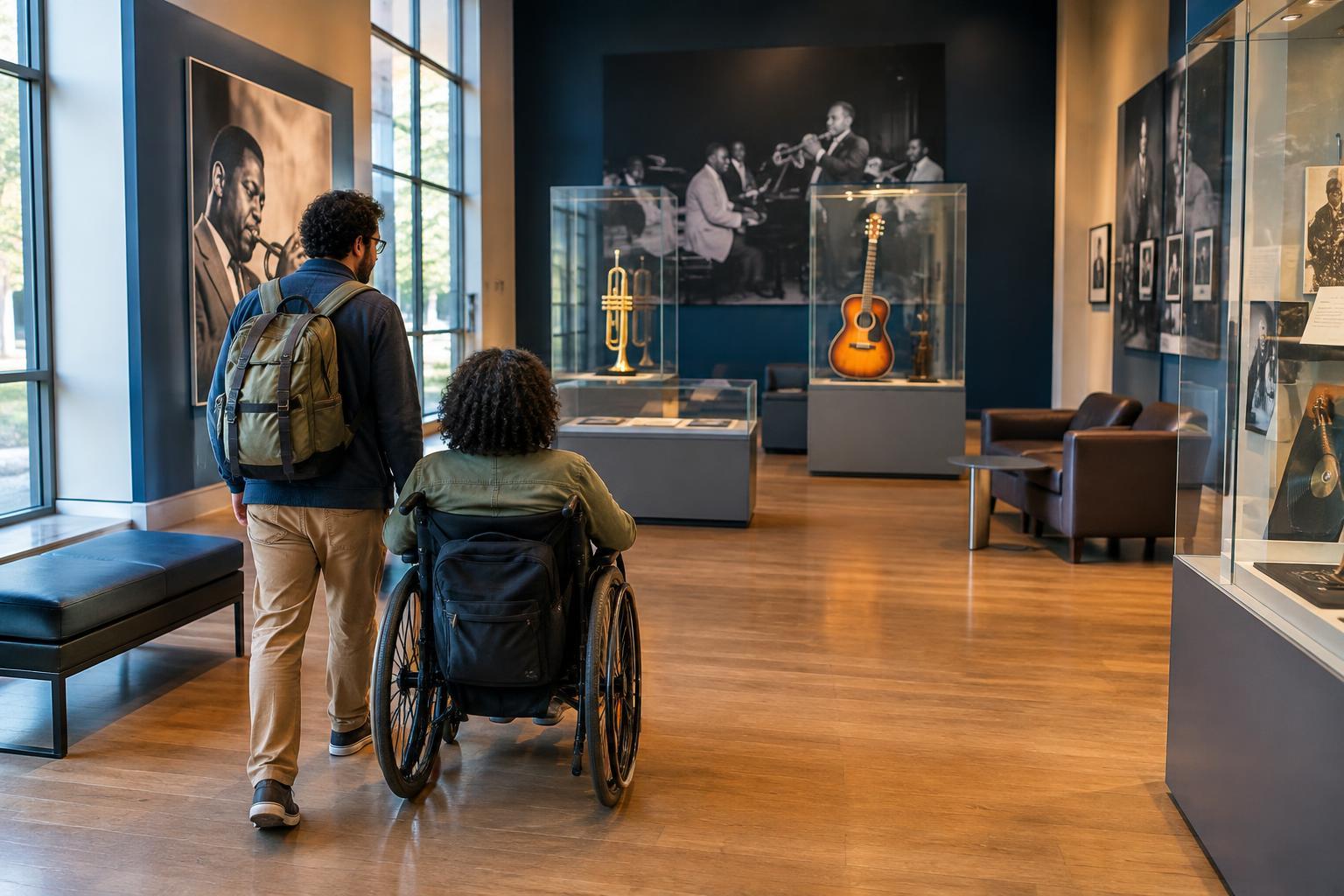
A thoughtful guide can provide background that is hard to gather between a museum visit and an evening show. They may help you understand how different styles, venues and communities relate to one another, while handling practical details such as meeting points and travel between stops. For someone with limited time, that structure can make a music trip feel less rushed.
The quality and focus of tours can vary, so read descriptions carefully. Check whether a tour centers on live performances, history, food and nightlife, or a mixture of these. Look for a clear schedule, group size, accessibility information and an explanation of what the price includes. If a performance is part of the plan, ask whether admission is included and whether the visit leaves enough time to hear more than a few songs. A tour should make it easier to engage with a place, not reduce its music to a quick photo stop.
Where independent exploration shines
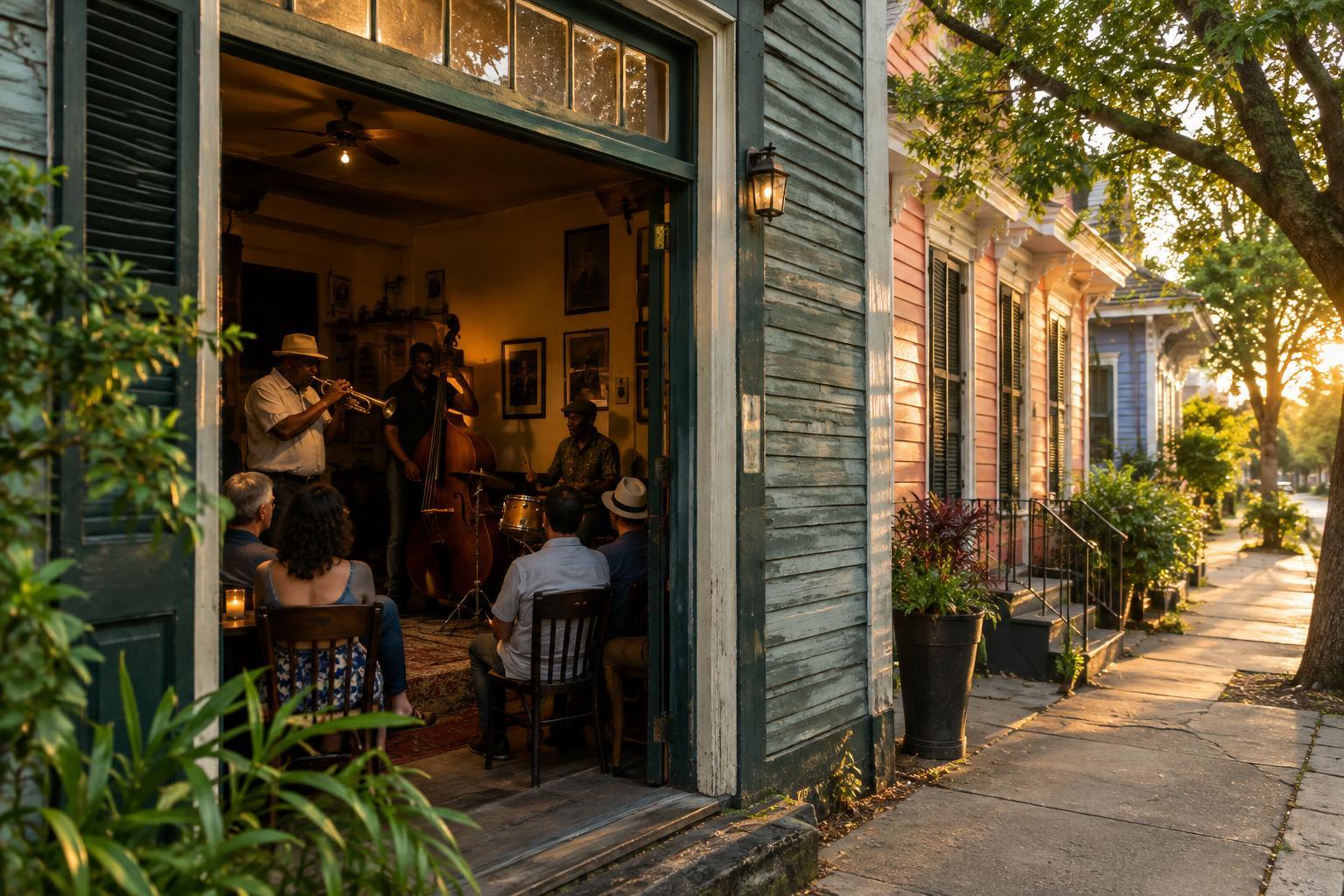
Exploring on your own gives you control over pace and attention. You can spend an afternoon reading about a local tradition, return to a venue you enjoyed or choose a quiet listening night instead of a packed itinerary. It also leaves room for interests that a general tour might overlook, such as particular instruments, dance styles or the way musicians move between genres.
That freedom comes with planning work. Check venue information directly before setting out, including opening hours, ticket arrangements, age restrictions and accessibility details. Allow time to travel between places without treating every stop as essential. Keep a backup option in mind: performances and opening times can change, and an evening is more enjoyable when one change does not derail the whole plan. When seeking recommendations, ask open questions and accept that residents and venue staff may be busy.
Consider cost, comfort and your role as a visitor
Compare the full cost of each option, not only the tour fee or ticket price. Transport, admission, food and tips where appropriate can all affect the budget. A tour may bundle some expenses and simplify decisions; traveling independently lets you choose where to spend more and where to keep things simple. Either way, check cancellation terms before committing to a costly plan.
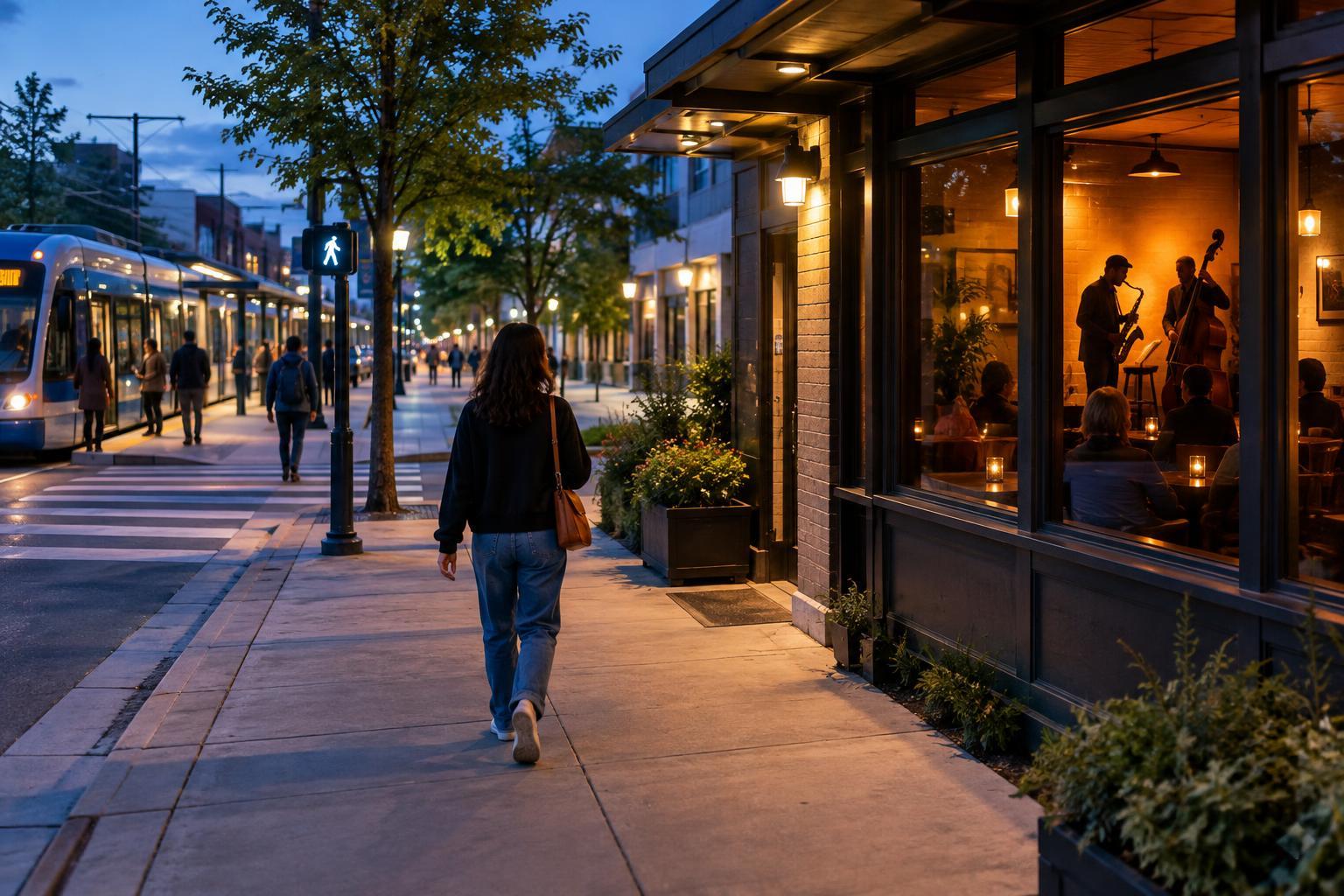
Also consider how comfortable you feel navigating after dark, entering unfamiliar venues and managing language differences. Choosing a guide for those reasons is sensible, not a failure of adventurous spirit. On the other hand, you may feel at ease exploring independently if you can plan a manageable route and find reliable venue details. Whatever you choose, remember that music spaces serve performers, workers and regular audiences first. Follow house rules, avoid recording without permission, keep conversation low during sets and purchase a ticket or drink when that is how a venue supports the night.
A mixed approach often works best
You do not have to choose one style for an entire trip. A guided walk early on can offer a framework for what you hear later, while an unplanned afternoon or evening gives you space to pursue your own interests. You could also arrange one focused experience, such as a music-history visit, and leave the rest of your schedule flexible.
A simple test is to ask what you would regret missing. If the answer is historical context and an introduction to unfamiliar places, consider a well-described tour. If it is the chance to linger, listen and change plans, protect some independent time. The strongest itinerary is not the busiest one. It is the one that helps you hear the music, notice the place around it and leave room for the people who keep that music alive.