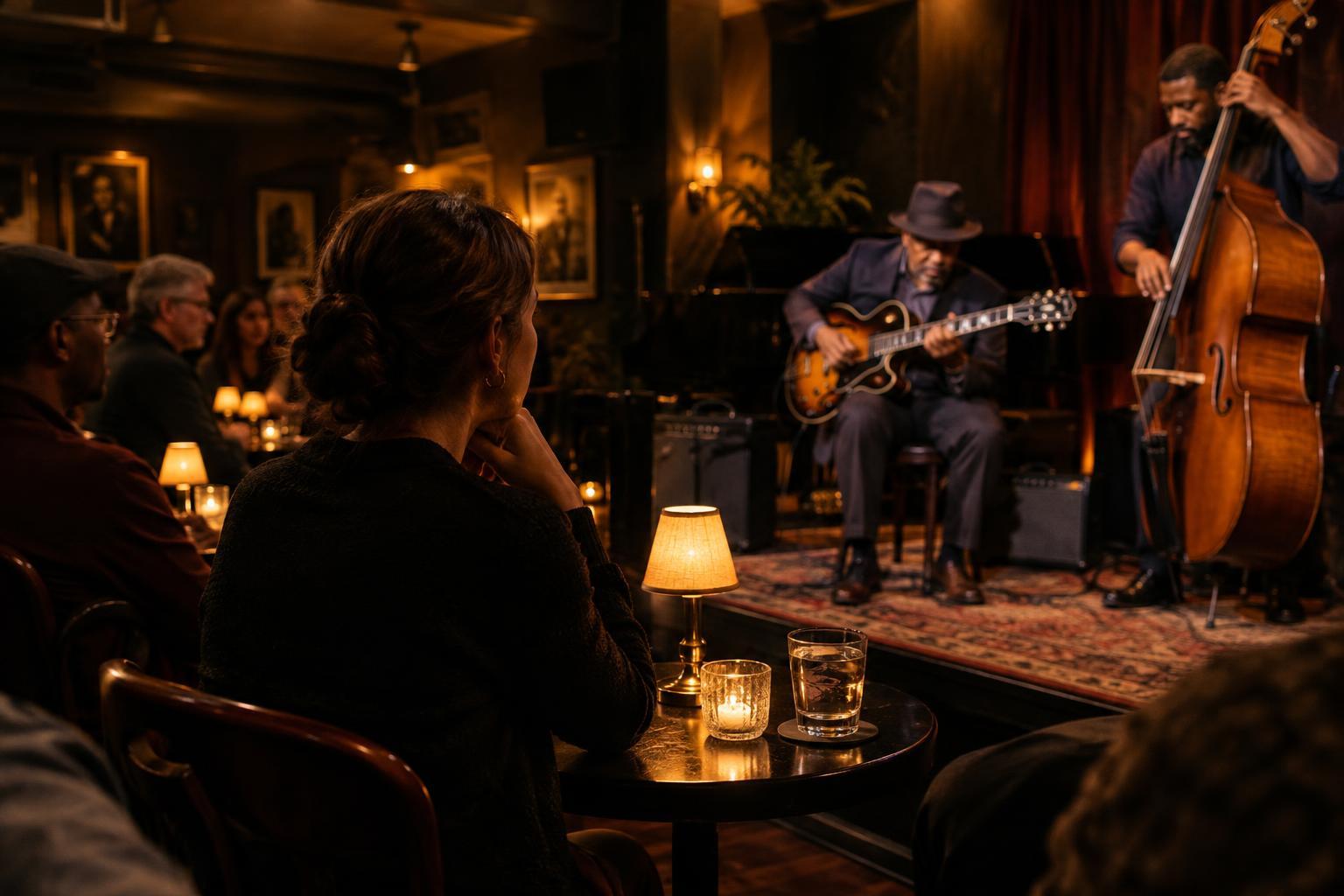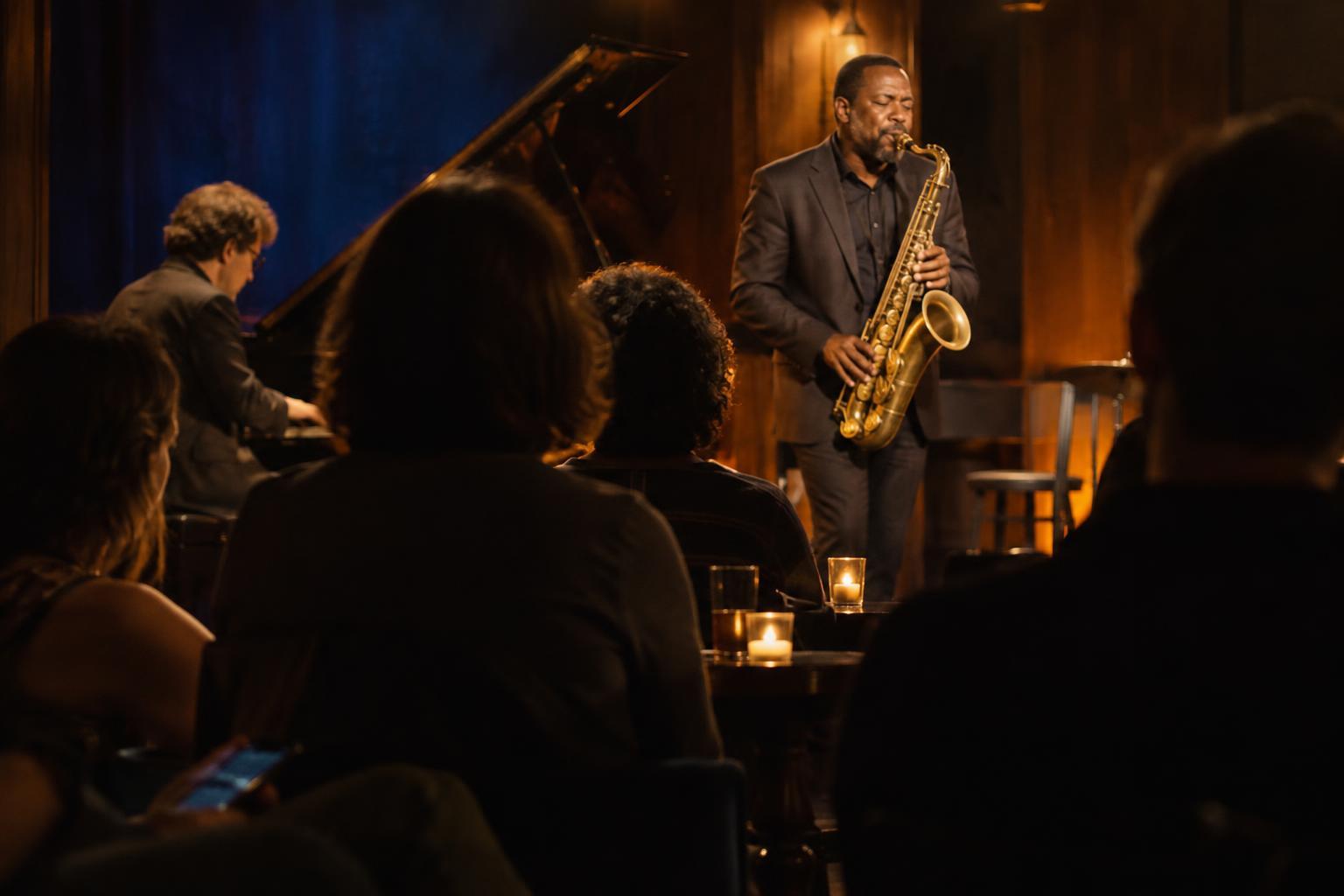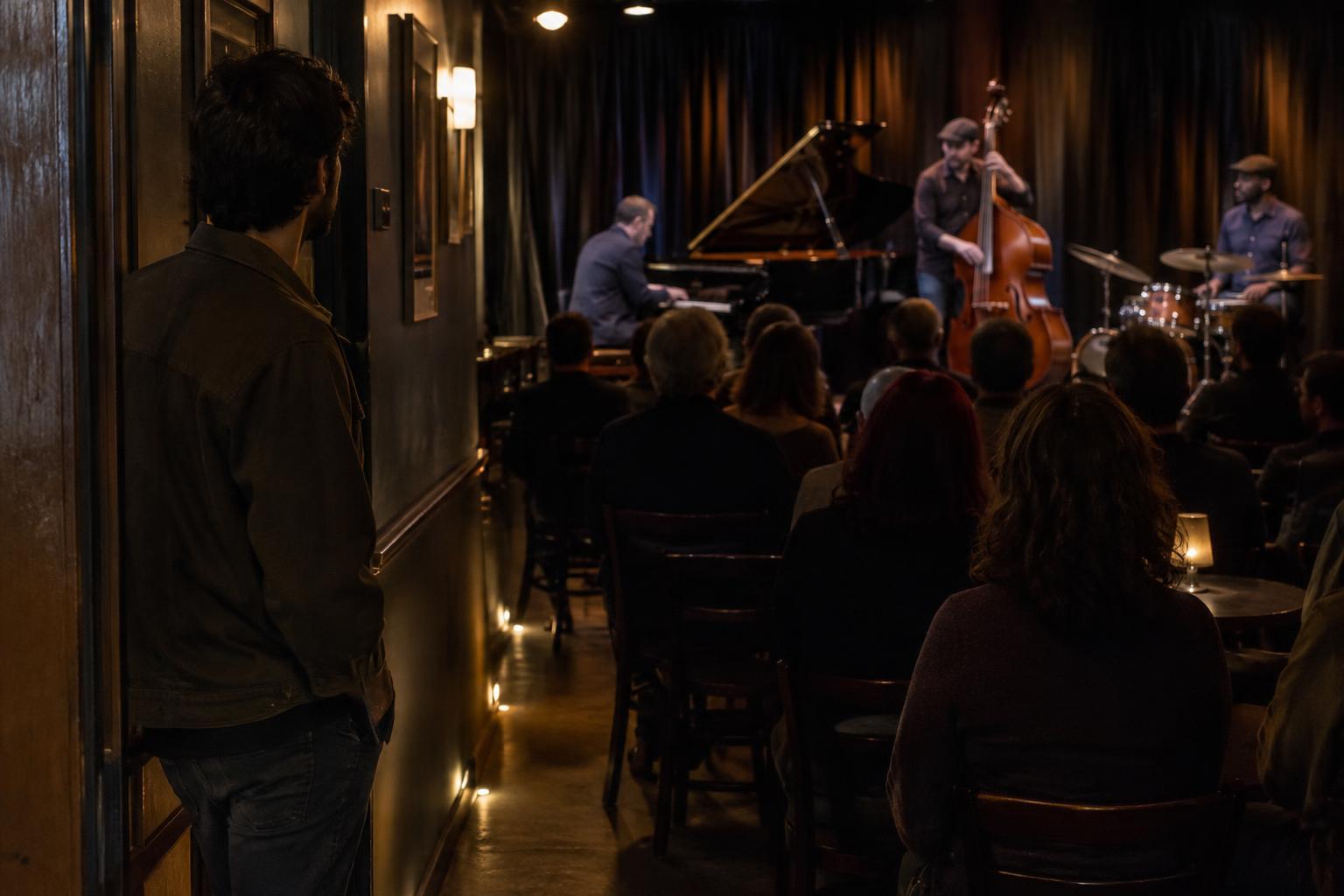
Start with the venue, not a fixed rule
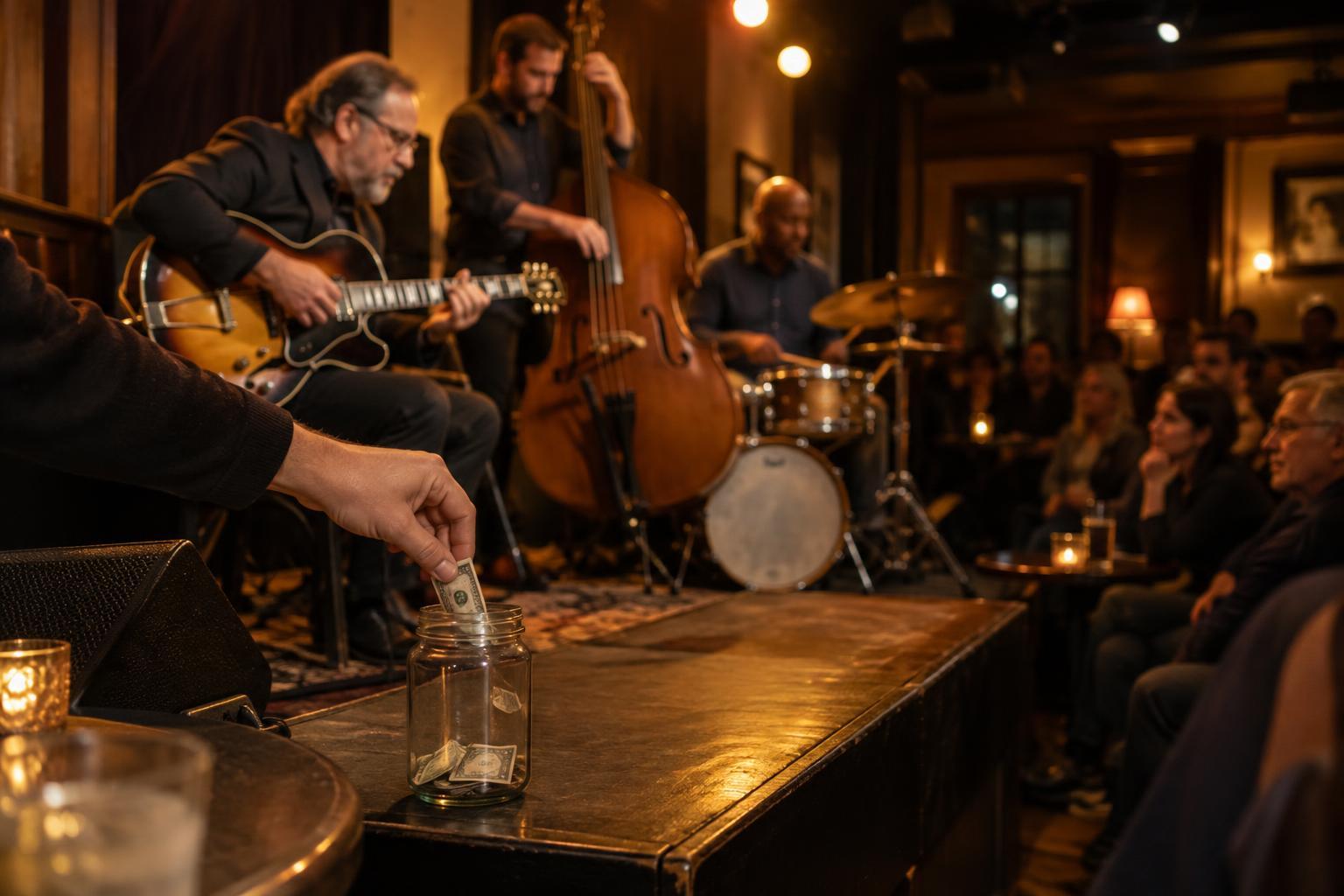
Tipping musicians can be a welcome way to show appreciation, but expectations differ by venue, performance and location. A neighborhood bar with a tip jar beside the stage may work differently from a ticketed jazz club or a concert hall. Before reaching for cash, notice how the evening is set up: Is there a cover charge? Are performers inviting tips or displaying a payment sign? Is the music the main event, or one part of a busy bar service?
Paying for admission supports the event, but it does not necessarily mean every performer receives the same share. Equally, a tip is not automatically expected on top of a ticket. Treat it as an optional expression of thanks unless the venue or performers make a different arrangement clear. If you are unsure, a quiet question to venue staff between sets is better than interrupting the music.
Choose a moment that fits the music
A break between sets or the end of a performance is usually the easiest time to tip. You can place cash in a clearly marked jar, use a payment option the performers have posted, or hand a tip to a musician if they are greeting listeners afterward. There is no need to make a ceremony of it. A brief “Thanks, I enjoyed the set” is enough.
Avoid approaching the stage during a quiet passage, stepping around equipment, or waving money to get a performer’s attention. In intimate blues and jazz rooms, small disruptions travel surprisingly far. If the jar is near the stage and you cannot reach it without disturbing others, wait for applause or a break. When there is no obvious way to tip, you can simply listen attentively and show your appreciation at the end.
How much should you give?
There is no amount that works everywhere. Your budget, the local custom, the length of the set and the type of event all matter. A modest tip given freely is better than an amount you feel pressured to spend. If you stay for multiple sets and especially enjoy the music, you might choose to give more; if you cannot tip, you can still be a considerate guest.
When traveling, use a locally accepted payment method rather than assuming an app from home will work. Check that a digital payment sign belongs to the performers before using it, and do not leave foreign currency in a jar unless you know it is useful to them. If you want to support an act further, buying music or merchandise directly from a clearly identified band table may be another option. You do not need to ask individual players how the group divides its tips.
Song requests are a separate courtesy
A tip does not purchase control of the set. Some bar bands welcome requests, while others have prepared a program or are improvising around a particular mood. Listen for an invitation before asking. If requests are welcome, keep yours brief, ask during a pause and be ready to hear no. Offering a tip with a request can be polite, but avoid treating it as a demand for an immediate performance.
The same principle applies to conversation. Musicians may enjoy meeting listeners after a set, but they may also be packing equipment, coordinating with staff or preparing to play again. Let them set the pace. A sincere comment about what you enjoyed is often more meaningful than a long interruption, whether or not you have tipped.
Support the room as well as the performers
Good live-music etiquette goes beyond the tip jar. Keep conversation low when people are listening, follow the venue’s recording policy and avoid blocking sightlines while taking photos. Pay any stated cover charge rather than trying to substitute a musician tip for admission. And remember that a gratuity for bar or table service is generally separate from a tip intended for the band; follow local practice for each.
The simplest approach is to observe, ask when necessary and give within your means. If tips are invited and you enjoyed the performance, contribute in a way that does not interrupt it. If they are not invited, attentive listening and a genuine thank-you are still valuable parts of a good night out.