Start by reading the kind of show
A song request is not automatically rude, but it is not automatically welcome either. At a relaxed bar set, a musician might invite the room to suggest a tune. At a ticketed concert built around an album, a composed program or a particular artistic direction, requests may feel like an interruption. The useful question is not simply “Do I know a song they could play?” It is “Have the performers left space for the audience to help shape this set?”
Look for clear cues. An invitation from the stage is the easiest one. A request-friendly atmosphere might also include a performer taking suggestions between numbers or a venue that has explained how to submit them. If you are unsure, listen first. A set may have a deliberate pace, and even familiar songs can require a lineup, arrangement or instrument the musicians do not have ready that night.
Choose the moment, then ask once
The best time to make a request is when the performer has invited one. Otherwise, a natural pause between songs is less disruptive than calling out over a verse, solo or introduction. Keep the request brief and easy to decline: “If it fits the set, would you consider playing this?” Asking is different from demanding, and the difference is audible to everyone nearby.
Do not keep repeating a title because the band has not responded. Musicians may not have heard you, or they may have heard you and chosen to continue. Either way, the set belongs to them. If a venue offers a written request card or another stated method, use that instead of approaching the stage. Avoid interrupting performers during a break unless they have made it clear that they are happy to chat.
Make a request the musicians can use
A useful suggestion suits what is happening onstage. If a group is playing blues standards and has opened the floor to requests, naming a tune they may know gives them room to decide. Asking a solo performer to reproduce a full-band recording, or asking a jazz group to abandon a quiet set for a novelty song, puts unnecessary pressure on them. Even a song they have played before may not suit tonight’s personnel or mood.
It also helps to distinguish between asking for a song and asking for a performance of it in a specific way. Musicians may change a key, tempo, arrangement or length to fit the set. If they take up your suggestion, let them make it their own. If they offer a different tune by the same artist or in a similar style, treat that as a generous response rather than a failed order.
Respect the rest of the room
A live show is shared time. Calling repeatedly from the back can block another listener’s view of a quiet moment, even if the request itself is friendly. At smaller shows, one voice can change the mood of the room. Notice whether people are listening closely, talking casually or dancing, and avoid making your interaction with the stage the center of everyone else’s evening.
Be especially careful with requests for songs tied to grief, identity or a particular community’s traditions. A performer may have personal reasons for not playing a piece, and no one owes the room an explanation. Requests for tributes or dedications can also ask musicians to carry an emotional moment they did not agree to lead. If the answer is no, or there is no answer at all, let it rest.
Let appreciation be appreciation
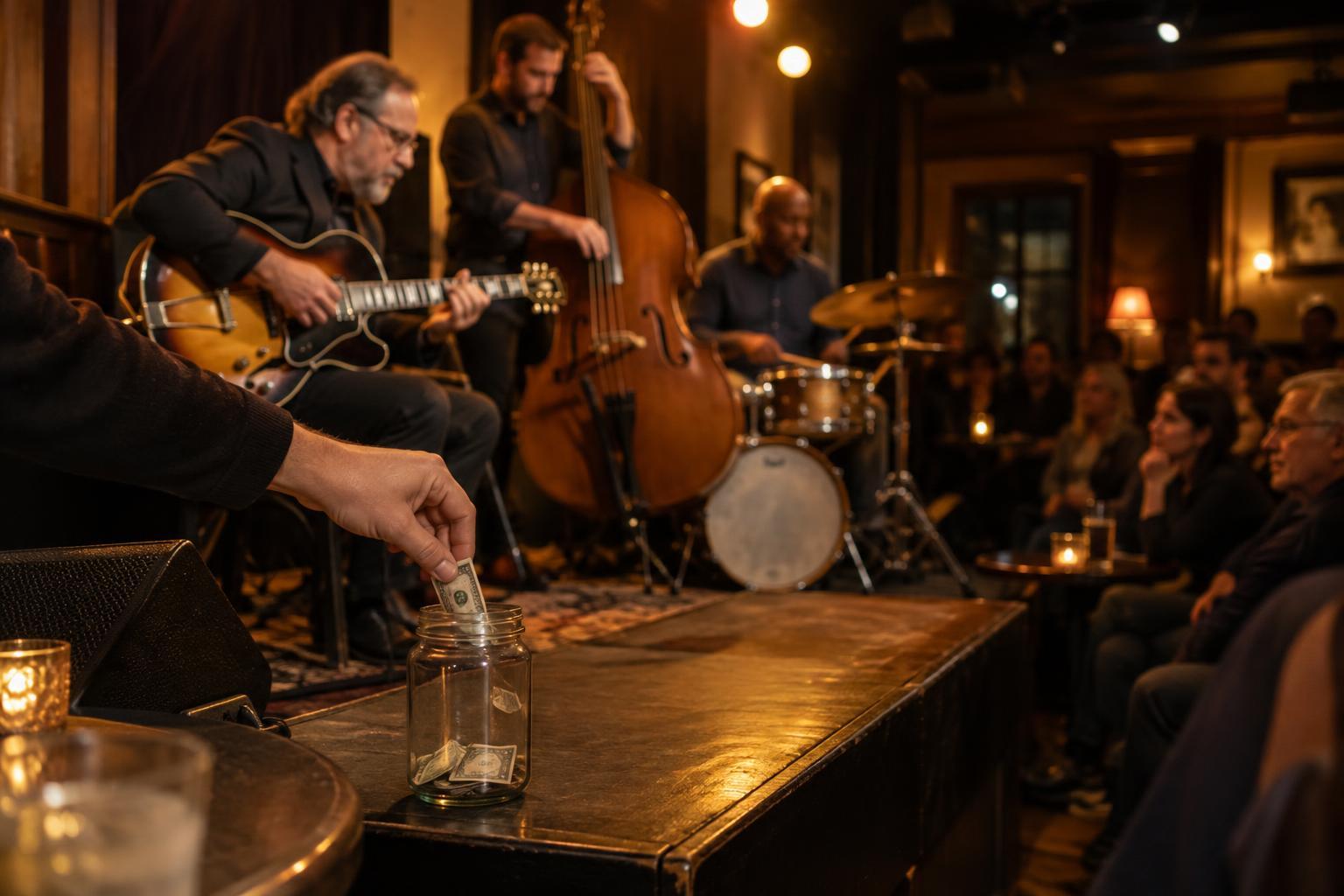
Applause, attentive listening and a kind word after the show are reliable ways to show enthusiasm. If tips are customary and you choose to leave one, give it in appreciation of the performance rather than as a way to purchase a place in the set list. A tip with a request may be welcome in some settings, but it should never imply that the musician must comply.
When a performer does invite requests, joining in can be part of the pleasure of live music. The exchange works best when the suggestion is brief, the timing is considerate and the response is left entirely up to the people playing. Sometimes your song will make the set. Other times, holding back and hearing what the musicians chose to share will be the better experience.