Start with the people, not a single birthplace
New Orleans is central to the story of jazz, but its musical heritage is not contained in one building or a neat origin tale. Jazz grew through the work of Black musicians and communities, alongside many other influences, in a city where parades, dances, churches, homes and gathering places all shaped musical life. A useful question for a visitor is not simply “Where did jazz begin?” but “Who made music here, where could they play, and how did that music travel?”
Before building an itinerary, listen to a range of New Orleans artists and styles rather than one recording presented as definitive. Notice the conversation between instruments, the shifting pulse and the space musicians leave one another. That habit of listening carries into the city: it makes a small ensemble, a brass band or a singer in an intimate room more than background sound for a trip.
Read the city as a living musical landscape
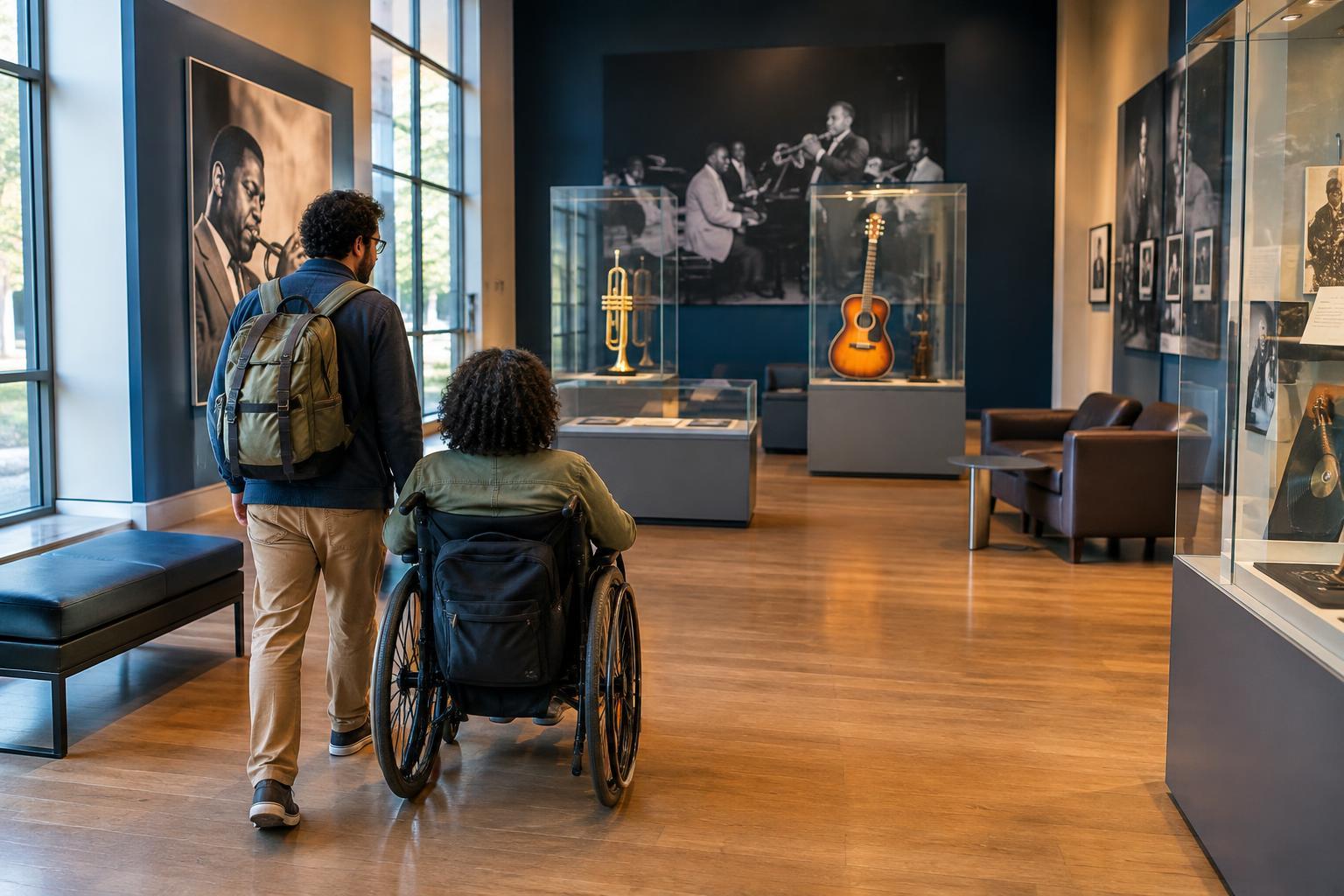
The French Quarter offers accessible performances and familiar imagery, but it is only one part of the story. Tremé is important to Black cultural history and New Orleans music; Congo Square, within Louis Armstrong Park, is a place to approach with attention to its history rather than as a quick photo stop. Public markers, museums and cultural organizations can provide context, though their hours, programs and access may change. Check practical details before visiting and make room to follow what you learn.
Walking between sites can reveal as much about the limits of a travel itinerary as about the music itself. A neighborhood is a place where people live, not an open-air exhibit. Keep residential streets quiet, respect private property and avoid treating a passing celebration as a performance arranged for visitors. If a local guide offers a music-history walk, look for one that credits musicians and communities, explains its approach and allows time for questions.
Choose live music with care
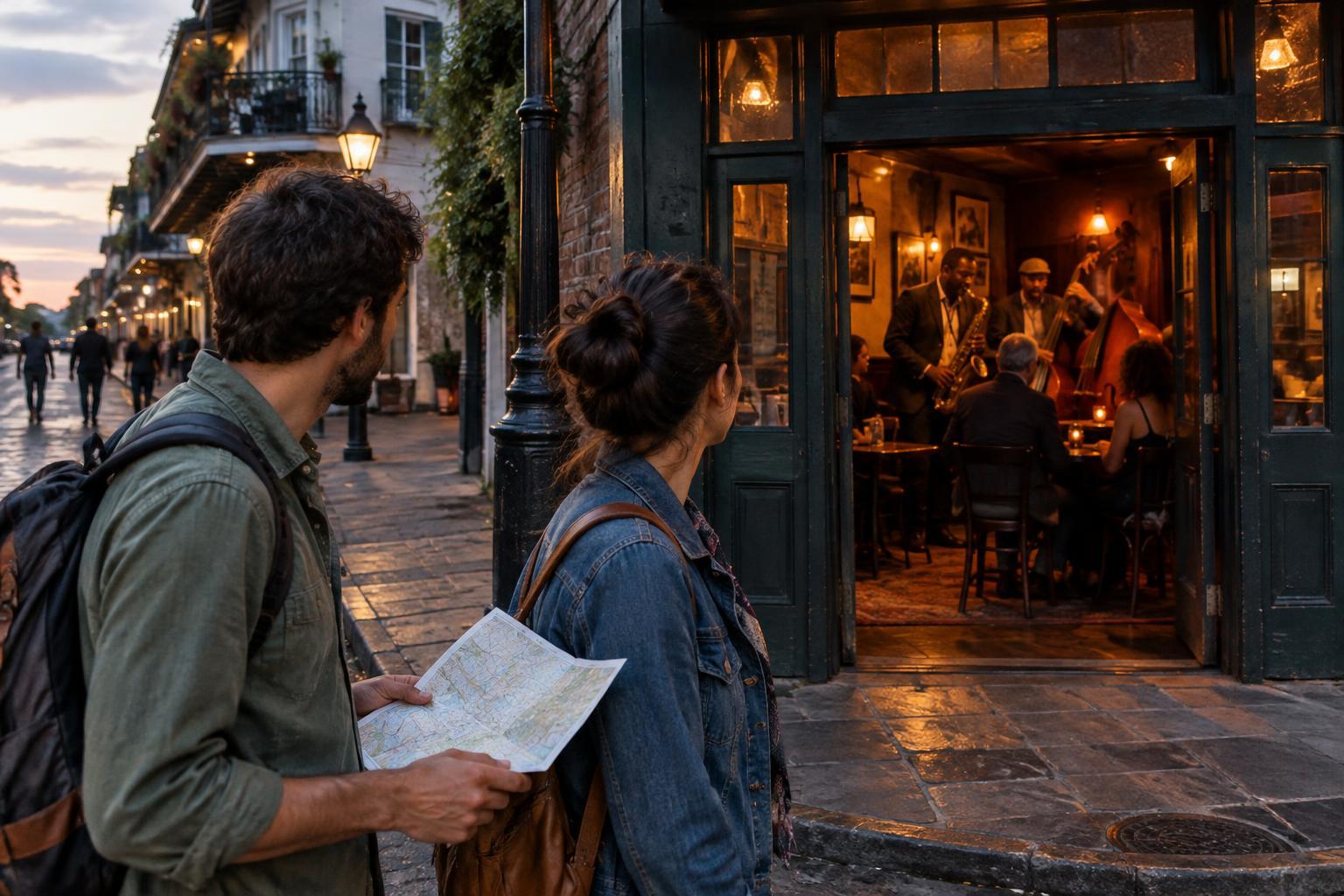
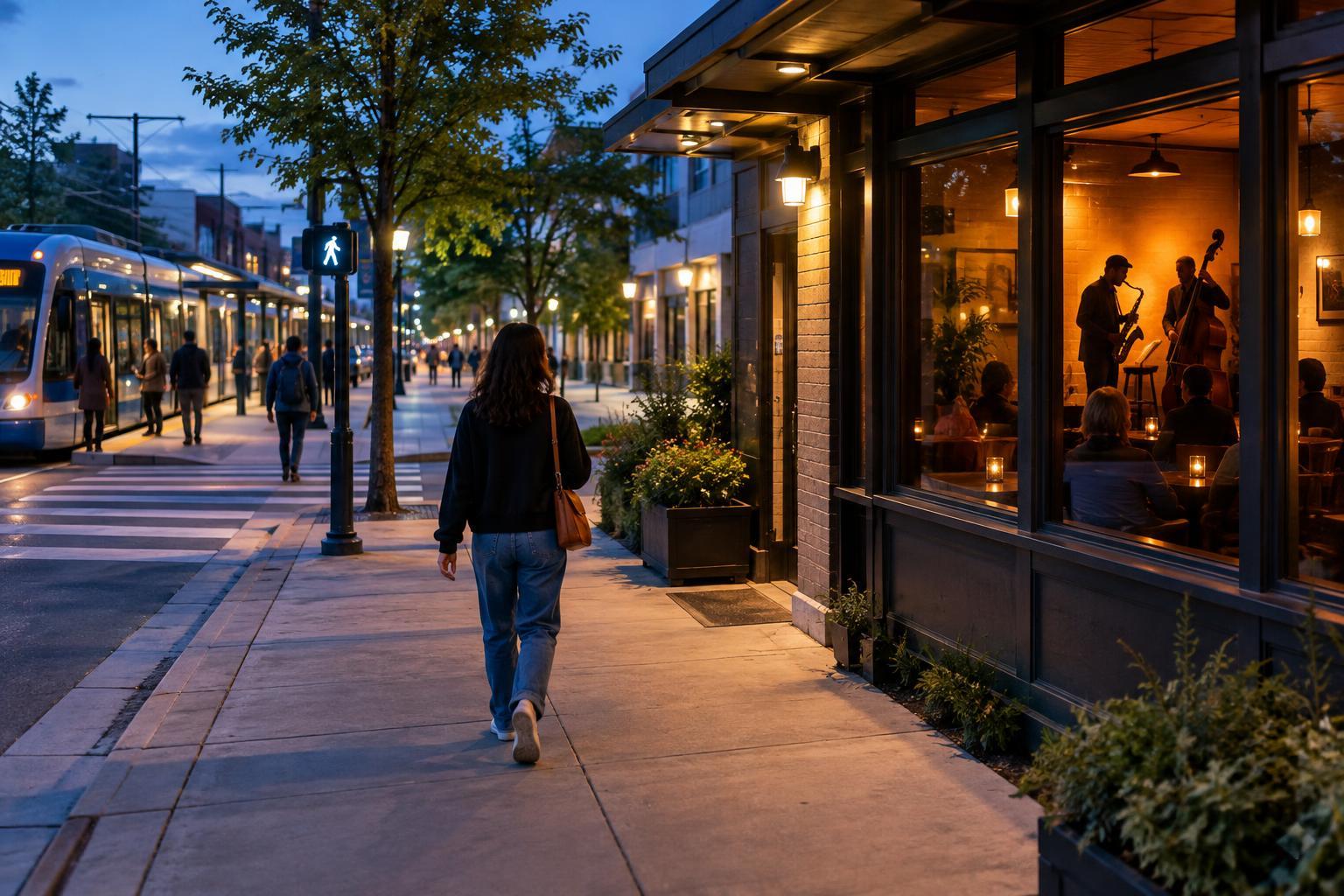
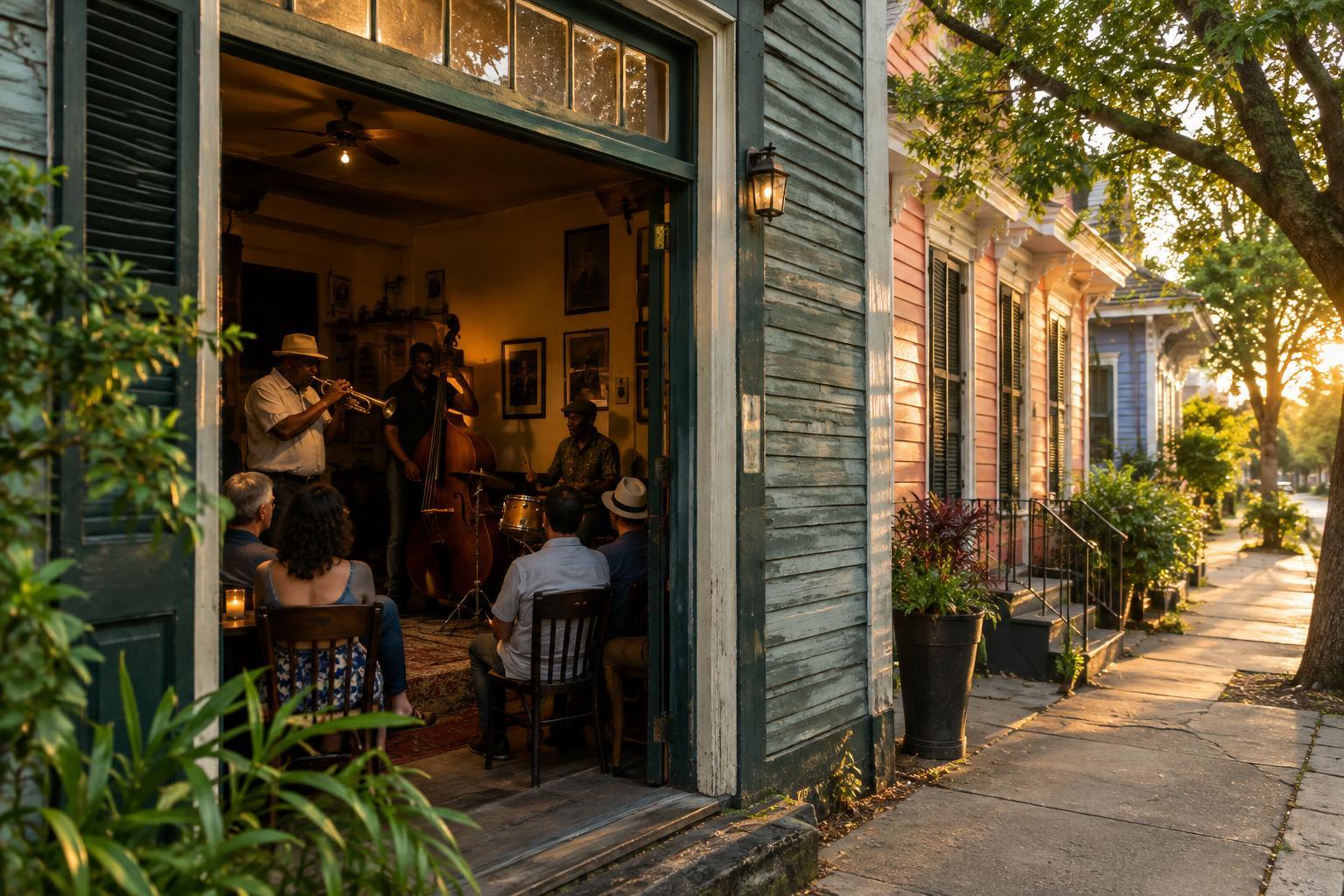
A well-known venue can provide a memorable introduction, but smaller rooms may offer a different kind of attention: you can hear how players respond to one another and how a set changes with the audience. Rather than searching only for a promised “authentic” experience, read a venue’s description, check who is playing and choose music you are curious to hear. Jazz in New Orleans is not confined to an old sound; living musicians interpret, combine and challenge traditions.
Venue etiquette is part of the experience. Arrive ready to listen, keep conversation low during a set and follow house rules about photos and recording. If there is a cover charge or a suggested contribution, treat it as support for the performance, not an obstacle to bypass. Buying music or merchandise directly from an artist, when available, can be another way to carry the encounter beyond the night. Plans can change, so verify schedules with venues rather than relying on an old travel list.
Understand parades without claiming them
Brass bands and social aid and pleasure club traditions are often part of how visitors imagine New Orleans. A second line can be joyful and welcoming to observe, but it is also a community occasion with participants, organizers and a purpose beyond entertaining passersby. Customs differ by event. Watch for cues, give musicians and marchers room, and ask before taking close photographs of individuals. Never step into the path of a procession just to get a better view.
The same care matters when learning about jazz funerals and other ceremonies. Music may be present, but that does not make a private or solemn occasion a tourist attraction. Seek interpretation from community-led programs, exhibits or published accounts rather than inserting yourself into an event you do not understand. Respectful curiosity means accepting that some meaningful parts of a city’s musical life are not yours to enter.
Leave with a deeper listening practice
Build a visit around a few experiences you can absorb instead of trying to collect every landmark and performance. Pair a historical stop with time to reflect on what it explains and what it leaves out. Hear different ensemble sizes if the opportunity arises. Ask musicians about recordings or upcoming work when conversation is appropriate, but do not expect them to provide a free history lesson between sets.
After the trip, return to the music. Look up the artists you heard, follow the styles that surprised you and note whose names appeared repeatedly in the places you visited. New Orleans jazz heritage is not a finished display to be checked off a list. Approaching it as an ongoing exchange—between musicians, neighbors, listeners and the city—makes travel more rewarding without asking the city to perform a simplified version of itself.