Choose a theme before choosing stops
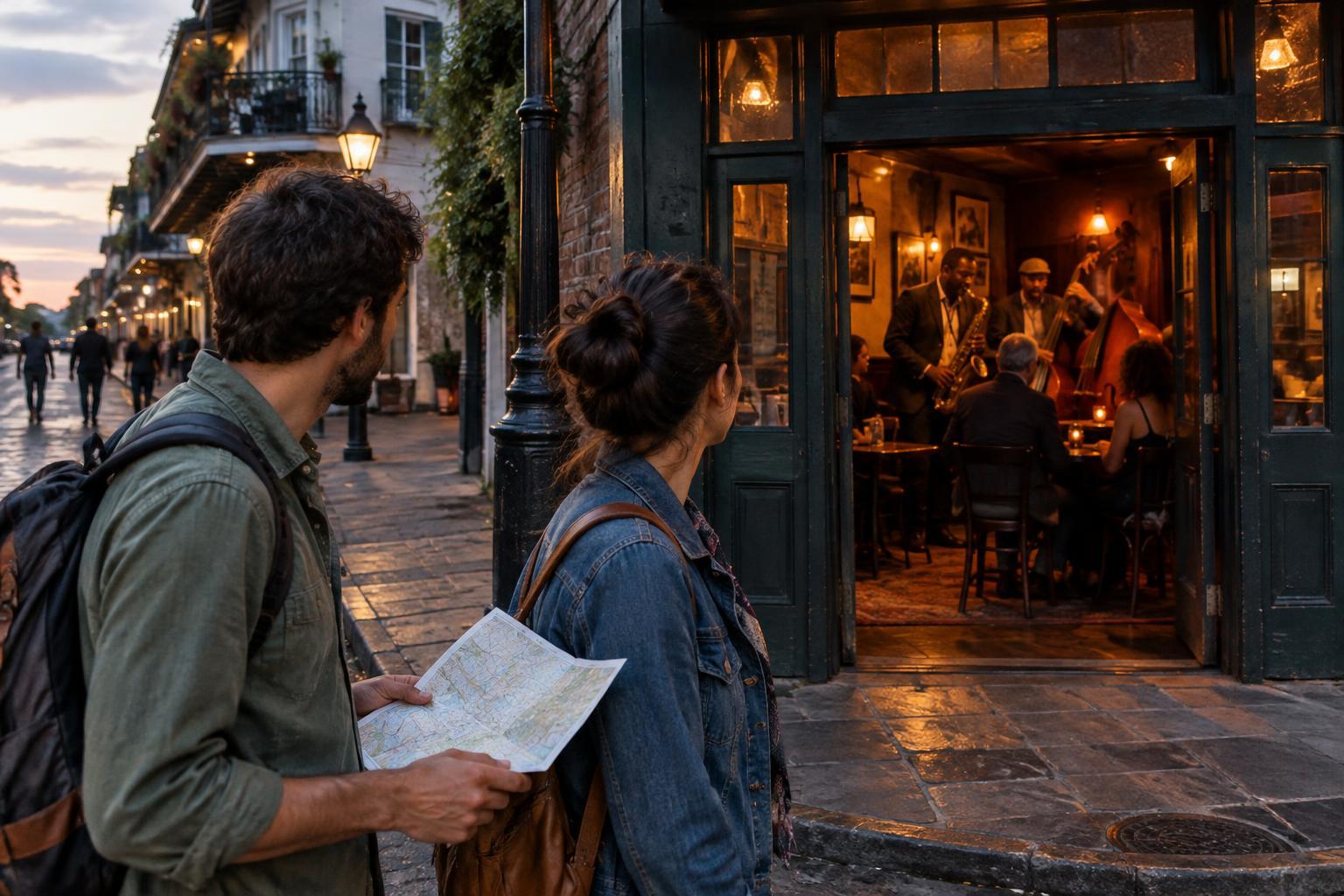
A multi-city blues trip can quickly become a list of venues to reach and trains or flights to catch. Start instead with what you want to hear and learn. You might be drawn to intimate club performances, regional guitar styles, the relationship between blues and jazz, or places where live music is part of a wider neighborhood experience. A theme gives you a reason to choose some stops and leave others for another trip.
Pick a small number of cities that make sense together geographically, then ask what each would add to the journey. Avoid adding a stop solely because it is famous. If reaching it consumes most of a day and leaves only one tired evening there, you may get more from staying longer elsewhere. Two or three cities with time to settle in can feel richer than a longer itinerary spent mostly in transit.
Give each city more than one kind of day
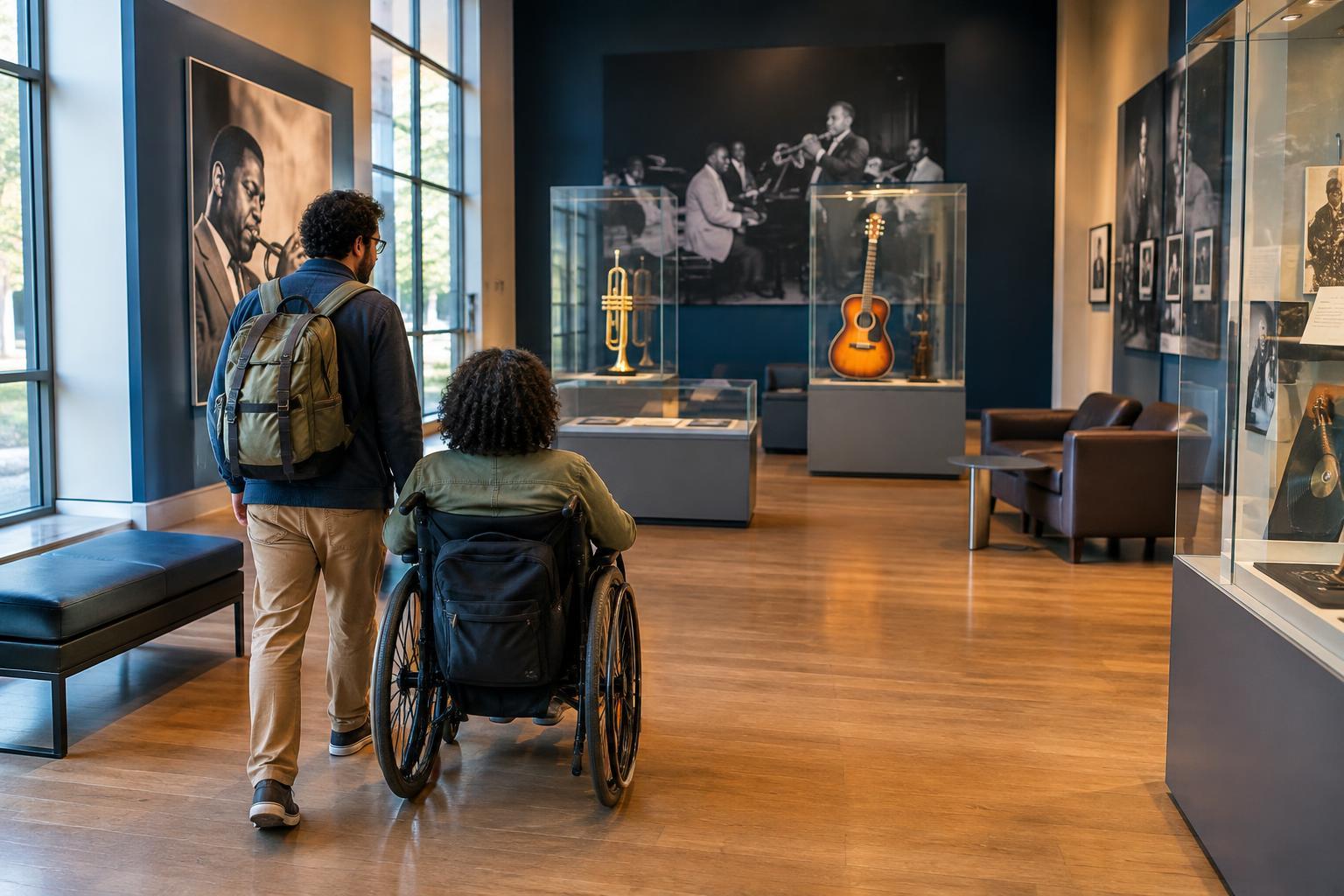
Live music usually belongs to the evening, but a good music trip needs daylight hours too. Allow time to walk around, browse record shops where they exist, visit museums or cultural spaces that interest you, and eat without watching the clock. These experiences help you encounter a city as a place people live, rather than as a backdrop for a performance.
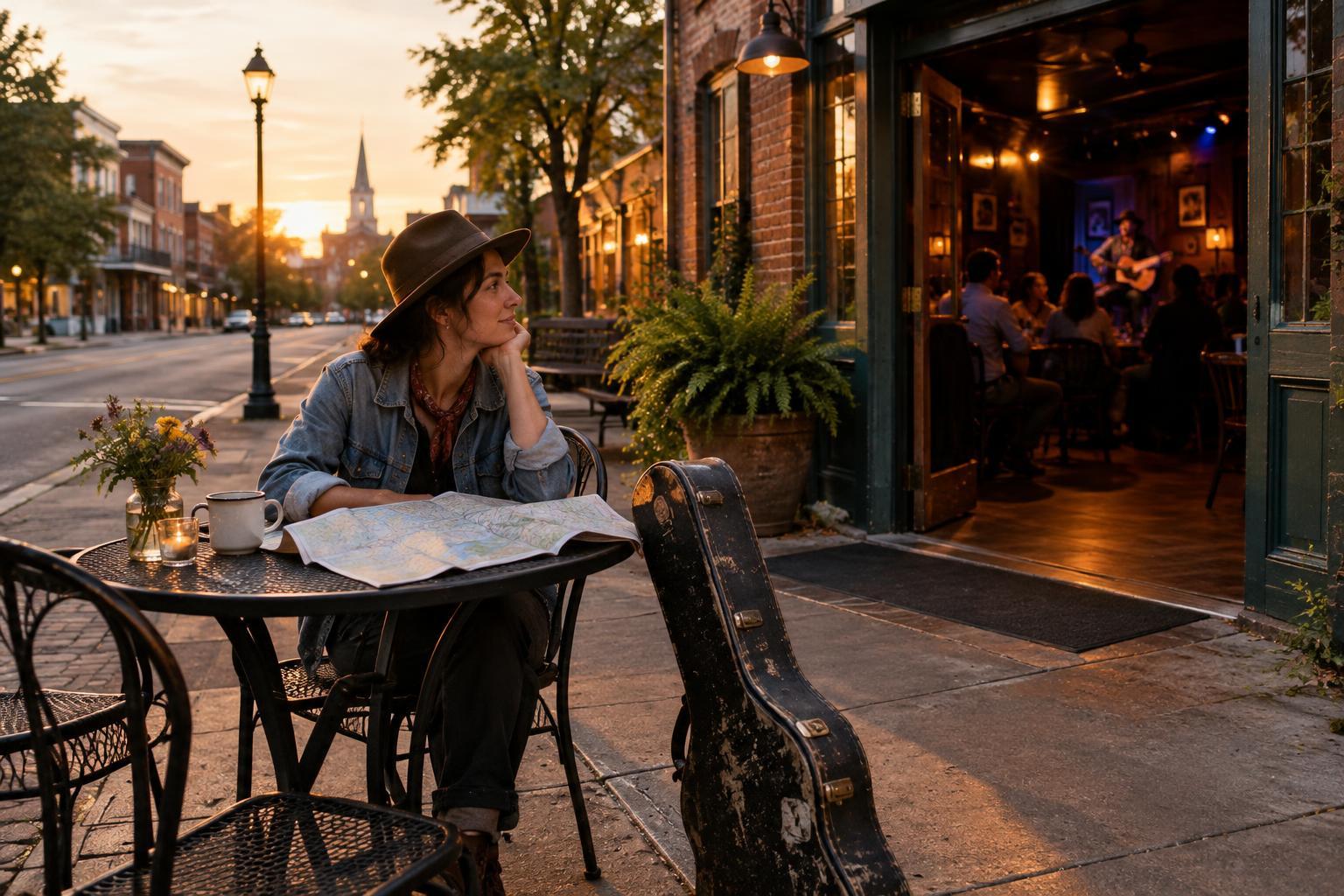
Try giving each stop an arrival day, at least one full day, and a departure day that is not packed with plans. An arrival evening might be right for a nearby venue, but it should not carry the weight of your entire visit. If a show is important to you, schedule it after you have had a chance to rest and orient yourself. Leave another evening open in case you discover a smaller room or simply want to return somewhere you enjoyed.
Treat travel days as part of the itinerary
A route that looks tidy on a map may be tiring in practice. Getting between cities also means checking out, reaching a station or airport, waiting, finding your next lodging and getting familiar with a new neighborhood. Estimate the door-to-door journey, not just the time printed on a ticket. Where possible, choose transport that lets you arrive with enough energy to enjoy the evening.
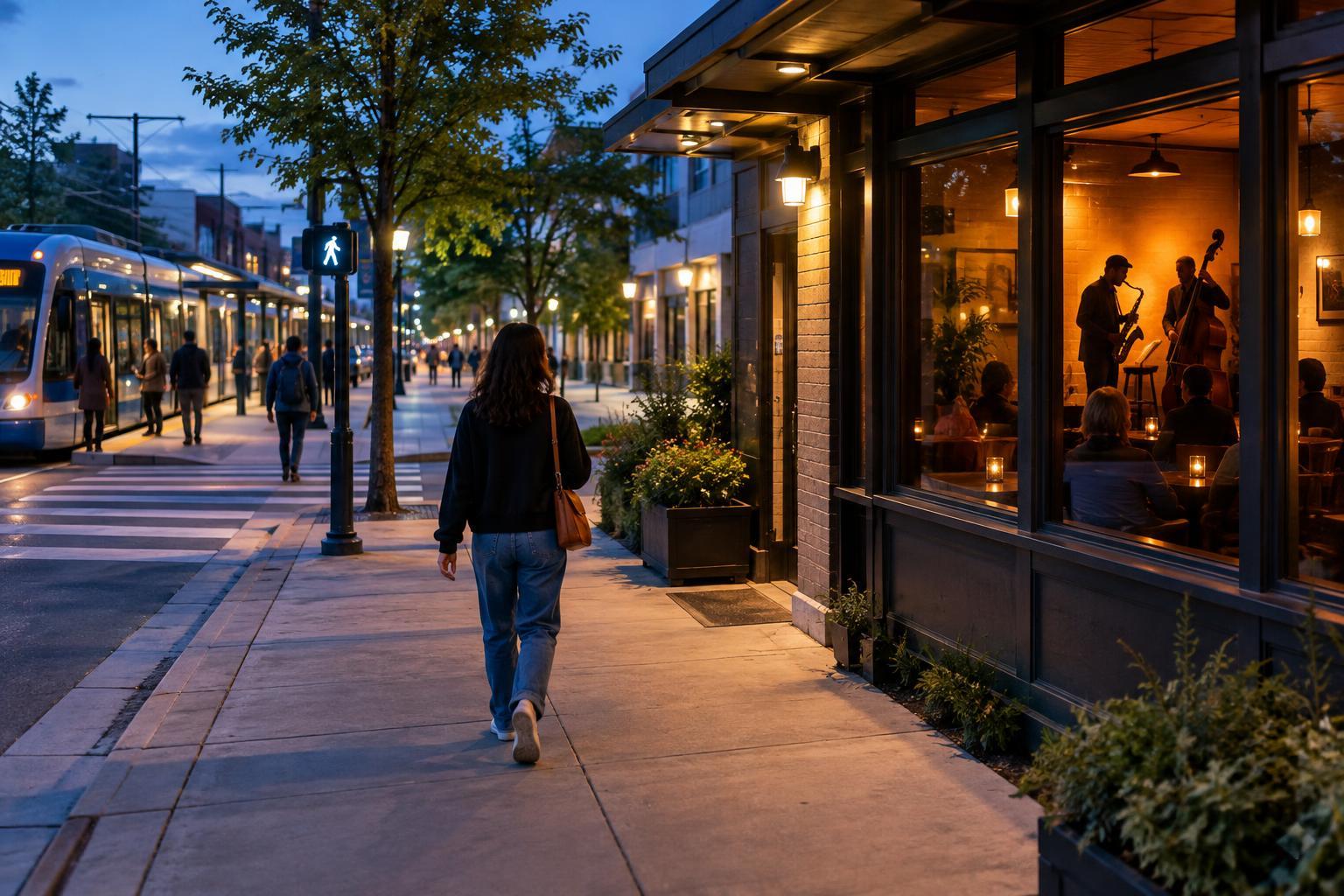
Build in margins around transfers and avoid placing a must-see performance immediately after a complicated journey. It can help to group lodging, meals and venues within an area you can navigate comfortably at night. Before booking, check practical details such as arrival times, local transport options and venue accessibility if you need it. A less ambitious route often creates more opportunities to listen closely.
Make a music shortlist, not a rigid schedule
For each city, note a few venues or types of performance that appeal to you, then verify their schedules and entry details through their own current information when you are ready to travel. Regular programming can change, and a venue that suits one night may offer something quite different on another. Keep a backup option rather than building the trip around an unconfirmed listing.
Balance planned nights with room for curiosity. One evening might be reserved for a performance you especially want to hear; another could be left open for a recommendation from someone local or a quiet night in. If you visit a small venue, check its expectations for reservations, cover charges, minimum purchases and photography. Arriving on time, paying attention during the set and keeping conversation low are simple ways to be a welcome guest.
Leave room to remember what you heard
After several nights of music, performances can blur together. Give yourself a little space the next morning to note a musician’s name, a song you want to look up later, or what made a room feel distinctive. You do not need to document every moment. A few personal observations can make the trip easier to remember than a crowded schedule of stops.
The aim is not to complete a definitive blues route. Music traditions are wider than any itinerary, and each city offers more than a visitor can cover in a few days. Plan around your energy, budget and interests, then let the trip breathe. Staying long enough to return to a neighborhood, hear an unexpected set or spend an evening resting is not time lost; it is part of traveling well.