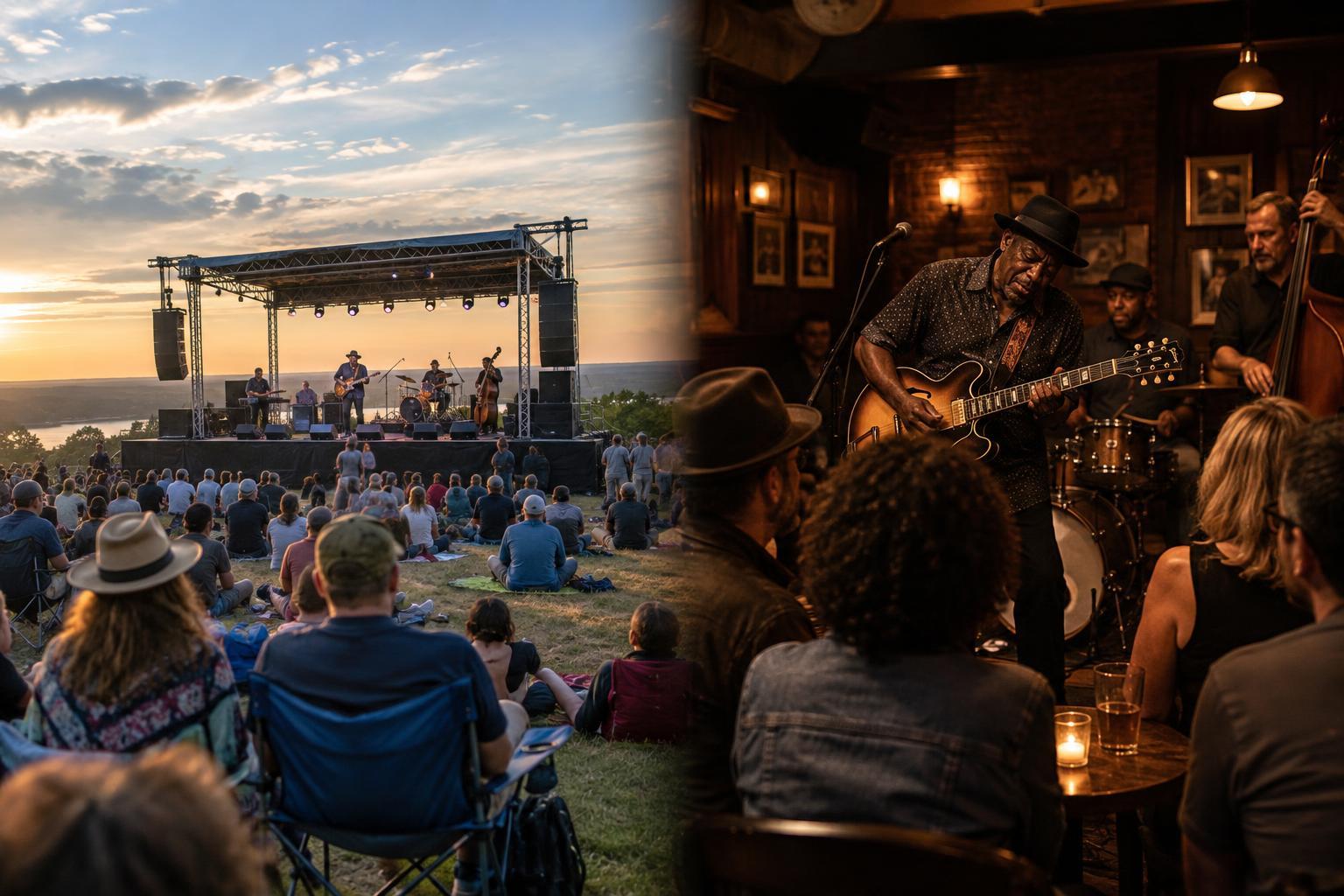
Two ways to share a stage
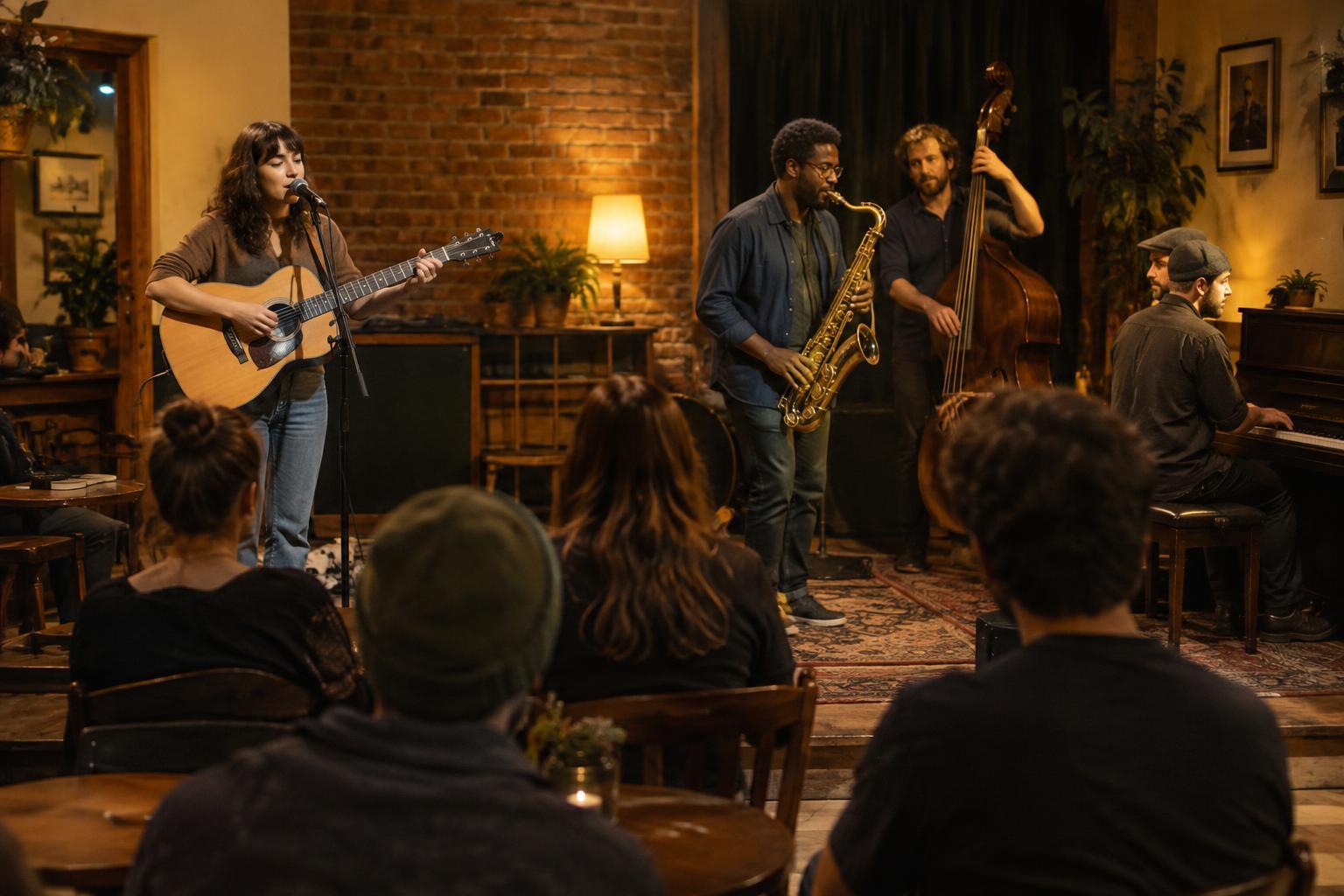
An open mic usually gives individuals or small groups a short turn to present something they have prepared. A host may keep a sign-up list, introduce each act and set a time limit so more people can perform. The lineup might include singers, instrumentalists or spoken-word performers, depending on the venue. Even at a blues-focused night, you may hear original songs alongside familiar standards.
A jam session is more centered on musicians playing together, sometimes for the first time. A host or house band may start the night, then invite other players to join for particular tunes. In a blues or jazz setting, performers might agree on a song, key or basic form before beginning and leave room for solos. The distinction is not rigid: an open mic may end with a group number, and a jam may give a singer a featured turn. The venue’s own description is the best guide to its format.
What an open mic feels like from the audience
An open mic often resembles a series of miniature sets. One performer may bring a carefully rehearsed song; the next may be trying new material in public. That variety is part of the appeal. Rather than expecting every act to sound alike, listen for what each person has chosen to share: a lyric, an unusual arrangement or a distinctive approach to a familiar tune.
Transitions can take a little time as performers change places, adjust a microphone or connect an instrument. A supportive room makes those moments easier. Give each act your attention, hold conversations until a break and respond warmly when someone finishes. You do not need to pretend every performance is polished to appreciate the effort of stepping onstage.
What makes a jam session different
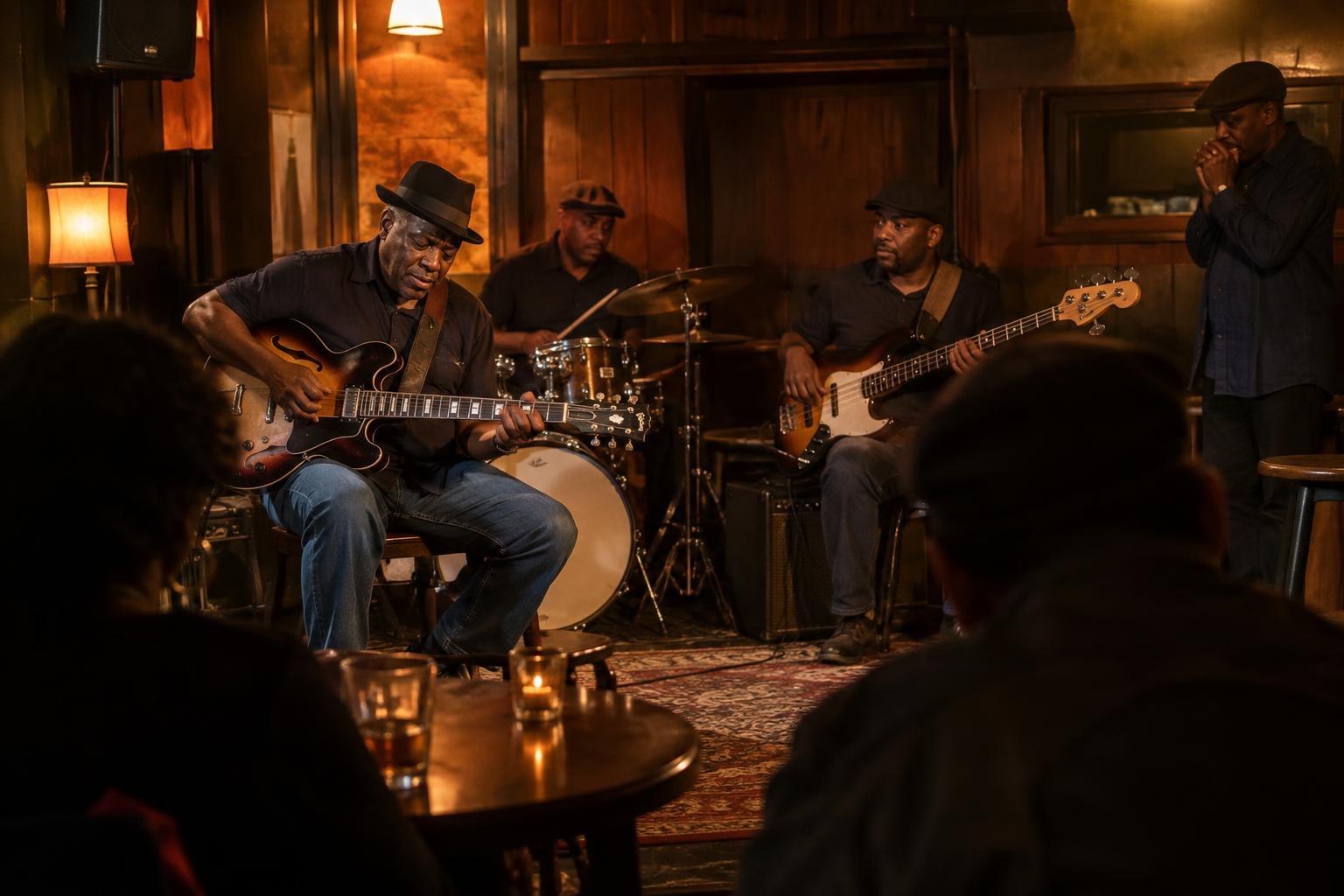
At a jam, the attraction is the conversation between players. A guitarist might answer a singer’s phrase, a drummer might change the feel, or a soloist might take an idea in an unexpected direction. Familiar blues patterns can make it possible for musicians who have not rehearsed together to find common ground. Jazz jams may also draw on tunes the players know, though their choices and approaches can vary widely.
That spontaneity brings uneven moments as well as exciting ones. Musicians may pause to settle on a key, trade places or work out who will take the next solo. Listen for how they recover and respond to one another, not only for flawless execution. The host may also manage who plays and for how long, so a jam is not necessarily an open invitation for anyone to walk up at any moment.
Choosing a night that suits you
Choose an open mic if you enjoy discovering individual voices and hearing a wide range of material in one evening. Choose a jam if you want to watch musicians build music together in real time. Neither format guarantees a particular genre, volume or level of experience. A brief venue description or a question to staff when you arrive can help you understand whether the night is seated, amplified, acoustic or built around a specific style.
If you are visiting an unfamiliar city, leave some flexibility in your plans. Informal music nights can start slowly, change pace or run differently from one venue to another. Arriving near the advertised start gives you a chance to learn the room’s rhythm; staying for more than one or two performers gives the night a fair chance to reveal itself.
How to be part of a good room
The best audience habit at either kind of night is to notice what is happening onstage. Keep phone screens and side conversations unobtrusive, follow any venue rules about recording, and avoid blocking other people’s view. If there is a cover charge or a request to support the venue, treat it as part of the evening rather than assuming informal music is free music.
Applause can acknowledge a finished song, a solo or a moment of connection, depending on the room. Let the performers and regular audience set the tone. An open mic rewards attention to each person’s brief time in the spotlight; a jam rewards attention to the group’s shifting exchange. Both can offer something a tightly planned concert cannot: the pleasure of hearing what happens when people take a chance in front of others.