More than music in the street
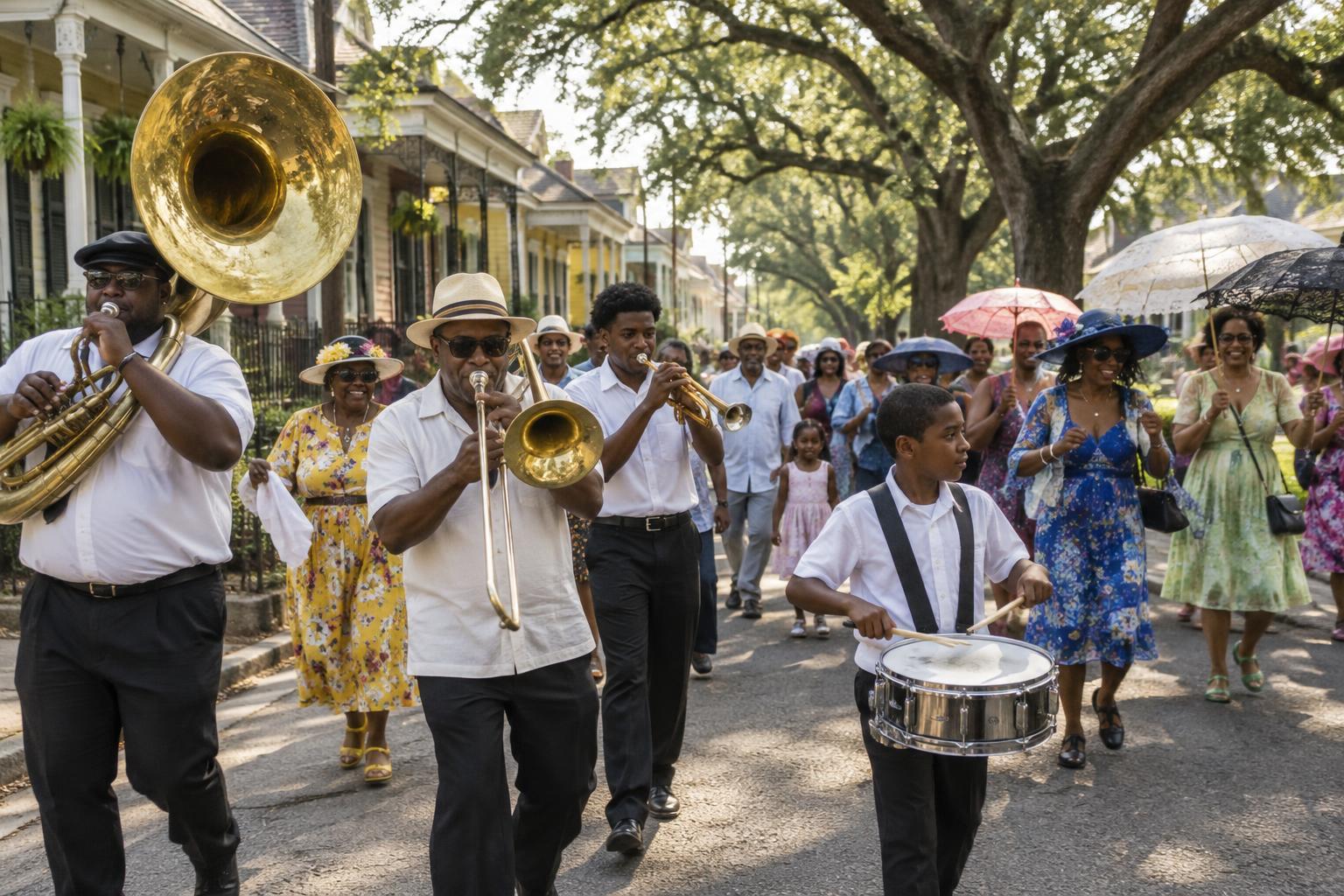
A New Orleans brass band can turn a street into a moving musical space. Horns carry a melody over drums, musicians respond to one another, and people nearby may clap, dance or fall into step. Yet a parade is not simply a concert without a stage. The music often belongs to a larger gathering shaped by neighborhood ties, celebration, remembrance and the work of local organizations.
Social aid and pleasure clubs are central to many of these gatherings. Understanding what the clubs do, and how their parades differ from other processions, makes the music richer to hear. It also helps visitors recognize that the people leading a parade are participating in their own tradition, not performing solely for an audience.
What social aid and pleasure clubs do
Social aid and pleasure clubs grew from traditions of mutual support in Black New Orleans communities. Their members have organized around fellowship and practical help, including support during illness or after a death. Clubs have also made room for celebration, distinctive dress and the shared effort of putting on a parade. Each club has its own identity and practices; no single description captures them all.
In a club parade, members typically form the organized group at the center of the procession. People who join in behind or alongside them are commonly called the second line. The phrase can describe both those participants and the style of street parade itself. The distinction matters: following a parade and dancing to its music is different from belonging to the club that planned and leads it.
How brass bands move a parade
Brass bands provide music that can travel. Trumpets and trombones can project melodic lines outdoors, lower brass can anchor the harmony, and drums can keep a pulse people can walk or dance to. The exact lineup varies. What makes the sound compelling is not a fixed instrument list but the interplay: a familiar tune may be reshaped by rhythmic accents, a horn response or a shift in intensity as the procession moves.
Listening while walking reveals things a recording may hide. Musicians adjust to the pace of the group and the energy around them. Dancers answer rhythms with their bodies; a crowd may sing along or give the band space to push forward. Some performances draw on older marches and songs, while others bring in sounds familiar from funk, jazz and popular music. The tradition continues because players and communities keep using it, not because it stays unchanged.
Celebration, mourning and different kinds of procession
Brass band music is also associated with New Orleans funeral traditions, but a social aid and pleasure club’s celebratory parade should not automatically be called a jazz funeral. A funeral procession centers on honoring a person who has died and follows the wishes of those closest to them. A club parade may honor people and histories too, while having a different purpose and structure.
In accounts of jazz funerals, listeners often hear about a change from solemn music to more exuberant playing. That pattern offers a way to understand music’s role in expressing grief and continued life, but it is not a script every family or procession follows. Watching carefully rather than assuming what an event means is a better starting point.
Listening and visiting with respect
If you encounter a public second-line parade, let its organizers and participants set the pace. Leave a clear path for club members, musicians and people working with the procession. Before taking close photographs, especially of mourners or children, consider whether asking permission is appropriate. Do not step into the organized group just to get a better view. You can appreciate the music without making yourself the center of the occasion.
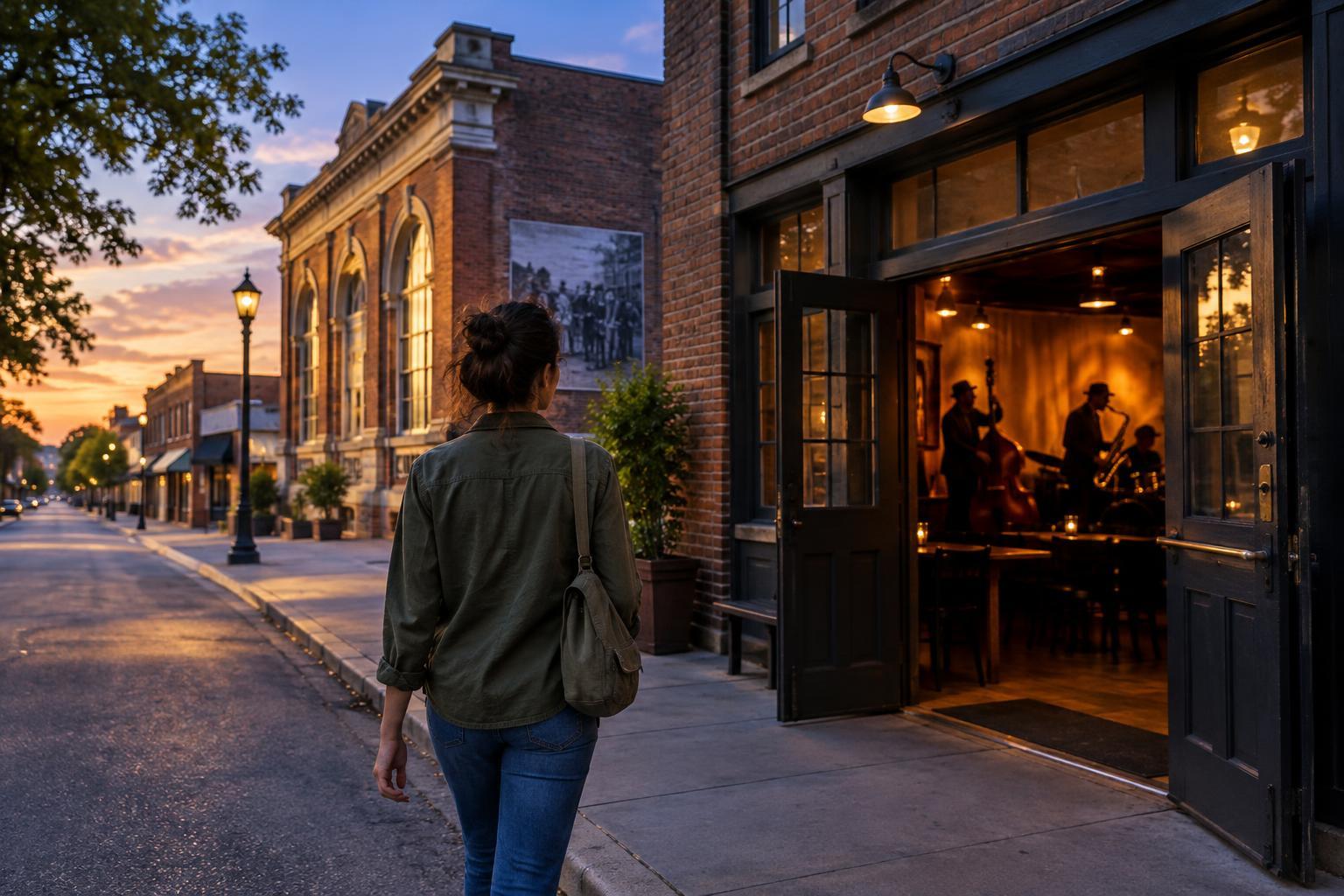
A useful way to listen is to notice relationships as much as repertoire: who leads, how the band responds to movement, and how people around it make the rhythm their own. A venue performance can introduce you to brass band sounds, while a parade shows how music works within a social setting. Both can be memorable, but neither stands in for the whole tradition. The clubs, musicians and neighborhoods that sustain it deserve attention beyond a single song or photograph.