Start with the music you most want to hear
A music trip can become expensive when every promising performance feels essential. Before looking at tickets, decide what would make the journey worthwhile. You might want to hear a blues band in a small room, explore a city’s jazz venues, or spend time in a neighborhood where music is part of everyday life. Choose one or two priorities and treat other performances as possibilities rather than obligations.
Set a total amount you are comfortable spending on music-related activities, then divide it into admission, transport and a flexible reserve. Include any minimum purchase, service charge or expected tip when estimating the cost of a night out. A modest reserve helps you respond to a recommendation without committing money needed for the rest of the trip. The aim is not to fill every evening; it is to make the evenings you choose enjoyable.
Compare the full cost of an evening
A low ticket price does not always mean a low-cost night. A venue far from your accommodation may require several fares or a more expensive ride home. Food and drinks can add up, especially if you arrive hungry or plan to stay for several sets. Compare performances by their likely total cost, not admission alone. Check practical details, such as the start time, whether seating is available and how you expect to return afterward.
Give each option a purpose. A higher-priced show may be worth choosing if it features the musician or style that drew you to the destination. A nearby performance with a smaller admission charge may be a better fit on another night. You do not need to rank venues by prestige: consider what you want to hear, how long you can comfortably stay and whether the journey fits your energy as well as your budget.
Use location to make transport work harder
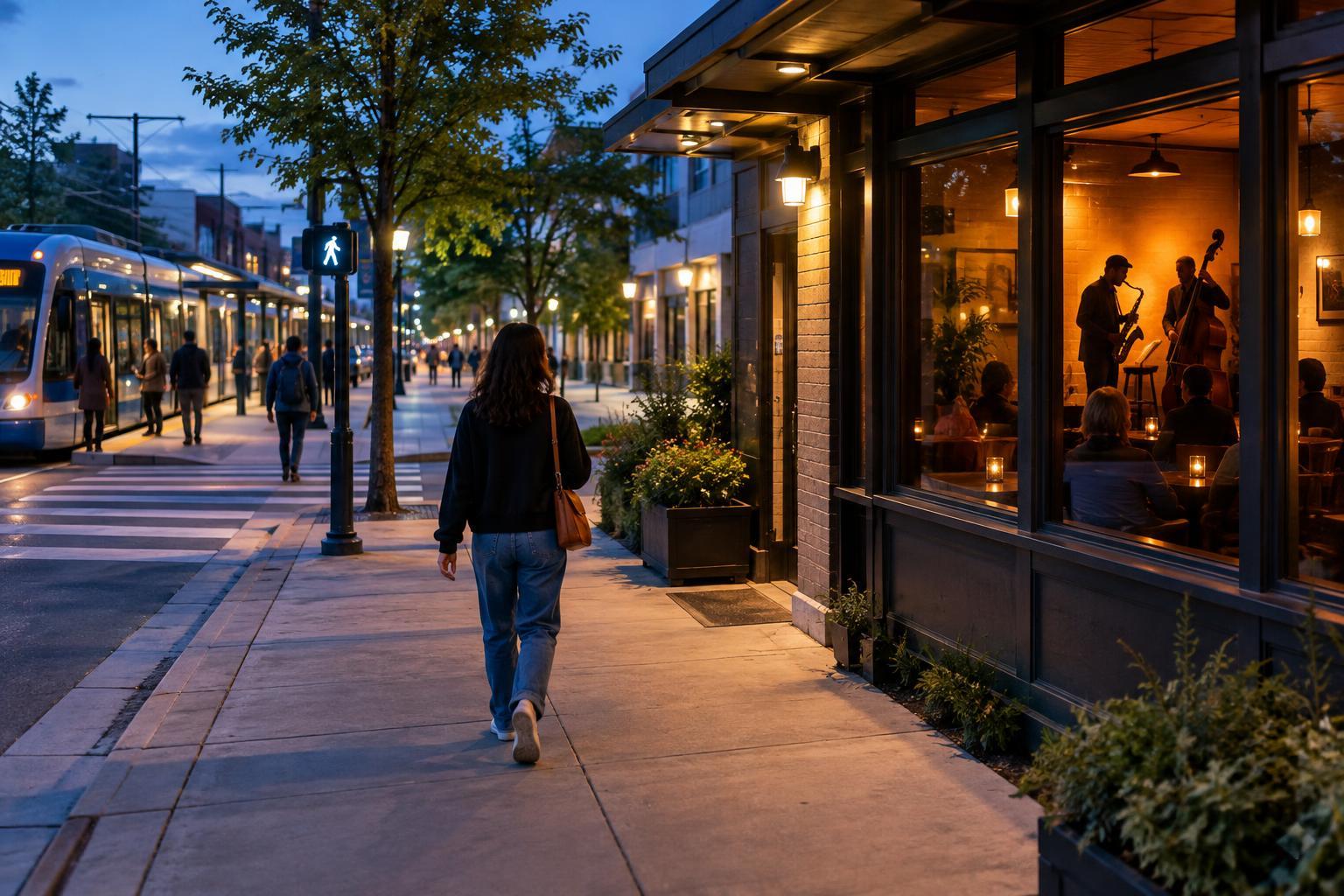
When choosing where to stay, look beyond the nightly room rate. Accommodation near several venues or a useful transit route may reduce the cost and effort of going out. If you have a choice of performances, grouping them by neighborhood can also make a difference. Spend an afternoon exploring the area, have a meal within your planned budget, then head to a show without crossing the city again.
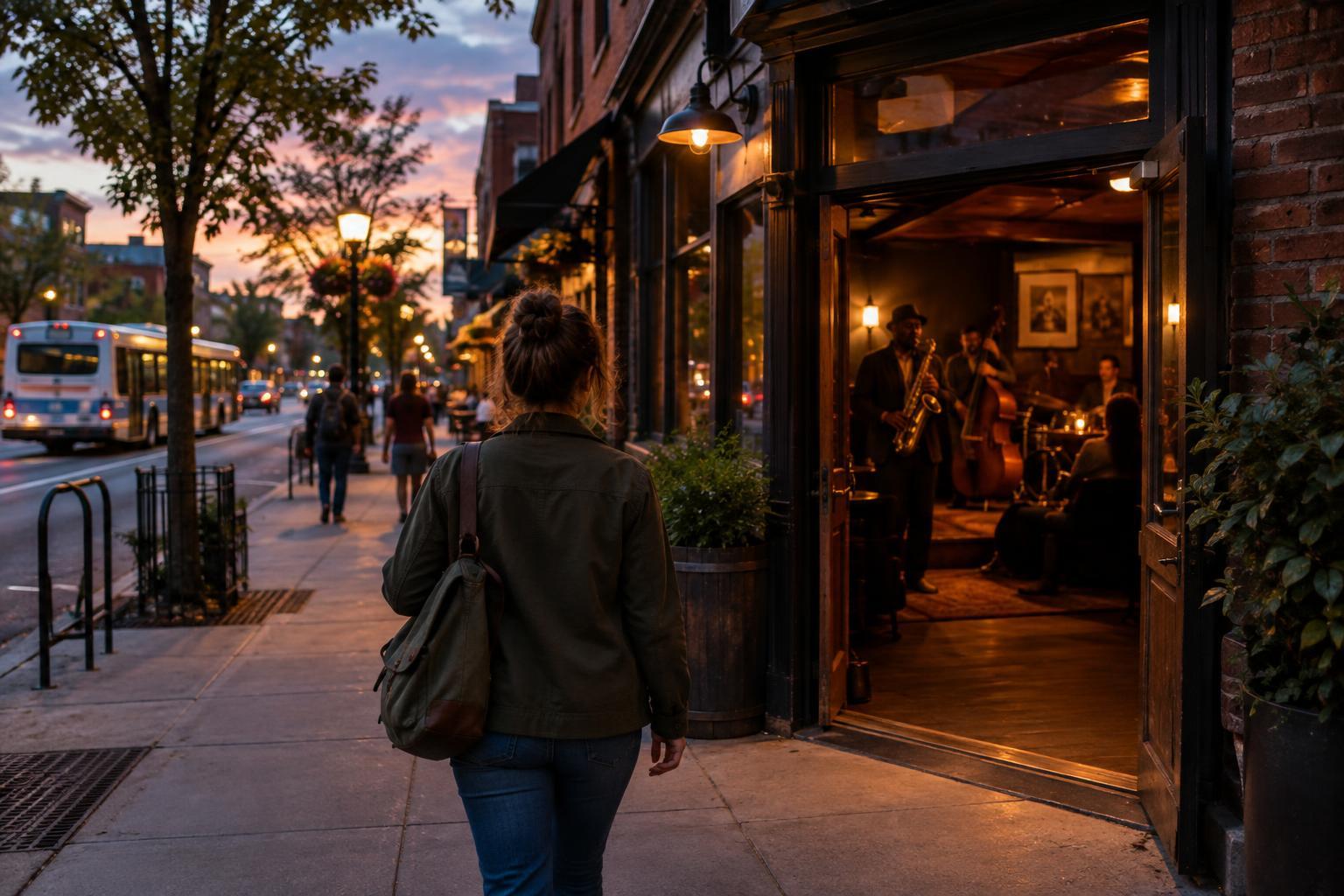
Think through the return trip before you leave. Public transport schedules and venue finishing times may not line up, and a route that feels simple by day can be less convenient late at night. Leave enough money for a practical alternative if your original plan falls through. Walking can be an enjoyable part of music travel, but it should be a deliberate choice based on distance, conditions and your own comfort.
Leave space for music beyond ticketed shows
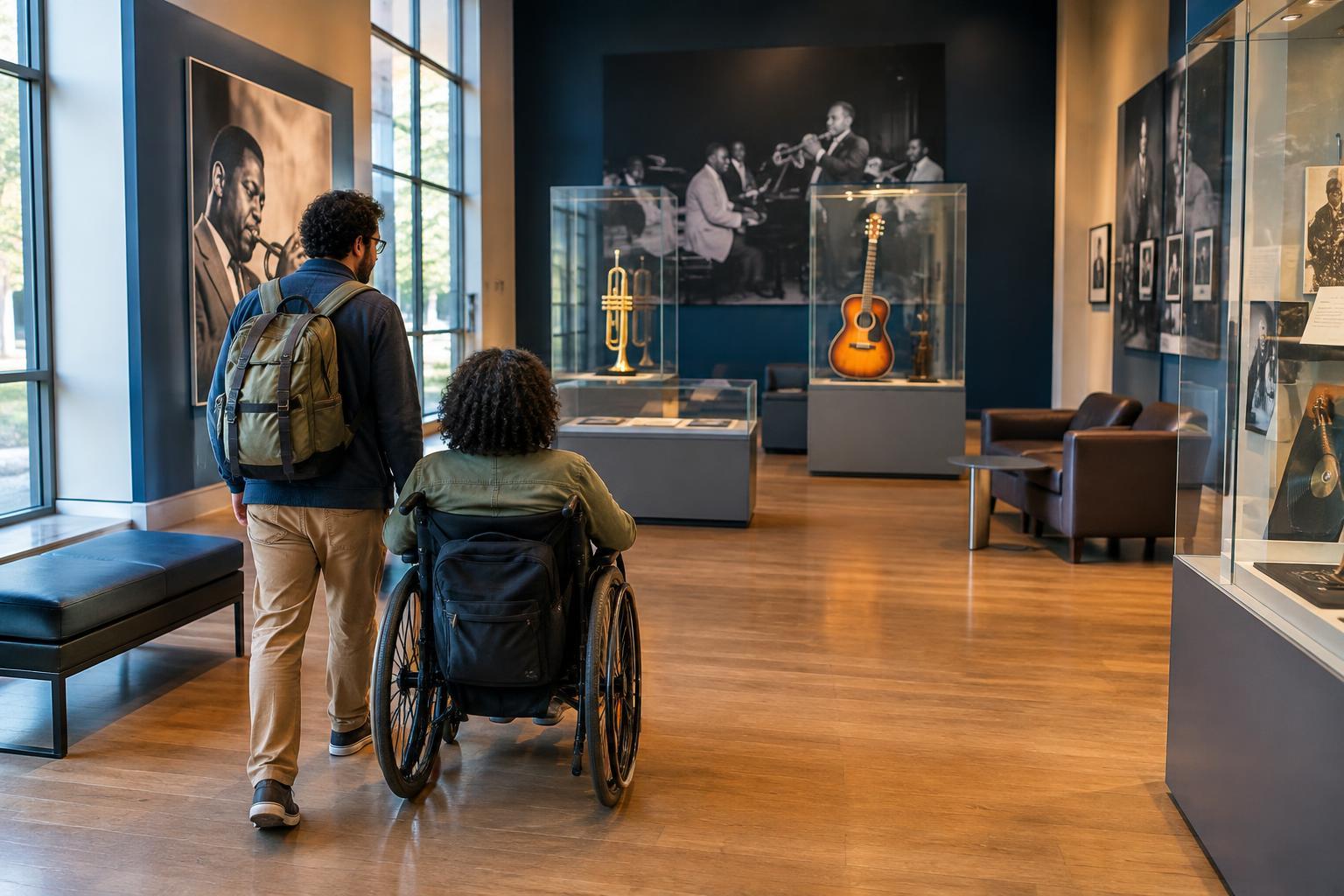
Not every meaningful music experience requires a concert ticket. Record shops, instrument shops, exhibits and daytime conversations can deepen your understanding of a place’s musical life. Some venues may offer lower-cost performances or events without a set admission price, though policies vary. Check what is offered rather than assuming that an informal setting is free, and be prepared to buy something or contribute when that is how the space and musicians are supported.
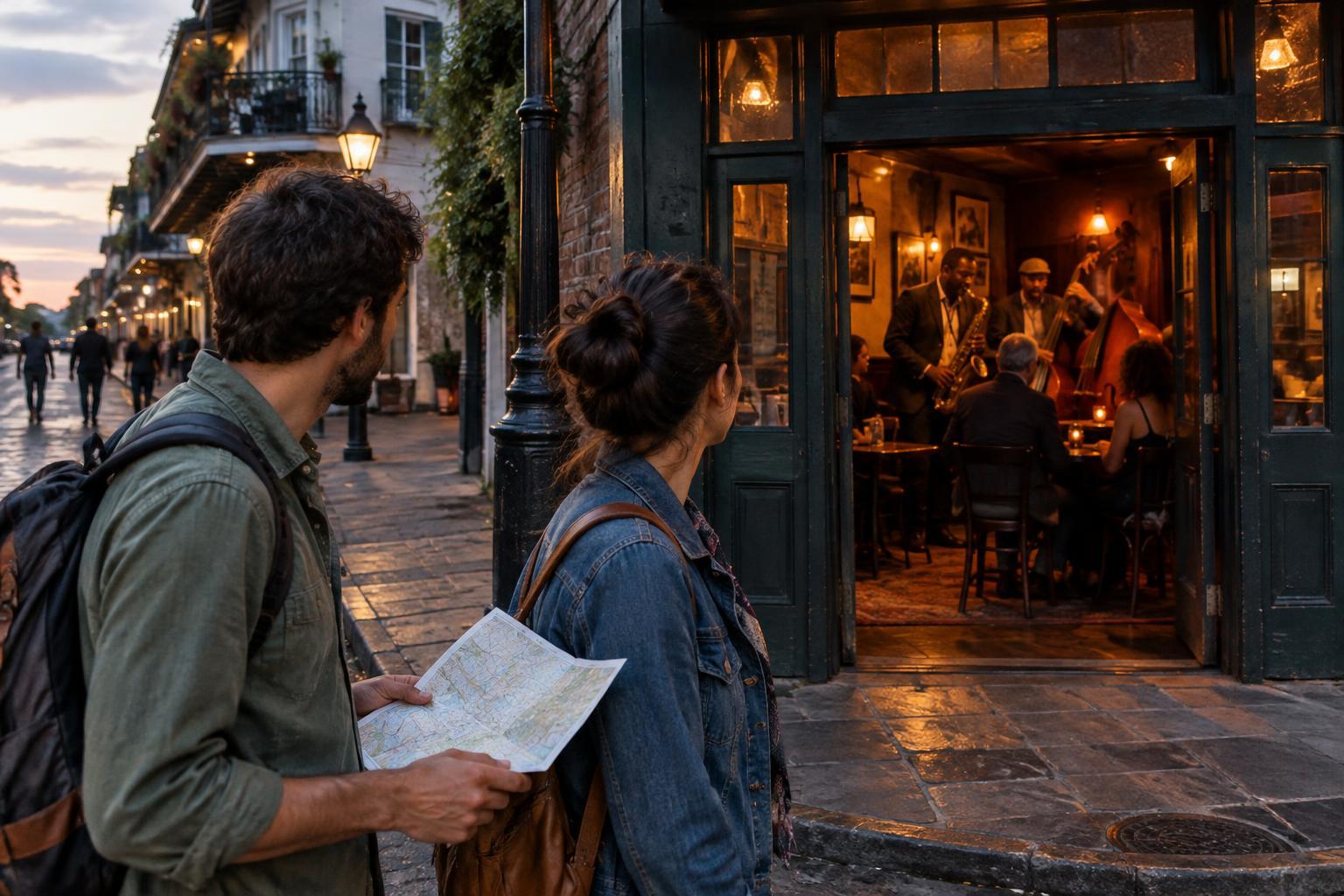
Listening outside a headline show can also help you notice connections between music and place. Pay attention to the room, the audience and the way performers interact, without treating local musicians or patrons as scenery. Ask before recording or photographing people, follow venue rules and give the performance your attention. These habits cost little and make a visit more respectful.
Build a plan that can bend
Make a short list of preferred performances and a few alternatives, but avoid scheduling every hour. Listings, prices and opening arrangements can change, so confirm details with the venue before making a long journey or paying in advance. Keep enough unscheduled time for rest and for a recommendation you could not have anticipated. If a show sells out or transport proves awkward, a flexible plan lets you choose another good evening instead of forcing an expensive one.
At the end of each day, check what you have spent against your remaining budget. If one night cost more than expected, you might choose a quieter day or a nearby performance next. Budget travel is not about finding the cheapest possible way to hear music. It is about deciding where your money matters most, accounting for the journey as well as the ticket, and staying present when the music begins.