Two different ways into a music story
Travelers often seek out the places where music was made: a neighborhood, a performance space or a street associated with a particular sound. Museums and archives add another dimension to that experience. Both preserve traces of musical life, but they usually invite different kinds of attention. A museum tends to present a selected story for visitors to explore. An archive tends to keep materials that people can consult to ask their own questions.
That distinction is useful, not absolute. A museum may hold an extensive archive, and an archive may mount exhibitions. Neither is automatically more authentic. The better choice depends on whether you want an accessible introduction, a focused look at a person or place, or time to follow a question through original materials.
What a music museum does well
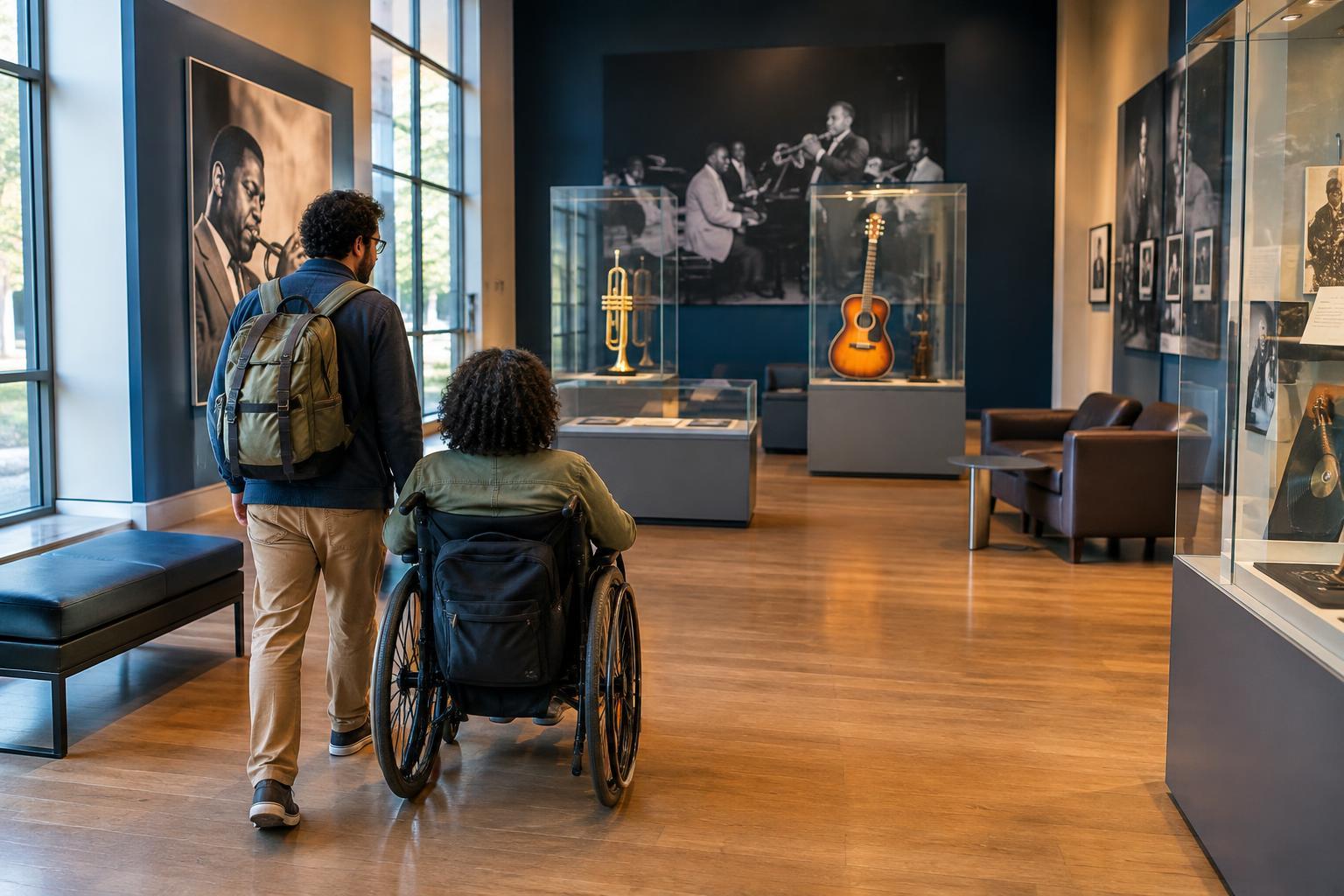
A museum is often the easiest starting point when a music tradition is new to you. Exhibits can place instruments, photographs, recordings and personal objects alongside explanations of how they relate. A display about blues guitar, for example, might help a visitor connect an instrument’s construction to the techniques a player could use. Listening stations, when available, can make those connections easier to hear.
The strength of a museum is its guided path. You can arrive with little background and leave with names, sounds and questions worth pursuing. Its limits come from the same process: curators must choose what fits the space and the exhibition’s purpose. A polished display cannot contain every disagreement, ordinary working day or overlooked contributor in a music community. Treat the labels as an introduction rather than the final word.
What a local archive makes possible
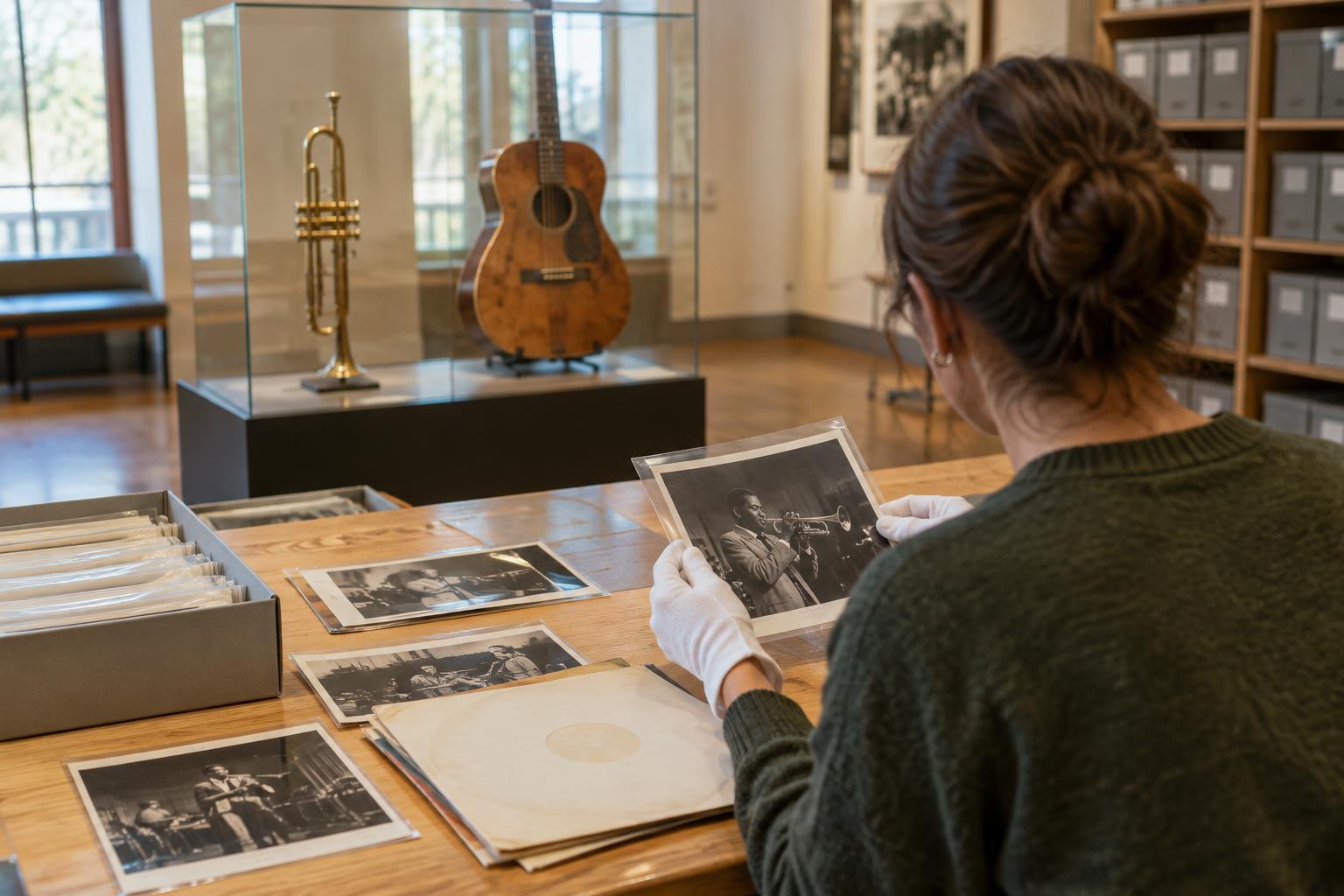
A local archive may hold materials such as venue flyers, programs, correspondence, photographs, oral histories or recordings. These items can reveal how musicians, organizers and audiences described their own activities. For a traveler interested in a particular district or style, a collection can make the history feel less like a list of famous names and more like a network of people and places.
Archive visits often require more preparation than museum visits. Materials may be stored rather than displayed, catalog descriptions may be brief, and some items may be restricted because of condition, rights or privacy. Before going, check the archive’s access information and contact staff with a specific, manageable question. “Do you hold programs relating to live jazz in this neighborhood?” is likely to be more useful than asking to see everything about jazz. Be ready for a small discovery—or for the answer that the material you hoped for is not there.
Plan a visit that respects the collection
Check opening arrangements, admission details and reading-room rules before building either stop into your day. An archive may ask visitors to register, request items in advance or use materials only under supervision. A museum may have separate rules for photography, audio exhibits or special collections. Following those rules protects fragile objects and respects the people whose lives are represented.
Permission to view something is not always permission to copy or publish it. If you hope to photograph a document, share a recording or write about an unpublished personal account, ask what is allowed. Take careful notes on what you saw and where you found it, while keeping private information private. Staff can help you understand a collection, but their time and access policies deserve the same consideration as the materials themselves.
Let each stop change how you listen
If time is limited, choose a museum for orientation or an archive for a question you already want to pursue. With more time, try them in sequence: use a museum visit to identify a musician, venue or instrument that catches your attention, then see whether a local collection can help you explore that thread. The reverse works too. An archival detail may send you back to a public exhibit with a sharper ear for what it includes and what it leaves open.
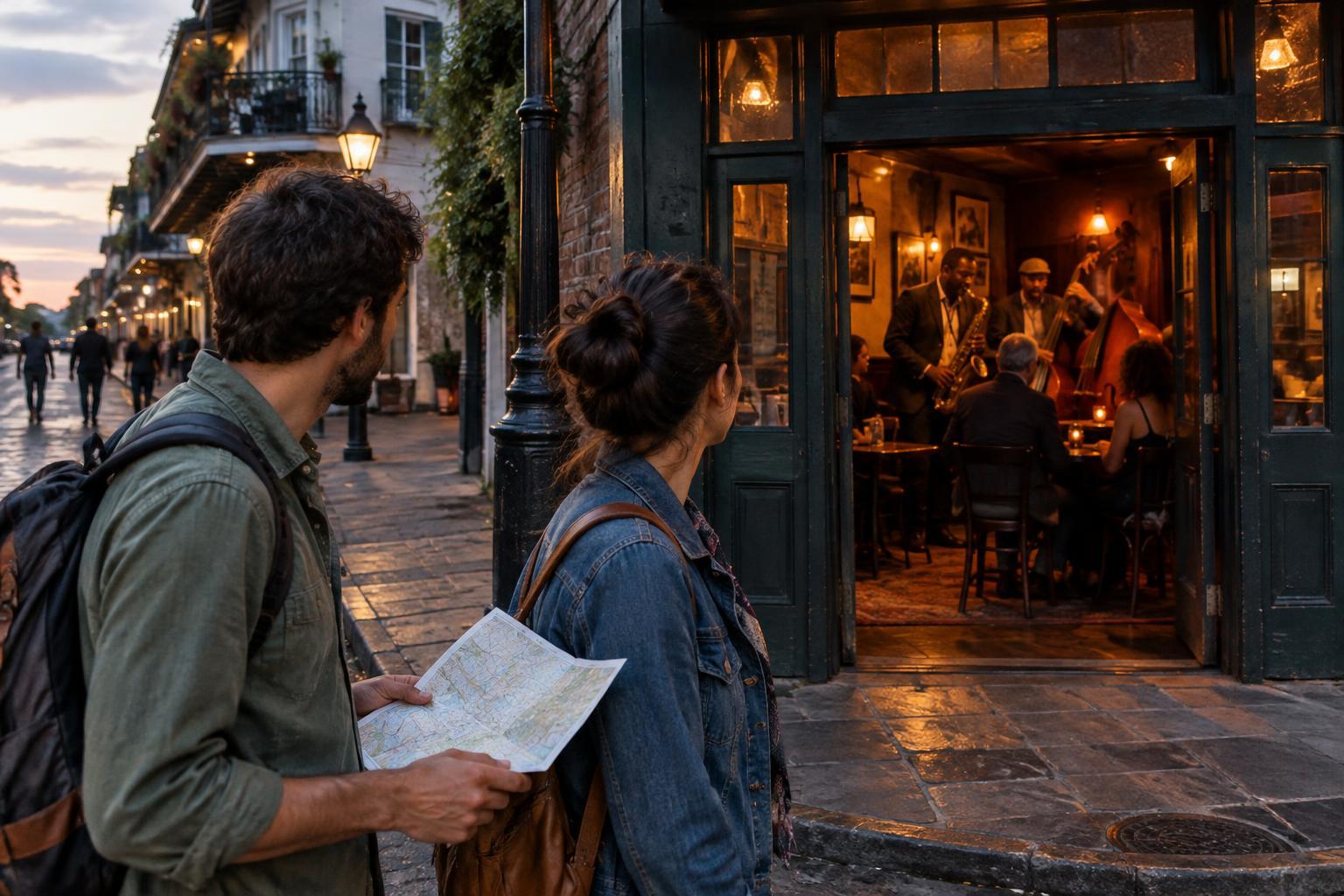
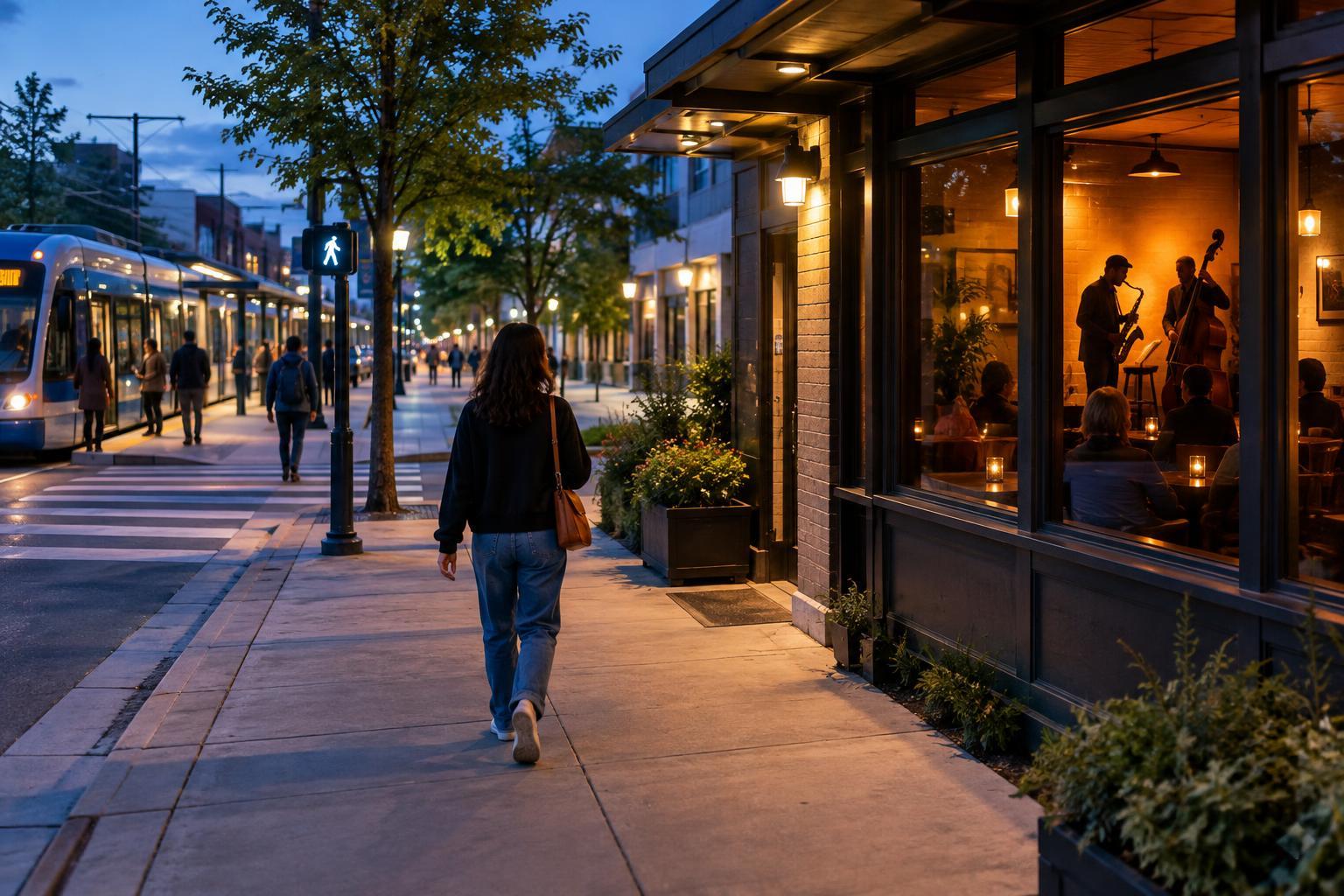
Neither visit should replace listening to music or paying attention to the living place around it. A flyer can point to a past scene, but it does not tell you what a neighborhood is like today. Leave room for a performance when one is available, observe venue etiquette and avoid treating residents as exhibits. The most rewarding music travel often begins with curiosity and stays open to stories more complicated than any single display or document can tell.