Think in routes, not a single blues trail
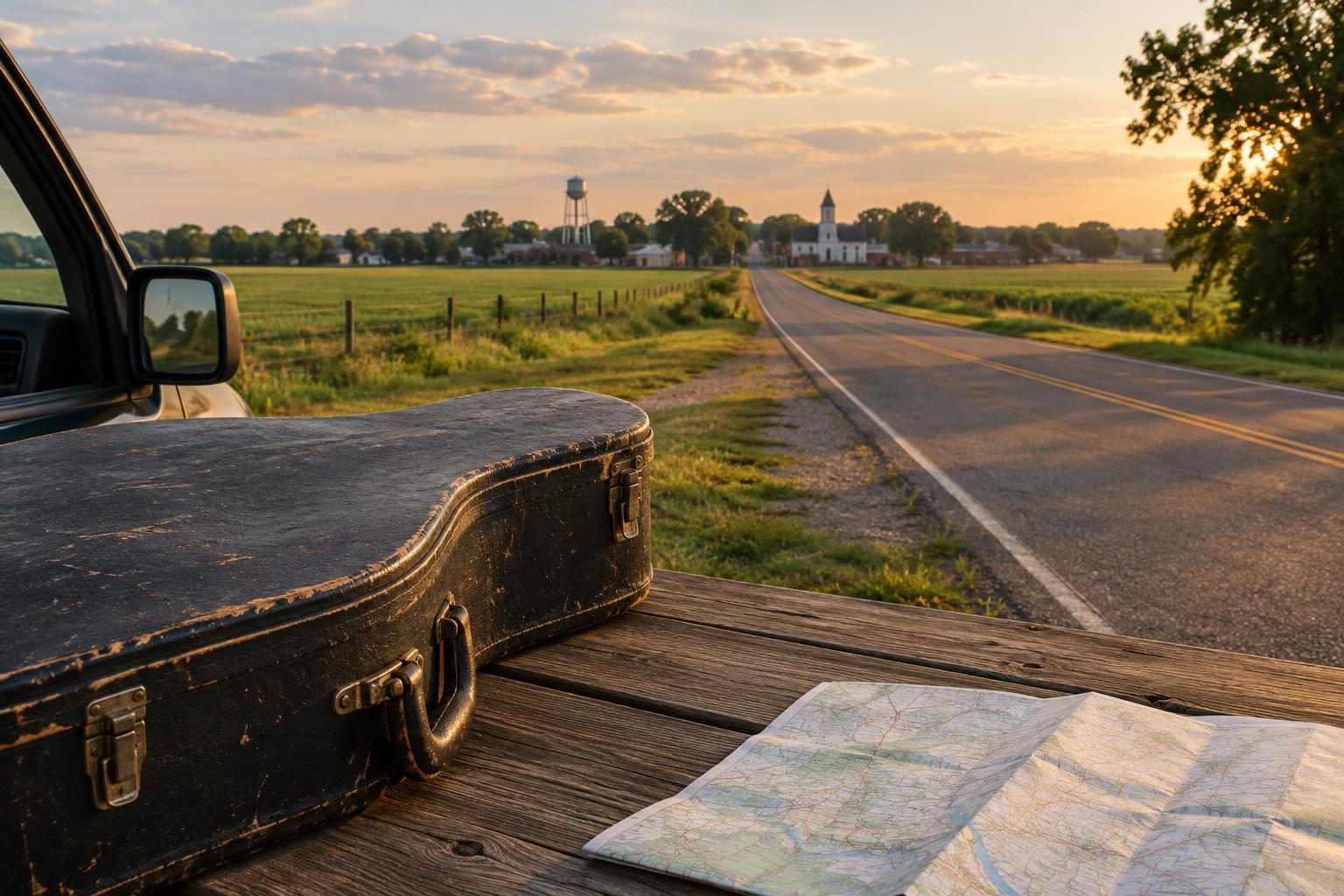
The Mississippi Delta is often described as one blues destination, but a visit involves many separate places. Towns, museums, historical markers, performance spaces and burial sites are spread across a broad region. A dot that looks close to another on a map may require a slower road route or a detour away from the main highway. The useful question is not simply “How many stops can I fit in?” but “What kind of day will the distance between these stops allow?”
Begin by choosing a few towns that serve as anchors. Clarksdale, Cleveland, Indianola, Greenwood and Greenville are among the places a traveler might consider, depending on their interests. They are not interchangeable: each offers a different way into the region’s musical and local history. Rather than trying to connect every famous name in one sweep, build a route around the places where you most want to spend time.
Allow for the difference between miles and travel time
Map distance is only a starting point. A proposed drive may include town streets, rural roads, turns onto smaller lanes and time finding an entrance or a safe place to park. Stops for food, fuel and a break matter too. Check a current map for your specific route, then leave room in the day beyond its estimated driving time. That extra space makes a missed turn inconvenient rather than disruptive.
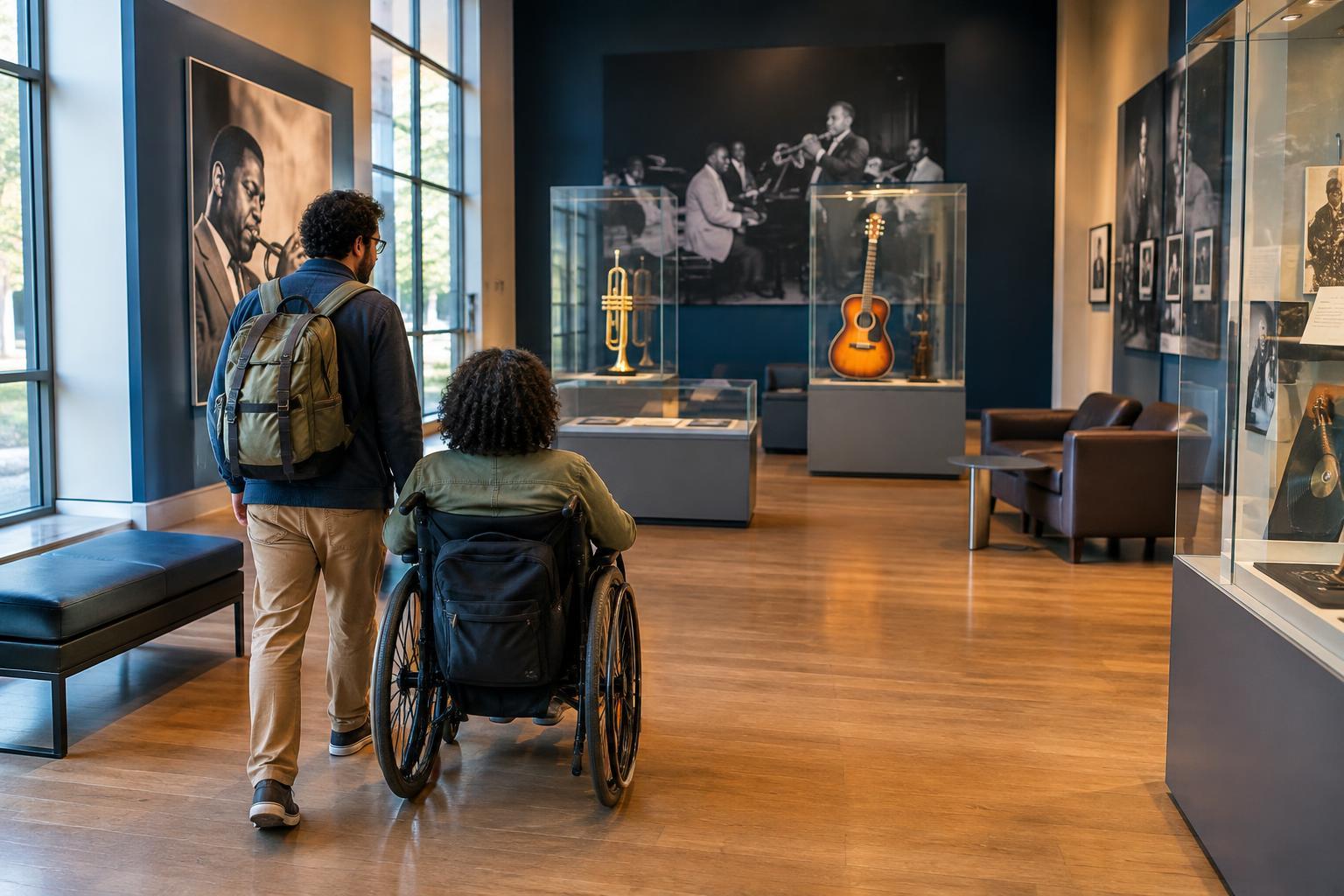
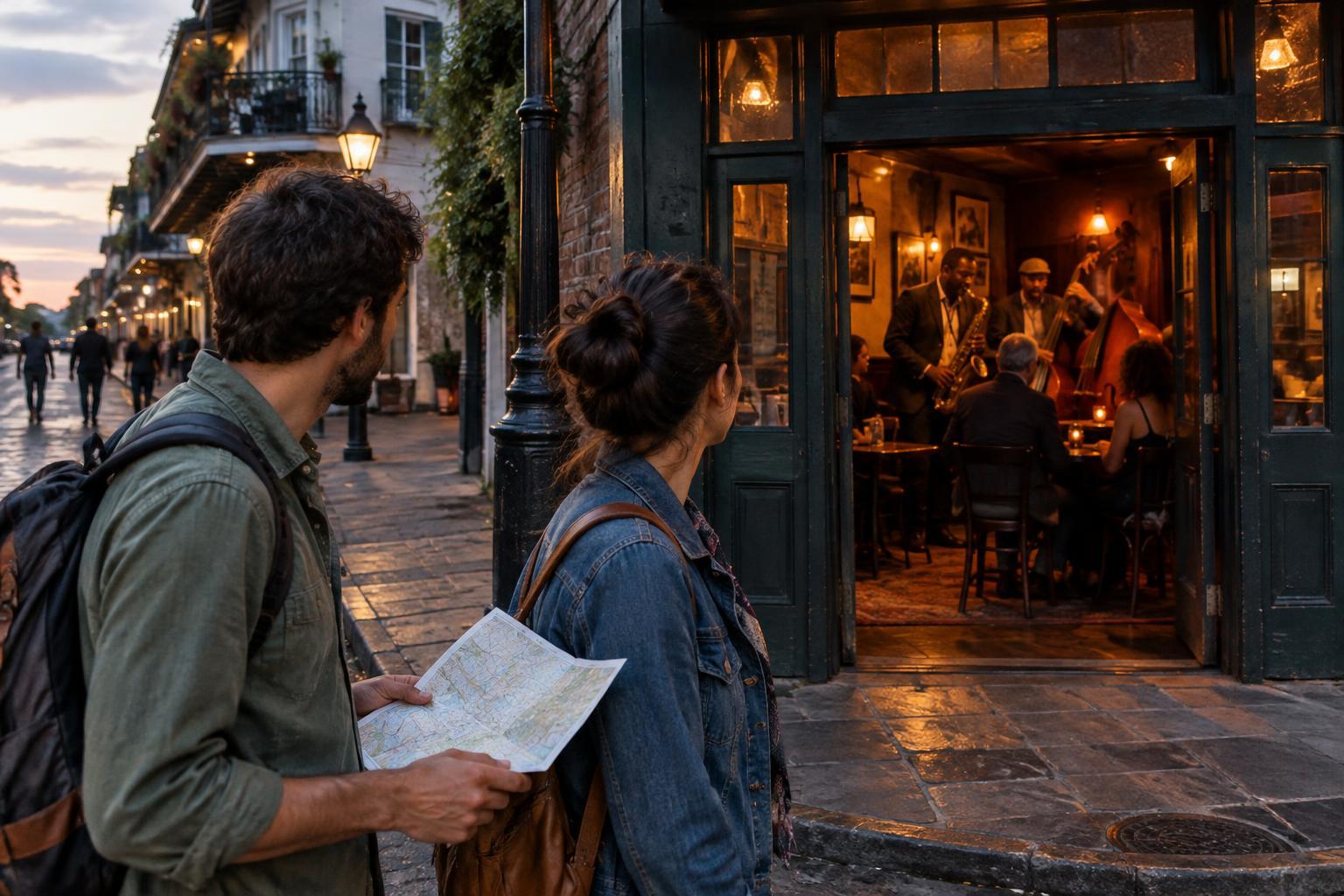
It helps to separate stops into two types. A roadside marker might take a short visit, although its story may prompt further reading or conversation. A museum or town center deserves a larger block of time. If you plan an evening of live music, treat it as part of the day’s itinerary rather than something to squeeze in after a long drive. A manageable plan often pairs one substantial visit with one or two shorter ones.
Group stops by place and by theme
A route can make more sense when it follows a question instead of a list of names. You might spend one day exploring how musicians learned and shared songs, then another considering how recordings carried regional sounds to distant listeners. Those themes can connect heritage sites without suggesting that a single marker or building tells the whole story of Delta blues.
Grouping nearby stops also gives you time to notice the setting around them. A museum visit may lead you to walk through a town center, browse a local shop or sit down for a meal. Those moments are not delays between the “real” attractions. They help place the music within communities that continue to have lives beyond their place in blues history. If your chosen sites pull you in opposite directions, consider whether one belongs on a different day instead of doubling back.
Check access before making a long detour
Not every heritage stop works like a museum with a front desk. Some are outdoor markers; others may be on or near private property, in cemeteries or at venues whose schedules change. Before driving out of your way, look for current visitor information from the place itself or a relevant local organization. Confirm opening hours where applicable, and have an alternative stop in mind if access is limited.
Respectful travel is especially important at places connected to people’s homes, graves or working businesses. Stay on public routes unless invited elsewhere, follow posted guidance and avoid treating residents as part of an exhibit. If you visit a live venue, check its policies and support it as a customer. The distance you travel does not give you a claim on someone else’s space or time.
Leave space for listening
A blues trip need not prove itself by the number of stops completed. Set aside uncommitted time between drives so you can absorb what you have seen, listen to music associated with an artist or place, and notice where the historical story becomes more complicated than a brief sign can convey. Different musicians followed different paths, and no single route can represent the entire tradition.
Before each day, choose a priority stop, a possible second visit and an optional detour. Keep a map available for navigation, but let your priorities determine the pace. Understanding distances in the Delta means understanding more than mileage: it means giving roads, opening hours, communities and music enough room in the journey.