A gathering place, not a single kind of building
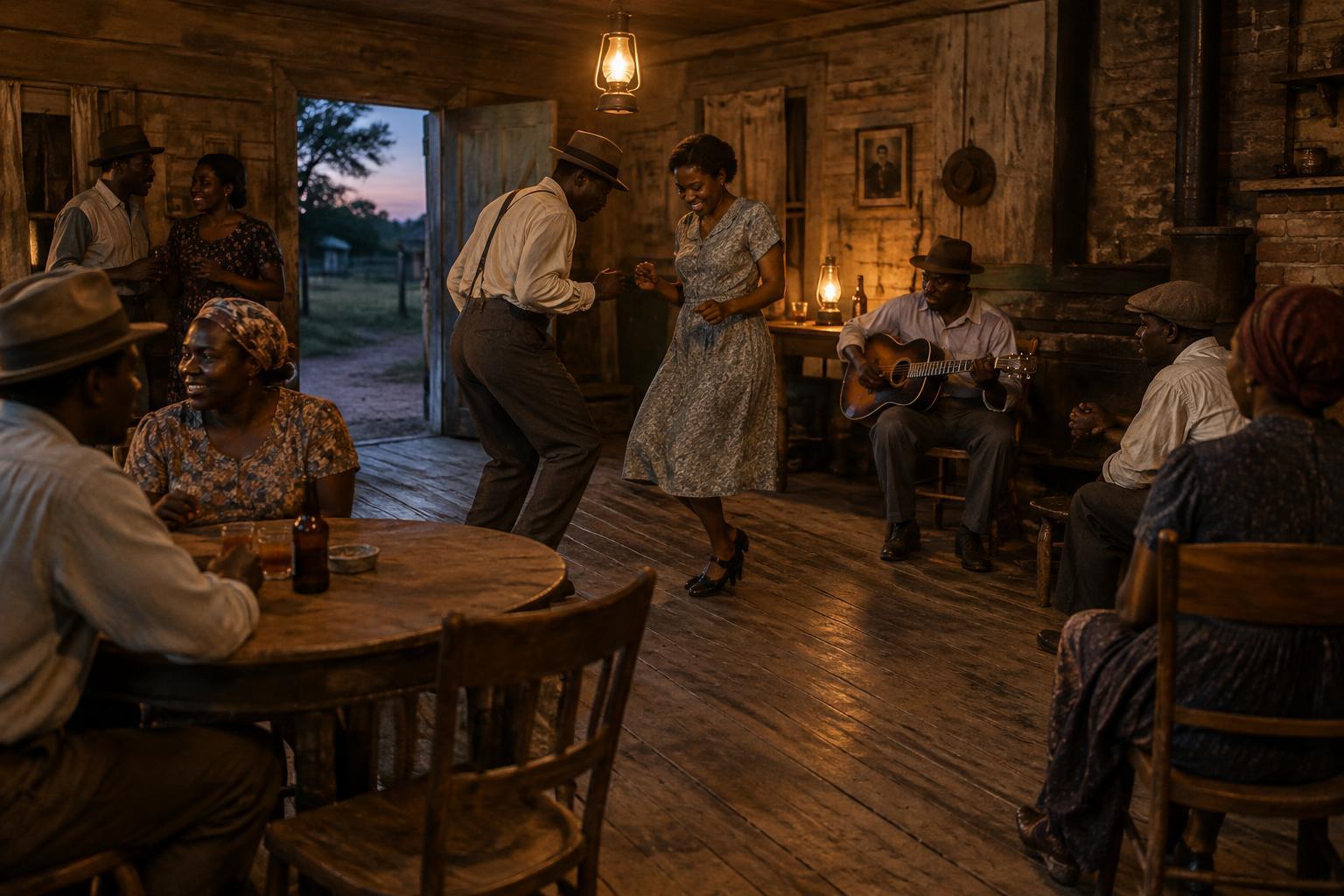
In blues history, a juke joint generally means an informal place where people gathered for music, dancing, drinks and conversation. The term does not describe one standard layout or business model. A joint might have been a small building, a converted room or another modest space that served a local crowd. Some had a performer and a dance floor; others depended on a record player or made room for music only on certain nights.
That flexibility matters. It is easy to picture every juke joint as a dimly lit room with one guitarist in the corner, but the reality was more varied. The people who owned, worked in and visited these places shaped them around what was available and what their communities wanted. To understand their place in blues history, it helps to look beyond the stage—if there was one—and consider what happened throughout the room.
Space for community under unequal conditions
Juke joints are closely associated with Black social life in the Southern United States. In an era when segregation and discrimination limited where Black people could gather, locally run spaces could offer opportunities to meet friends, relax after work and celebrate together. A night out was not separate from everyday life: conversations, courtship, disagreements and dancing all took place alongside the music.
That does not mean every joint was safe, welcoming to everyone or free from hardship. Informal businesses could face difficult conditions, and the lives of the people who used them were shaped by wider inequalities. Calling juke joints places of freedom without acknowledging those constraints makes the story too simple. Their importance lies partly in how people created social room for themselves despite limits imposed elsewhere.
How the room shaped the music
A juke joint was a listening space, but not usually a silent one. Musicians played for people who might be dancing, talking or calling out requests. A performer could respond to the energy in the room by extending a rhythm, repeating a line or choosing a song that suited the crowd. The exchange between players and listeners was part of the experience, not an interruption of it.
This setting helps explain why rhythm, repetition and expressive delivery are so central to many blues performances. Those qualities can hold a dancer’s attention and give listeners a way into a song, even in a noisy room. It would be misleading, though, to credit juke joints with creating a single blues sound. Blues has many histories and settings, from homes and streets to theaters and recording studios. Juke joints were one important environment in which musicians and audiences met.
Beyond the romantic image
Stories about juke joints often emphasize rough floors, late nights and spontaneous performances. Such details can make the past feel vivid, but they can also turn working people’s social spaces into scenery. The music was entertainment, and it was also labor. Performers had to hold a room’s attention; owners and staff had to keep the place running; patrons brought their own needs and expectations through the door.
The word “authentic” deserves care here. A modest venue is not automatically more genuine than a larger one, and hardship is not a requirement for meaningful music. Rather than treating a juke joint as a backdrop for a legendary musician, ask who else made the evening possible. Dancers, neighbors and hosts helped determine what a successful night sounded and felt like.
Listening with the social setting in mind
You do not need to identify a recording as a juke-joint performance to listen for the social qualities this history brings into focus. Notice how a singer addresses an imagined listener, how an instrumental phrase makes space for a response, or how a steady groove invites movement. These are useful listening questions, not proof that a particular song was performed in any particular place.
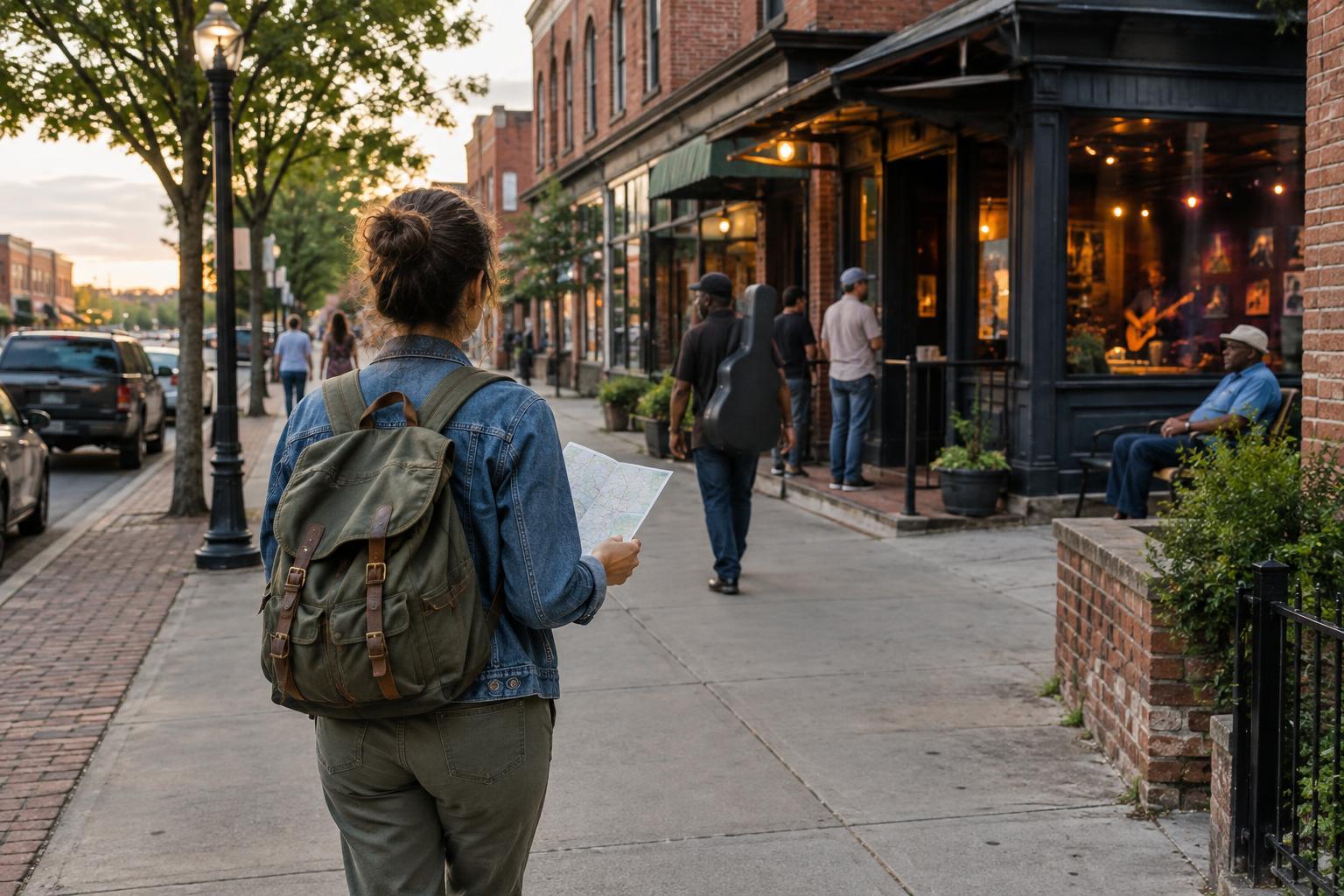
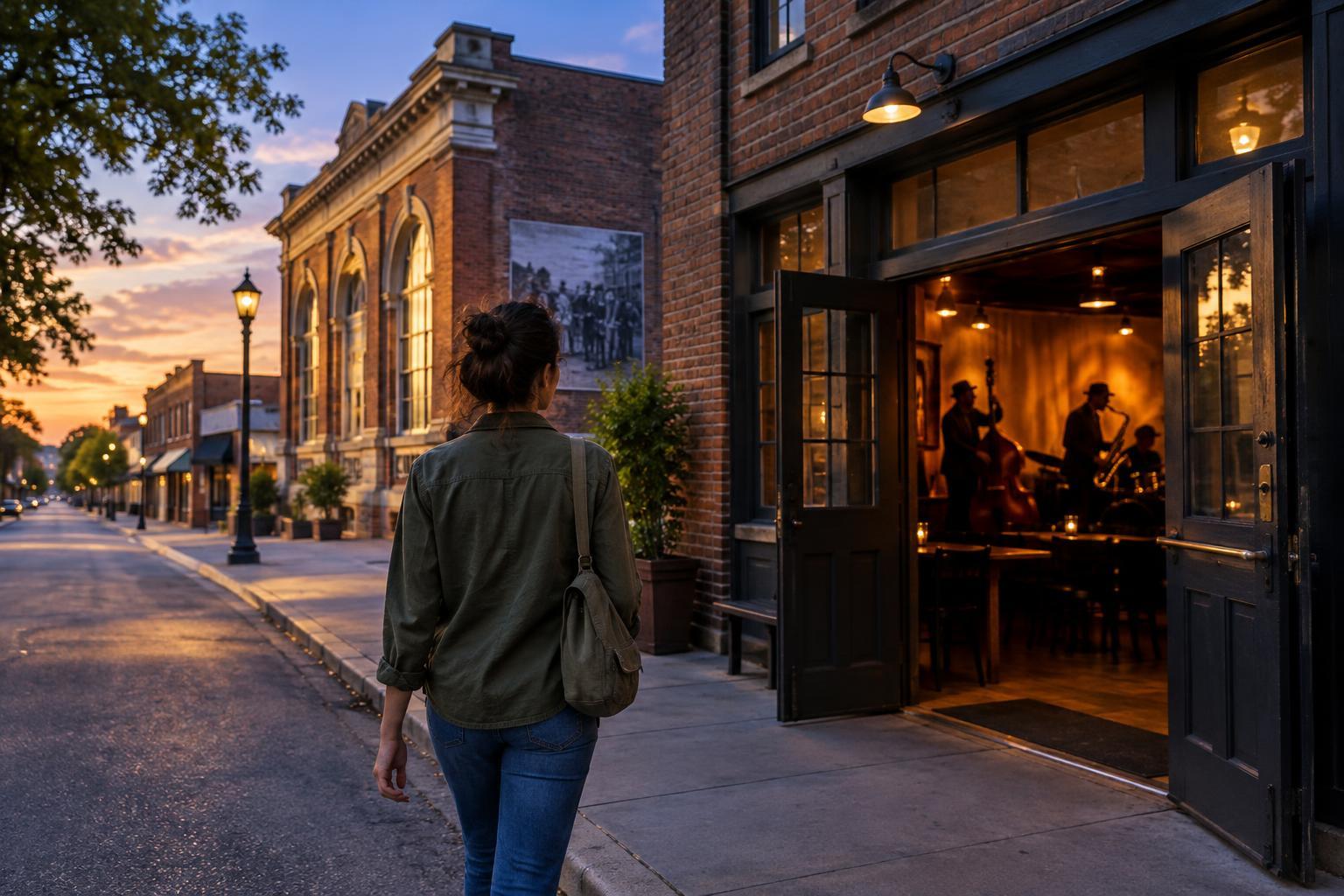
If you visit a venue today that draws on blues traditions, let its own community set the terms. Learn the house rules, give performers your attention, respect other listeners and remember that a working venue is not a historical exhibit. Juke joints matter because they show how music can be made through relationships: between a performer and a crowd, between a place and its neighbors, and between an evening’s pleasures and the wider world outside.