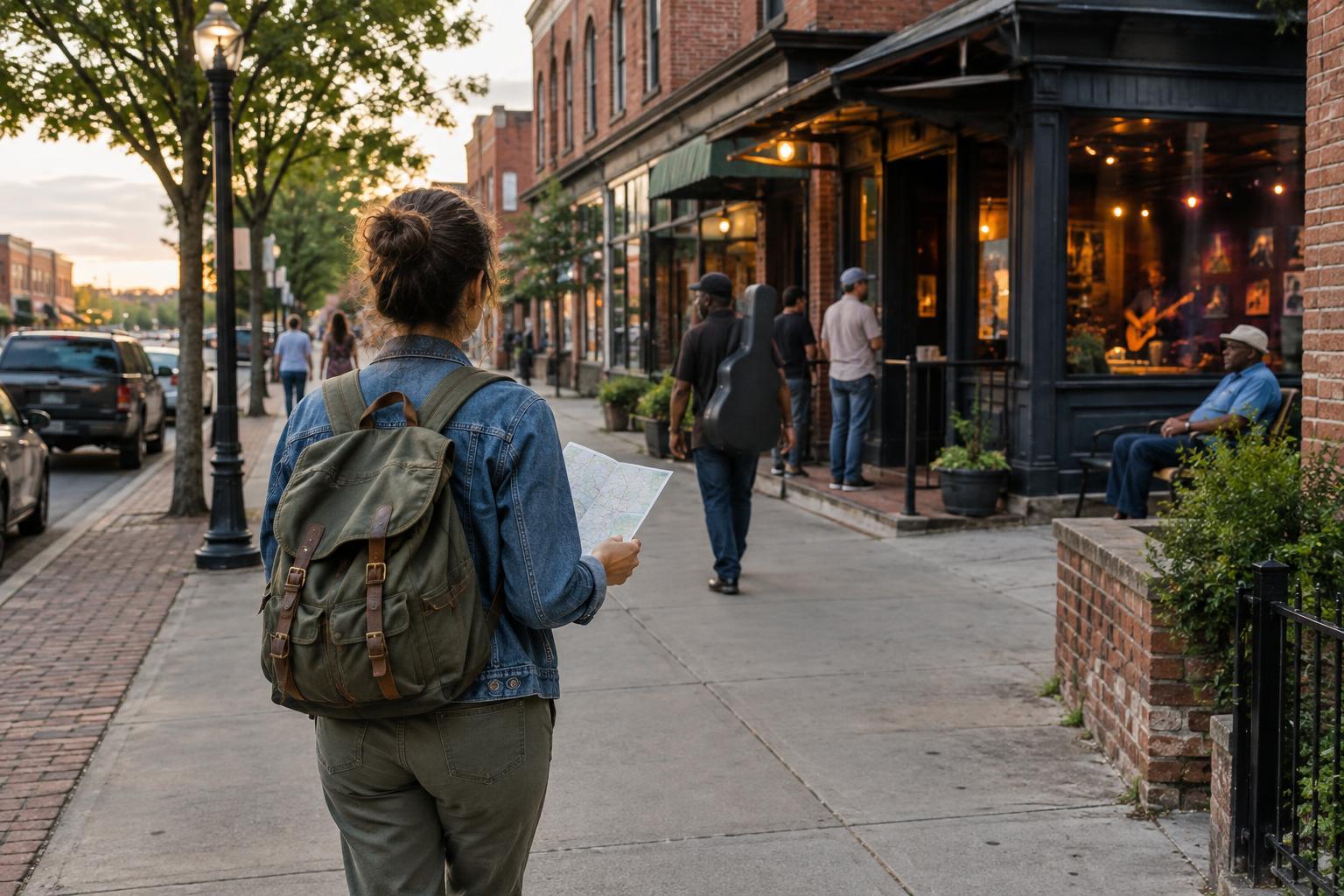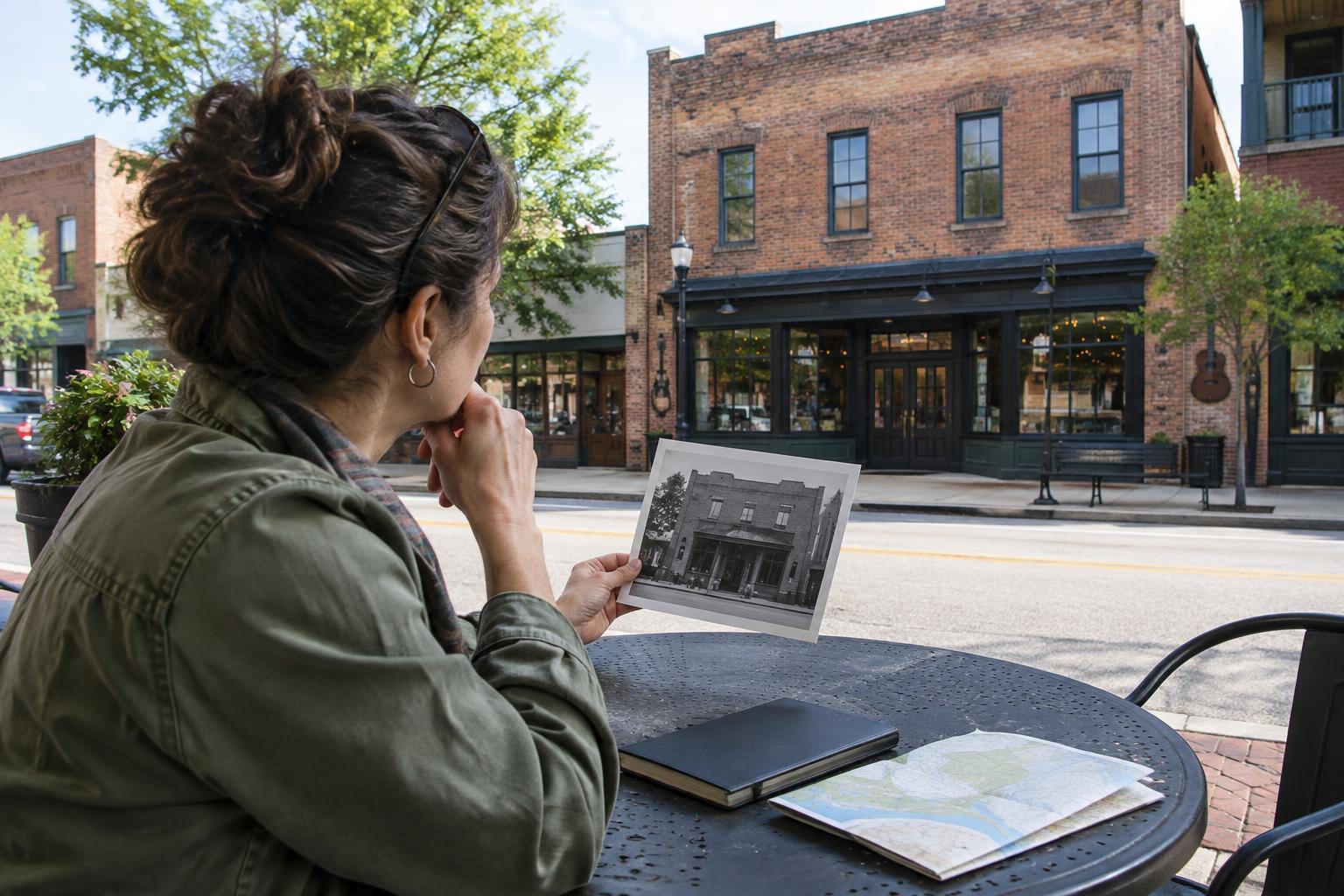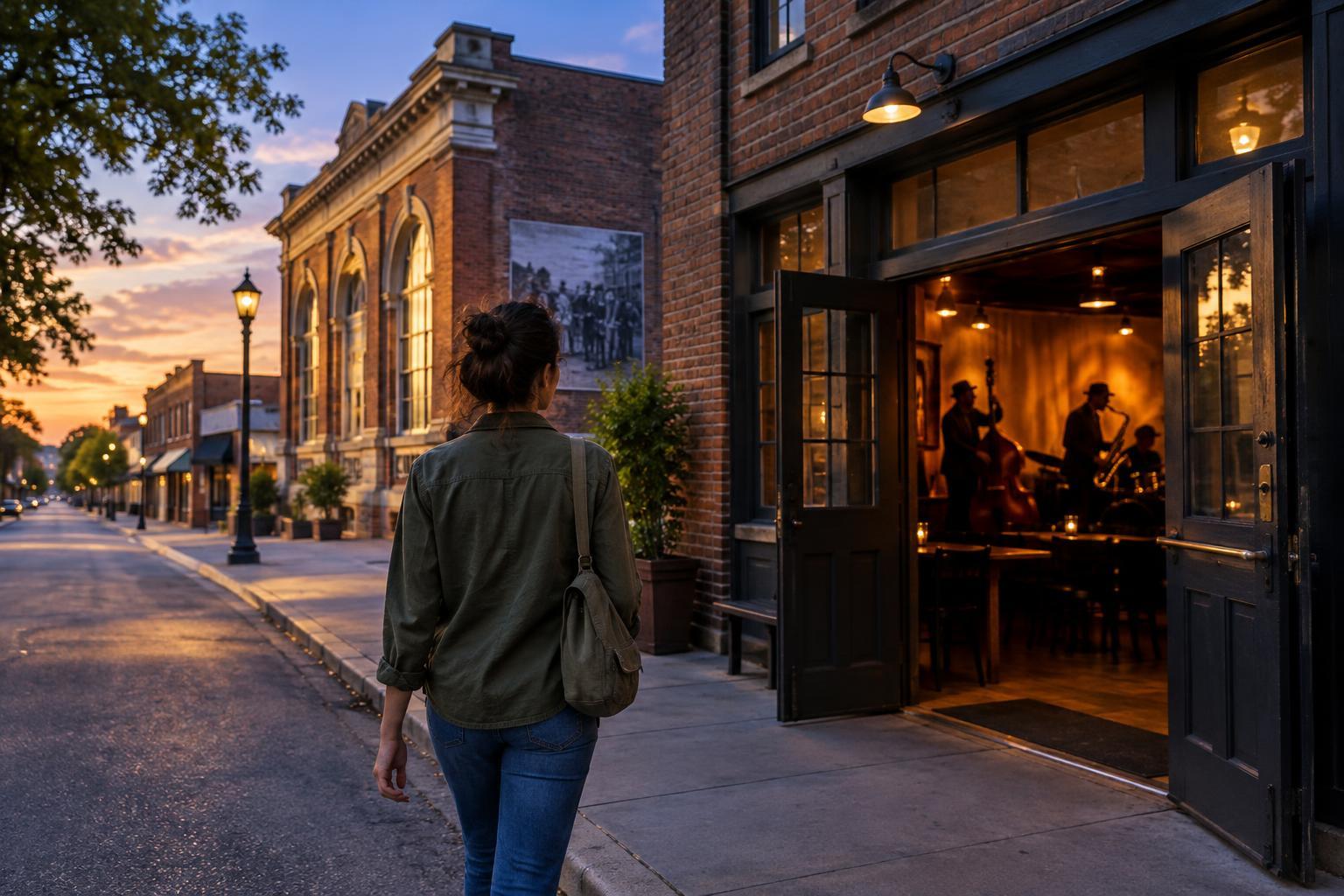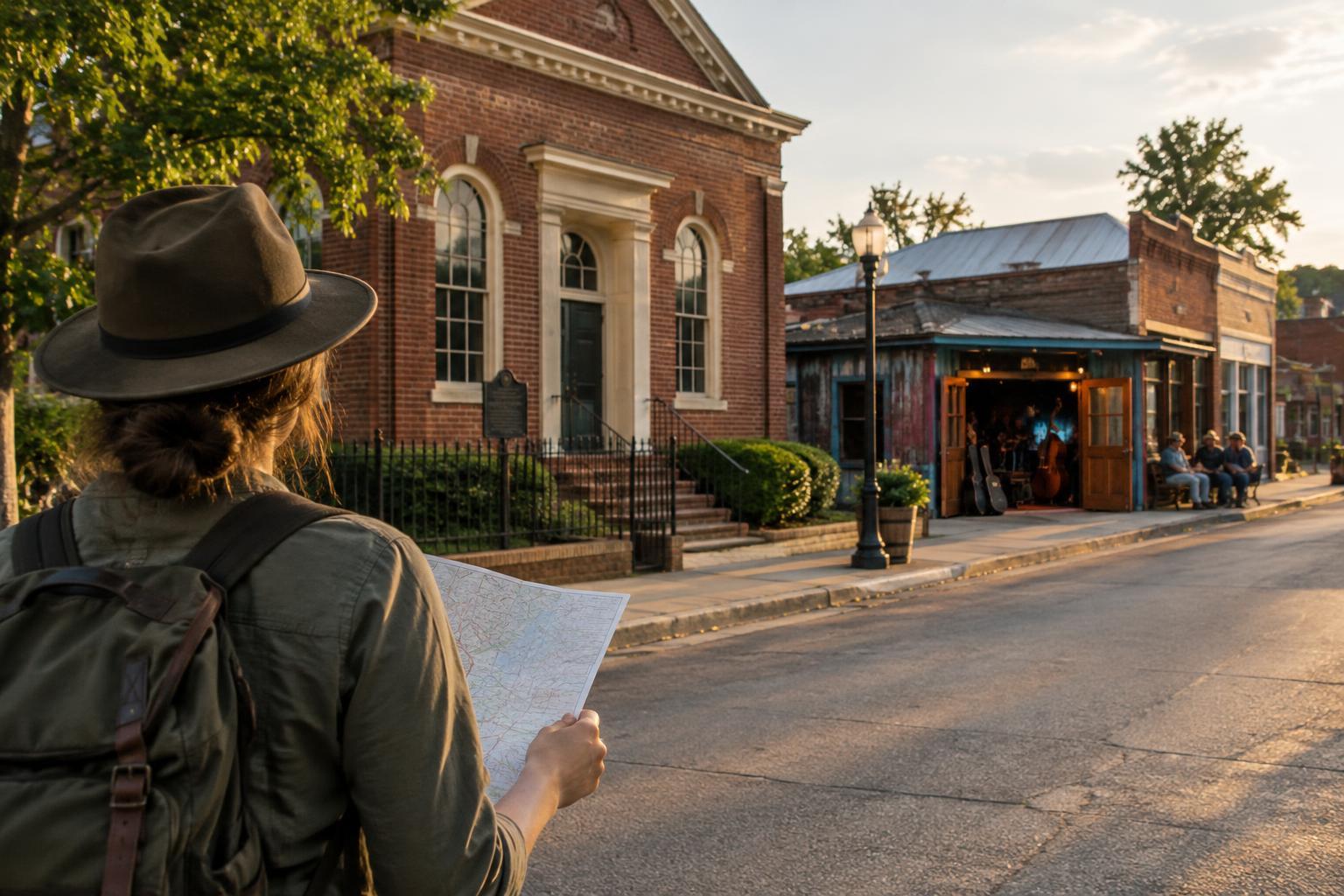
Start with two different kinds of destination
A blues heritage trip might take you to a former performance space, a museum, a neighborhood associated with musicians or a club presenting live music today. These stops can deepen your understanding in different ways. A landmark helps tell a story about the past; a working venue offers an experience shaped by the performers, staff and audience in the room that night. Neither should be treated as a substitute for the other.
Before adding a place to your itinerary, give it a simple label: historic site, exhibition, walking area, record shop, listening room or live venue. Some places may fit more than one label, but the distinction helps you set expectations. A building known for its musical history may now serve another purpose or may not be open to visitors at all. Conversely, an unassuming room without landmark status may be where you hear the most memorable set of your trip.
Build the route around questions, not just names
Choose a manageable area and ask what you want to learn there. Are you interested in how musicians traveled between towns, how recording shaped what listeners heard, or how local audiences supported performances? A focused question gives your stops a reason to sit together. It also keeps the trip from becoming a race between plaques and photo opportunities.
Look for context as you plan. Museums, community history projects and local cultural organizations may explain how music relates to work, migration, worship and everyday life. Their descriptions can help you understand why a site matters even if no music is played there now. Leave time to walk, read and listen rather than scheduling every hour. A short itinerary with room for reflection often serves the music better than a long list of hurried stops.
Check what each place offers before you go
Treat practical details as changeable. A historic address may be viewed only from a public sidewalk; a museum may require an admission ticket; a venue may host music only on certain nights. Before traveling, check each place’s own visitor information for its location, access rules, opening hours and performance schedule. If a listing is unclear, contact the operator rather than assuming a landmark welcomes drop-in visitors.
For live music, look beyond the venue name. Check who is performing, when doors open, whether seating is available and whether an age restriction or cover charge applies. Keep a backup option, since schedules can change. If hearing a performance is central to the trip, plan around a confirmed show first and fit heritage stops around it. That way, a closed exhibit or inaccessible building does not erase the experience you came for.
Listen with curiosity and visit with care
Blues history is more than a collection of famous individuals and addresses. It includes communities, shared musical practices and stories that a brief sign cannot fully capture. Read the interpretation offered at each stop, notice whose voices are included and stay open to learning that a familiar story has several perspectives. Avoid treating homes, places of worship or ordinary streets as attractions where visitors are automatically welcome inside.
At a live show, let the room guide your behavior. Follow the venue’s rules on photography and recording, keep conversation low during quiet performances, and make space for other listeners. Buying a ticket or something from the venue, when it fits your budget, is a direct way to support a working music space. Give musicians your attention as performers in the present, not as a reenactment of the history you explored earlier in the day.
Leave room for the trip to change your listening
Bring a small listening list rather than an exhaustive soundtrack. A few recordings connected to the themes of your trip can give you starting points, while the places and performances you encounter may lead you elsewhere. Keep notes on what you hear, what you learn and what you still want to ask. A trip does not need to settle every question about a musical tradition to be worthwhile.
The most useful plan separates what you can visit, what you can learn and what you can hear live. That simple distinction protects you from disappointment and makes space for a richer experience: a historic stop can illuminate the setting of the music, while a contemporary performance reminds you that blues is not confined to a map of the past.