Look beyond the biggest listings
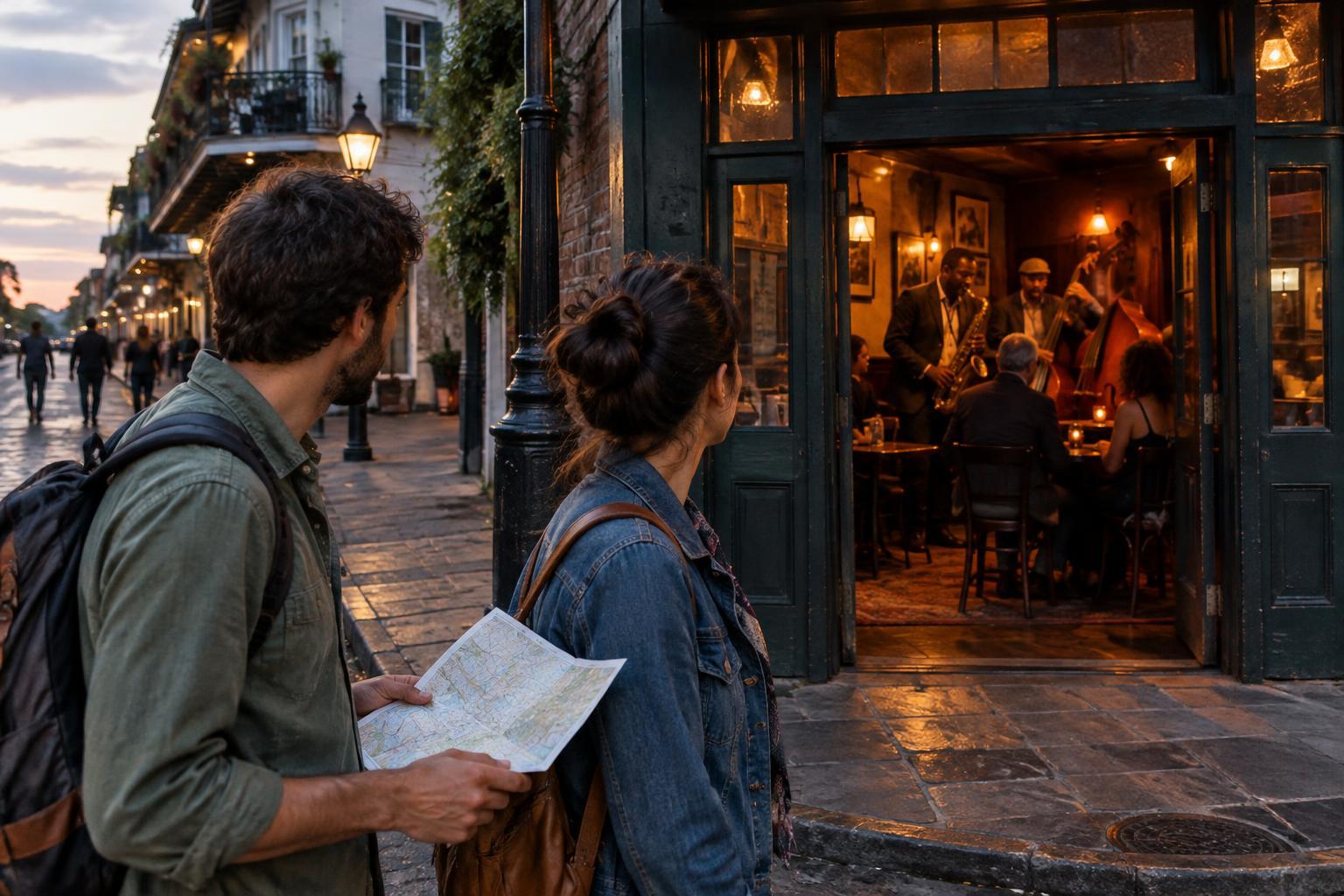
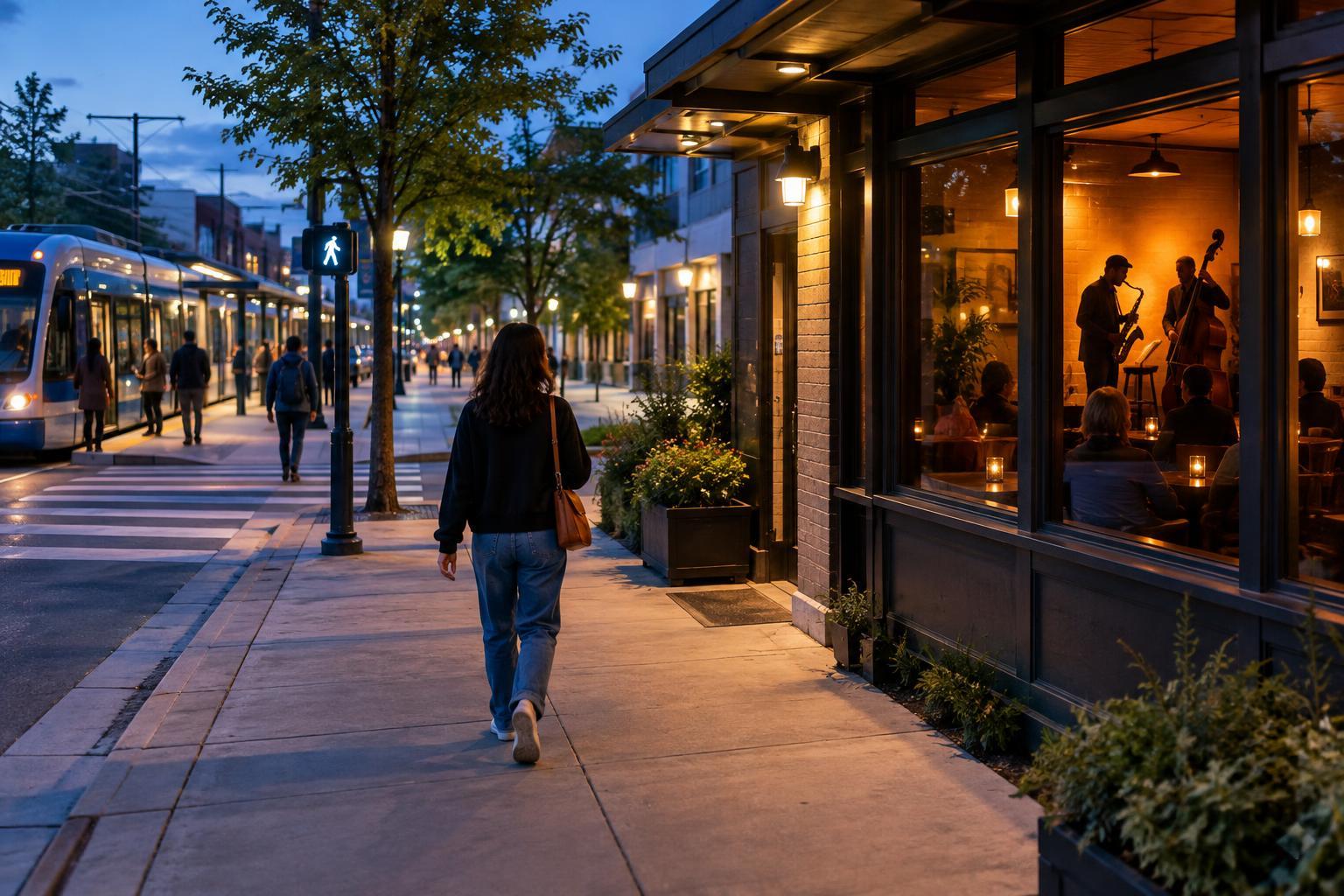
When planning a music-focused trip, it is easy to start with the best-known venue or a familiar style label. Leave room for smaller spaces too: neighborhood clubs, cultural centers, cafés with regular performances and community-run programs. Their schedules and customs may differ from those of a ticketed concert hall, so check practical details before you go. A venue’s own listing can help you understand whether there is a cover charge, a reservation system or an expectation that guests buy food or drinks.
Try not to treat a local scene as a checklist of supposedly authentic experiences. Musicians may play blues, jazz and other styles in settings that do not match a visitor’s expectations. Follow the artists and spaces that interest you, while recognizing that no single room represents a whole city’s musical life. If a venue is full or an event is intended for a particular community, accept that gracefully and find another way to spend your evening.
Pay for the music, not just the outing
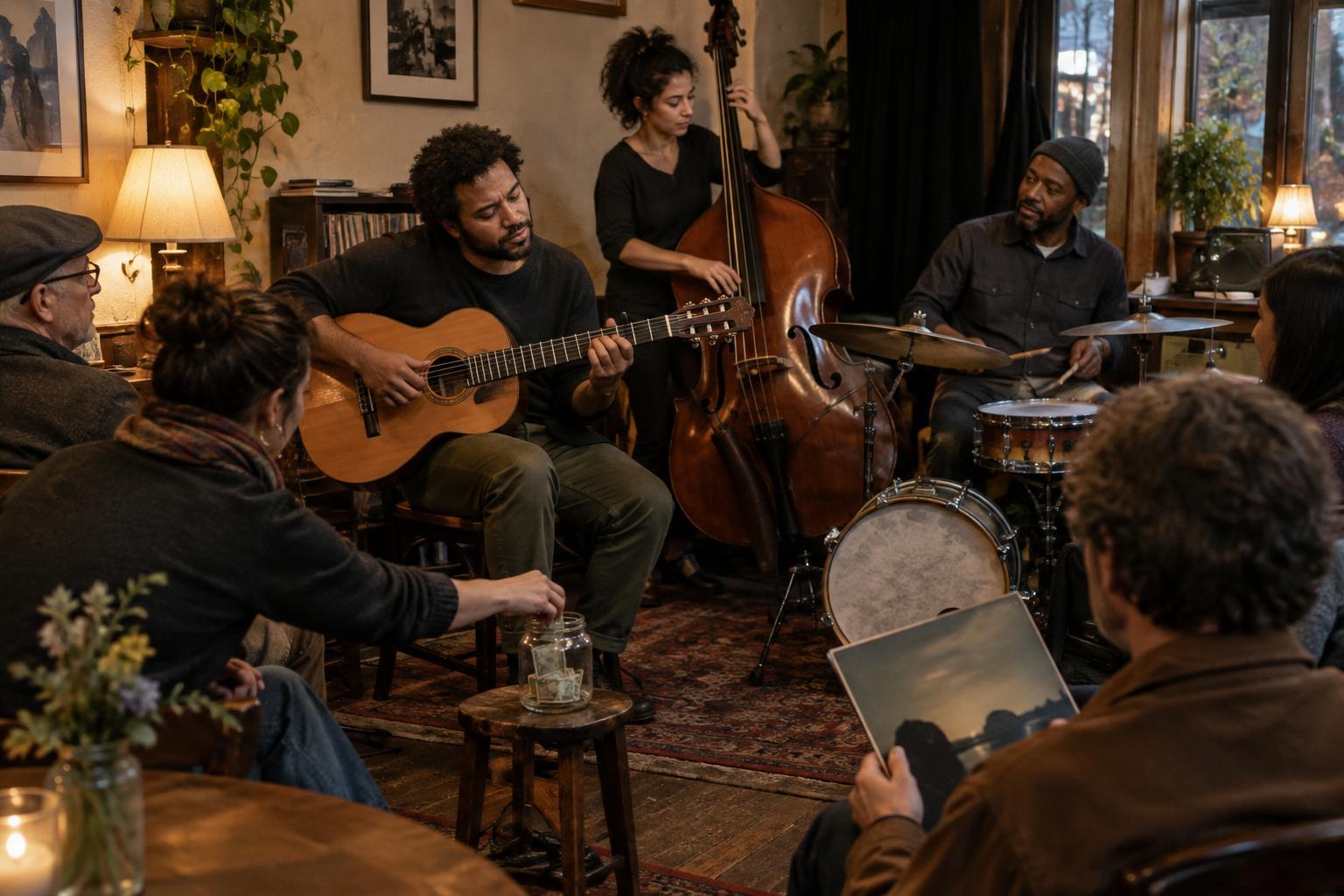
The clearest form of support is often straightforward: buy a ticket, pay the cover and follow the venue’s payment rules. If a performance is advertised as free but there is a clearly marked tip jar or another voluntary way to contribute, consider using it when your budget allows. Do not assume that buying a drink sends money directly to the performers; arrangements vary. If you are unsure how to support the act, a brief question to staff at an appropriate moment is better than guessing.
Merchandise and recordings offer another way to take the music home. Buying directly from an artist when that option is available may be especially meaningful, but avoid pressing performers to make a sale or interrupting them while they work. If you cannot spend much, paying the required admission, staying for the set and giving the performance your attention are still more considerate than seeking a way in without contributing.
Be a guest in the room
Venue etiquette changes with the space and the kind of performance. A lively set may welcome conversation between songs; a quiet listening room may depend on the audience keeping voices low throughout. Take your cues from posted guidance, staff and the people around you. Arrive early enough to settle in, keep your phone from lighting up the room and move between seats or toward the exit at a natural break when possible.
Ask before making a long recording, using a flash or photographing someone at close range. Permission to attend a performance is not necessarily permission to document or publish it. This matters in small rooms, where a camera can distract both musicians and neighbors. If you want to share a short clip or image, check the venue’s policy and respect an artist’s request not to record. Sometimes the best way to remember a set is to put the phone away and listen.
Share credit and context carefully
A recommendation can help another traveler discover an artist or space, particularly when it names the performer rather than describing only the atmosphere. Check how musicians spell and present their names before posting. When possible, point interested people toward an official artist or venue page instead of reposting an entire performance. A thoughtful recommendation can mention what you enjoyed without presenting your brief visit as an authoritative account of the local scene.
Be cautious with words such as hidden, untouched or discovered. A place that feels new to you may be familiar and important to its regular audience. Likewise, music traditions are more than a backdrop for travel photos: they are shaped by working artists, audiences and communities. You can be enthusiastic without claiming ownership of a story you have only begun to learn.
Make your support last beyond one night
After the trip, keep the connection on terms the artist or space offers. Follow a musician’s public work, listen through channels they provide, buy a recording later or recommend an upcoming performance to someone nearby. If a community music space offers memberships or donations, read what those support before contributing. Small choices are easier to sustain when they come from genuine interest rather than a sense that every trip requires a grand gesture.
The same approach applies while traveling: be curious, pay what is asked, respect boundaries and leave room for residents to enjoy their own spaces. You do not need insider status to be a welcome audience member. Careful listening and fair participation can make a music-filled trip richer for you without making the evening revolve around you.