Begin with one question
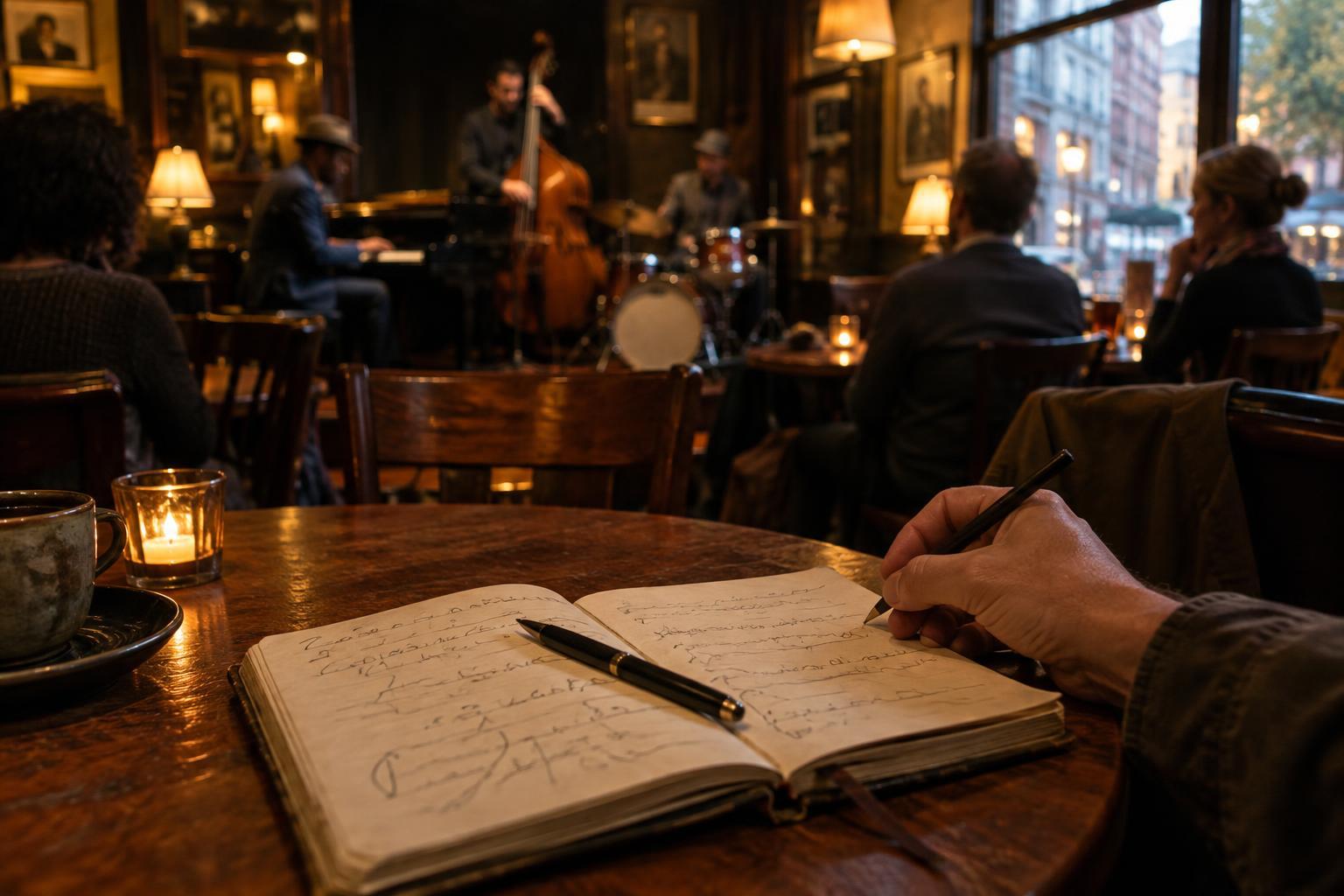
A listening journal is a record of your attention, not a test of how many musical terms you know. Choose one recording and give it an uninterrupted listen before writing anything. Then ask a narrow question: What kept drawing me back? You might notice a singer delaying a line, a repeated guitar figure, or a pause that makes the next sound feel stronger. Write down what you heard in ordinary language.
Keep the first entry short enough that you will want to make another. Note the recording’s title and performer if you know them, followed by two or three observations and one question. If you are unsure which instrument made a sound, describe it instead of guessing: “a bright, high reply after the vocal line” gives you something specific to investigate on a later listen.
Describe moments, not just moods
Words such as “raw,” “warm,” or “sad” can capture an impression, but they become more useful when you connect them to something audible. Instead of writing only “the groove feels relaxed,” note whether the beat seems steady while the singer enters a little behind it. Instead of “the guitar sounds urgent,” notice whether its notes are clipped, sustained, bent, or repeated. You do not need to explain how the sound was made to describe its effect.
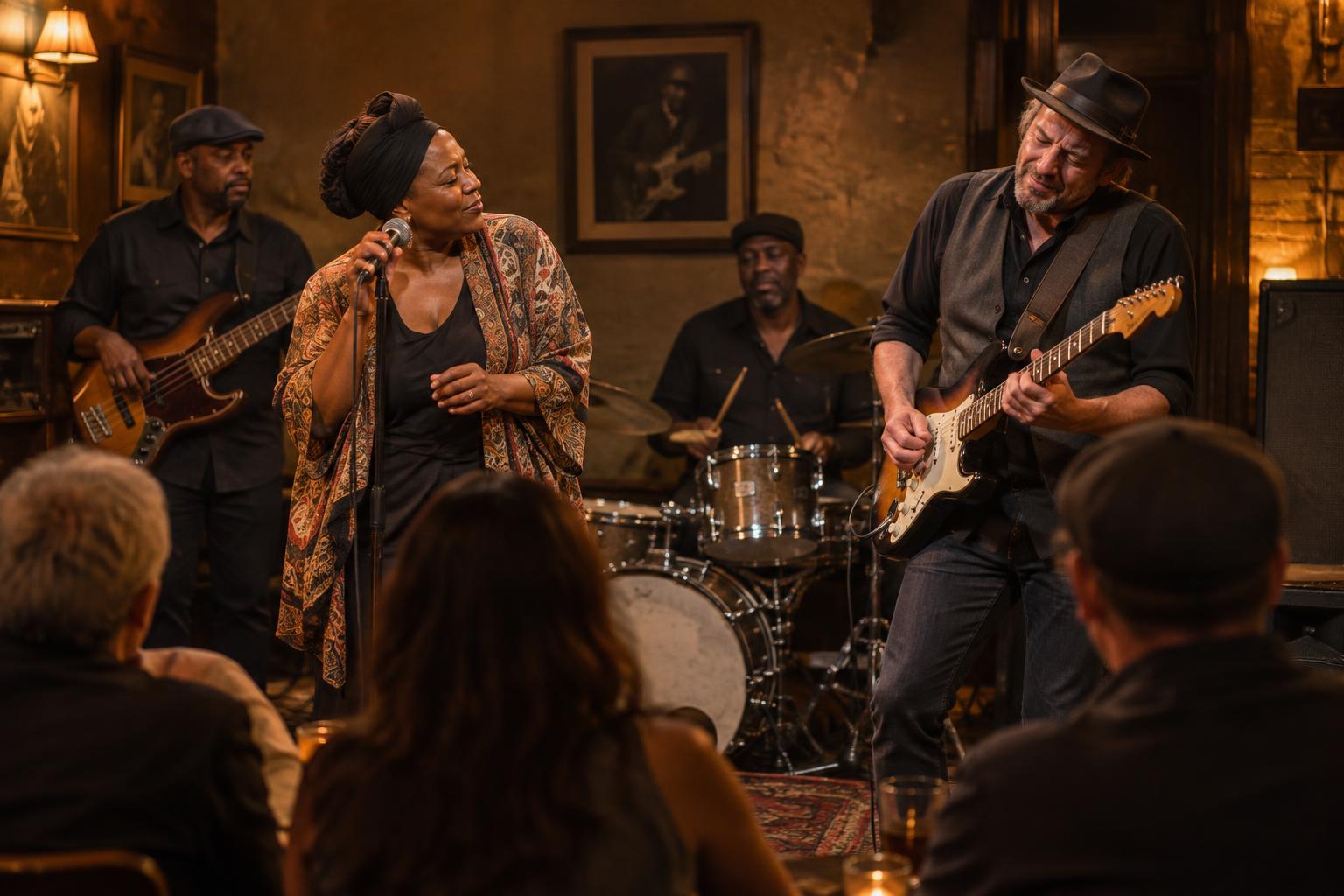
Try dividing a page into three loose prompts: voice, accompaniment, and change. Under “voice,” note phrasing or the space between lines. Under “accompaniment,” listen for what the instruments do while the singer is active. Under “change,” catch a moment when the texture grows fuller, drops back, or shifts emphasis. These prompts work even when you cannot identify every instrument, and they help you listen beyond the most prominent solo.
Return for a different kind of listen
On a second pass, follow one part you barely noticed the first time. The bass may hold a repeating pattern while the drums add small variations. A piano may answer the singer so briefly that its contribution is easy to miss. Write down whether your first impression changed. “I thought the song sped up, but the drummer may simply be playing more notes” is a valuable entry because it separates an impression from a possible explanation.
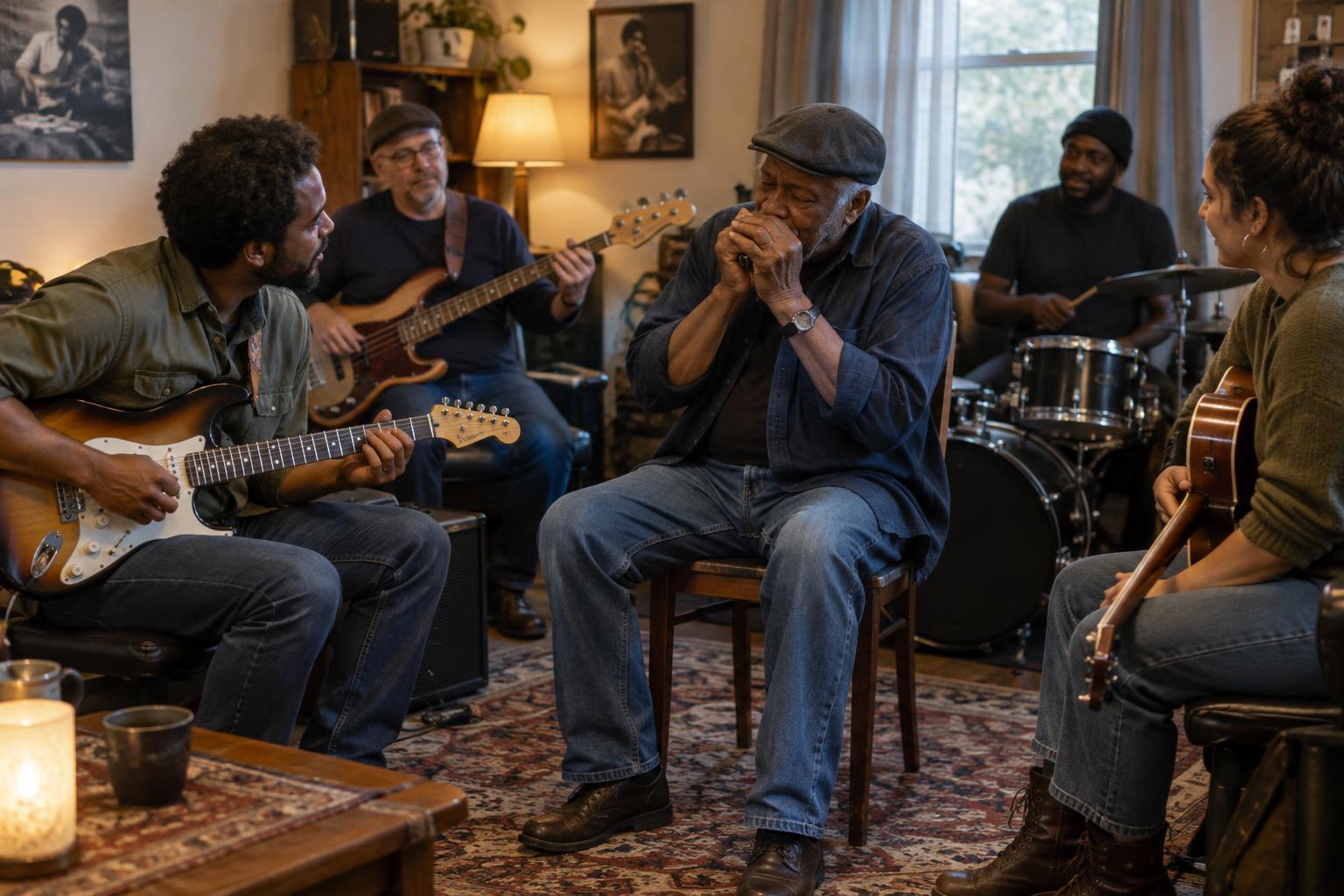
If you revisit the recording weeks later, leave the original notes intact and add a dated follow-up beneath them. Your ear and your attention may have changed. That does not make the earlier entry wrong; it shows what was most noticeable to you at the time. Questions left open can also guide a future session: Was that sound a harmonica or guitar? Does the same rhythmic detail appear throughout the track?
Compare without ranking
Two performances can help you notice choices that one performance alone makes easy to take for granted. Listen to two versions of a song, or to two tracks with a similar tempo, and choose one feature to compare. Does one singer leave more room between phrases? Does one band keep the backing spare while another fills the gaps? Avoid deciding too quickly which version is “better.” The useful question is what each approach lets you hear.
Keep your comparison grounded in the recordings, not assumptions about a style or performer. One track cannot stand for an entire tradition, and a recording may not tell you everything about the circumstances of a performance. A simple two-column note—“what stays similar” and “what changes”—can reveal a great deal without asking you to make broad claims. Add a sentence about which version you want to revisit and why.
Make the journal easy to keep
A notebook, a plain text file, or brief notes beside a personal playlist can all work. Pick the format you are most likely to reopen. You might keep a short list of recordings you want to hear again, with the question each one raised. That is more useful than building a long queue you never revisit. The journal grows through repeat listening, not through collecting as many entries as possible.
If this deliberate approach appeals to you outside music, browse Wardrobe Editing · Less and Better for ideas about choosing what to keep in a wardrobe. For a separate look at choosing pre-owned items thoughtfully, browse Secondhand Finds · Less and Better. Neither detour is necessary for keeping a listening journal: its real value is giving you a place to notice more, ask better questions, and hear a familiar recording differently the next time.