Start with a question, not a checklist
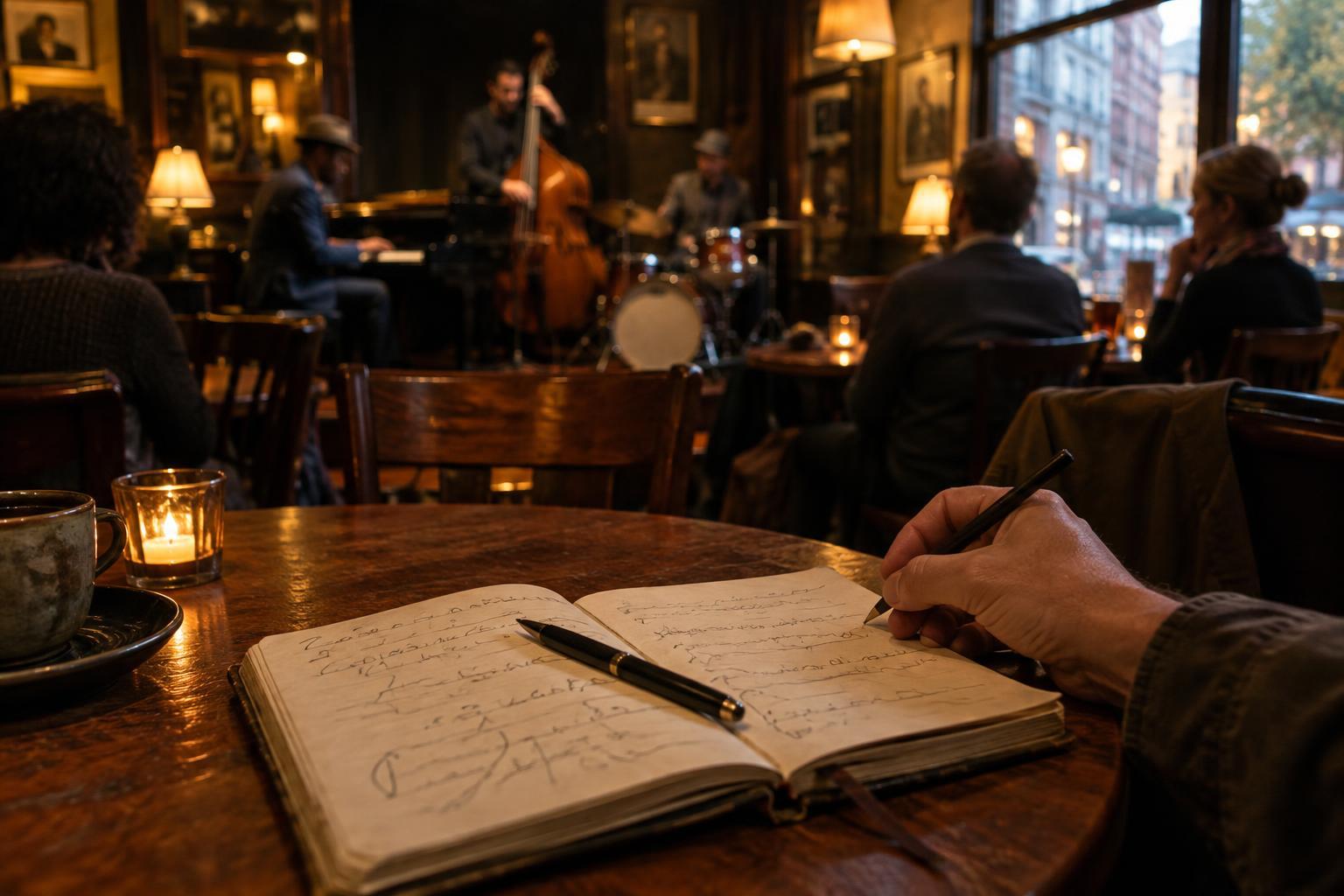
A setlist can remind you what a musician played. It rarely brings back the room, the way an audience responded, or the sound you heard on the walk home. A music travel journal gives those details somewhere to live. It need not be elaborate: a pocket notebook, a notes app or a few voice memos made privately after a show can all work.
Before leaving, write down one or two questions you hope the trip will help you explore. You might wonder how different venues shape your experience of blues, or what changes when you hear a familiar style in an unfamiliar place. These questions are prompts for attention, not assignments to prove a theory. Leave space to be surprised.
Keep practical details on the first page: the names of places you intend to visit, addresses you have checked, and room for corrections. The journal can then serve two purposes. It helps you navigate the trip while also preserving what the itinerary could not predict.
Notice the setting around the music
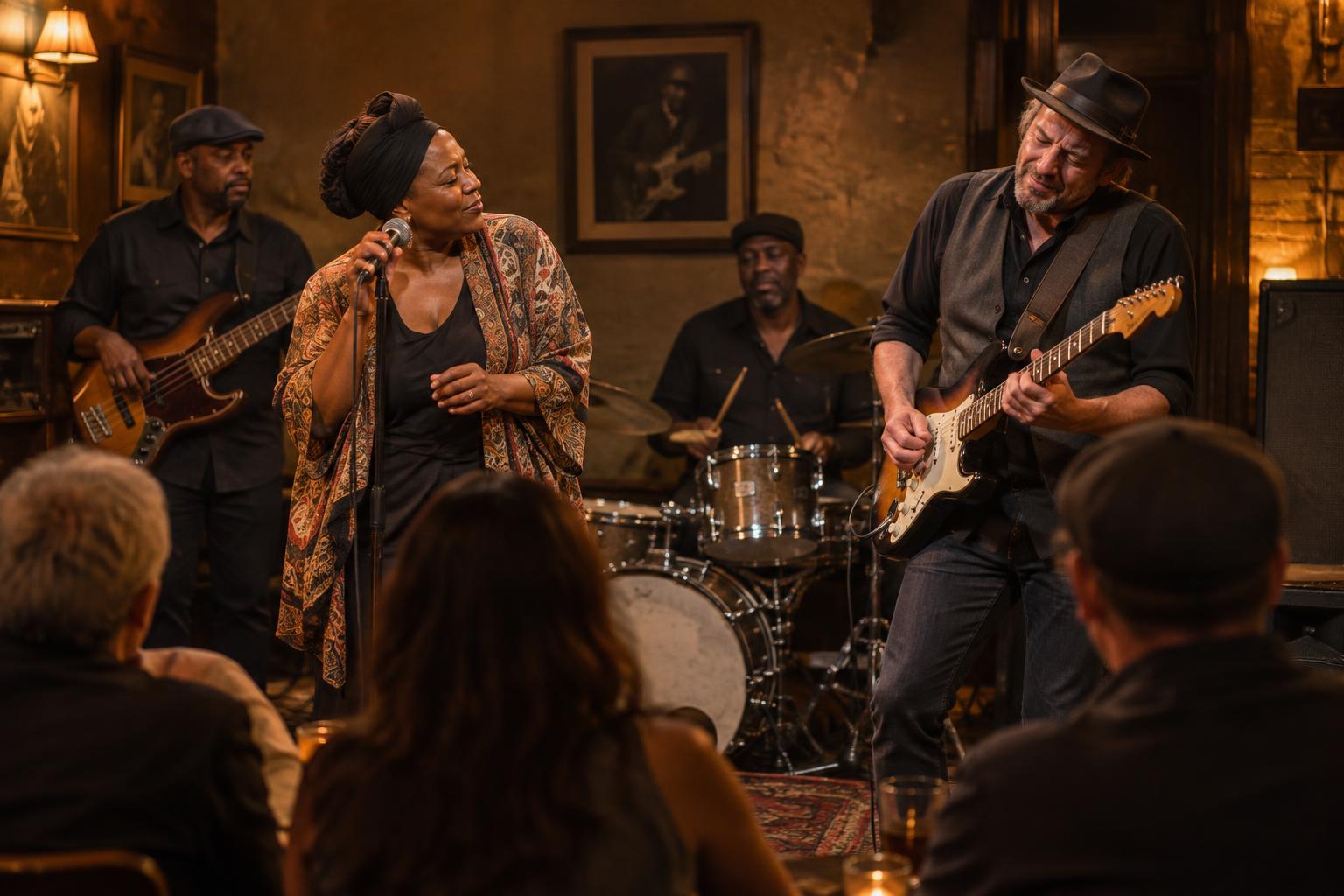
Soon after a performance, record a few concrete observations. Was the room arranged for seated listening, dancing or conversation? Could you hear individual instruments clearly, or did the whole band blend into one sound? Did the audience fall quiet during solos or respond aloud? Describe what you noticed without assuming that one room represents an entire city or tradition.
The journey to and from a venue can be worth noting too. A change from a busy street to a small performance space may affect how you experience the first song. So might arriving tired, excited or unfamiliar with the music. Recording your own state of mind is useful because a journal is an account of your experience, not an objective verdict on a performance.
Try separating observation from interpretation. “People sang along during the chorus” records something you witnessed; “everyone here knows this song” reaches further than that moment allows. This small distinction makes your notes more vivid and more trustworthy when you read them later.
Listen closely without turning the show into homework
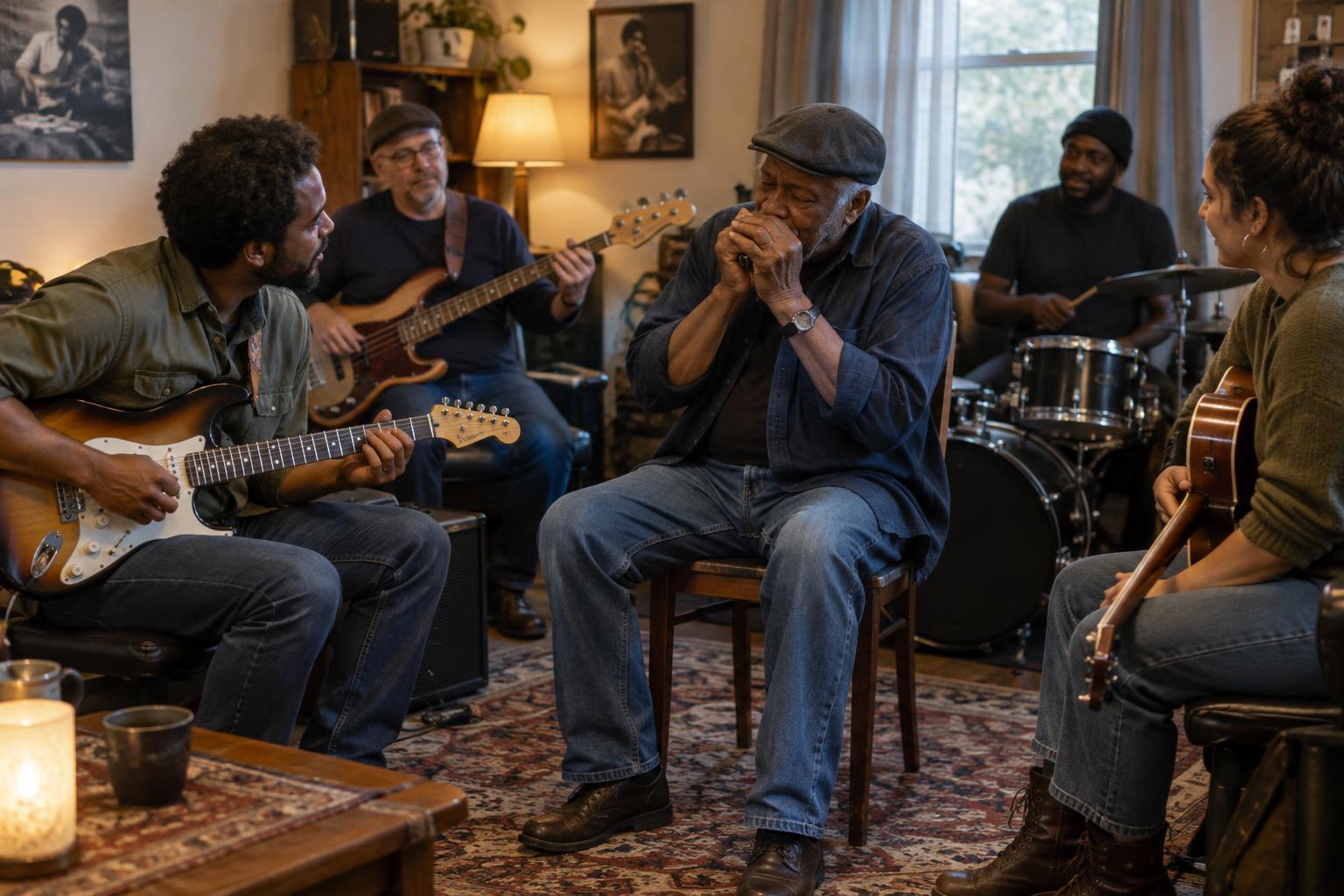
Choose a few details to follow rather than trying to document every song. You might listen for how a drummer leaves space for a singer, how a guitarist changes the feel of a repeated phrase, or how the group signals the end of a tune. If you do not know the technical terms, use ordinary language. “The piano answered the voice with short, bright notes” may tell your future self more than a term you are unsure about.
Jot down fragments between sets or after the show instead of writing continuously through it. If a title or musician’s name matters to you, check it against information made available by the venue or artist when possible; do not guess and later present the guess as fact. It is also fine to leave a blank and fill it in only if you can confirm it.
Give yourself permission to put the journal away. Attention is limited, and the point of traveling for music is to experience it. A handful of precise notes taken afterward can be more valuable than pages written while you were only half listening.
Treat people and spaces with care
Writing about a public performance is different from documenting everyone in the room. Avoid identifying audience members or recounting private conversations without permission. If someone shares a personal story, consider what you actually need to remember: the idea that changed your perspective may matter more than their name or exact words.
Ask before photographing or recording where permission is unclear, and respect venue rules and a performer’s wishes. A ticket does not automatically grant permission to capture an entire set. If you want a sound to remember, a written description made afterward is often enough. Notes can also preserve moments a recording misses, such as a pause before an encore or a conversation about the music on the way home.
Be equally careful when describing a neighborhood. A brief visit gives you a glimpse, not authority to explain a community. Write down what you saw, what you learned directly, and what you still do not know. That uncertainty is part of an honest travel journal.
Turn scattered notes into a lasting memory
At the end of each day, spend a few minutes adding context to hurried notes. Label the venue and date for your own reference, explain any shorthand you might forget, and mark uncertain details as uncertain. Add one sentence about what stayed with you. It might be a sound, a question or a moment that changed how you listened.
After the trip, read the entries in order. Look for connections without forcing them: perhaps you preferred intimate rooms, or perhaps a performance challenged your expectations of a style. Save tickets or programs if you have them, but let your own observations remain the center of the journal.
The result does not have to become a polished travel story. Its value lies in returning you to specific moments and helping you listen more attentively next time. Leave a final page for questions you would like to carry into another journey.