A movement of people, not just music
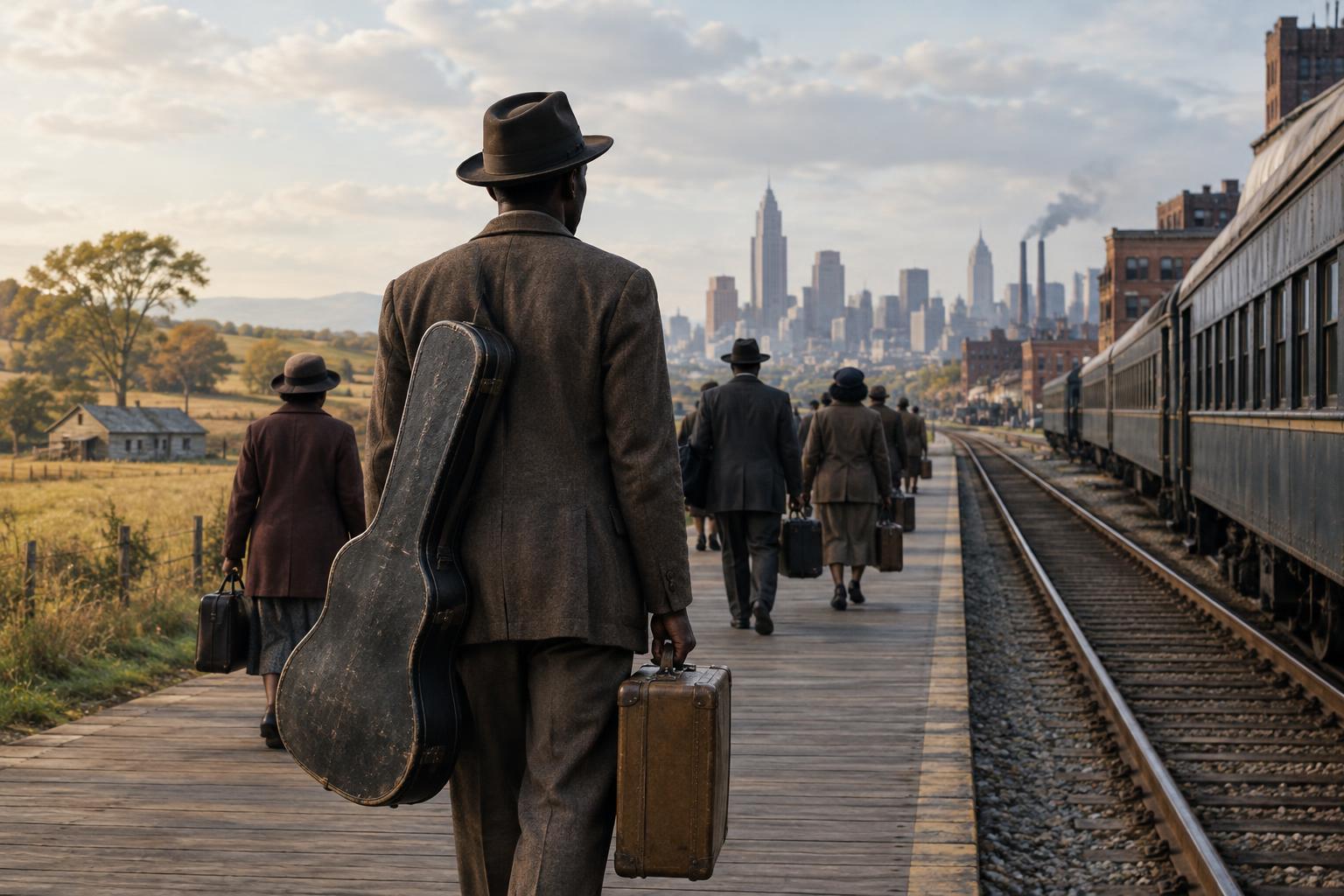
The Great Migration describes the movement of millions of Black Americans from the South to other parts of the United States during the twentieth century. People left for many reasons, including the search for work and education and the need to escape racial violence and discrimination. They traveled along different routes, often following relatives or friends who had gone before them. Music moved within those networks of family, work and community.
Blues did not arrive in northern or western cities as a single, finished rural style. It already took many forms across the South, from solo performances to small-group music heard in towns and cities. People brought songs they knew, ways of phrasing a line and approaches to rhythm. In new surroundings, they also listened to other musicians and changed what they played. Following blues beyond the South means listening for both continuity and adaptation.
How a song traveled
A musician did not have to make a famous record for a song to travel. Someone might learn a verse at a gathering, carry it to a new city and sing it with different words. Players could share a guitar figure or a way of answering the singer between vocal lines. Because blues performance allows room for variation, familiar material could sound distinct in another musician’s hands.
Commercial recordings and radio gave music additional paths across distance. A listener could encounter a performer without ever visiting the place where that performer worked. Records could also carry city sounds back toward the South, complicating any idea that influence moved in only one direction. None of these channels reached everyone equally, and hearing a record was not the same as taking part in a local musical community. Together, though, personal exchange and recorded sound helped connect players and audiences who might never meet.
What changed in the city
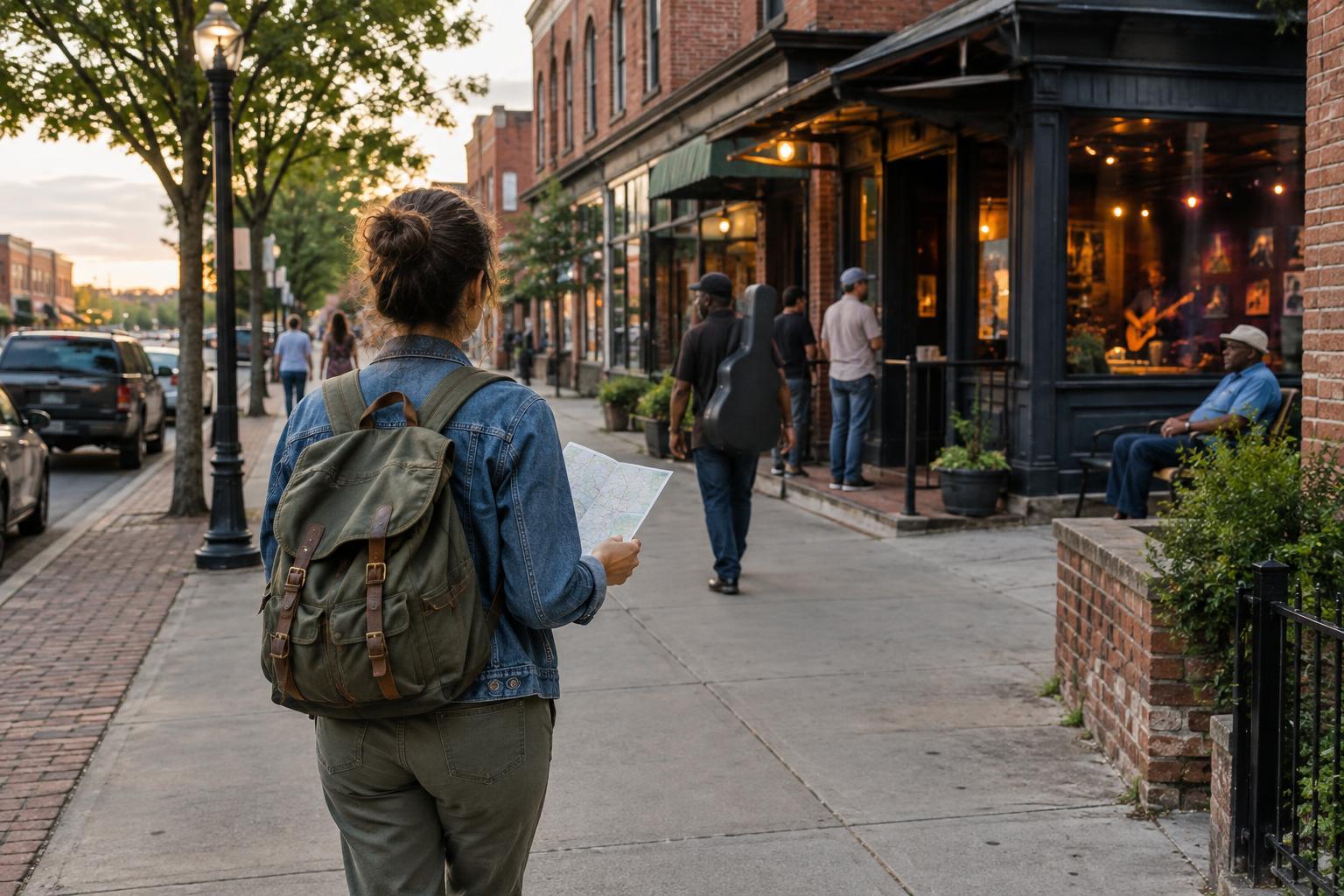
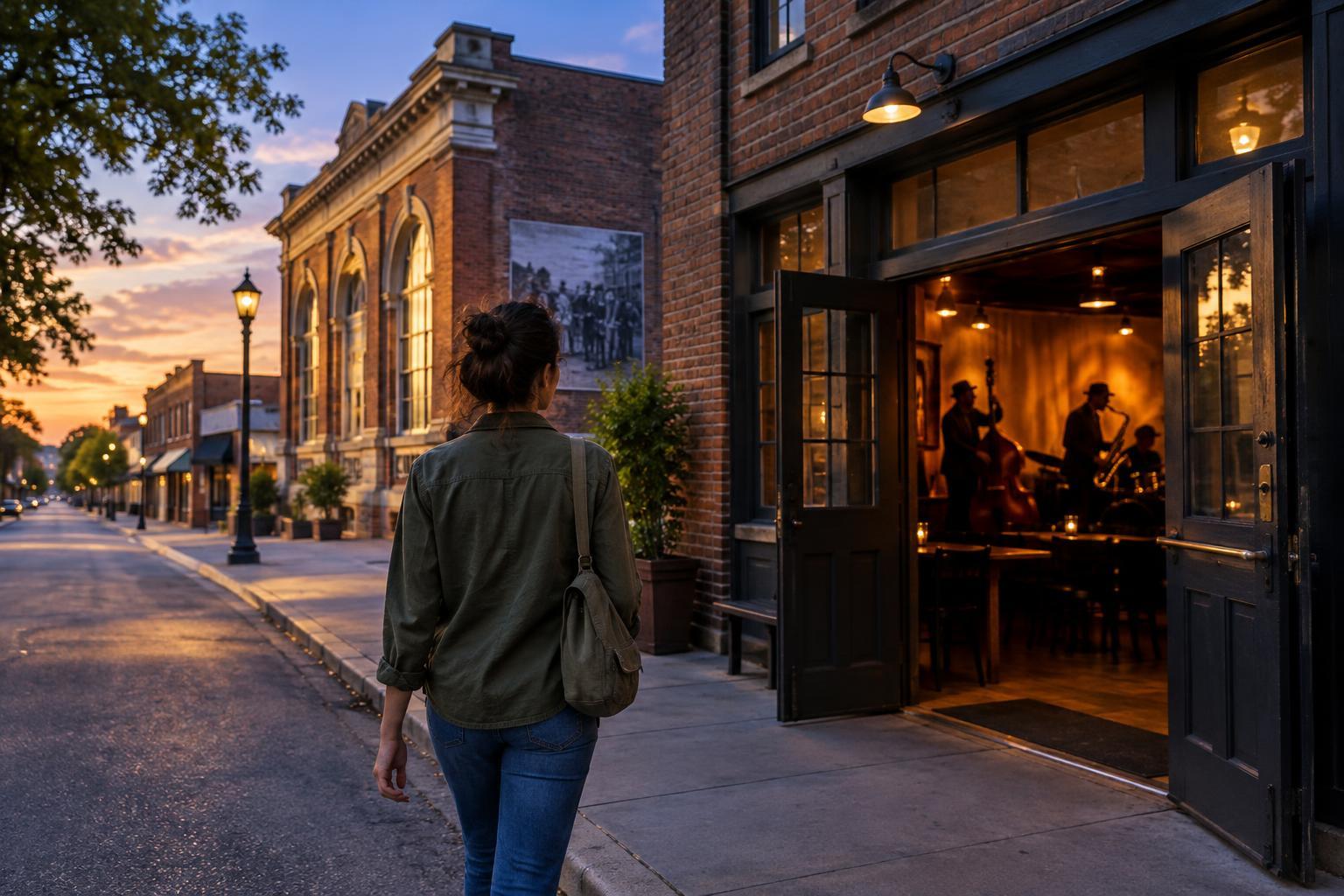
Cities offered musicians different places to play and different people to play for. A house party, a neighborhood club and a larger venue could each call for a different set, volume or ensemble. Musicians worked alongside players whose backgrounds and tastes varied. Blues could sit next to dance music, jazz and popular song rather than remain separate from them.
Chicago is often central to this story because it became strongly associated with amplified, band-based blues. In a busy room, amplification could help a guitar or harmonica be heard alongside drums and other instruments. Yet an electric guitar alone does not define urban blues, and Chicago was not its only destination. Cities including Detroit, St. Louis and Los Angeles had their own scenes and audiences. The useful question is not which city created the “real” blues, but how musicians responded to the people and spaces around them.
What listeners can hear across the journey
To hear migration as a process, start with a musical feature rather than a rigid label. Listen for a singer stretching a phrase beyond the beat, an instrument replying to a vocal line, or a repeated figure that gives the rest of the performance room to move. Those ideas can appear in performances with very different textures. A solo voice and guitar may leave pauses exposed; a band can turn similar exchanges into a dense conversation.
Then notice what a recording cannot tell you by itself. It may reveal instruments, arrangement and aspects of a performer’s style, but not every place the musician lived, every person they learned from or the full experience of an audience. Regional labels can be helpful starting points for listening, not complete biographies of a sound. Comparing performances with curiosity is more rewarding than treating one as an untouched original and another as a departure from it.
A wider way to understand blues history
The spread of blues beyond the rural South was part of a larger history of Black life in America. Migration brought people together in new neighborhoods while leaving ties to southern homes intact. Musicians could carry a remembered song into a new setting, borrow from a neighbor and make something suited to the room in front of them. That is why the music’s history cannot be reduced to a map with one starting point and one destination.
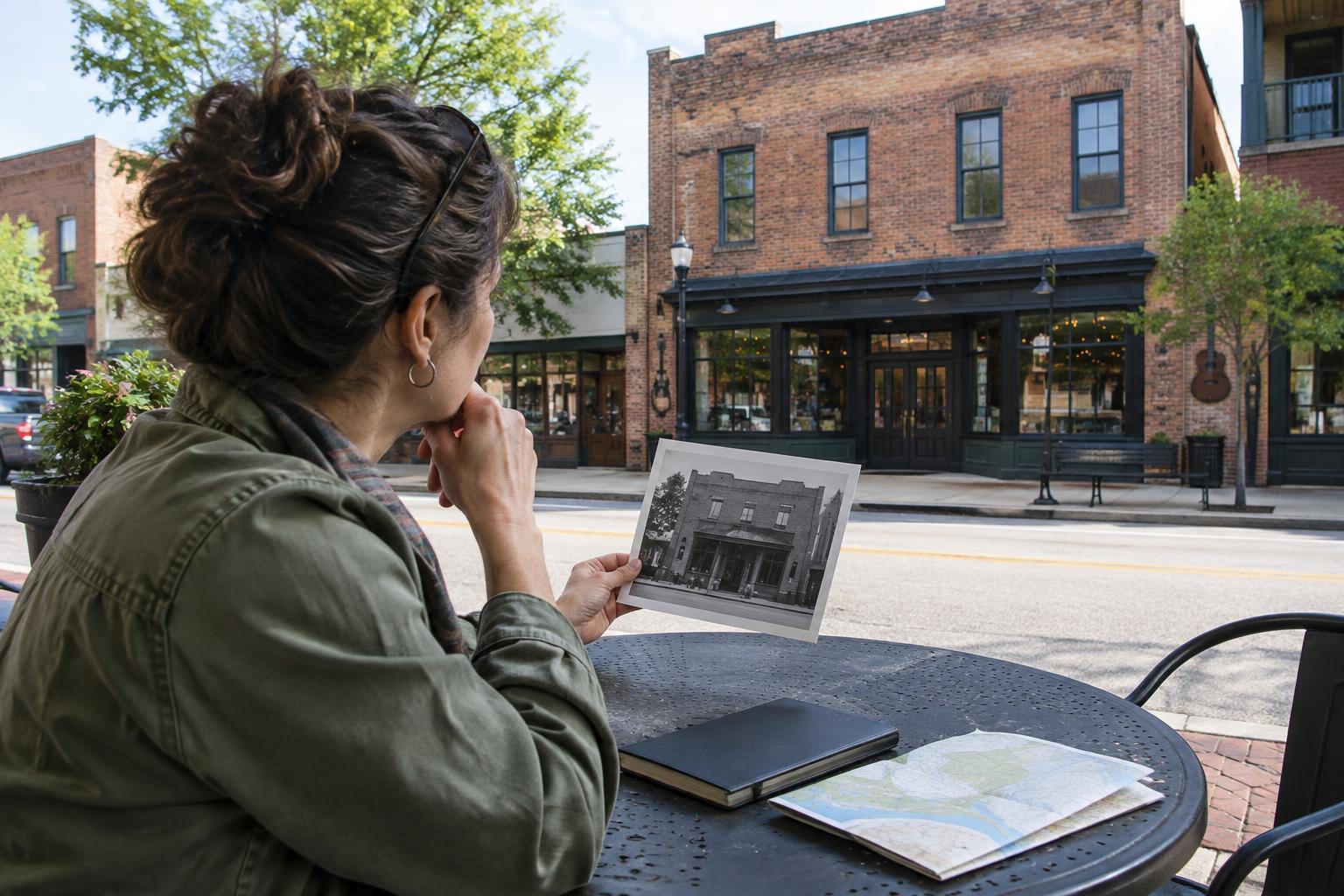
When exploring a blues tradition, consider the movement behind the performance as well as the sound itself. Ask who might have shared the music, where people could gather to hear it and what changed when it crossed into another community. Those questions make space for the choices of the people who carried blues forward.