Freedom changed the possibilities, not the need to struggle
Emancipation ended slavery in the United States, but it did not create equal access to land, safety, education or political power. For formerly enslaved people and their descendants, freedom meant new possibilities alongside severe constraints. Families sought to build stable lives, choose where to work and sustain their own institutions. Many also faced debt, exploitative labor arrangements and threats of violence.
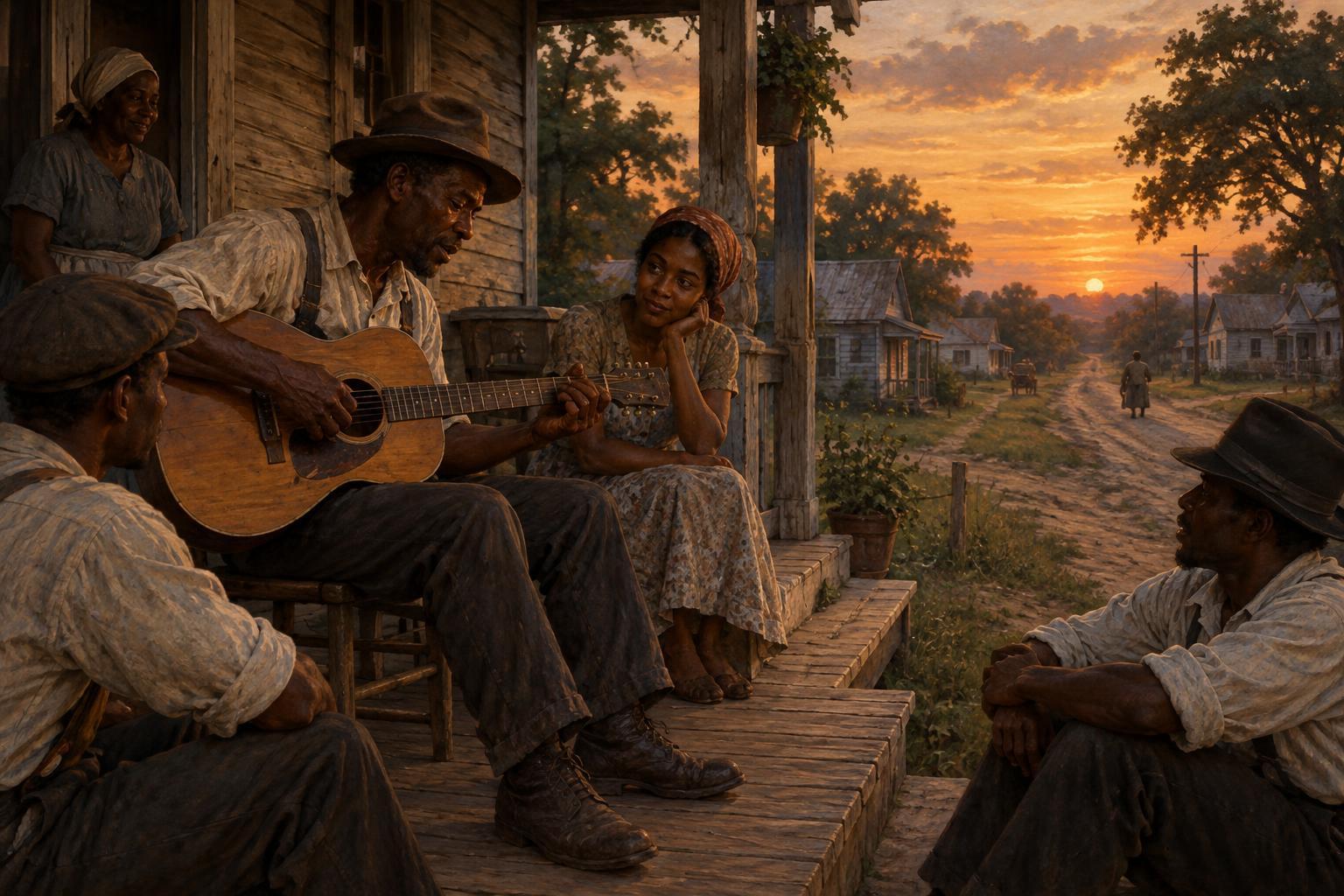
Early blues took shape over the decades that followed, especially in Black communities across the South. It cannot be traced to one moment, place or person. Nor should it be treated as a simple continuation of songs sung under slavery. Musicians inherited and transformed many ways of making music, including spirituals, work songs, dance music and ballads, while responding to the circumstances of their own lives.
Jim Crow shaped where people could live, work and gather
Jim Crow was a system of segregation and racial control enforced through laws, local practices and violence. It limited Black people’s access to public spaces and opportunities and made everyday movement less secure. Those conditions affected the world in which musicians earned a living: where they could perform, how they could travel and which audiences could hear them.
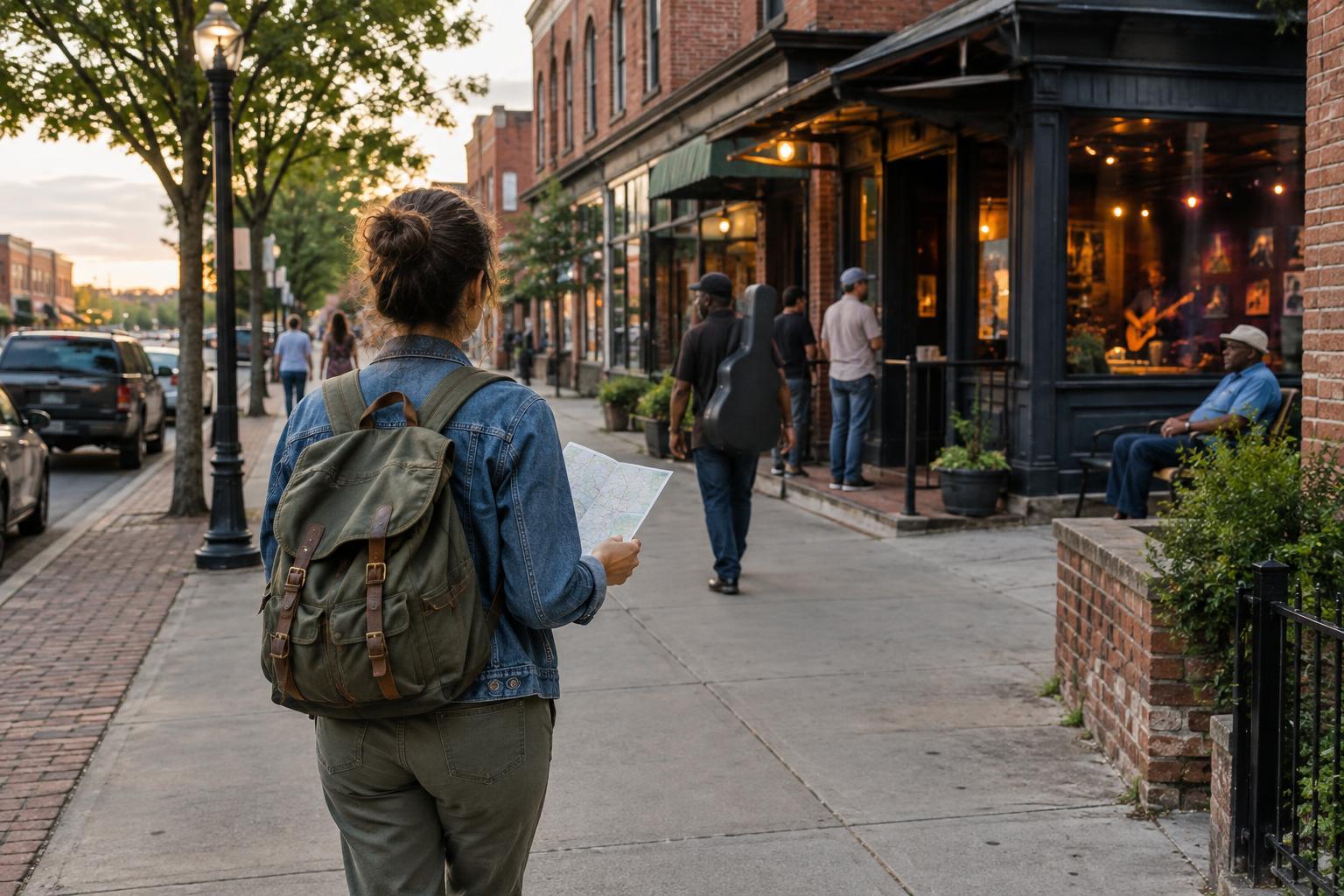
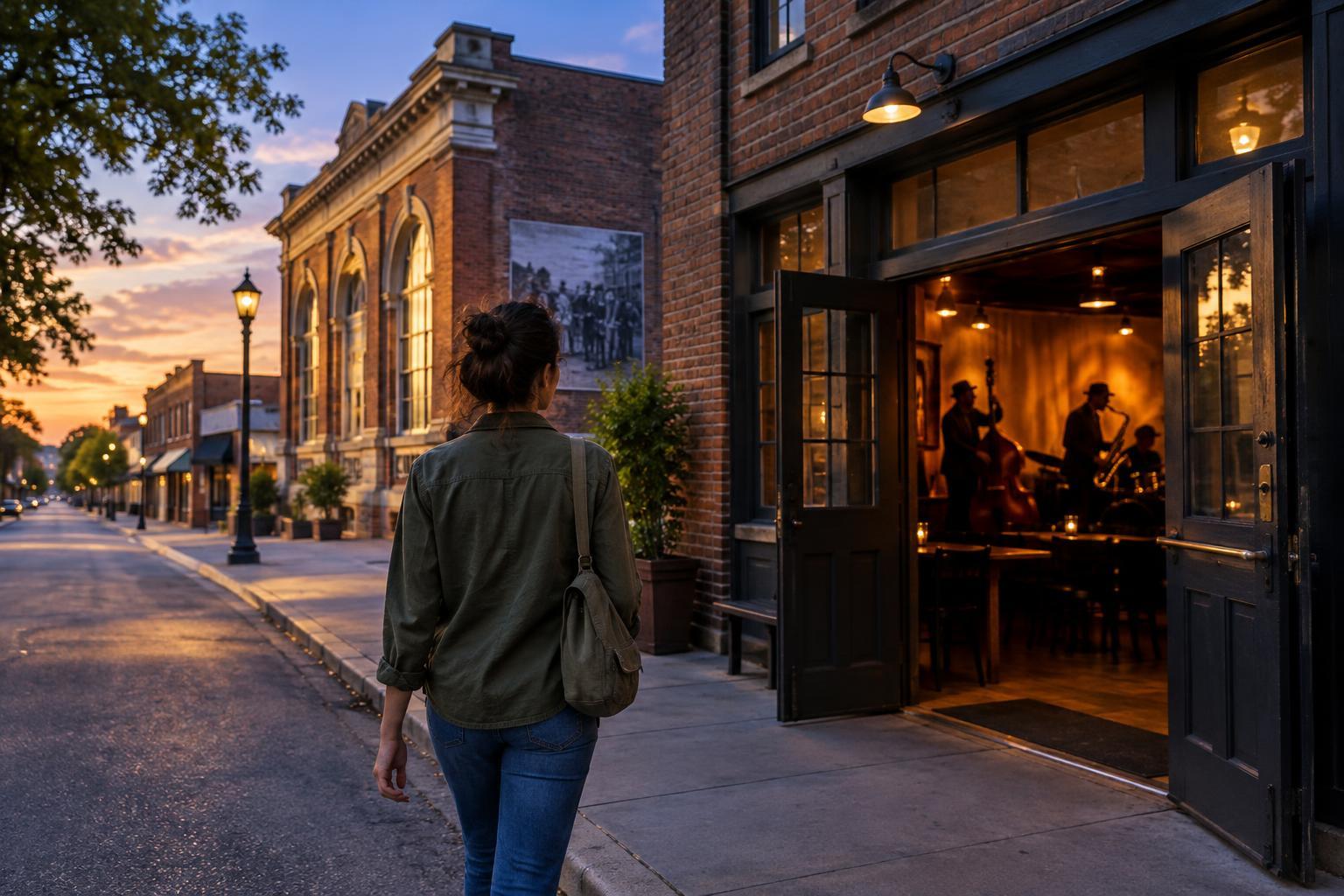
At the same time, Black communities built spaces for social life and expression. Music could be heard at gatherings, dances, parties, churches and places of work, though the music suited to one setting was not necessarily suited to another. A blues singer might entertain dancers, tell a comic story or offer a sharply observed account of a difficult relationship. Segregation shaped the boundaries of these spaces; it did not define everything the people within them sang, felt or imagined.
Work and movement entered the songs
After emancipation, many Black Southerners worked in agriculture, often under sharecropping or tenant arrangements that could leave families with little control over their earnings. Others worked in towns, on railways or in other demanding jobs. Blues lyrics sometimes addressed labor, money and the desire to leave. They also made room for love, humor, boasting and complaint. A song’s first-person voice might sound intimate, but it was not always a literal diary of its performer.
Movement mattered as much as place. Musicians carried songs between rural communities and towns, adapting words and melodies as they went. Later migration from the South expanded those exchanges and brought blues into new urban settings. It is tempting to divide the music neatly into rural and city styles, but people, instruments and ideas crossed those lines. Early blues was shaped by travel as well as by the ties people maintained to home.
The sound was flexible, and the business was unequal
Blues is often introduced through a familiar chord pattern, but early performances did not all follow one form. Singers could stretch a phrase to fit a story, repeat a line for emphasis or answer a vocal idea on guitar or piano. Shared musical practices gave performers a vocabulary; individual choices gave a performance its character. Listening for pauses, changes in tone and playful turns of phrase can reveal as much as listening for a set structure.
As blues reached commercial stages and recordings, the music found wider audiences. The businesses that presented it also operated within a segregated society. Record labels and promoters often sorted music by race, while performers did not necessarily control how their work was marketed or rewarded. Recordings preserved some voices, but they offer only a partial view of a tradition that also lived in informal performances and local communities.
Listen for lives beyond the stereotype
The history of emancipation and Jim Crow helps explain why freedom, exclusion, work and movement recur in accounts of early blues. It does not mean every blues song is about oppression. Treating the music only as an expression of pain can obscure the wit, craft, pleasure and independence that performers brought to it.
A useful way to listen is to ask what a performer does with a song: Who is being addressed? Does a repeated line change meaning when the final line arrives? Is the mood sorrowful, teasing, defiant or a mixture? These questions keep the historical setting in view while leaving room for the musicians’ artistry. Early blues emerged under profound constraints, but its makers were active creators of sound and meaning, not merely witnesses to hardship.