A song could travel without staying the same
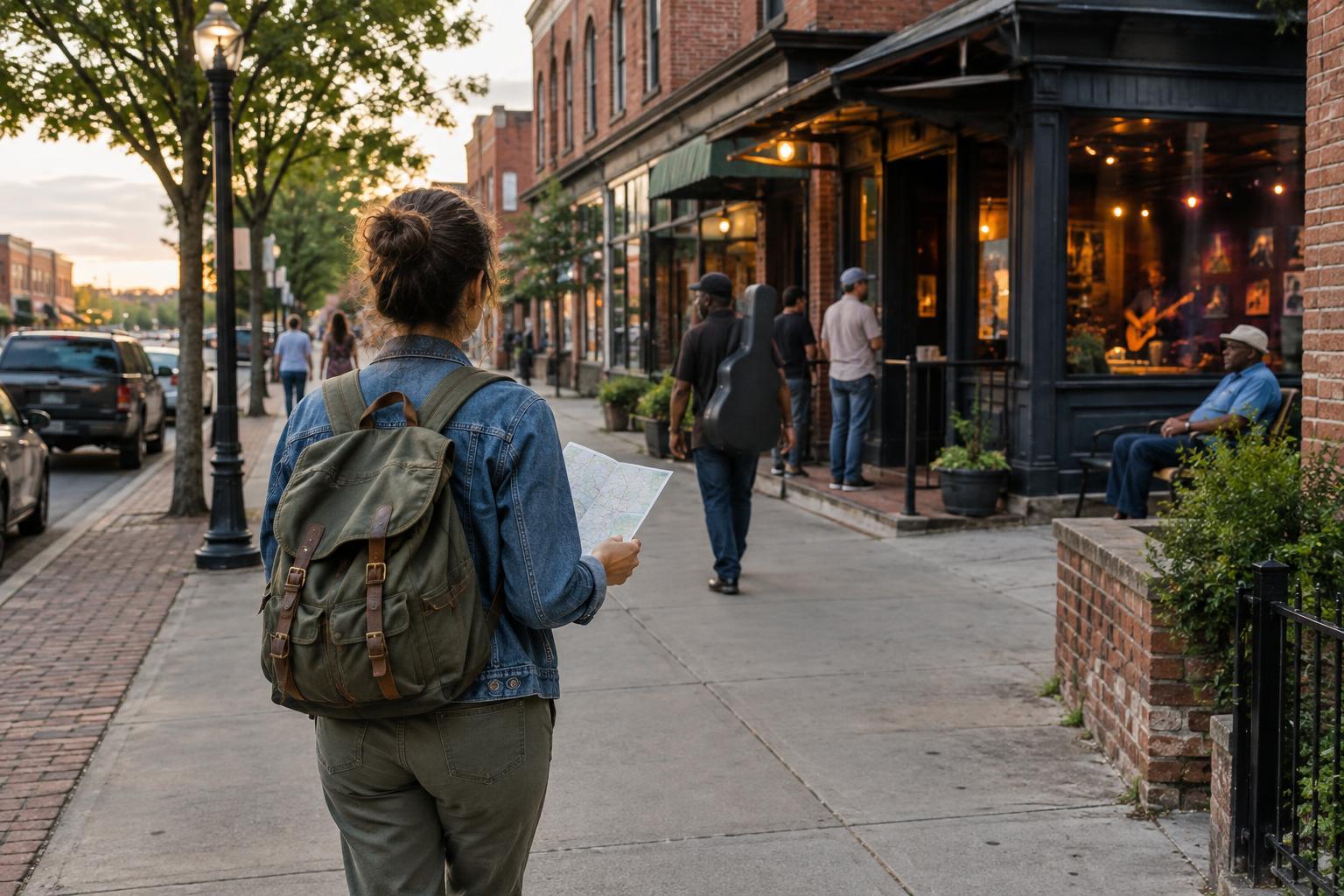
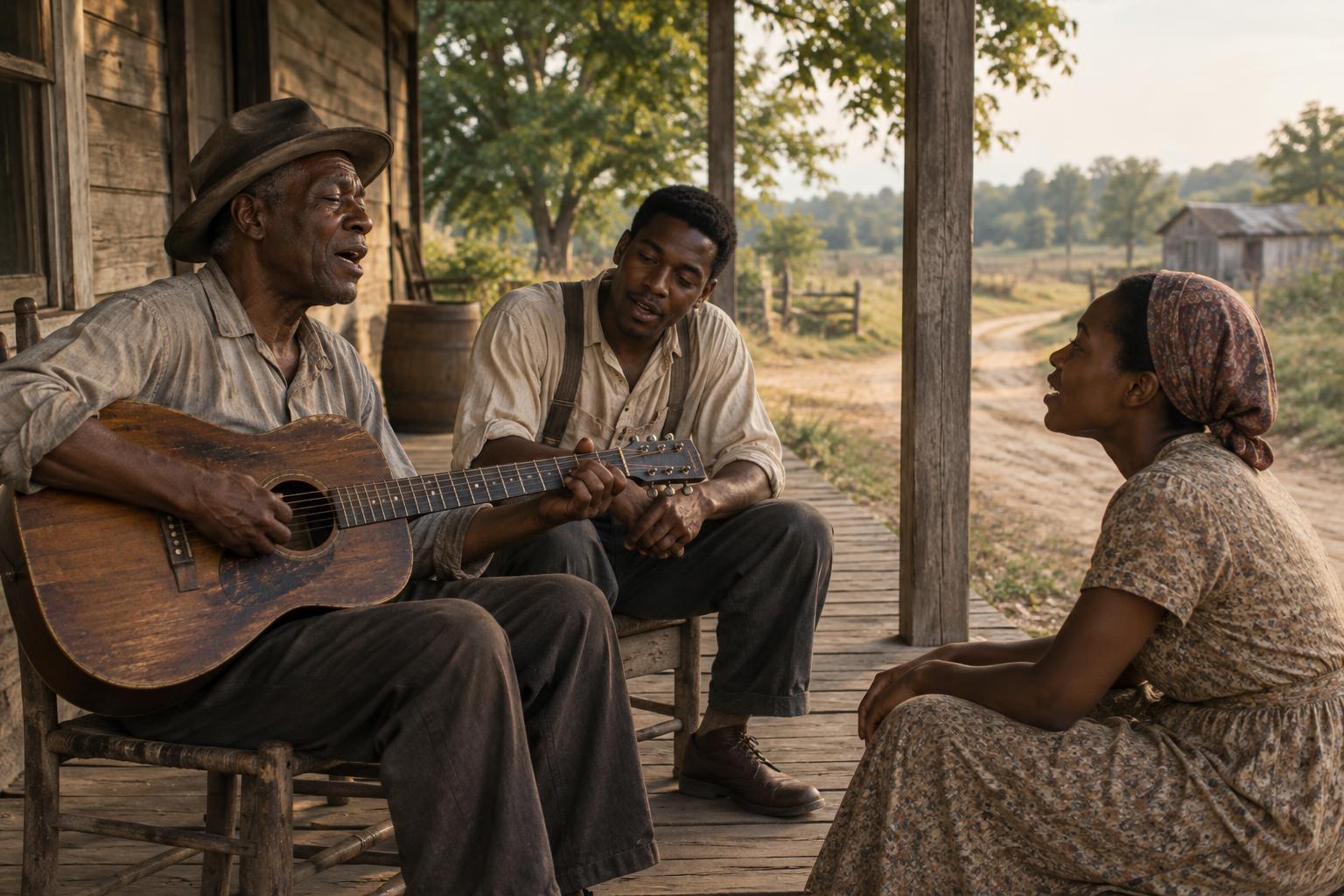
Imagine hearing a singer at a gathering, then trying a favorite line yourself the next day. You might remember the words exactly, keep only the tune, or replace a place name with one your listeners know. Before recordings offered a repeatable version of a performance, this kind of listening and reuse helped songs travel. It also meant that a song could change along the way.
Blues emerged from Black musical life in the American South, drawing on practices that included work songs, spirituals, dance music and other forms of expression. Its development cannot be reduced to one singer, one town or one moment. Nor was it an entirely unwritten tradition: people also exchanged music through print and other means. But hearing someone perform, and then making something of what you heard, was central to how musical ideas circulated.
Verses moved between singers
A singer did not always need to learn a complete song from beginning to end. A striking line, a familiar image or a short sequence of verses could be carried into another performance. These reusable lines are sometimes called floating verses. They could appear in different songs, paired with different melodies or given a new meaning by the verses around them.
That flexibility suited a music in which performers could respond to the room. A singer might extend a phrase, leave space for an instrument, repeat a thought for emphasis or change a detail to make it more immediate. Listeners who later sang a similar verse were not necessarily trying to reproduce an original. They might be continuing a musical conversation, using recognizable material to express something personal.
This is one reason familiar words alone do not always tell us where a blues song began. A verse could pass through many voices before anyone wrote it down or recorded it. Each performance offers evidence of what one musician did with the material, not necessarily a complete history of its travels.
People carried music across distances
Musical ideas could move wherever people met: at social gatherings, in homes, on streets and in places where musicians performed for an audience. Travel for work or family could bring a singer into contact with unfamiliar styles and send them home with a new turn of phrase. Musicians who played in more than one community could likewise introduce listeners to songs they had learned elsewhere.
That movement was not an effortless exchange in equal circumstances. The Black communities in which blues developed lived with segregation and other constraints on where people could work, travel and perform. Remembering those conditions matters because songs did not spread through an abstract network. They moved through people making music within the opportunities and limits of their lives.
A traveling verse might sound different from place to place. Its rhythm could shift to suit a performer’s delivery, while an instrumental response or a local reference gave listeners a new way into it. Shared material and individual style were not opposites; the tension between them helped keep songs alive.
Memory worked through patterns, not perfect copies
Repetition made a song easier to remember, but it also gave a performer room to change it. A line might be stated and then restated with a slight turn before a concluding line answered it. This familiar shape can help listeners follow a blues verse even when they have never heard its particular words. A memorable melodic phrase or instrumental figure could provide another point of recognition.
Learning by ear involves more than storing lyrics. A musician can notice where a singer pauses, how long a note hangs in the air, or how a voice and instrument answer one another. Those details may be difficult to capture on a page. When another performer takes up the idea, they may retain its expressive shape while altering its words or timing.
Oral tradition, then, does not mean a fixed work passed along imperfectly. It describes an active process of listening, remembering, choosing and performing. Variation is not simply a mistake in transmission. It can be the point at which a musician makes inherited material speak to a new audience.
How to listen for the tradition now
Recordings made it possible to return to a particular performance, but they did not end the practices that preceded them. Musicians could still learn by ear, borrow a phrase or reshape a familiar verse. At the same time, a recording preserves one version more firmly than a passing live performance does. It can tempt us to treat that version as definitive, even when the song had already lived in many forms.
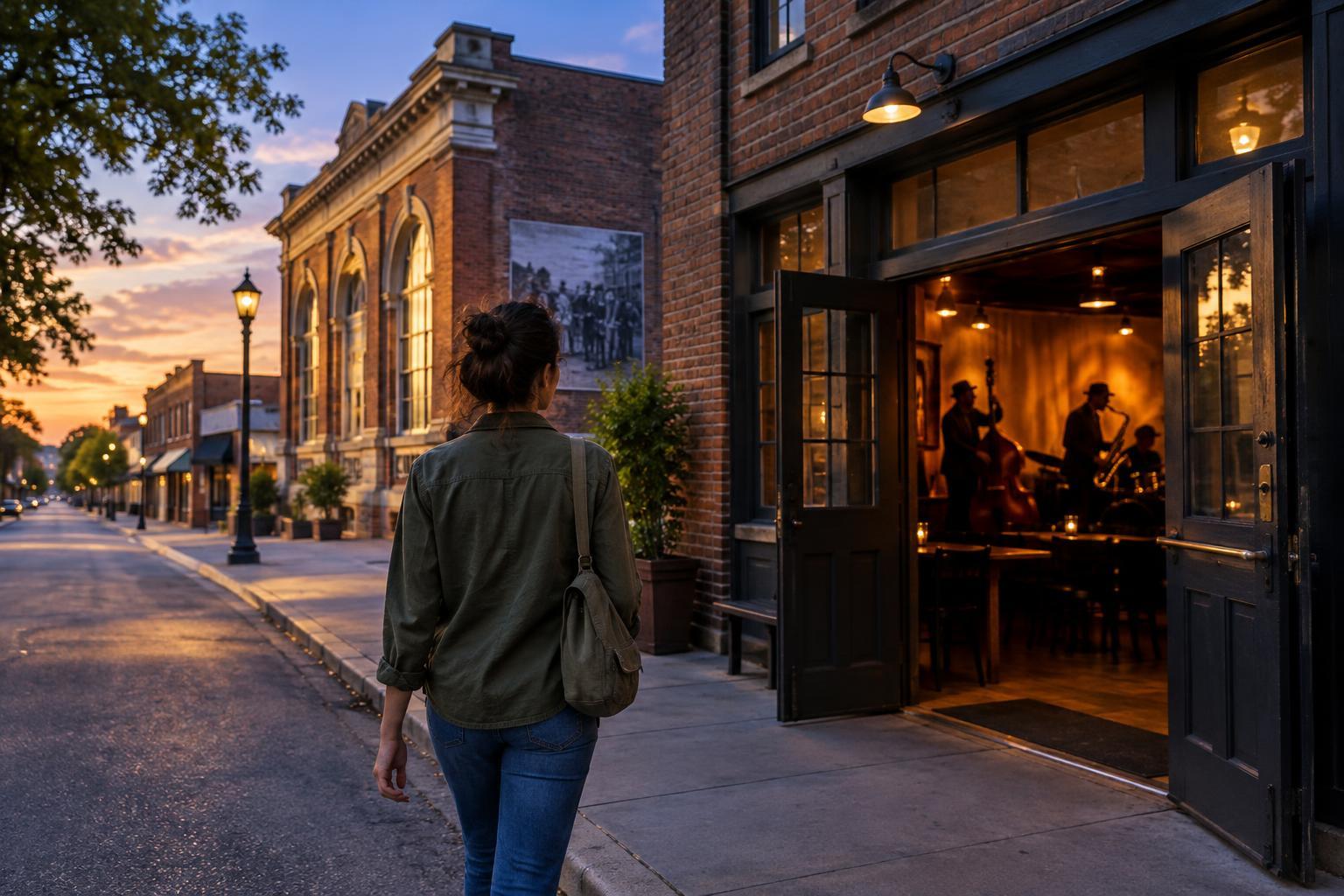
When you hear two blues performances with similar words, listen for differences as well as matches. Notice which line each singer emphasizes, where an instrument answers the voice, and whether a changed detail shifts the song’s mood. You do not have to identify a first version to appreciate the relationship. Listening this way brings the performers’ choices into focus—and offers a glimpse of how songs could travel before anyone could press play.