Trying to cover too much ground
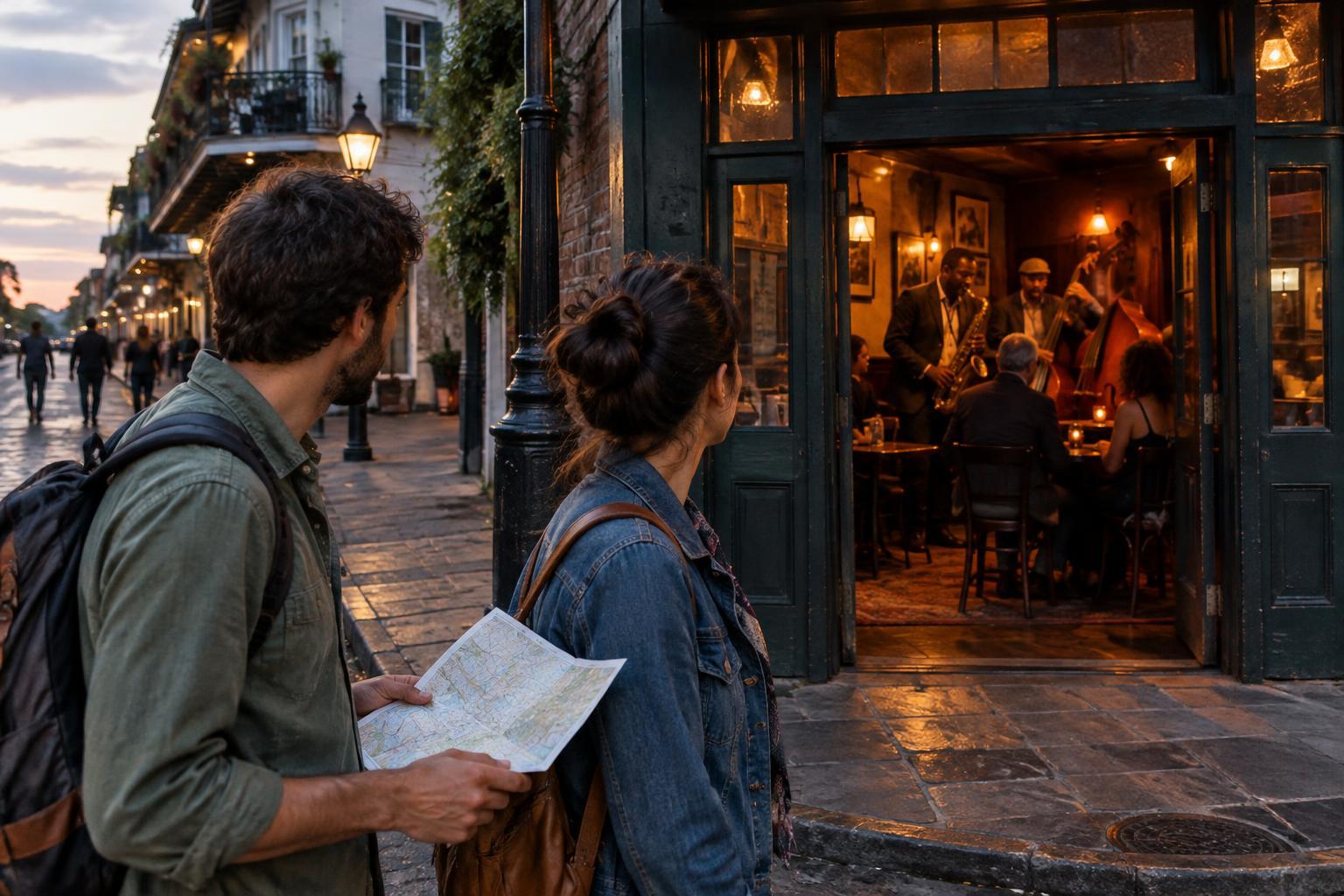
It is tempting to build a route around every place associated with blues history. On a map, the stops may look close enough; in practice, travel time, opening hours and the desire to linger can turn the trip into a race. If every day is tightly scheduled, you may spend more time getting between places than taking them in.
Choose a few priorities for each area and leave unscheduled time between them. A museum visit might raise a question you want to explore elsewhere, while an afternoon walk might help you understand how a neighborhood fits together. If a live performance is important to you, avoid planning an exhausting travel day immediately before it. A smaller itinerary gives you a better chance to pay attention.
Treating landmarks as the whole story
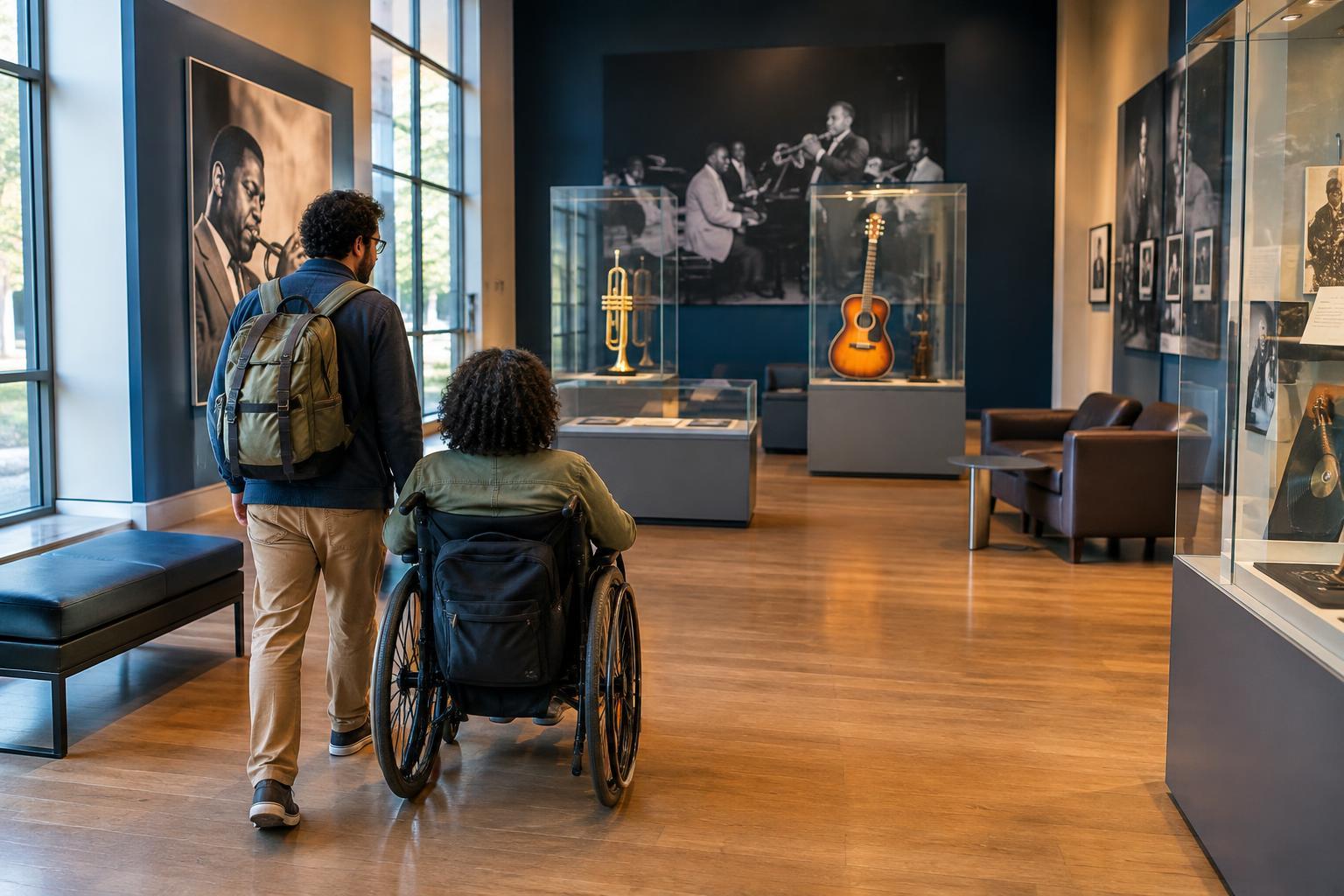
A marker, museum or preserved building can provide a valuable starting point, but no single stop can explain an entire music tradition. Blues developed through the work of many musicians and communities, not just the best-known names or most photographed locations. Its history also includes movement, collaboration and change.
Before you go, listen to recordings from more than one era and read the interpretive material offered at the places you visit. Notice which people and experiences are emphasized and which receive less space. Ask open-ended questions rather than expecting a location to confirm a story you already know. Leave room, too, for the distinction between a place’s historical significance and its present-day life: people live and work in communities that visitors may experience mainly as heritage destinations.
Expecting live music to serve a fixed itinerary
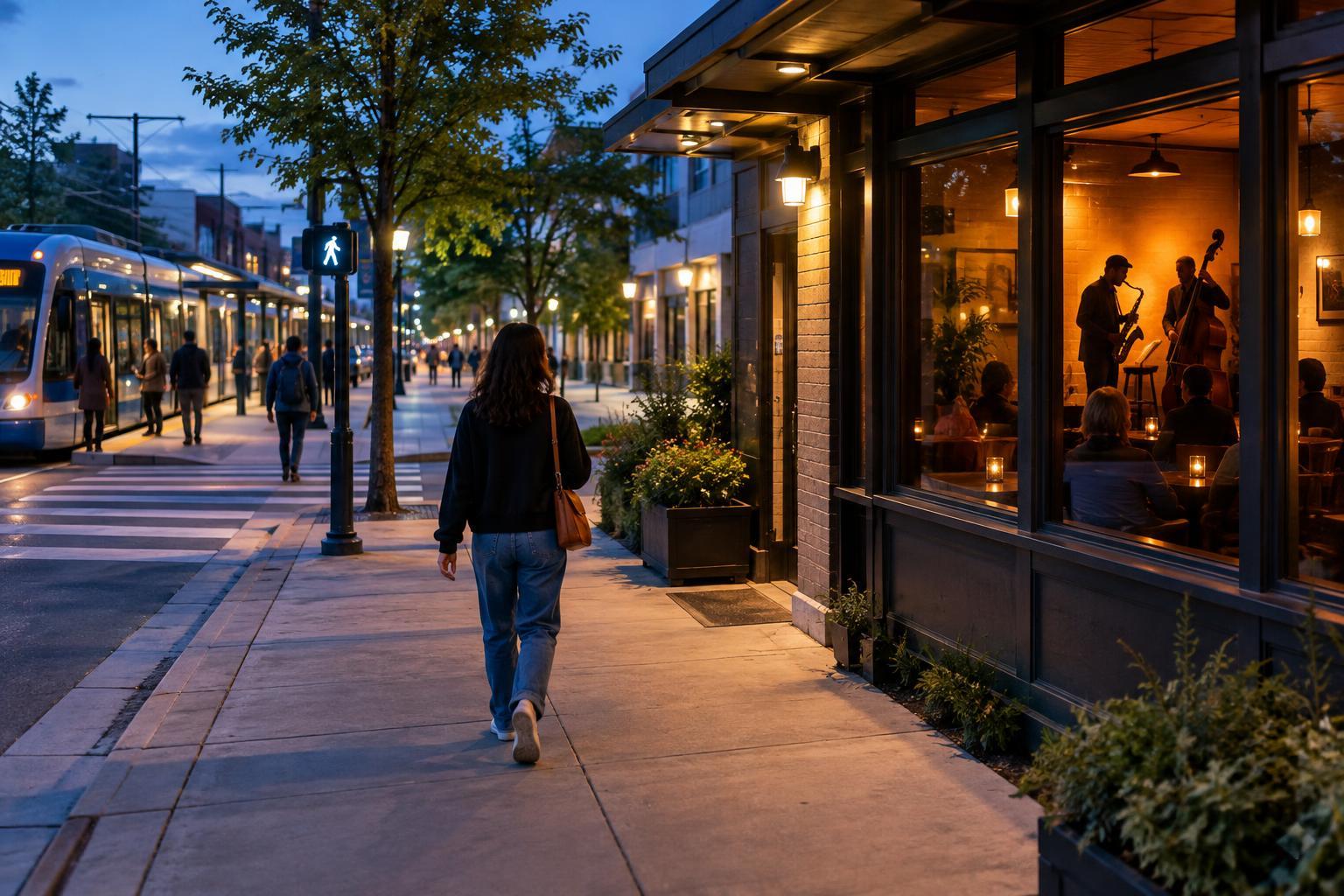
A trip built around live music needs flexibility. Performances, opening hours, admission arrangements and venue policies can change, so an old listing should not be your only plan. Even when a show goes ahead, the music may not match the style you expected. Blues is a broad tradition, and a night out is an encounter with working musicians rather than a reenactment arranged for visitors.
Check details directly with the venue close to your visit, and keep a backup option that does not depend on a performance. Once inside, follow the room’s lead: listen when the music calls for listening, keep conversation at a considerate level and learn the policy before taking photos or video. If there is a cover charge or another stated way to support the performance, factor it into your plans rather than treating the music as a free backdrop.
Overlooking the people behind the place
Heritage travel can slip into collecting names and images. A photograph of a storefront or stage may become the goal, while the people who care for the space, perform there or share its history receive little attention. That approach can make an active cultural setting feel like a display.
Take time to read what local organizations and venues say about themselves. When visiting a small space, respect posted rules and ask before photographing people or private property. If someone offers a story, listen without pressing them to act as a personal guide. Where it suits your budget, paying admission, buying music directly from artists or patronizing local businesses are straightforward ways to contribute. None of these gestures makes a visitor an insider; they simply help keep the visit respectful.
Coming home with only a checklist
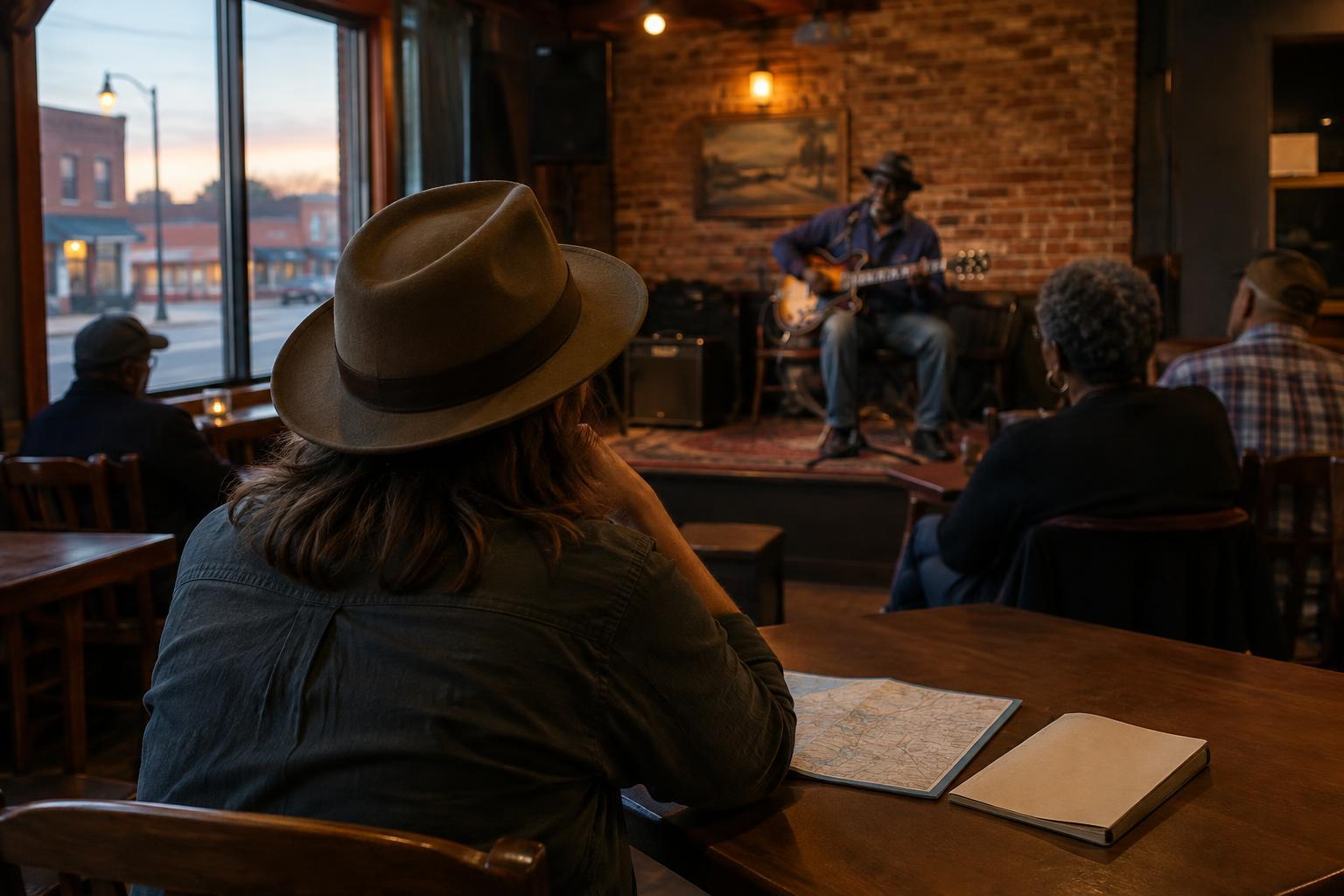
It is easy to remember which stops you reached and forget what you heard. A blues heritage trip can offer more than proof that you stood in a famous place. Songs, exhibits and conversations may complicate your first impressions, and that is often the most useful part of traveling.
Keep brief notes about the music you encounter: an instrument’s sound, a lyric that caught your attention or a question to follow up later. Record the names of musicians whose work you want to explore, checking the spelling when you can. Back home, listen again rather than presenting a short visit as a complete understanding of the tradition. A thoughtful trip need not end with a definitive account. It can leave you with better questions, deeper listening habits and a clearer sense of how much remains to learn.