Start with the sound you want to practice
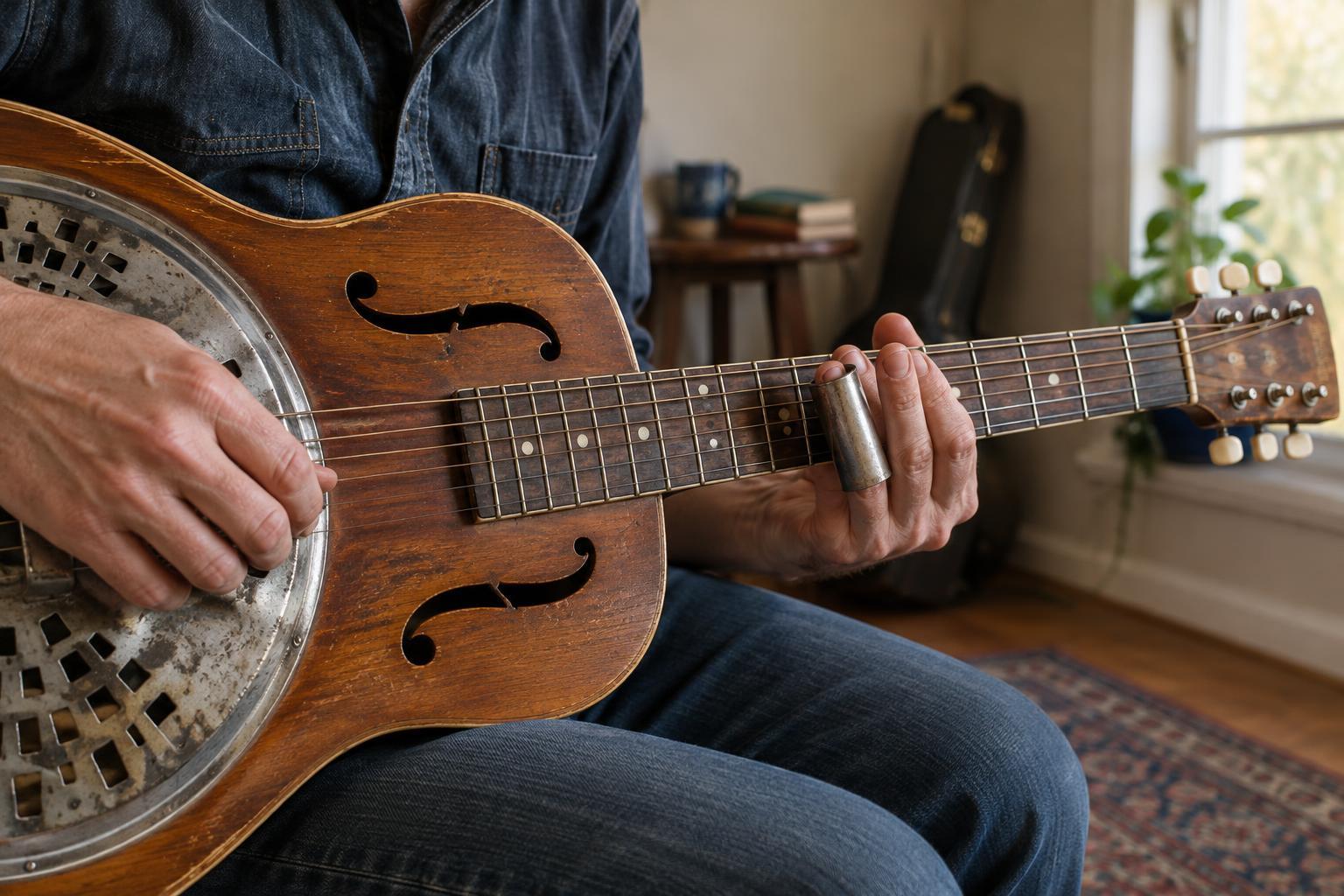
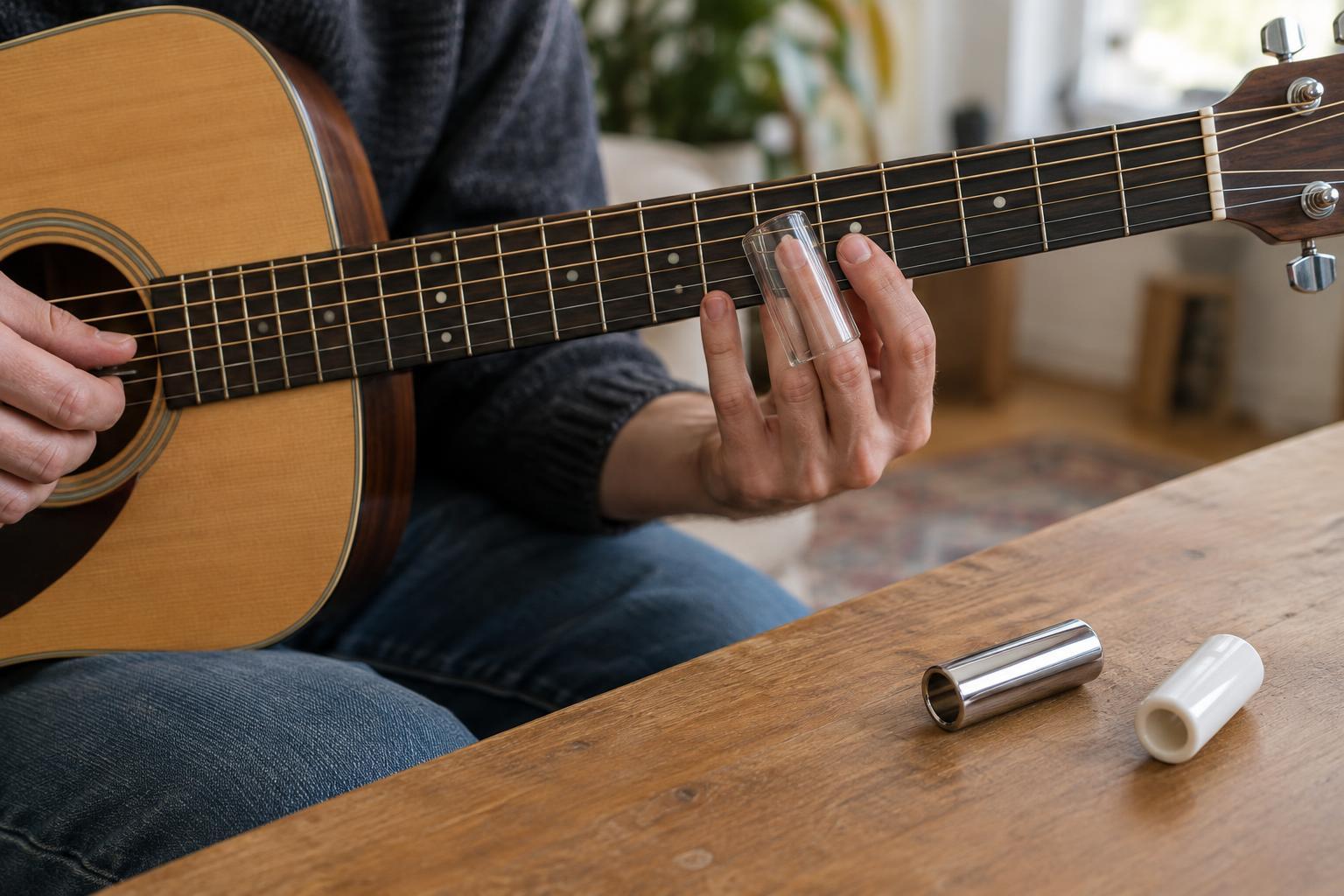
There is no single guitar required for blues. An acoustic lets you play without an amplifier and can suit fingerpicking, slide and songs built around a strong rhythmic pulse. An electric makes it easier to explore amplified tones and techniques such as sustained notes and expressive bends. Both can teach you timing, phrasing and how to make a short musical idea feel complete.
Think less about which type looks most authentic and more about where you will play. If you want to pick up a guitar on the sofa and practice without plugging in, an acoustic may be appealing. If the sounds that draw you in rely on an amplifier, an electric may keep you more engaged. Try both before deciding if you can; the one you want to reach for is a strong candidate.
Put comfort ahead of specifications
A guitar that fights your hands can make early practice frustrating. Hold each candidate as you normally plan to play, seated and, if possible, standing with a strap. Check whether the body feels manageable, the neck sits comfortably in your hand and you can reach the first few frets without straining. Electric guitars vary in weight and shape; acoustics vary in body size and depth. A smaller body is not automatically better, but it may be easier to hold.
Play a few simple chords and single notes on every string. You do not need polished technique to notice sharp fret edges, strings that feel unusually hard to press or a neck that feels awkward to you. Do not reject a guitar merely because its strings seem high, though: string height, often called action, can sometimes be adjusted. Ask whether the shop can assess it before you decide.
Budget for the guitar you can actually use
Set a total spending limit rather than a price for the instrument alone. An electric needs an amplifier or another suitable way to hear its amplified sound, plus a cable. Either type may call for a tuner, picks, spare strings, a strap and a protective case or bag. Leaving room for a setup can be more useful than spending every bit of the budget on a model with extra features.
A used guitar can offer good value, but inspect it carefully and ask a knowledgeable player or repairer to help if you are unsure. Check that the tuning machines turn smoothly, the electronics on an electric work without cutting out, and the neck and body have no obvious damage. Cosmetic wear may be acceptable; problems that affect tuning or playability deserve closer attention. If buying from a shop, ask what adjustments or returns it offers.
Understand what a setup can change
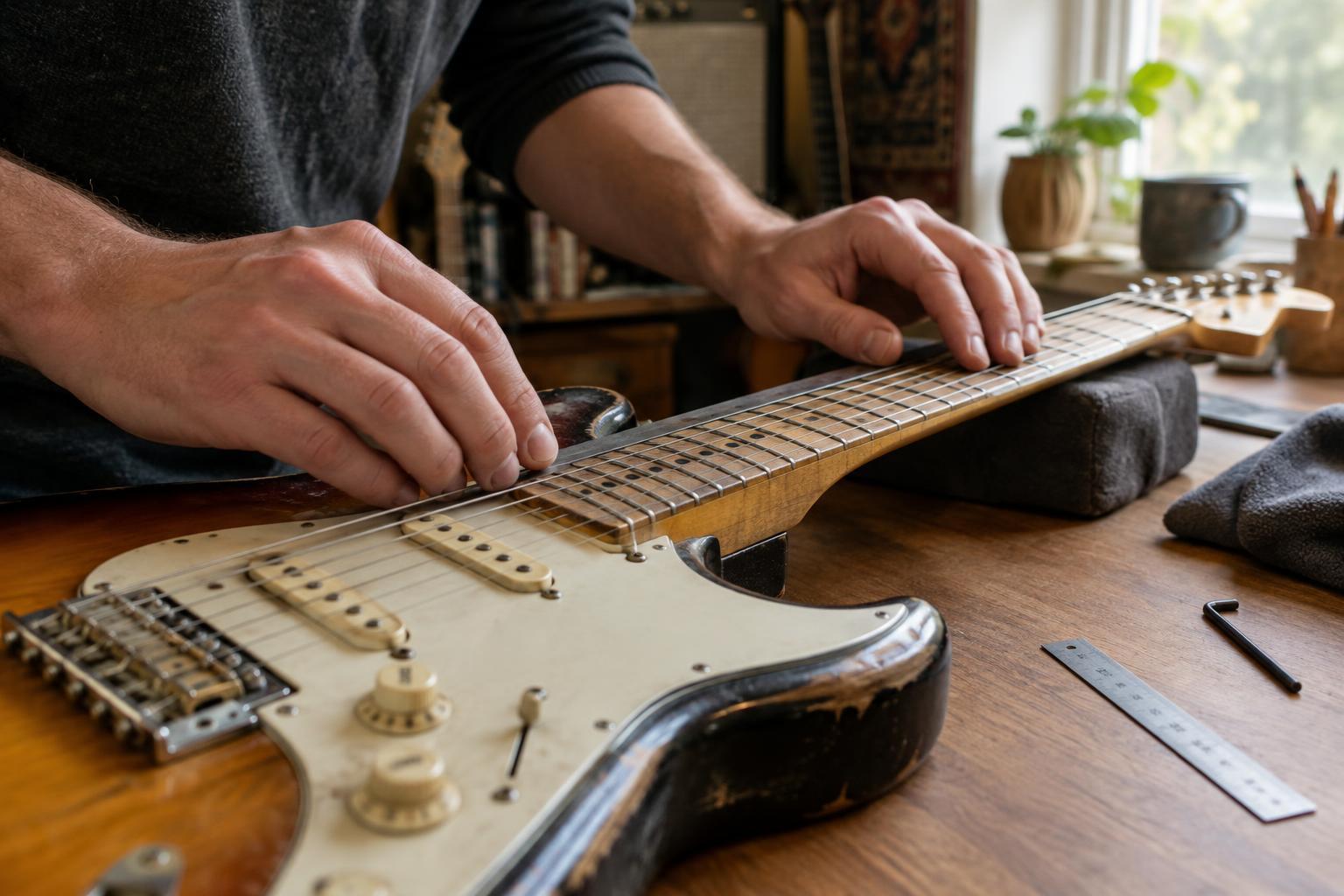
A setup is an adjustment of the guitar you have, not a way to turn a poor instrument into a perfect one. Depending on the guitar, a technician may adjust neck relief, string height and intonation, and check for buzzing or tuning problems. Fresh strings of a suitable gauge can also change how the instrument feels. These details matter for blues playing, where bends, vibrato and cleanly fretted notes are easier to explore when the guitar responds predictably.
Before paying for work, describe what feels wrong rather than requesting a particular measurement. For example, say that a chord is difficult to hold or that notes buzz in one area. Some adjustments are straightforward, while others may reveal a repair that is not worth the cost on that instrument. If you are comparing guitars, ask to try them in playable condition so a simple adjustment does not decide the purchase by accident.
Use a short, repeatable playing test
Bring the same small test to every guitar you try: tune it, play two familiar chords, pick a few notes across the neck and try a gentle bend if that is already part of your playing. Listen for notes that ring clearly and notice whether the instrument stays reasonably in tune. On an electric, test the controls and pickup selections through an amplifier at a comfortable volume. A quiet shop test cannot tell you everything, but it makes comparisons less dependent on first impressions.
If you are new enough that you cannot play a test phrase yet, ask someone to demonstrate and then hold and try the guitar yourself. Take your time with the feel of the instrument. Your first blues guitar is a starting point, not a final statement about your sound. Choose one that fits your routine, leaves room for essentials and makes the next practice session inviting.