Decide what you want to hear
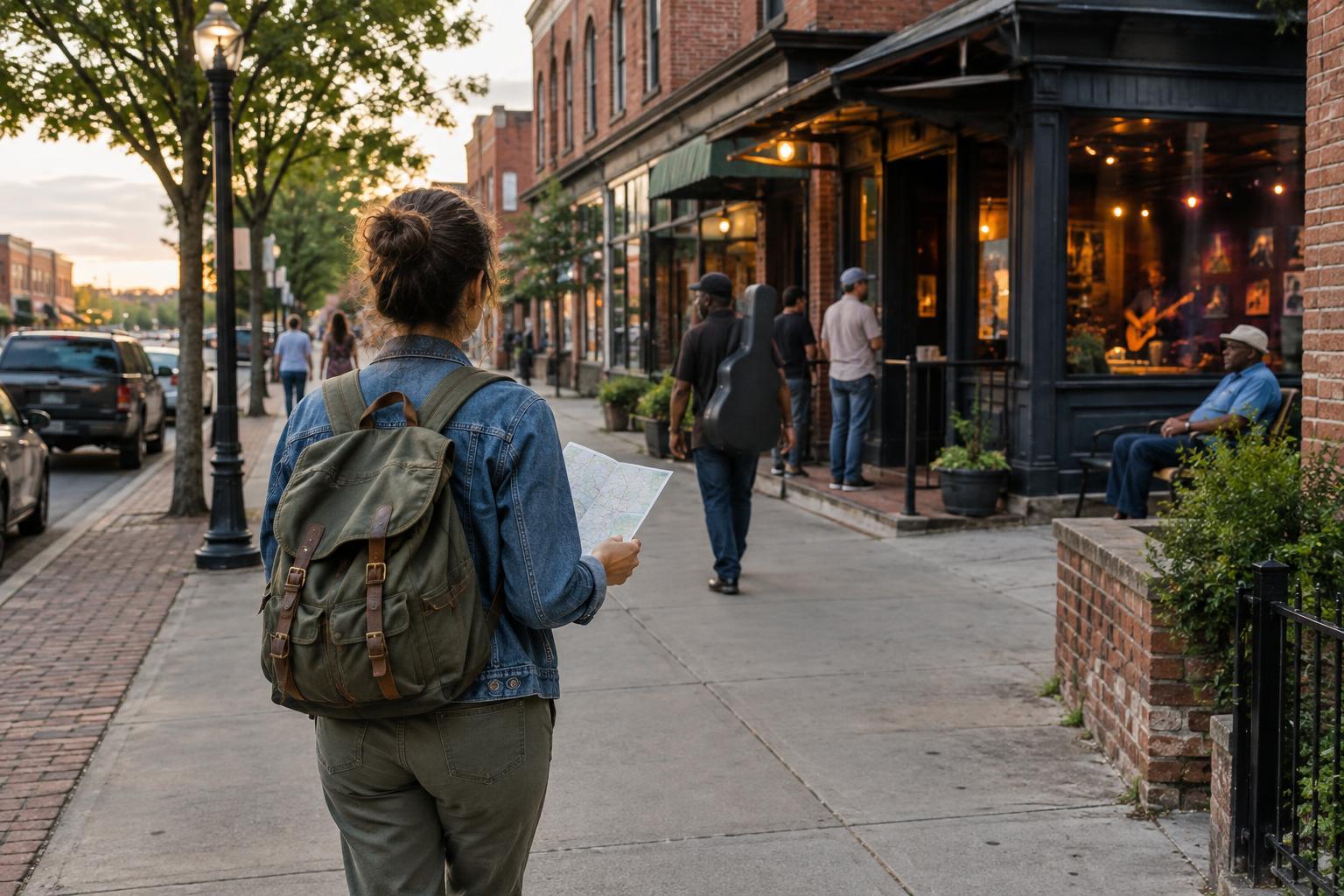
A city can be famous for music without offering the kind of trip you have in mind. Perhaps you want to hear musicians respond to one another in a small room, find a neighborhood where several venues operate, or spend an afternoon learning how a local sound developed. Those are related pleasures, but they call for different plans.
Start by imagining one satisfying day. Would you build it around an evening performance and leave the afternoon open? Or would you visit an archive, walk past former clubs and listen to recordings that place those streets in context? If both appeal, decide which is the anchor. That choice will help you judge destinations by what you can meaningfully experience, rather than by the length of their musical reputation.
What a living scene can offer
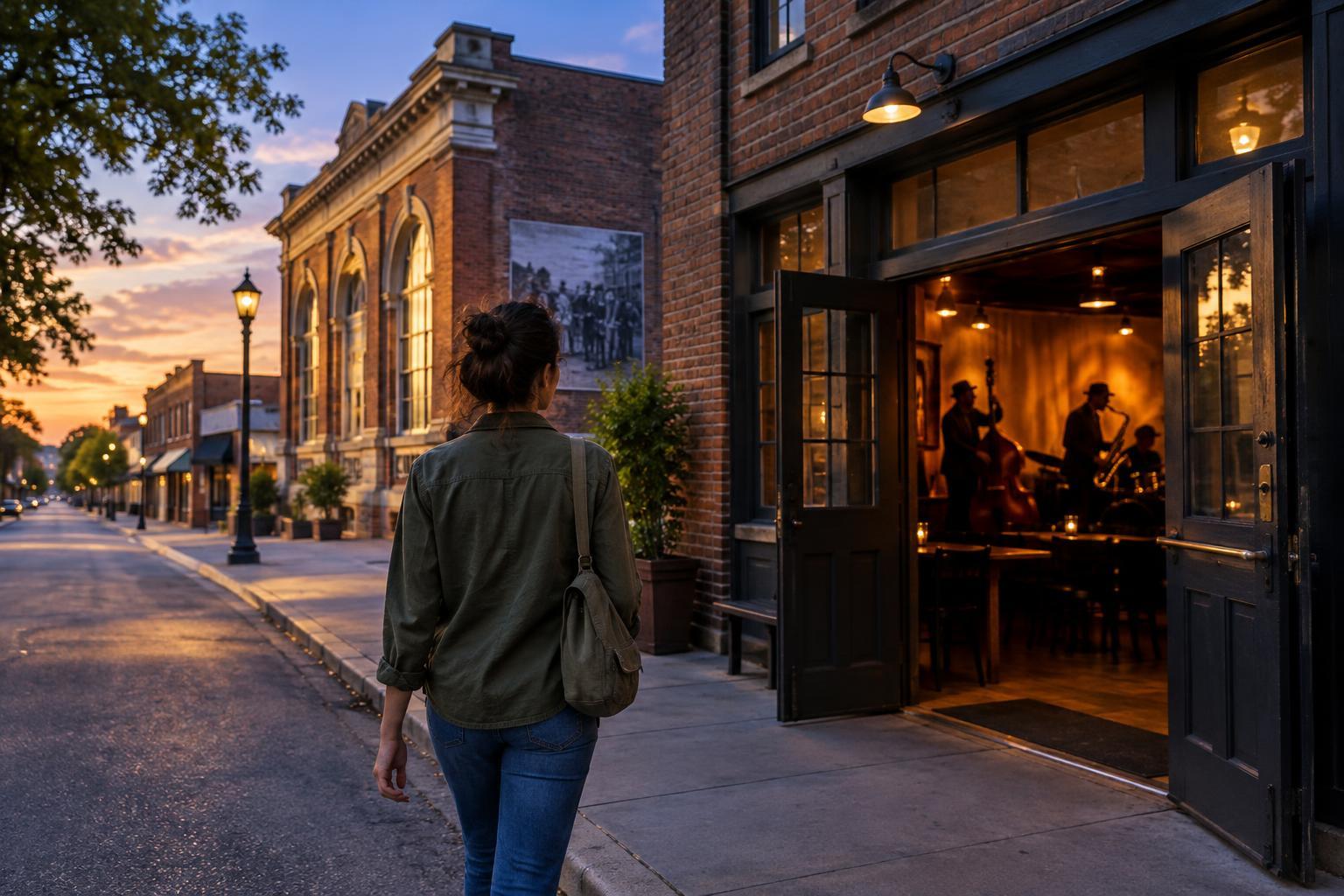
A living music scene is made by people working in the present: performers, audiences, venue staff, teachers and organizers. Its appeal is the chance to encounter music as an ongoing conversation. You might hear an unfamiliar interpretation of a blues standard, see a jazz group adjust to the room, or discover a local artist whose work does not fit neatly into a destination's best-known history.
Look for evidence of regular activity rather than relying on a city's nickname. Venue calendars, community spaces, record shops and local arts listings can help you understand what kinds of performances are accessible during your visit. Check details close to departure, since schedules, admission policies and opening hours can change. A scene may also be spread across neighborhoods, so consider travel time and how you will get back after a late show.
Leave room for surprise without making every night a gamble. Identify one performance you especially want to attend, then keep another evening flexible. Listening well is part of the experience: follow the room's approach to conversation and photography, pay attention to posted policies, and support the musicians in whatever way the venue makes possible.
What historical heritage can offer
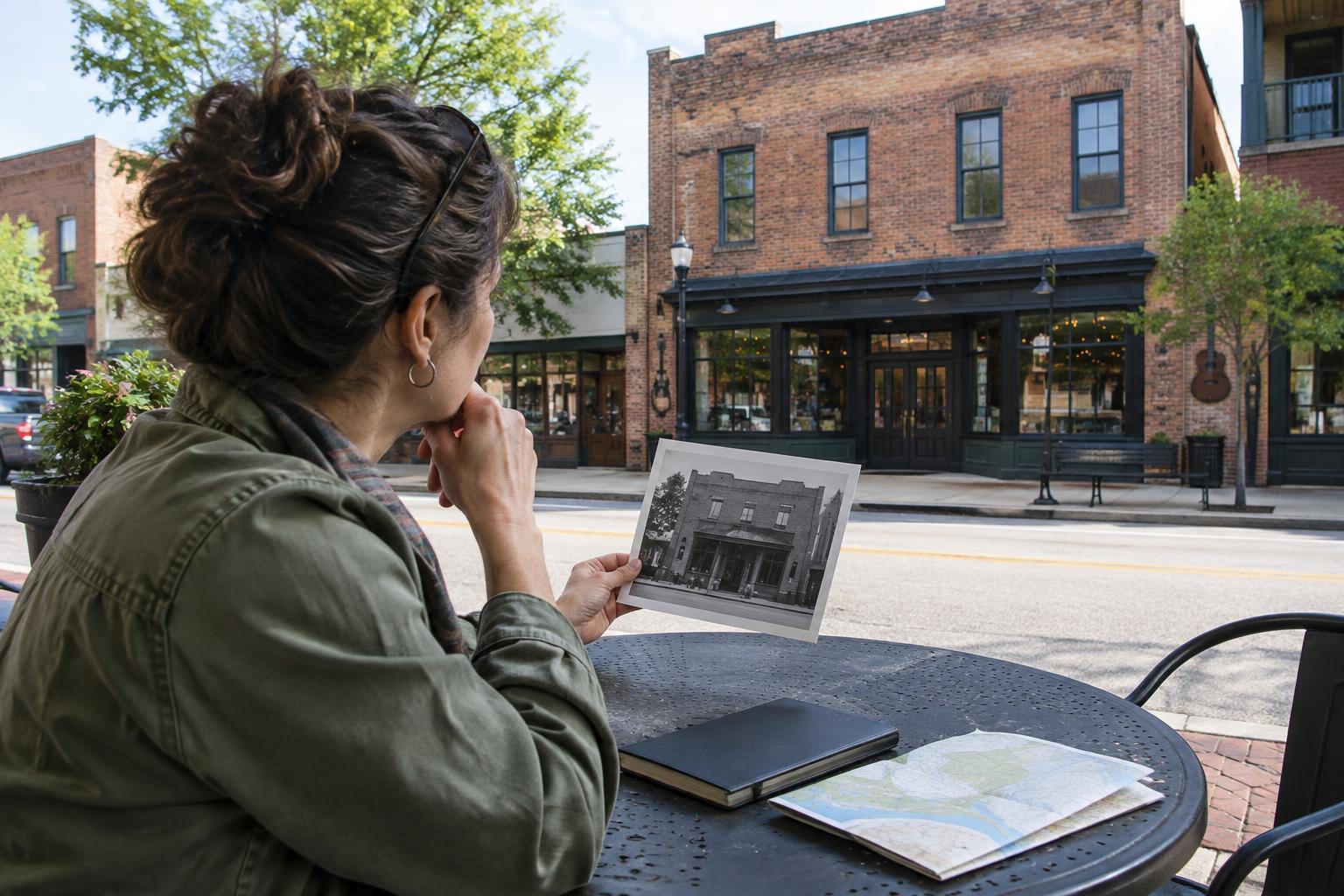
A heritage-focused trip offers a different kind of listening. Museums, archives, preserved buildings, walking routes and local collections can show how music relates to migration, work, technology and social life. Even when a historic performance space no longer operates, learning what happened there can deepen what you hear in a recording.
Not every landmark tells a complete story. A plaque may celebrate a celebrated performer while saying little about the bands, audiences or communities around them. Read across several kinds of interpretation when you can, and notice who is given a voice. An independent exhibition, a neighborhood history project and an established museum may each illuminate different parts of the same tradition.
Plan for the practical limits of heritage travel. A site may be viewed only from outside; an archive may require advance arrangements; a former venue may now serve another purpose. Check access before organizing a day around a single stop. Treat residential areas and places of worship as lived-in spaces, not as backdrops for a musical pilgrimage.
Compare destinations using your own priorities
Make a short list of what would justify the journey for you. For a performance-led trip, that might be a choice of venues, a manageable route between them and enough time to recover from late nights. For a heritage-led trip, it might be accessible collections, thoughtful interpretation and places you can explore without rushing. You do not need a destination to excel at everything.
Then look at the shape of a possible visit, not just its highlights. Can you pair an afternoon of historical context with an evening of live music? Are performances likely to fall on the nights you can travel? Will transport and accommodation make your preferred activities comfortable to reach? These questions are more useful than assuming a famous musical city will automatically deliver a memorable music trip.
Let the past and present inform each other
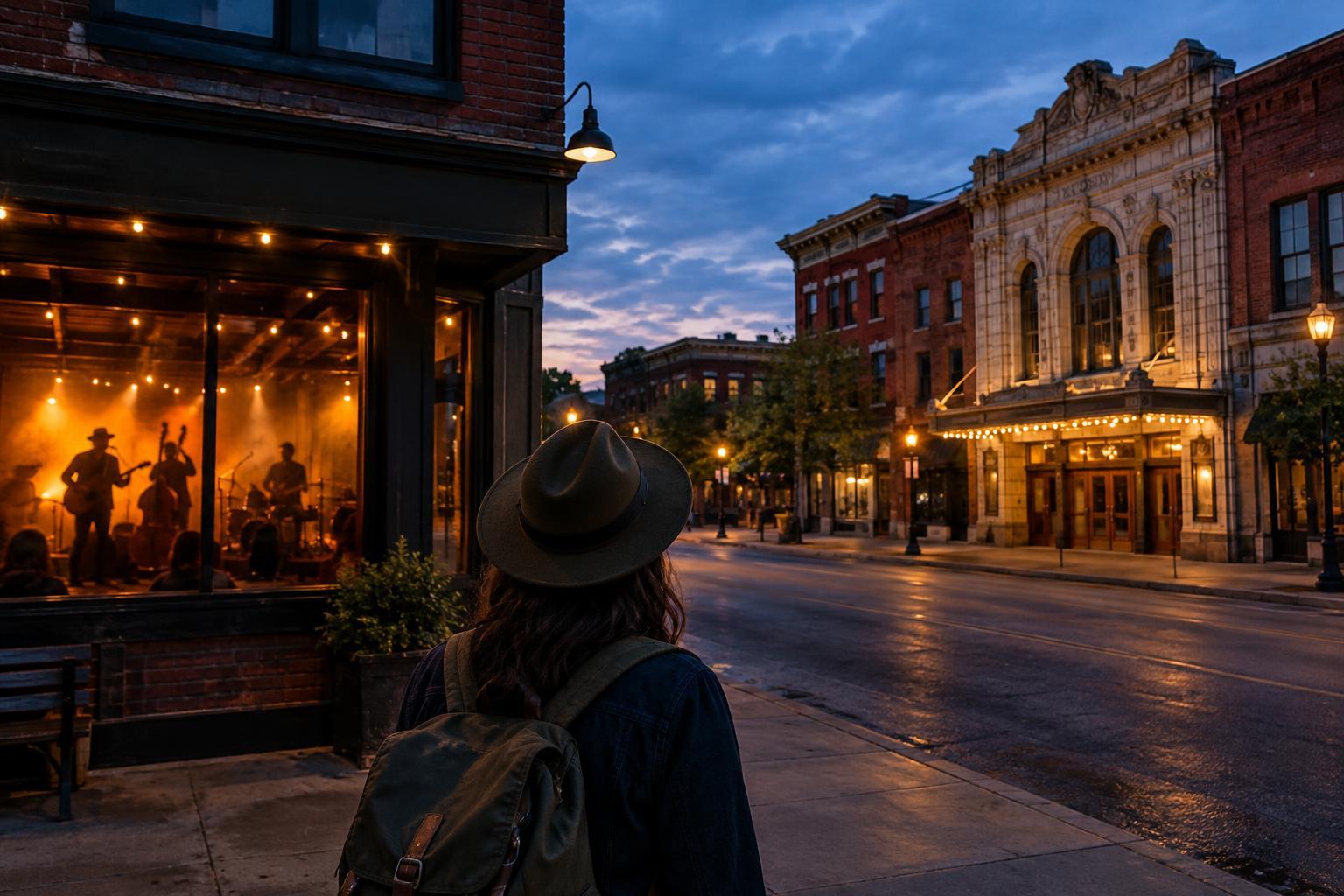
The strongest itinerary often makes space for both heritage and living music. Before a show, a modest amount of background listening can help you recognize a tradition without expecting today's musicians to recreate it. After visiting a historical collection, a contemporary performance can remind you that genres continue to change through new players and audiences.
Avoid treating a city as a museum or its performers as representatives of a single, fixed sound. Ask what you can learn from the places you visit, while allowing the music you hear to be its own event. Choose a destination with a clear priority, verify the experiences available during your stay, and leave enough unscheduled time to notice the musical life around you.