Start with the river, not a single landmark
Memphis sits above the Mississippi River, a useful starting point for understanding its blues heritage. The river made the city a place of movement: people, goods and musical ideas passed through, while performers found audiences in a growing urban center. Standing near the waterfront, you can picture Memphis as a meeting point rather than the source of one neatly defined sound.
That distinction matters on a music trip. Blues developed through many communities and places across the South, with musicians adapting songs and techniques as they moved. Memphis became an important setting where rural and urban approaches met, and where blues continued to change alongside other forms of popular music. A riverside walk offers context, but the musical story becomes clearer as you move into the streets where people worked, gathered and performed.
Read Beale Street as a working district
Beale Street is the most recognizable stop on a Memphis blues itinerary. Today its bright signs and live-music businesses make it an easy place to hear a band, but its heritage reaches beyond entertainment. The street was part of a wider Black commercial and social landscape, with businesses and gathering places that supported community life as well as music. Its history is richer than any single club or famous name.
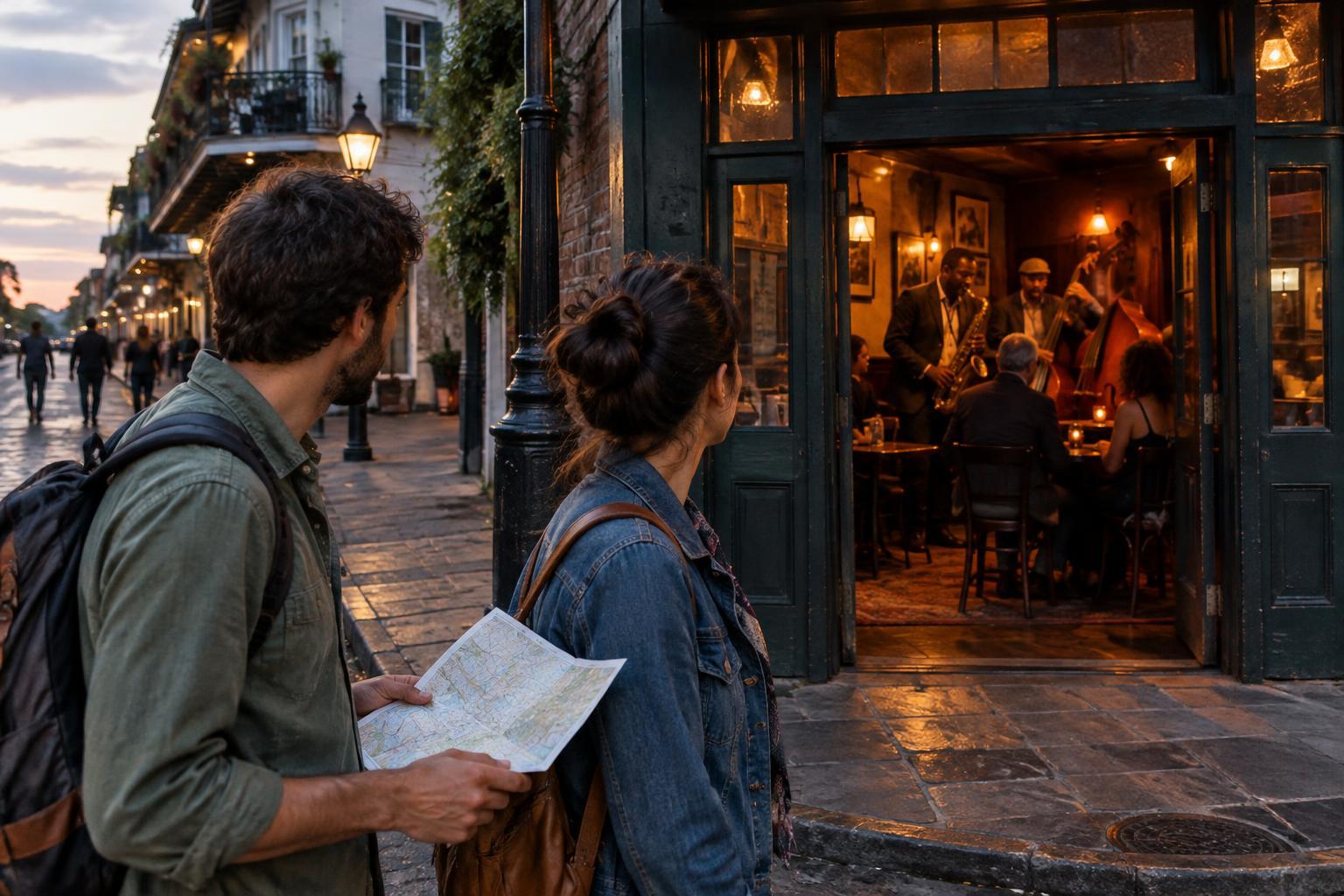
Walk the street slowly before choosing a show. Notice how short the distance is between the performance spaces, then consider the networks of players, audiences and businesses needed to sustain a music scene. Historic associations can make a place compelling, but present-day venues are not interchangeable with those of earlier eras. Read signs and exhibits critically, and let the music you hear now be a living performance rather than a reenactment you expect a band to provide.
Look beyond the downtown spotlight
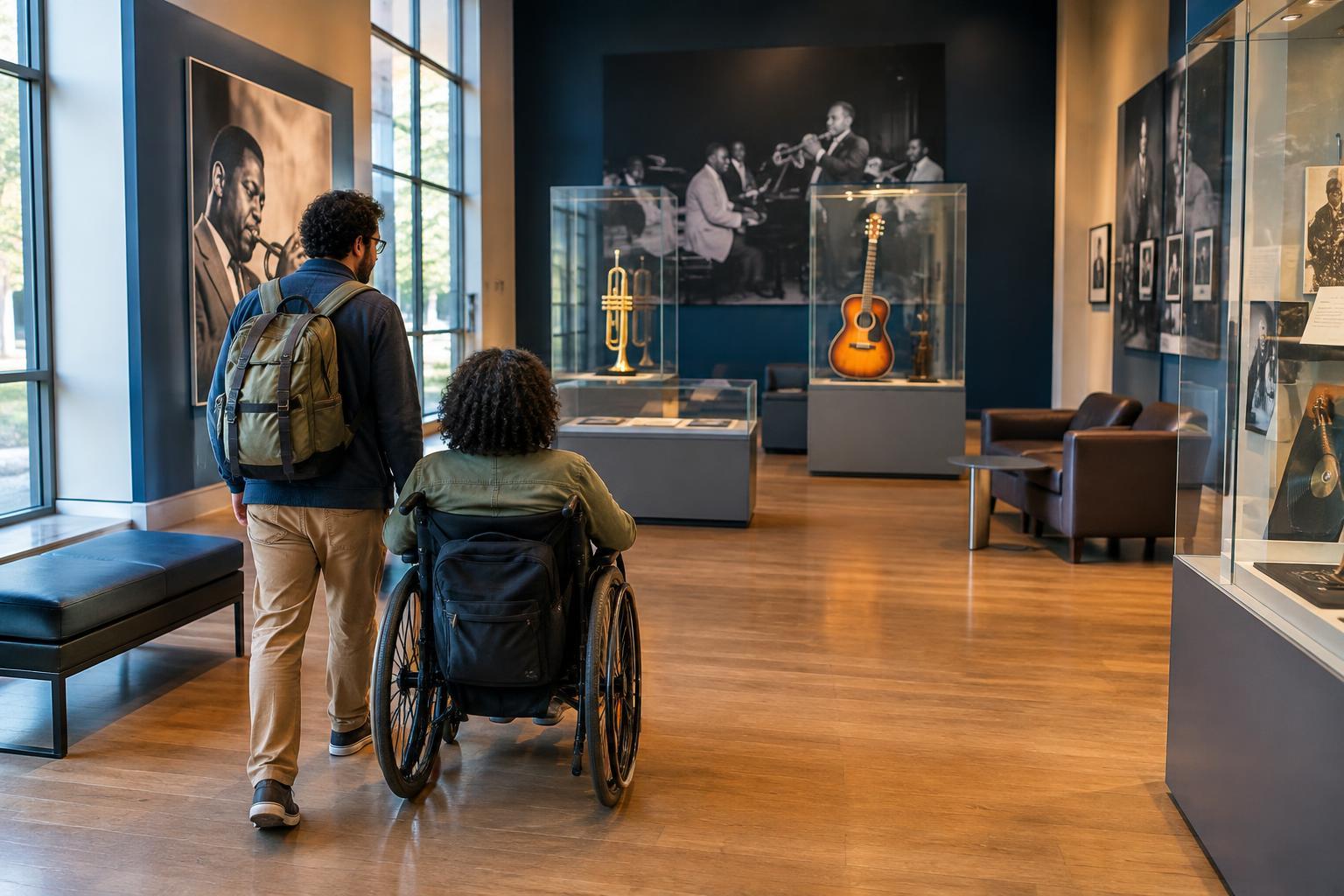
A map centered only on Beale Street leaves out much of Memphis’s musical geography. Neighborhood churches, schools, studios, homes and informal meeting places have all mattered to the city’s sound, even when they are not obvious visitor destinations. Some historic sites have changed use or disappeared. Rather than treating every address as a photo stop, use a museum or interpretive exhibit to learn how musicians built connections across the city.
South Memphis offers one way to widen that view. The story of Stax and the soul music associated with it is not the same as the story of Memphis blues, yet the traditions overlap through performers, audiences and musical influences. Exploring that relationship can help you hear blues heritage as something musicians carried into new settings, not a style frozen in an earlier decade. Keep the genres distinct while staying curious about where their paths meet.
Understand the Delta connection
The Mississippi Delta is central to many accounts of blues history, but it is a region outside Memphis, not another downtown neighborhood. For some musicians, Memphis offered work, recording opportunities or a larger audience after time spent elsewhere in the region. Others arrived by different routes. The city’s blues heritage makes more sense when you allow for those varied journeys instead of imagining one straight path from a single birthplace.
If your trip extends beyond Memphis, plan the Delta as a separate journey with its own communities and histories. If you are staying in the city, you can still keep that regional map in mind as you listen. A song performed on Beale Street may draw on traditions shaped far from the stage in front of you. Place gives music context, but it does not put a firm border around where a sound belongs.
Make room for the music being played now
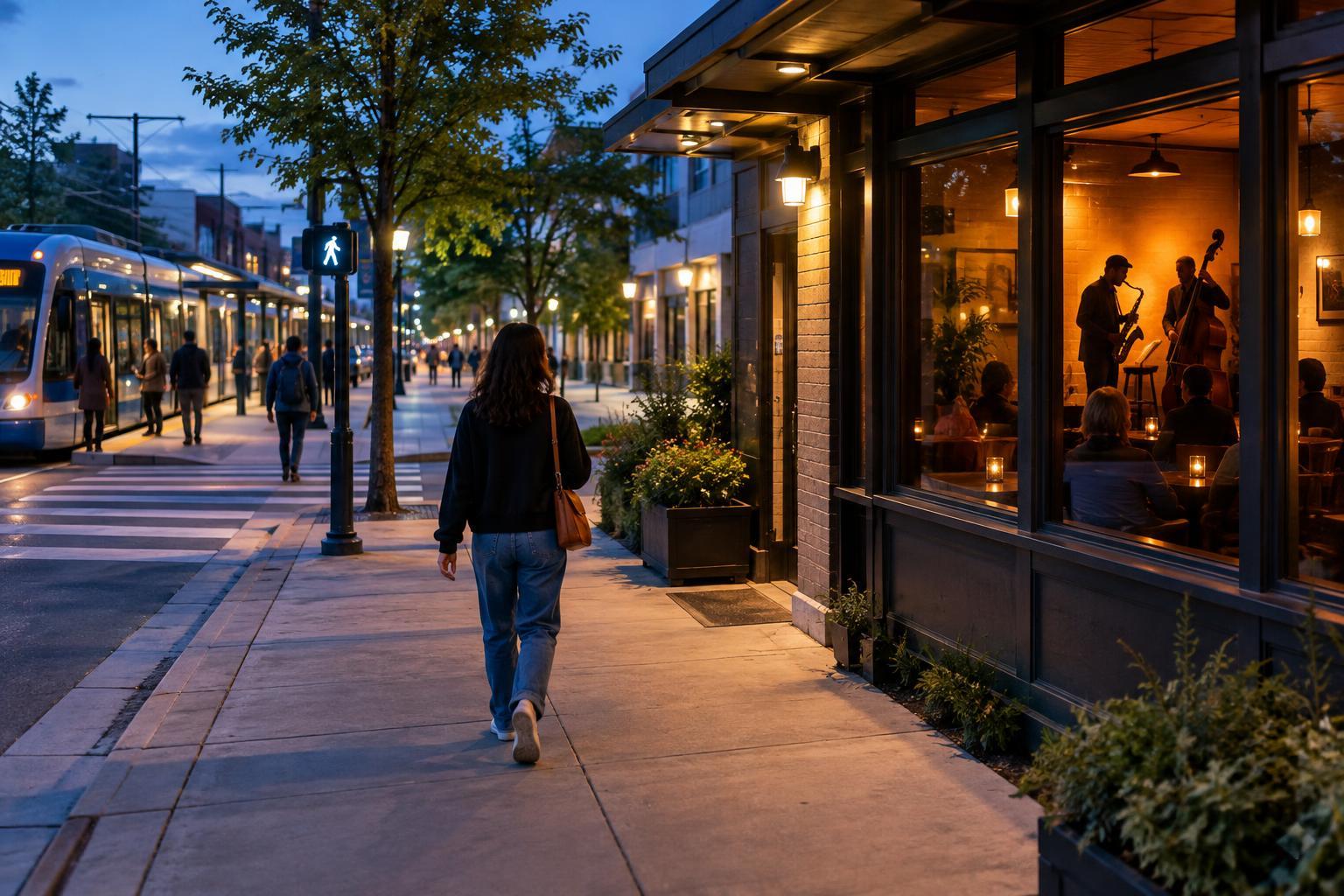
The most rewarding itinerary leaves space between landmarks. Spend time with an exhibit, walk a few blocks, then choose a performance that interests you rather than trying to collect every historic address. Check a venue’s schedule and entry arrangements before setting out; performances and access can change. At a show, follow the room’s lead about conversation and photography, and support performers when there is an appropriate way to do so.
Memphis blues heritage is both geographic and human. The river helps explain movement, Beale Street shows the importance of public gathering places, and the wider city reveals how musical traditions grow through everyday relationships. Use those connections as a guide, not a checklist. They can help you recognize the history around you while giving the musicians and communities of the present your full attention.