Decide what matters before choosing a seat
A good seat is not always the one closest to the stage. At a blues club, jazz room or small music venue, the right spot depends on whether you want to watch the musicians closely, hear the whole group, share a few words with a companion or settle in for a long set. Pick your priority before you enter. That makes it easier to choose a place without spending the opening songs wondering if you should move.
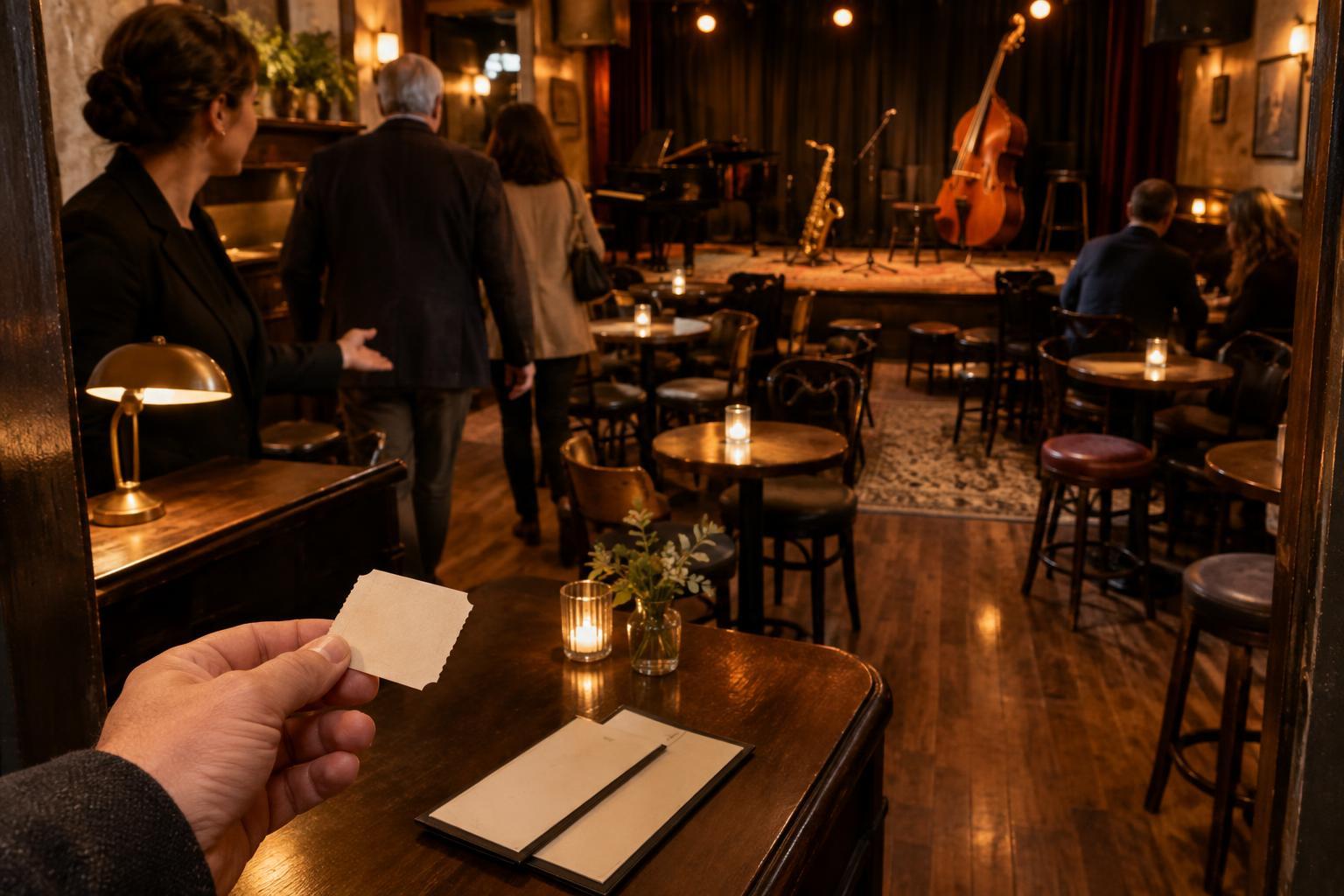
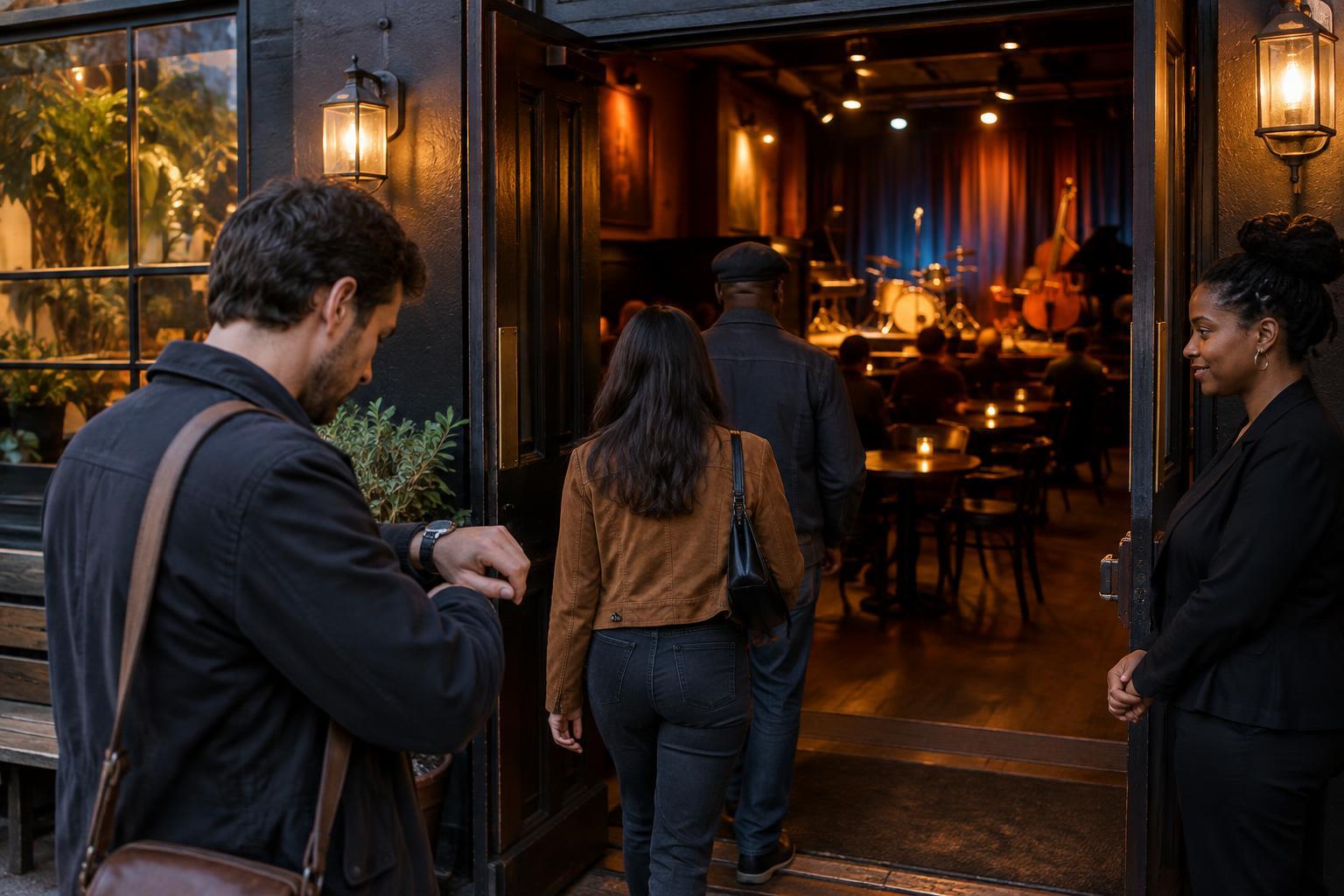
If the venue has a seating plan, use it as a starting point rather than a promise. The position of speakers, a low stage or a standing crowd can change the experience. If seats are unassigned, arrive with enough time to look around without interrupting performers or other guests. Staff may be able to explain which areas are reserved and whether moving later is possible.
Look for a view of the whole performance
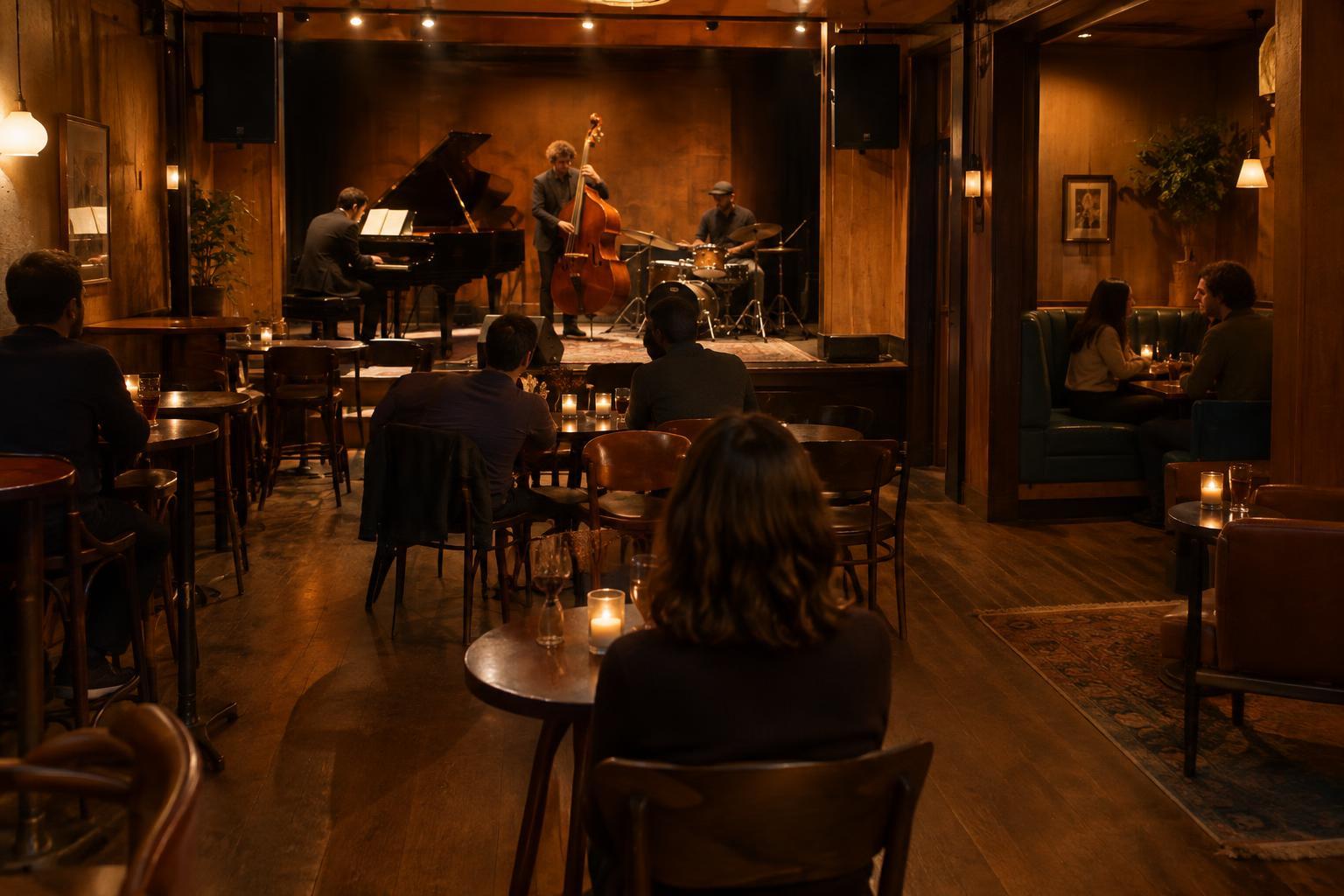
Sitting near the front can bring you close to a singer’s expression or a guitarist’s hands, but it may not offer the clearest view of every player. From farther back, you may find it easier to follow the exchanges between a pianist, bassist and drummer. Before settling in, check for pillars, tall tables and anything else that might block the part of the stage you most want to see.
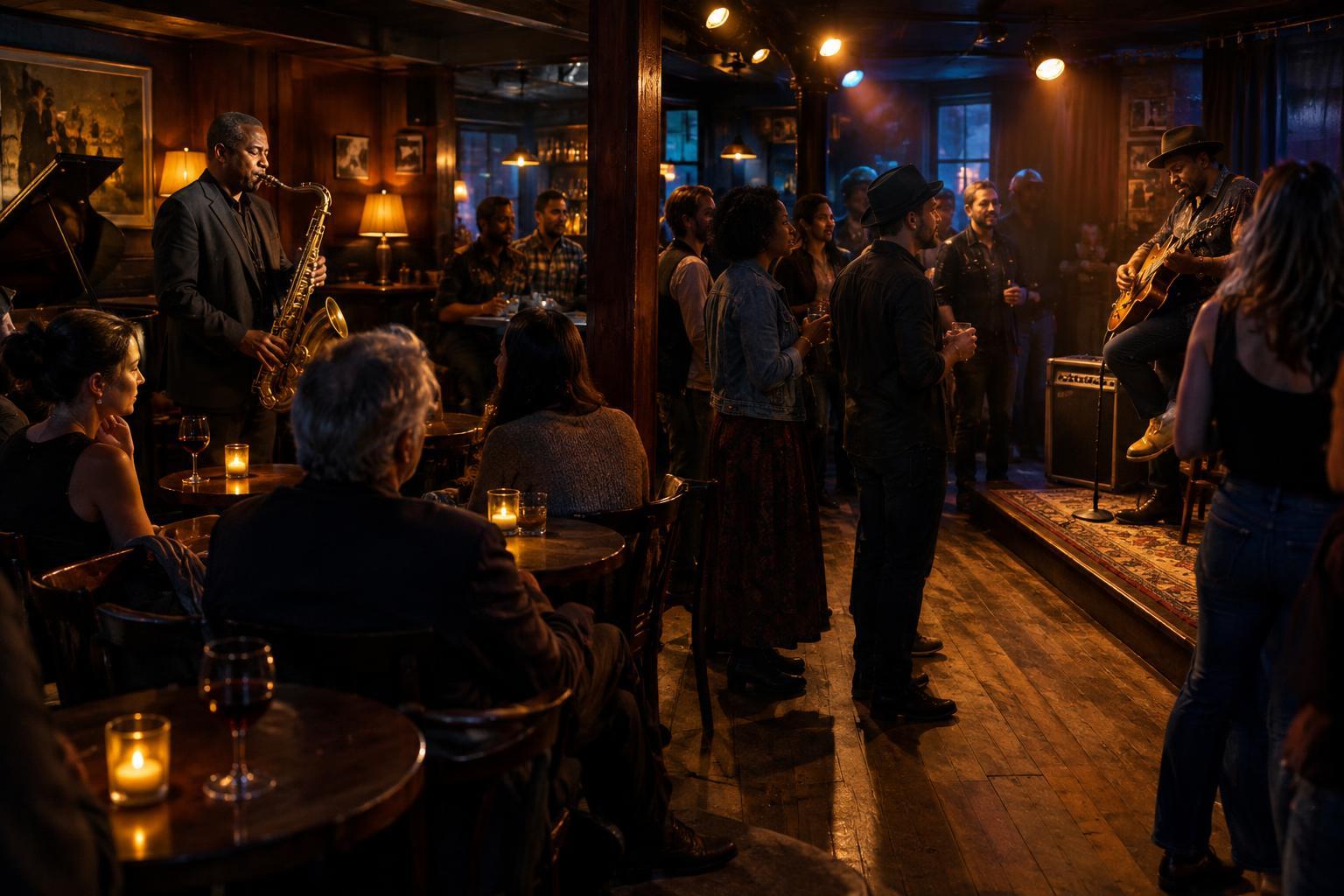
A side seat can offer a rewarding angle, especially when it reveals an instrument hidden from the center of the room. It can also leave you looking past a speaker or another performer all night. If you are attending with someone shorter, or if standing is difficult, think about what happens when the room fills up. An unobstructed view before the show may disappear once people gather in front.
Listen to the room, not just the speakers
Sound changes from place to place within a venue. A seat directly beside a speaker may make one part of the mix feel especially prominent, while a spot farther back may offer a better sense of how the instruments fit together. The result varies with the room, the sound setup and the size of the group, so no single location is reliably best. If music is playing before the set, use it only as a rough clue; the live performance may sound different.
For a first visit, a position away from the nearest speaker and with a clear line toward the stage is a reasonable place to start. Consider bringing earplugs designed for listening to music, particularly if you are unsure how loud the room will feel. They give you an option without requiring you to leave a seat you otherwise enjoy.
Choose a conversation zone with care
Some nights are for close listening; others are partly social. If you hope to talk, a table near the bar or toward the back may seem appealing, but distance from the stage does not necessarily make conversation private. Voices can carry through a quiet song or an unamplified passage. Keep exchanges brief and low during the performance, and save longer stories for a break or a space away from the music.
The same courtesy applies when you want to listen. A seat beside a busy walkway or service area may bring frequent interruptions, even if the stage view is good. In venues where guests come and go, a place slightly removed from that traffic can help you concentrate. You need not demand silence from the whole room; choosing a spot suited to your evening is often the more practical solution.
Leave room for comfort and consideration
Think beyond the first song. A comfortable chair, room for your legs and a route to the exit can matter over a full set. If you need an accessible place or have a specific seating requirement, ask the venue about its options rather than assuming a particular area will work. Follow staff guidance around reserved seats and clear paths, and avoid placing bags where someone needs to walk.
If your choice turns out poorly, move only when there is an appropriate opening, such as a pause between songs, and check that the new place is available. Try not to cross directly in front of listeners during a quiet moment. The aim is not to find a perfect seat by a fixed rule. It is to find a spot where you can see, hear and feel at ease while letting the people around you enjoy the show too.