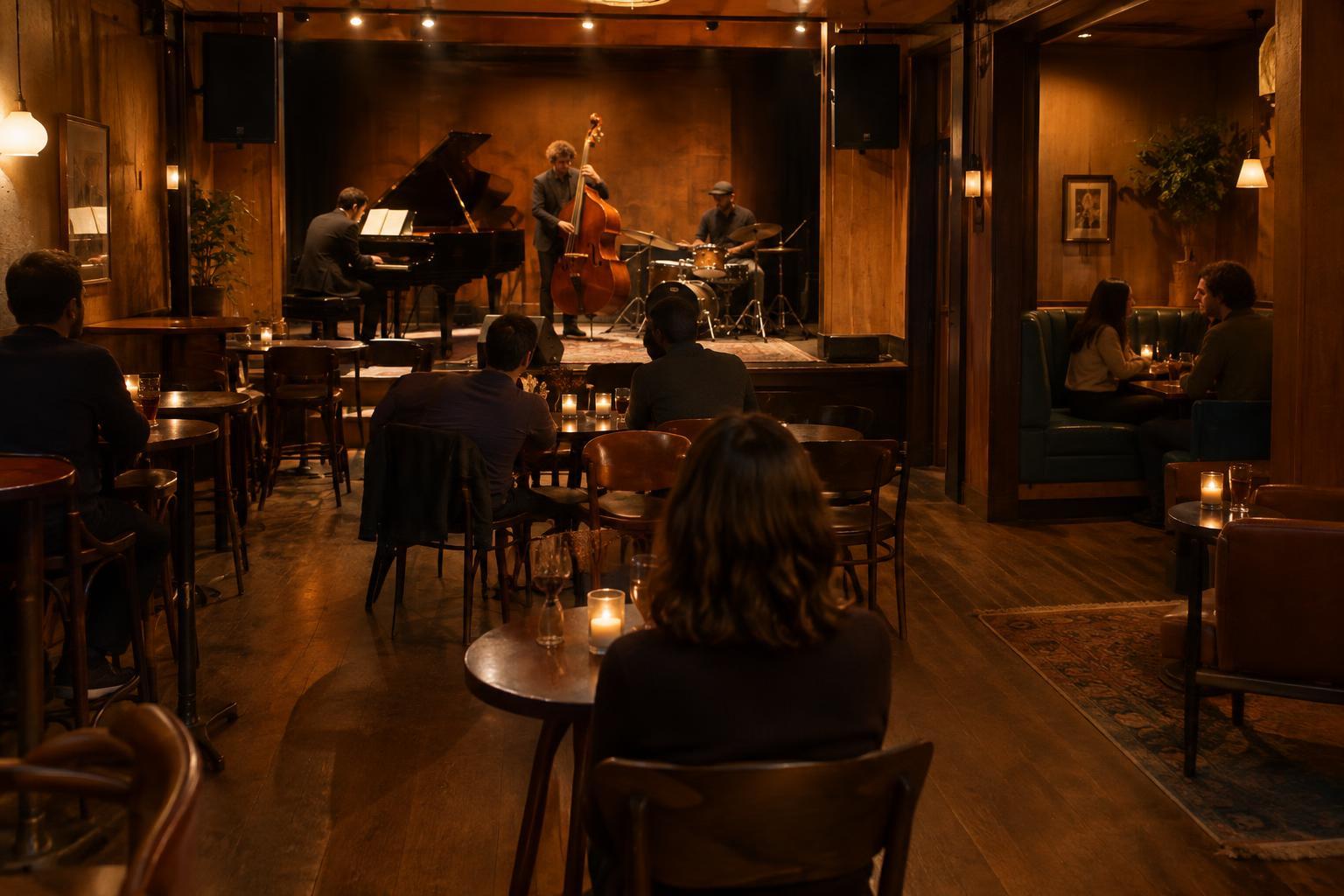
Know what the price at the door covers
A small room can make a performance feel wonderfully close, but its ticket rules may take more effort to understand than those of a larger theater. Before buying, look for three separate pieces of information: the price of admission, any required food or drink spending, and whether a purchase reserves a particular seat. These are different policies, even when they appear together on a booking page.
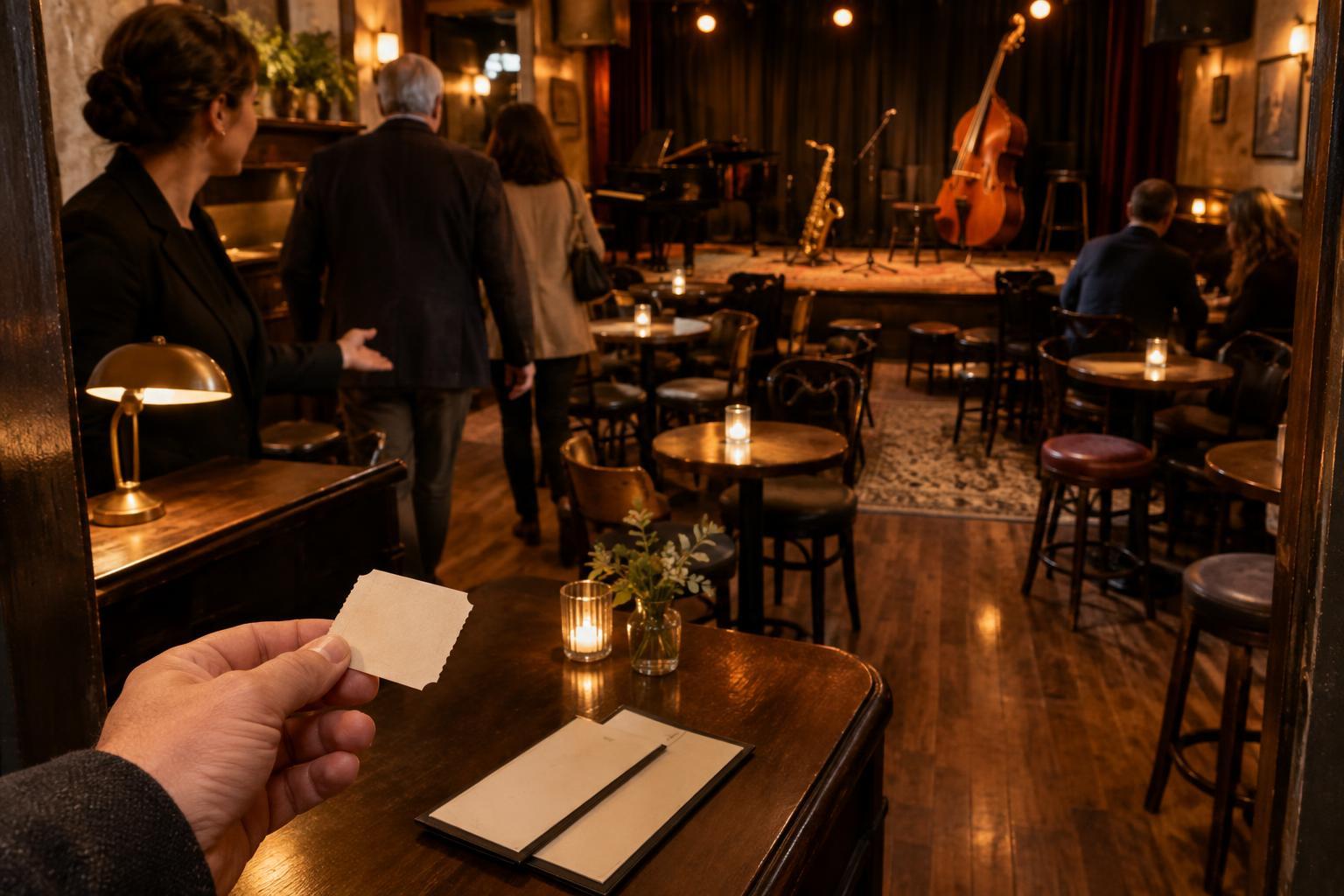
A cover charge generally pays for entry to the performance. It does not necessarily include a drink, a table or permission to stay for a later set. Some venues sell tickets in advance; others collect a cover at the door. If both options appear, check whether an advance purchase guarantees admission, offers a reserved place or simply saves you from paying on arrival. Also look at the total during checkout, since booking fees may be added to the advertised price.
Understand food and drink minimums
A minimum is an amount each guest, or sometimes each table, is expected to spend on food and drinks during a show. It is usually separate from the cover or ticket price. For example, buying admission may get you into the room while the minimum is settled through your order once you are seated. Do not assume that unused spending is refunded or that one guest’s larger order can cover another guest’s minimum.
The details matter more than the label. Ask whether the minimum applies per person or per table, whether tax and service charges count toward it, and whether a nonalcoholic option is available. If the venue runs multiple sets, check whether the minimum applies once for the evening or again for each set. You can usually find these terms on the ticket page or venue information page; if not, a brief question before purchase is more useful than sorting out the bill mid-show.
Read the seating policy before choosing a ticket
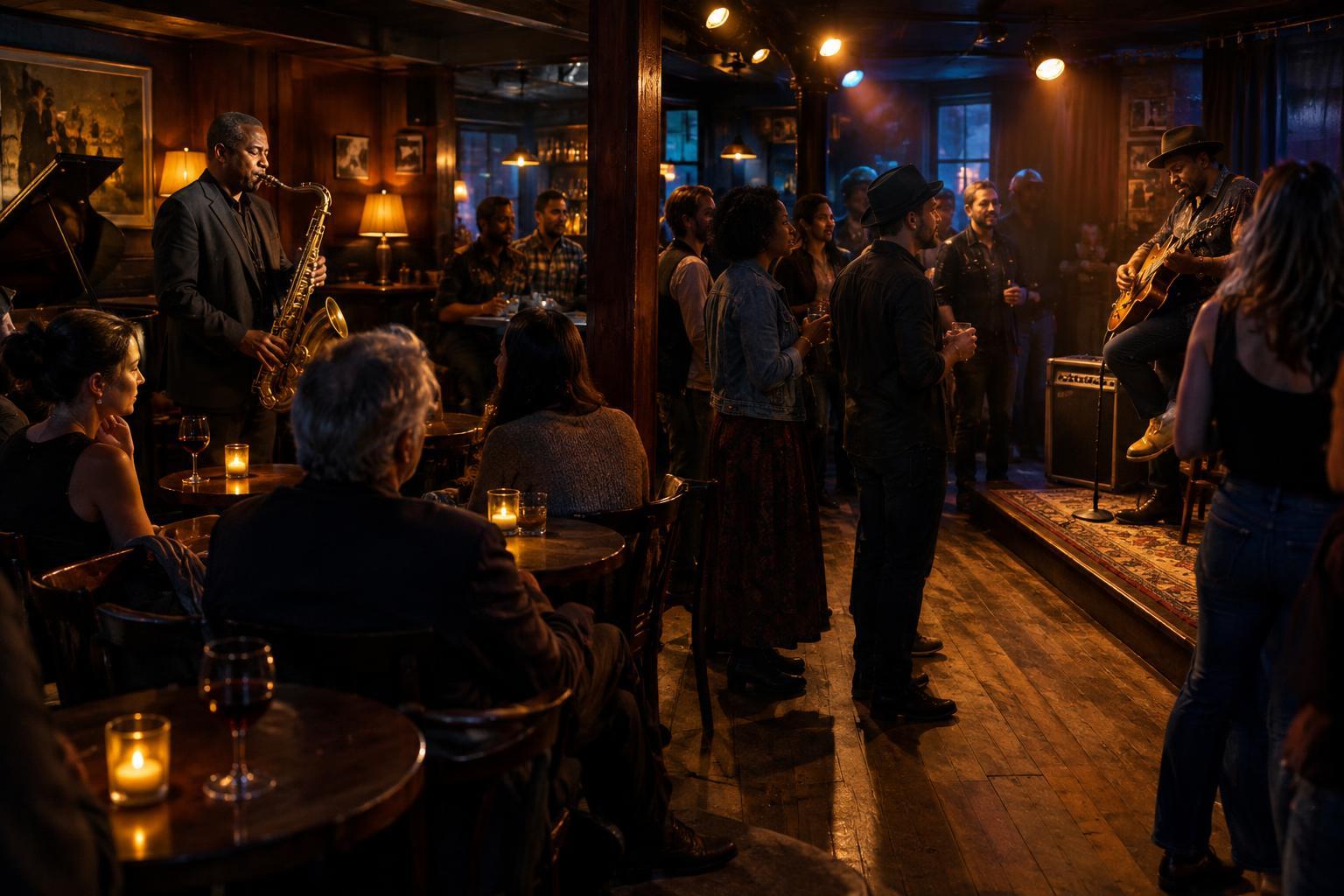
“Seated show” does not always mean “assigned seat.” A venue may assign tables, seat guests in order of arrival or offer open seating within a ticketed area. It may also sell standing-room tickets. Read the description for the ticket type you are selecting rather than relying on a room photo, which may show a different layout.
If you are going with friends, check whether separate purchases can be seated together. Small tables may be shared, and late arrivals may be placed wherever space remains. If a clear view, a quieter location or step-free access matters to you, contact the venue before booking. Staff may be able to explain the room and available options, but it is best not to treat a preference as a confirmed arrangement unless the venue confirms it.
Plan around set times and arrival rules
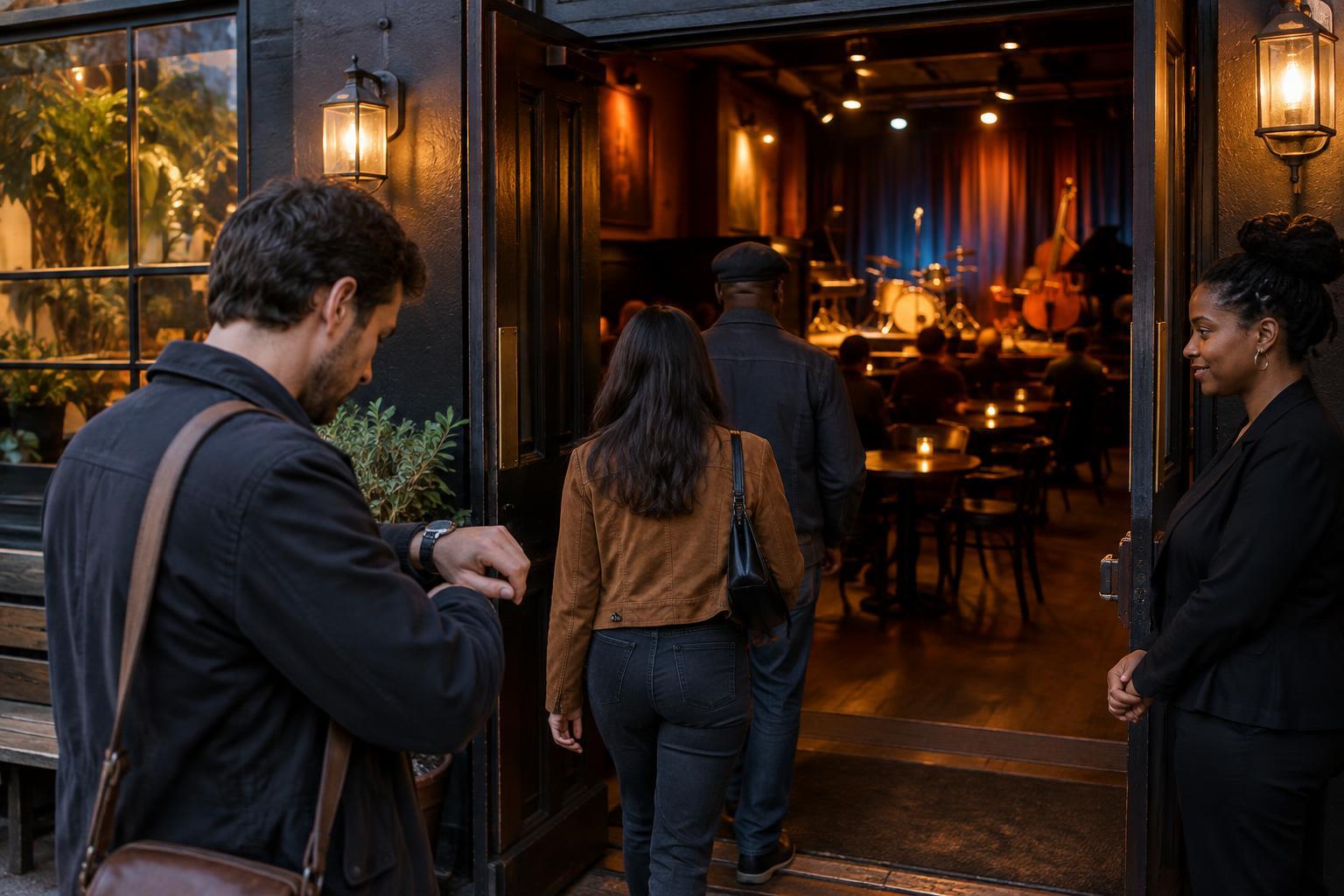
The time on a listing might be the door time, seating time or music start time. These are worth distinguishing, especially at a venue that presents an early and a late set. A ticket for one set may not cover both, and the room may need to empty between performances. Check the stated arrival window and what happens if you arrive after the music begins.
Allow enough time to find the entrance, check in and order without interrupting the opening number. Keep your confirmation accessible, along with any identification the venue says it requires. If plans change, review the refund, transfer and no-show terms rather than assuming a ticket can be used on another night. Policies vary, so the venue’s terms for that particular show are the ones to follow.
Make a quick check before paying
A practical pre-purchase check takes only a minute: What is the full admission cost? Is there a minimum in addition to it? Does the ticket provide a seat, a seating area or entry only? Which set are you buying, and when should you arrive? Finally, check any accessibility needs, age restrictions and cancellation terms that apply to your visit.
If a listing leaves an important point unclear, ask the venue a specific question, such as “Is the drink minimum per person for this set?” Clear expectations make it easier to relax once the lights go down—and to give the performers and the people around you your attention.