Start with the night you want
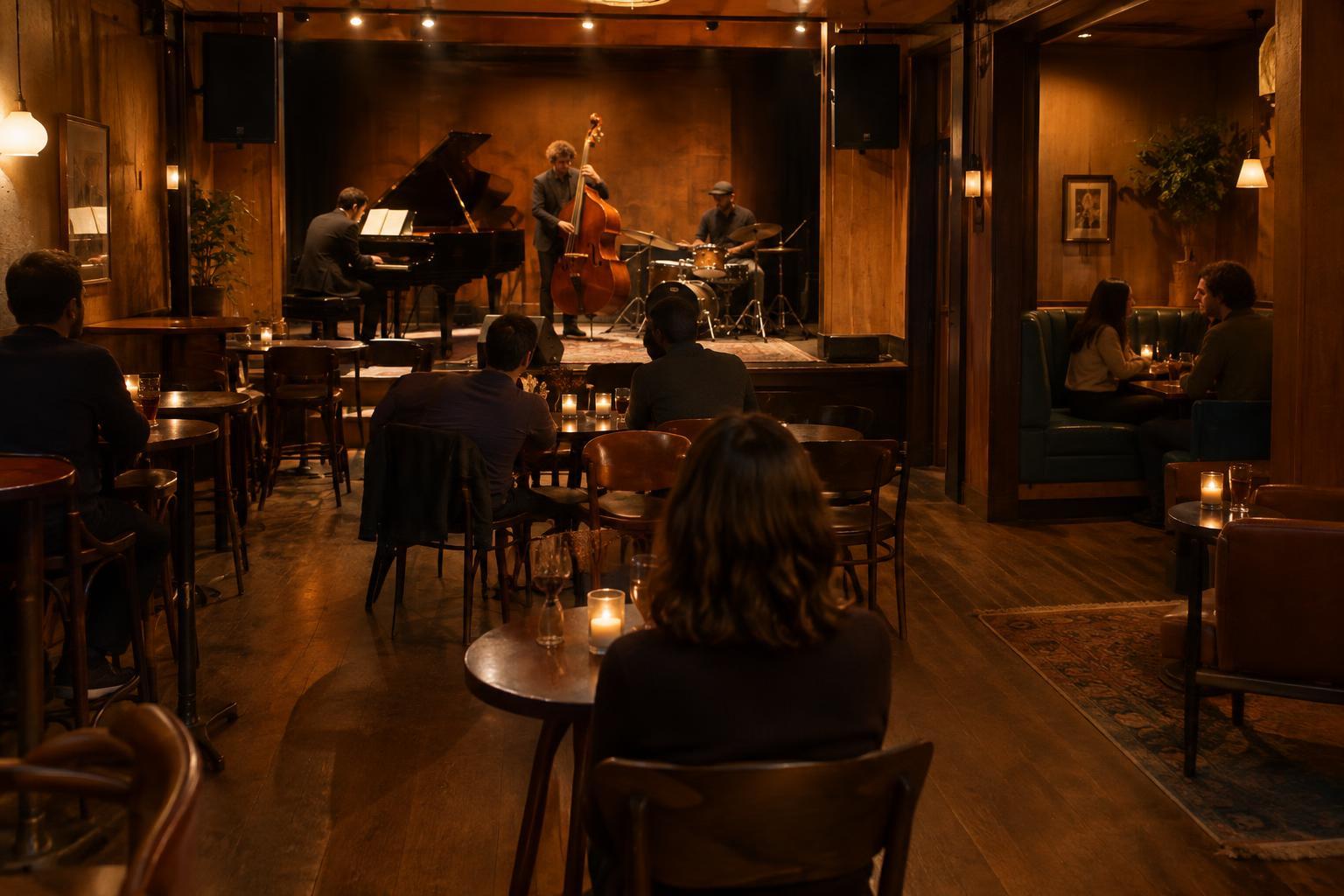
A seated jazz club and a standing blues bar can offer very different ways to enjoy live music. The distinction is not a rule about genre: jazz can be loud and danceable, while blues can be quiet and reflective. Still, the layout of a room affects what you hear, how you interact with other people and how long you feel comfortable staying.
Before choosing, decide what matters most. Do you want to follow every change in a solo, share a conversation between songs, move to the rhythm or settle in for a full set without worrying about where to stand? Think about your companions, too. Someone attending their first show may enjoy an easy view and a clear place to sit; a group looking for energy might prefer the freedom of an open floor.
What a seated room makes easier
A table or assigned seat gives you a reliable view and a place to rest. That can make a seated club appealing when you want to concentrate on quieter passages, watch musicians respond to one another or spend an extended evening listening. Seating can also make it simpler to manage a coat, drink or small bag without holding it through the performance.
The trade-off is less freedom to change your position. A seat near a speaker may sound different from one farther back, and a table with a poor sightline may remain your table for the set. Some rooms expect listeners to keep conversation low while musicians play; others have a more social atmosphere. If you hope to talk at length, look for a space where conversation will not compete with the performance.
What a standing room invites
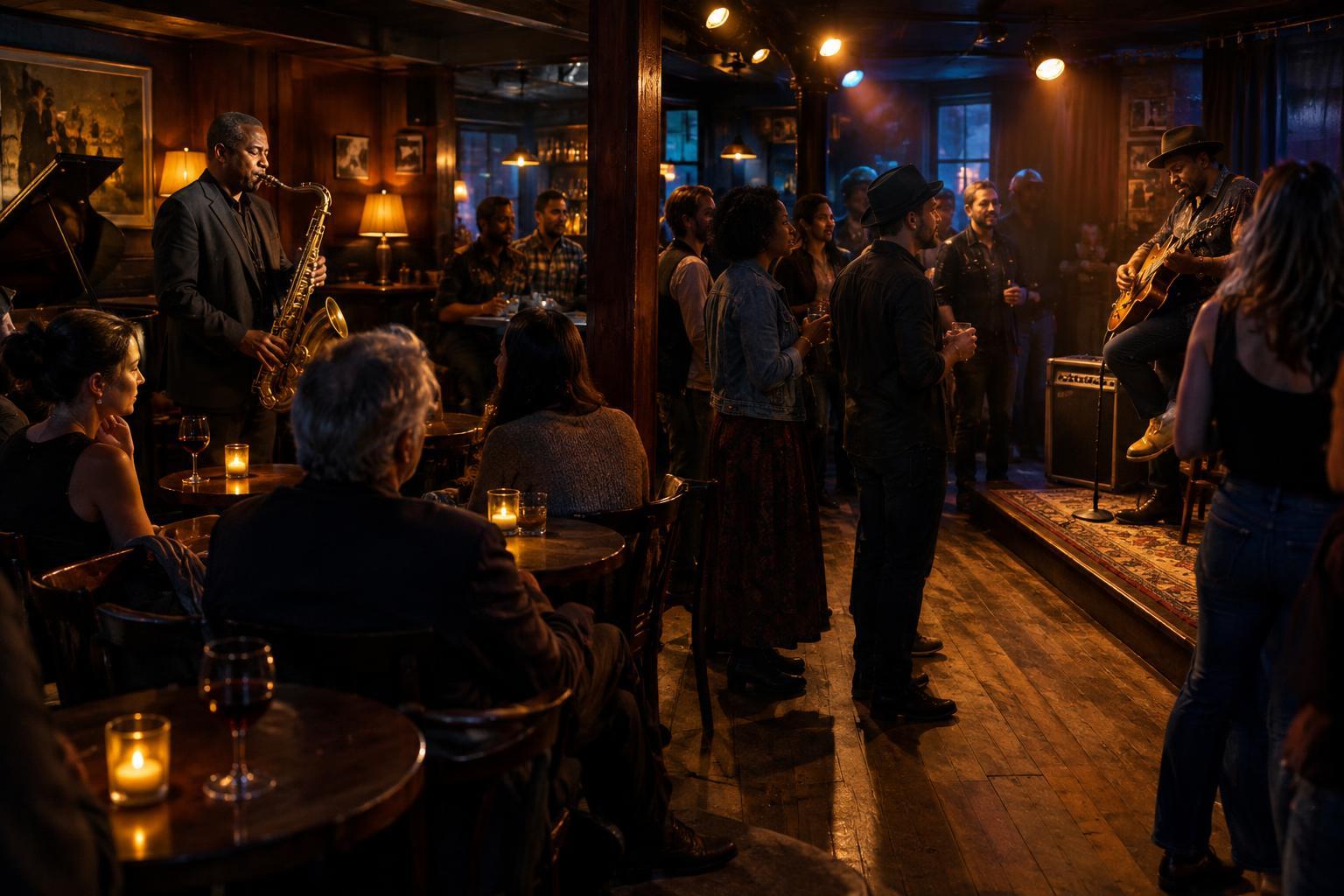
A standing bar often lets you move toward the music, step back for a break or find a spot that suits your preferred volume. When there is space, it may feel easier to sway or dance without drawing attention. That shared movement can make a blues set feel especially immediate, even if you arrive without knowing the songs.
Standing also takes energy. Views can change as people move, and the floor may become crowded near the stage. A bar can be a useful place to pause, but it is not always a quiet place to hear subtle details or hold a conversation. If standing for a full set would be difficult, do not assume that a venue described as a bar has no seats. Check its seating arrangements before you go, and ask whether seats can be reserved if you need one.
Check the details before you commit
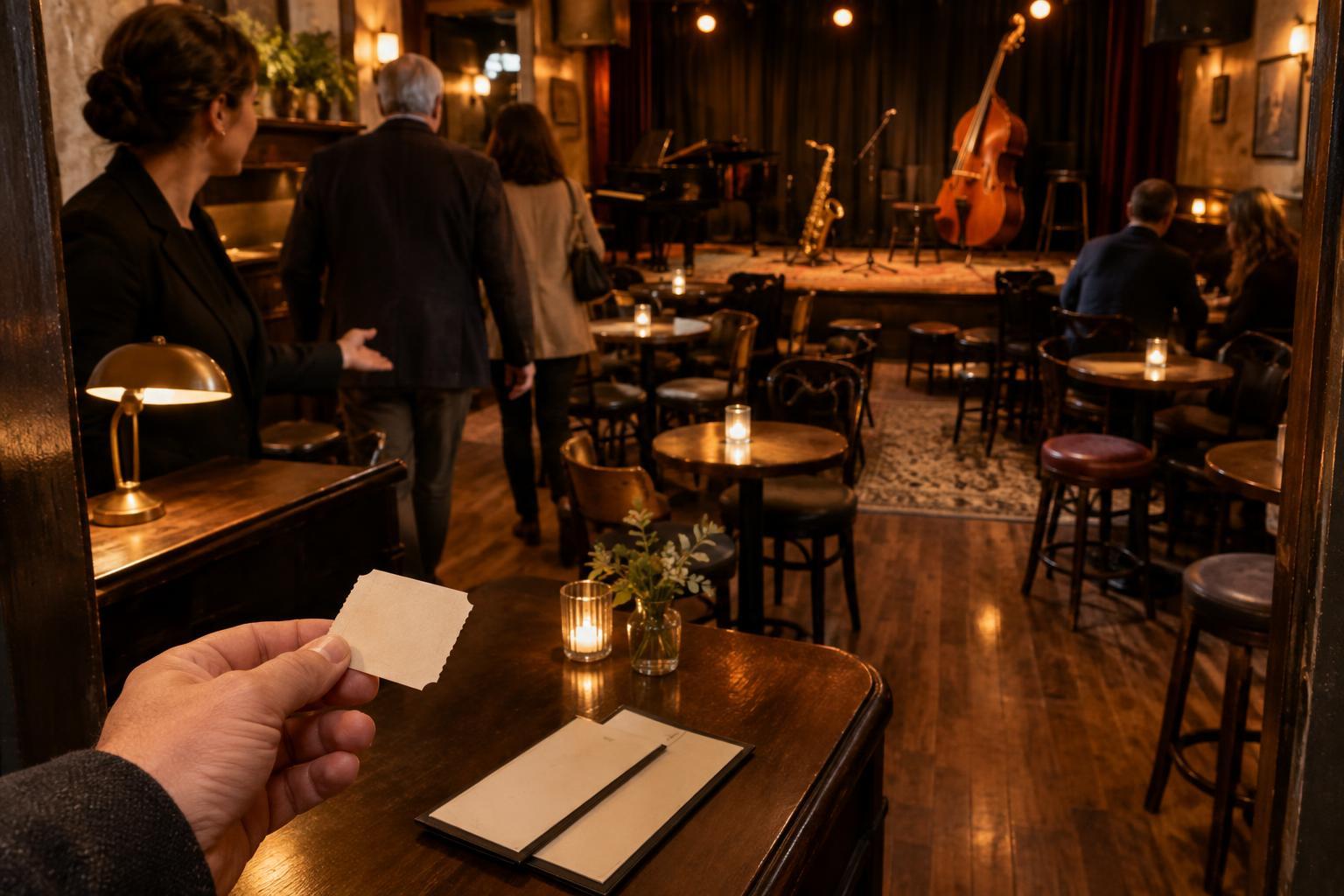
Venue labels tell you less than a few practical details. Look for information about whether seating is assigned or first-come, whether the main performance area has tables, and whether entry includes a seat. If you have mobility or other access needs, ask the venue directly about step-free entry, accessible restrooms, sightlines and places to sit. Arrangements can vary even between shows in the same room.
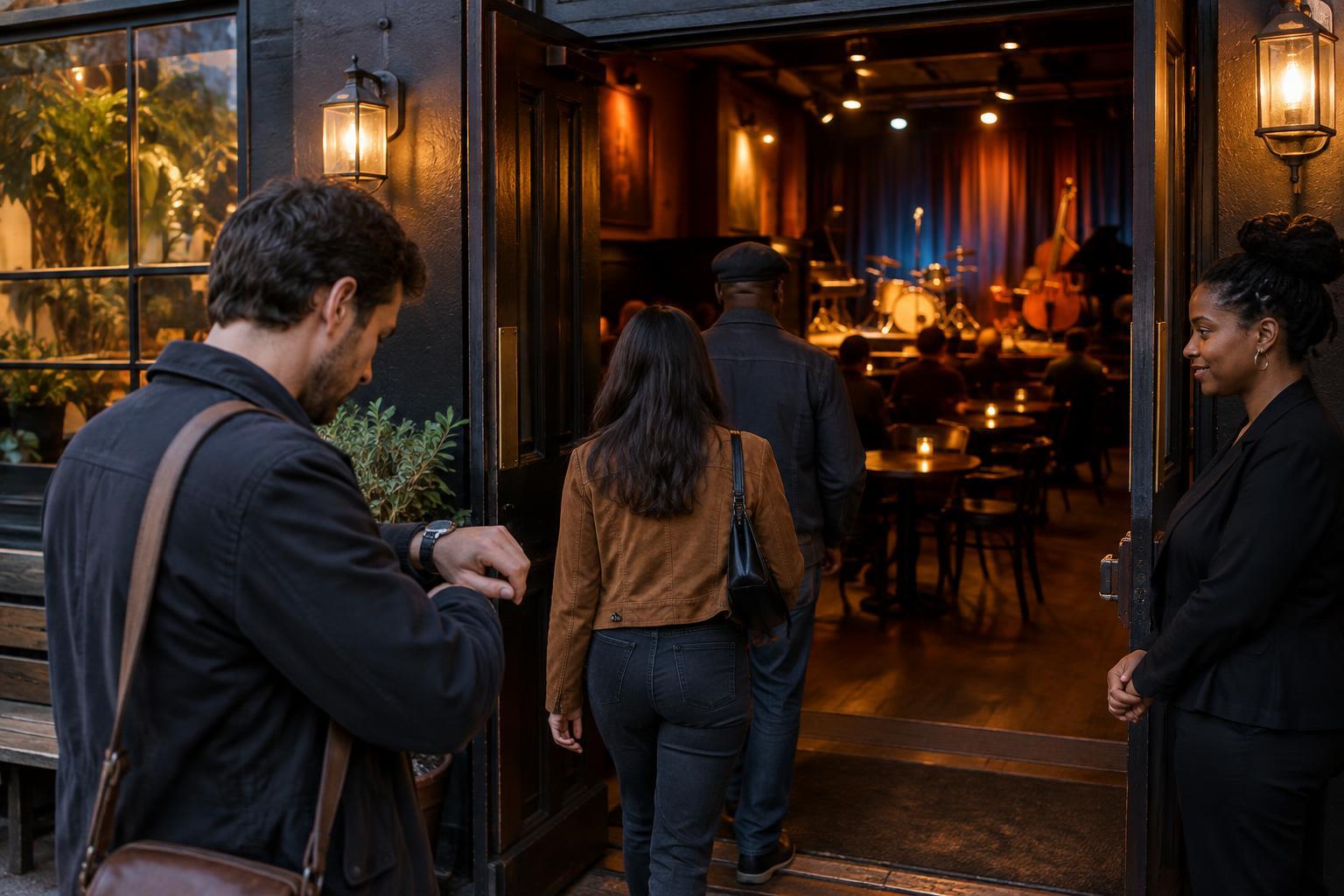
Consider the timing and length of the night as well. An early set may fit a focused listening trip, while a later visit may suit a more social outing, depending on the venue. If loud sound is uncomfortable for you, bring hearing protection regardless of the genre or room size. It is easier to relax when you have planned for your own comfort rather than relying on a description such as “intimate” or “lively.”
Make room for the music and the people around you
In a seated club, keep phones dim and avoid talking over quiet passages. In a standing bar, leave paths clear and be mindful of people behind you when you move closer to the stage. Neither setting requires perfect stillness or complete silence; the useful question is whether your choices let others enjoy the performance, too.
The best setting is the one that supports the experience you want that night. Choose a seat when comfort, a steady view and attentive listening are priorities. Choose a standing space when movement and flexibility matter more. If you are unsure, try each kind of room on different nights. You may find that your preference changes with the musicians, the company and your mood.