Start with the experience you want
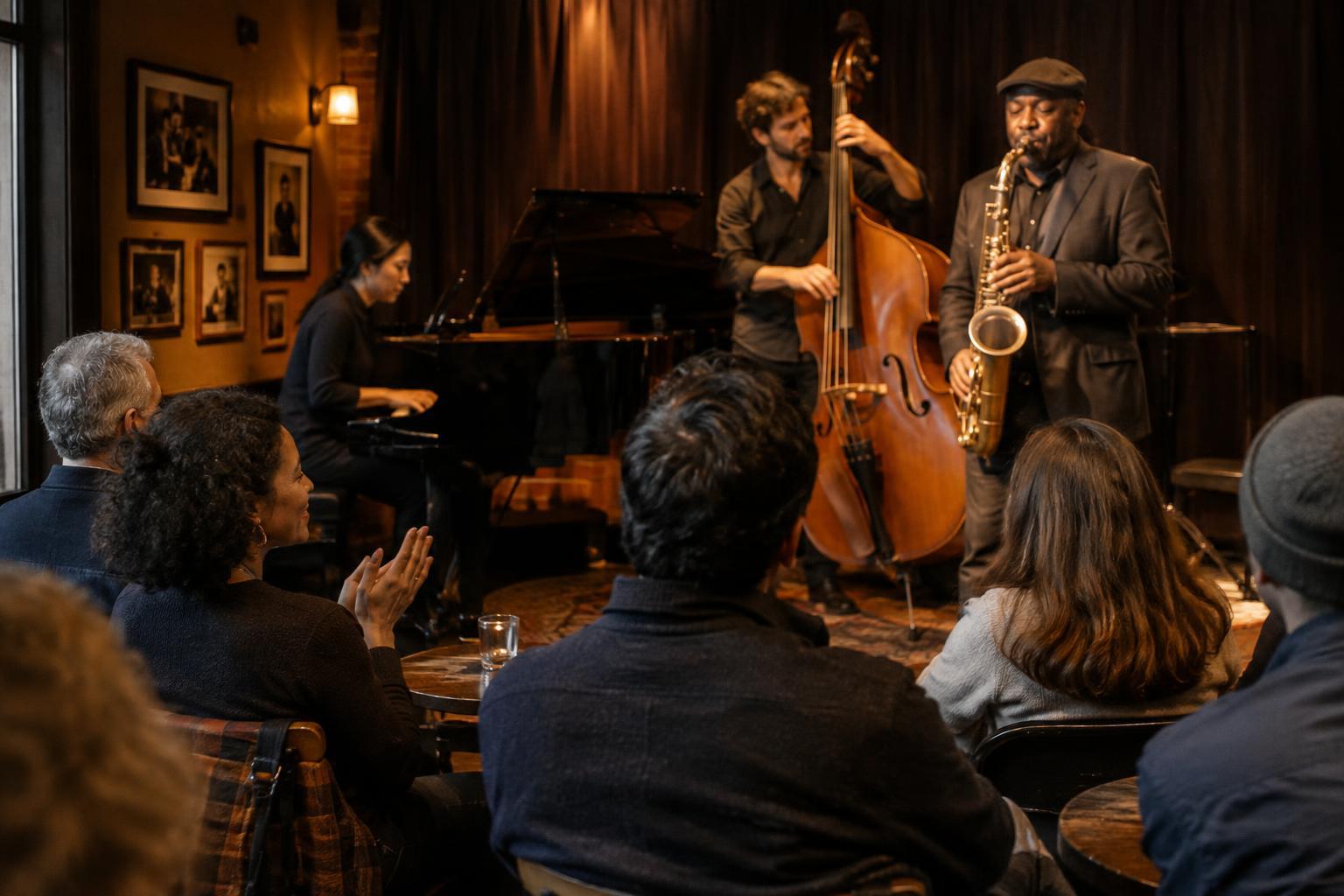
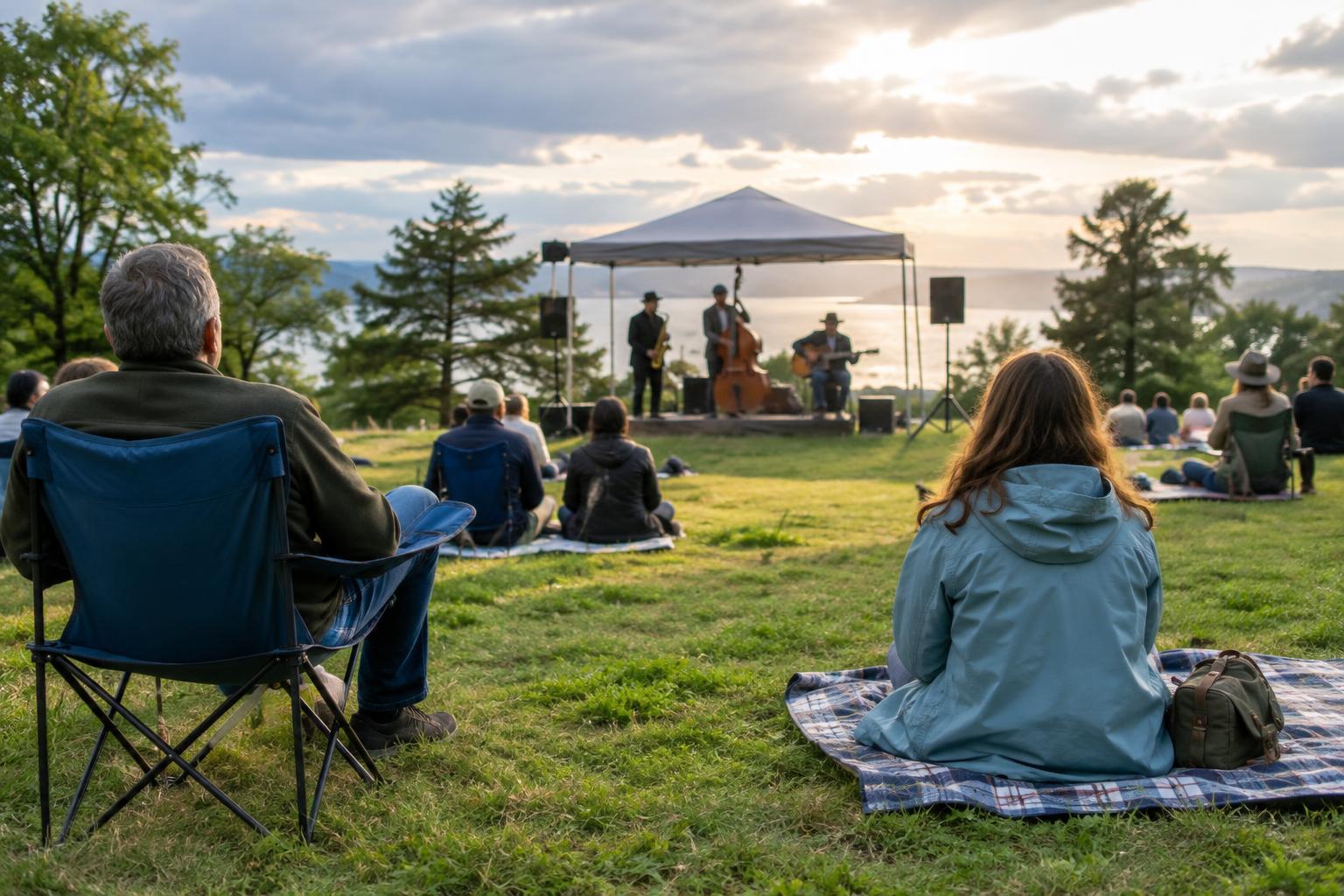
A good night of live music begins before the first note. A venue may describe itself as accessible, but that single word cannot tell you whether you can reach your seat, hear the performance comfortably, take a break or get home without an awkward surprise. Needs differ from person to person, and the setup may differ between a seated jazz set and a standing blues show at the same venue.
Before booking, make a short list of what matters most to you or someone in your group. That might include a step-free route, a place to sit, room for a mobility aid, a clear view of the stage, access to a quieter area or an easy way to leave early. Use the list to ask specific questions rather than relying on a general description.
Ask about the route from street to stage
First, find out how you will enter. Is there a step-free entrance, and is it the main entrance or a separate door? If a lift or ramp is needed, ask whether it will be available for the event and whether staff must open it. You can also ask about door widths, thresholds and any stairs between the entrance, ticket check, performance space and toilets. A floor plan or photos may help you judge whether the route works for you.
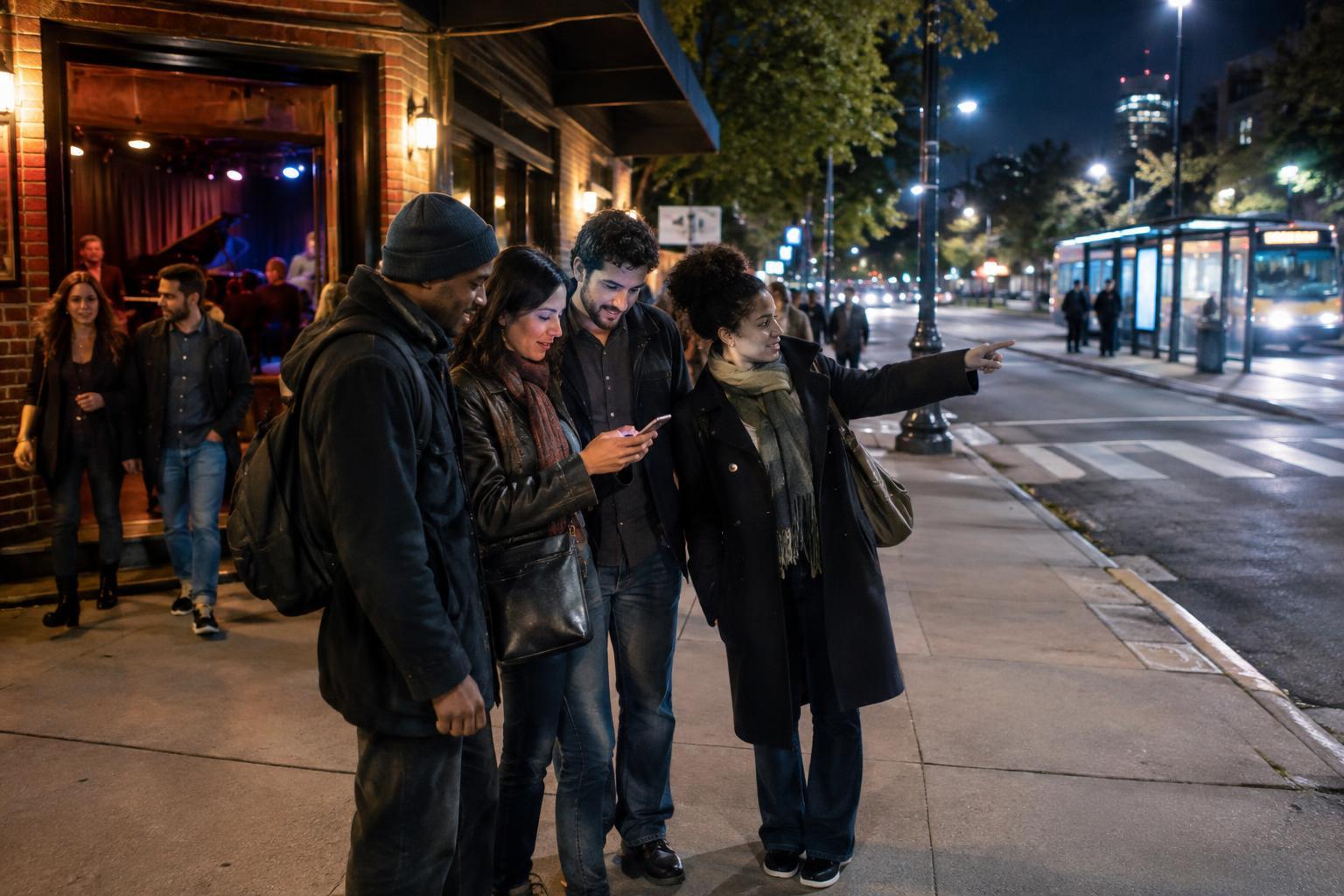
Think beyond the venue door. Ask where a taxi or rideshare can stop, whether there is nearby parking that suits your needs, and whether the pavement and entrance are easy to identify after dark. A venue may not know every detail of the surrounding streets, so allow time to check your travel route separately. If arriving early would make entry easier, ask when doors open and whether there is somewhere to wait.
Check seating, sightlines and essential facilities
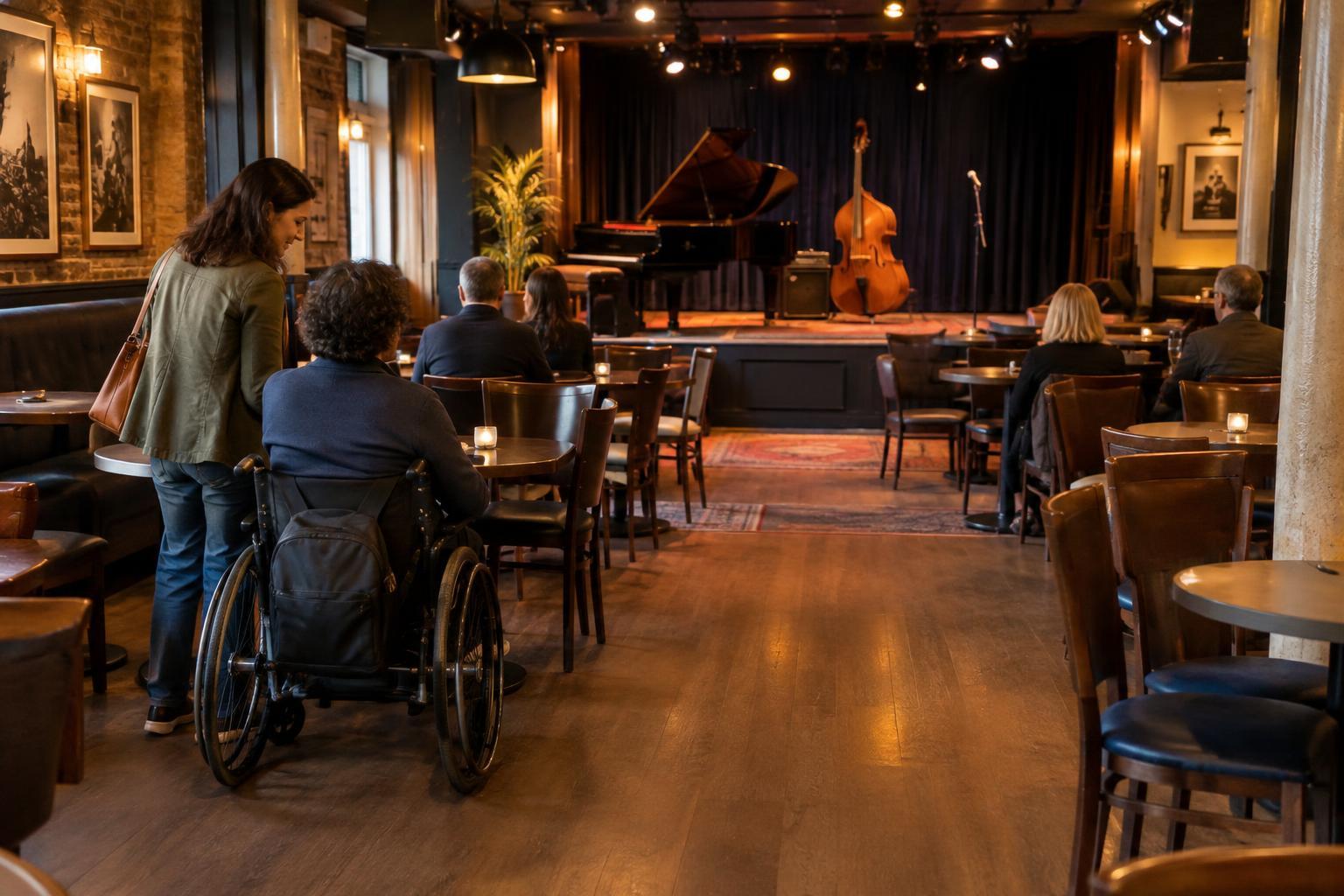
Ticket labels do not always explain the room. Is the show seated, standing or a mixture? Can you reserve an accessible position, or is space allocated on arrival? If you need to stay with a companion, ask whether adjacent places are available and how to book them. For a standing show, find out whether a seat can be provided and whether it offers a useful view when the crowd is on its feet.
Ask where the accessible toilet is in relation to the performance space and whether it will remain open throughout the show. If you may need to leave and return, check the re-entry policy and whether staff can direct you along the easiest route. Questions about cloakrooms, bag rules or storage for a mobility aid can also prevent a small logistical problem from taking over the evening.
Plan for sound, lighting and breaks
Live music is physical as well as musical: sound levels, bass vibrations, crowd noise and changing lights all shape the experience. If these affect your comfort or ability to follow the performance, ask where the speakers are, whether lighting effects are expected and whether you can move to a less intense spot. You might also ask whether there is a quiet space or a place to step outside, and what happens if you want to come back in.
If you use hearing support or need another way to follow announcements, ask what the venue can offer for this particular show. Do not assume that an advertised feature applies in every room or at every event. Earplugs, a planned break and a seat farther from the speakers may be useful options for some guests, but they are not substitutes for asking about the conditions that matter to you.
Get the details before you commit
When you contact the venue or ticket seller, include the event name and ask who can confirm arrangements for that specific performance. Keep your questions concise and practical: Which entrance should I use? How is accessible seating booked? Can I sit with my companion? Is there step-free access to the toilet? If the answer is vague, it is reasonable to ask for clarification before buying.
Finally, check ticket conditions, arrival instructions and the route home. Save any useful reply where you can find it on the night, and leave yourself a little flexibility in case plans change. The aim is not to predict every detail of a live show. It is to remove avoidable uncertainty so you can spend more of your attention on the musicians, the room and the music you came to hear.