Mistake 1: Assuming every venue works the same way
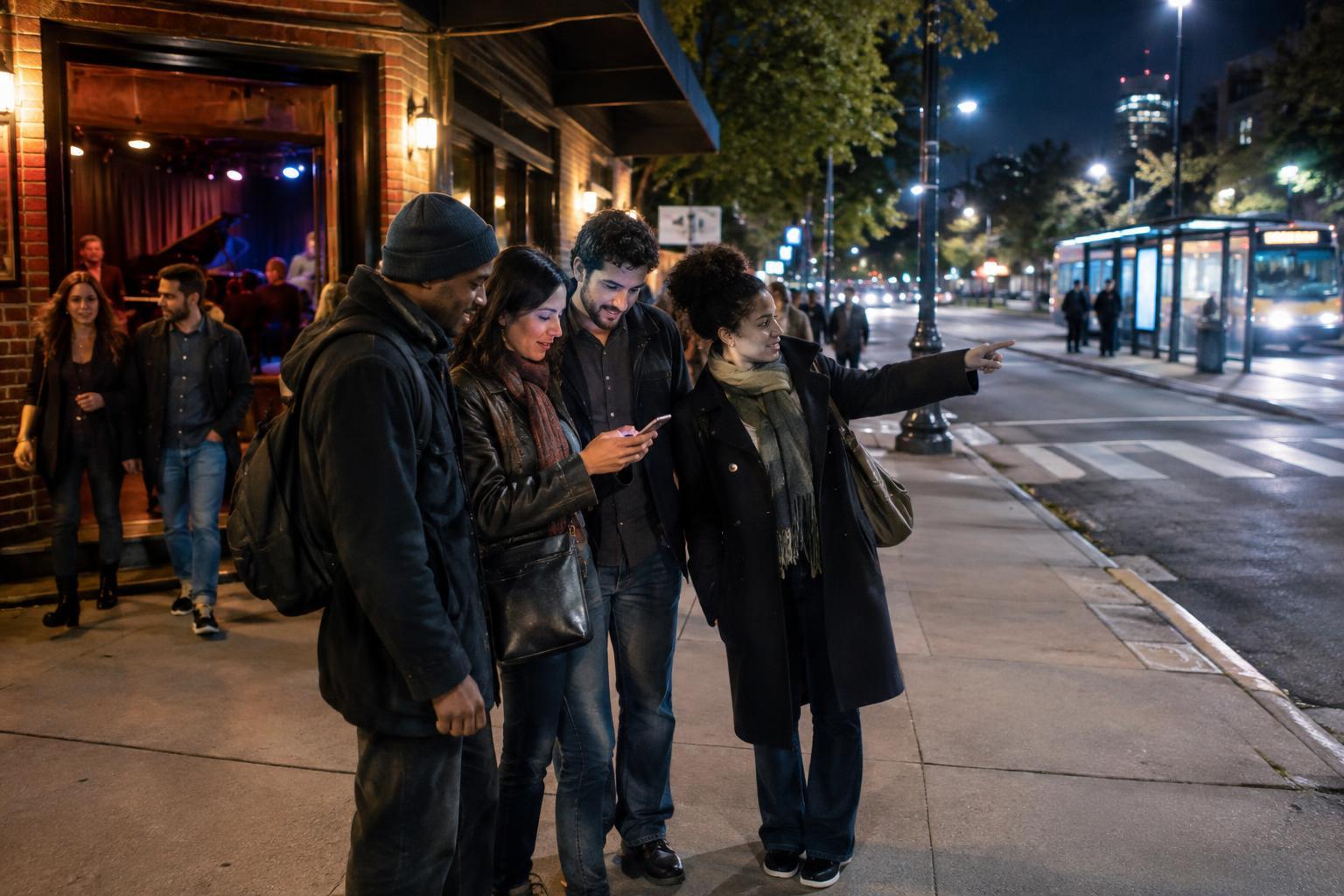
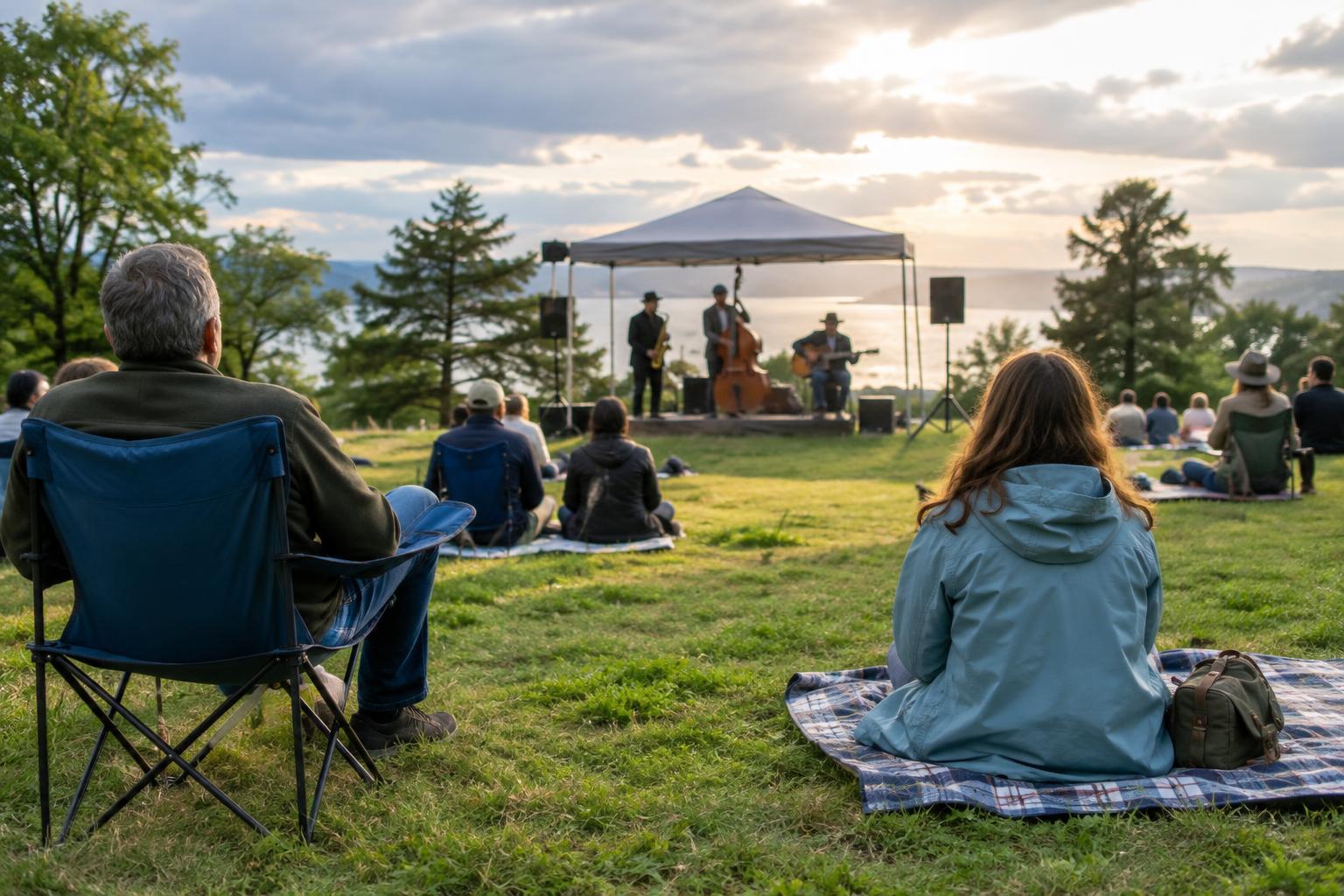
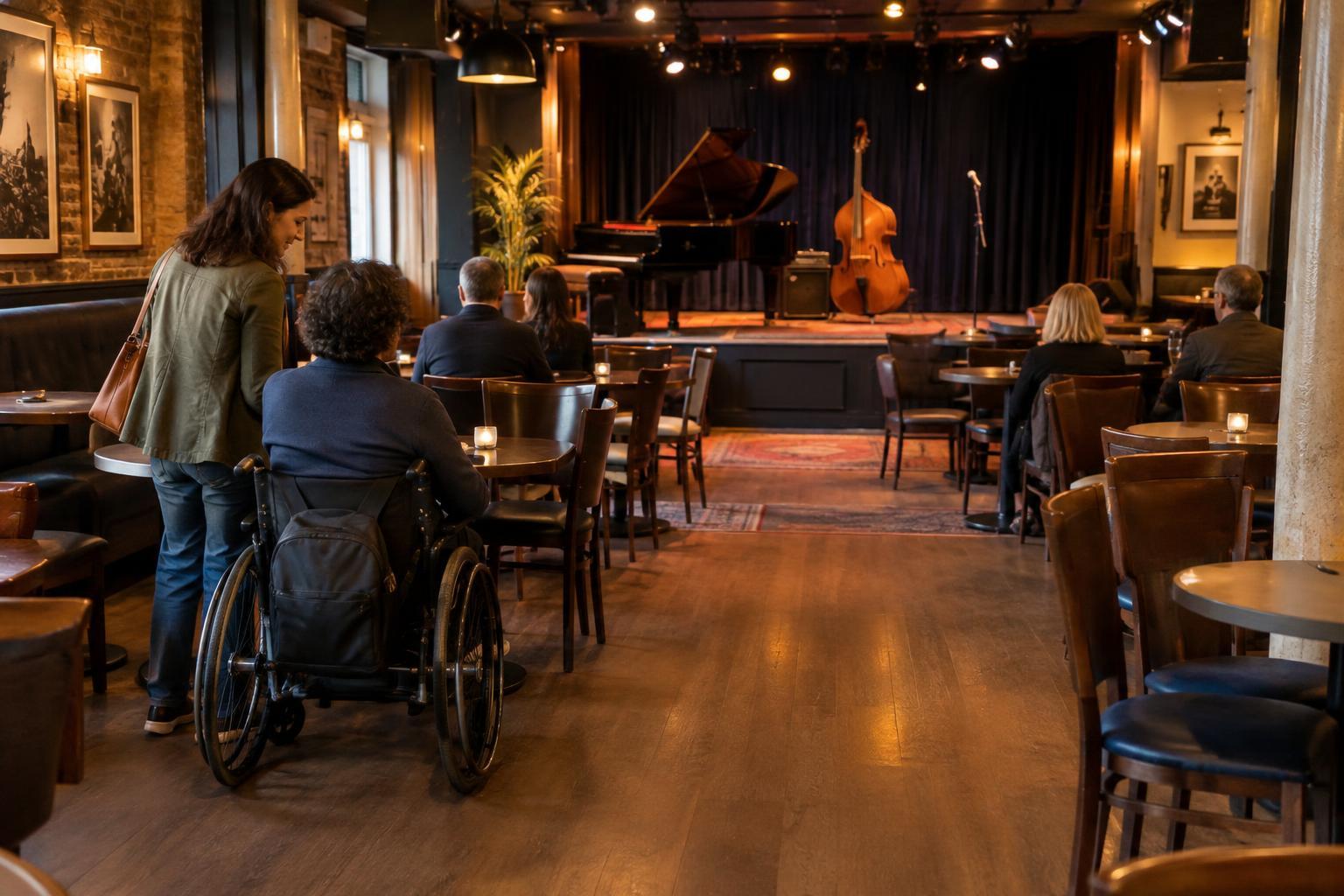
A blues bar with room to dance, a seated jazz club and a small listening room can have very different expectations. Before you go, check the venue’s own information for doors and performance times, seating arrangements, admission details and any age or accessibility information you need. If something is unclear, ask the venue rather than relying on how another club operates.
When you arrive, take a moment to read the room. Is a host assigning seats? Are people ordering at a bar, or is there table service? Is the audience dancing or sitting quietly? Following these cues is more useful than memorizing a rigid list of rules. If you arrive after the music starts, wait for a natural pause before crossing in front of the stage or squeezing past seated listeners.
Mistake 2: Treating the music as background noise
Conversation is part of a night out, but its volume matters. In a listening-focused room, even a quiet exchange can compete with a soft vocal, bass line or solo. Save longer stories for a break between sets, and step away from the performance area if you need to take a call. At a livelier bar, talking may be normal; you can still keep your voice down near people who are trying to listen.
The same principle applies to phones. Silence alerts before the set begins, keep your screen dim and avoid holding it up in someone else’s sightline. Do not assume photography or recording is allowed: check the venue’s policy and respect any request from performers or staff. A brief photo, where permitted, should not turn into a bright screen pointed at the stage all night.
Mistake 3: Worrying about the “right” moment to clap
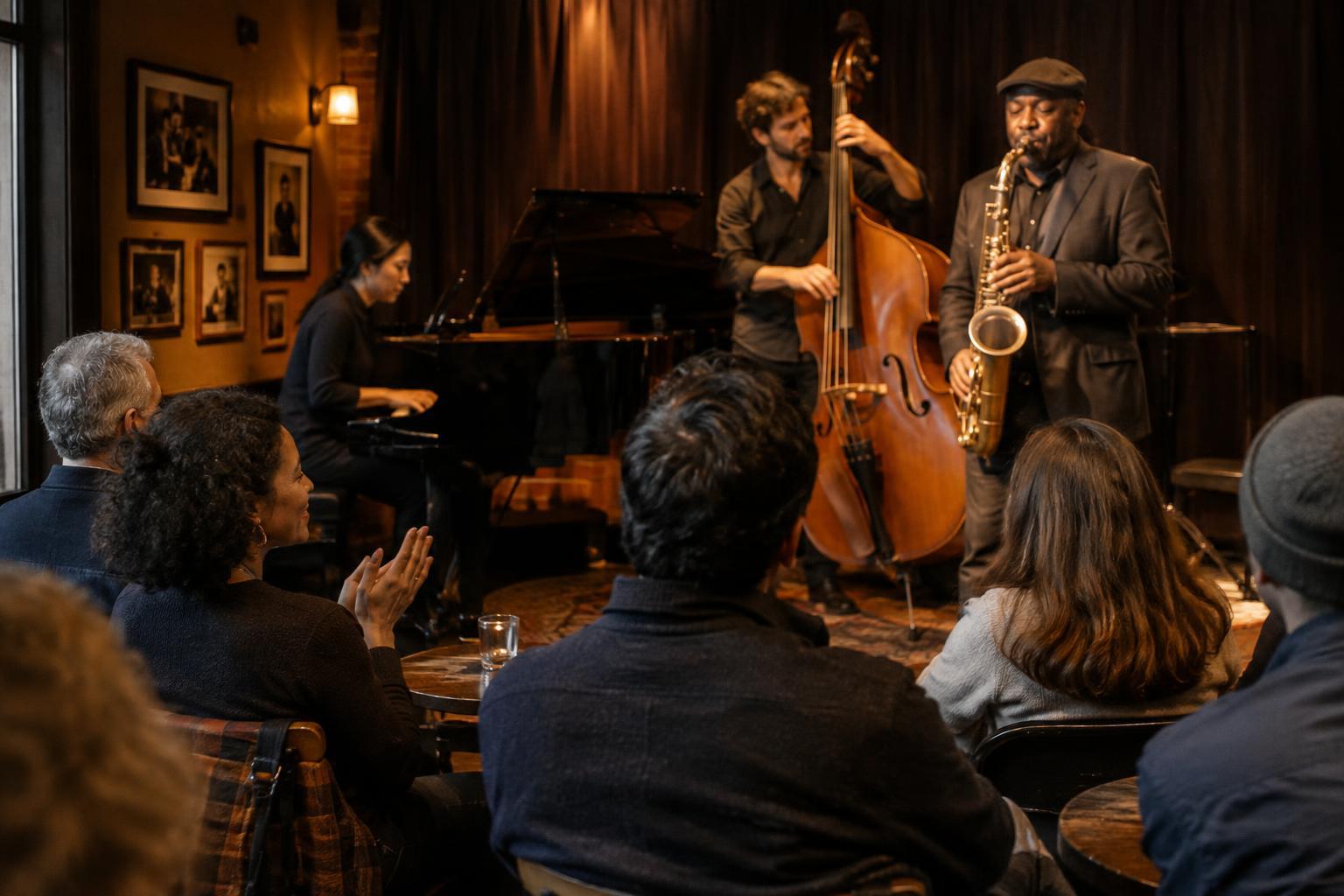
If you are new to jazz or blues, you may not always know when a tune has ended or whether a solo deserves its own round of applause. That is fine. Listen for a musical pause and take a cue from the room. A response after a solo may feel natural in one setting, while another audience may wait until the end of the piece. There is no need to prove that you recognize every song or player.
Engagement can be quiet, too. Paying attention, moving with the rhythm where space allows and applauding when the music finishes all show appreciation. If the band invites a call-and-response or dancing, join in if you want to, but leave space for others. Avoid shouting song requests, trying to talk to a musician mid-performance or calling attention to yourself during a delicate passage.
Mistake 4: Misreading how to interact with performers and staff
A warm, informal atmosphere does not mean the performers are available for conversation at any moment. If you want to offer a compliment or ask a question, wait until a break and keep it brief, especially if they are packing up or speaking with someone else. For requests, follow the band’s lead: some welcome them, while others have planned a set or need to adjust to the room.
The same courtesy helps when ordering. Place orders in the way the venue expects, rather than interrupting a server who is carrying drinks or walking up to the stage. If there is a cover charge, minimum purchase or tipping arrangement, clarify it with staff when you arrive. Practices vary by venue and location, so it is better to ask than to assume.
Mistake 5: Forgetting that you share the experience
Small movements can have a big effect in a close room. Keep coats and bags out of walkways, avoid blocking a view for a long photo and give dancers enough room to move safely. If you need to leave during a set, try to do so at a pause rather than in the middle of a quiet number. Follow staff guidance about where to stand or sit, even if another spot looks tempting.
You do not need specialist knowledge to belong in a blues or jazz audience. Arrive prepared, notice the character of the room and adjust when necessary. The goal is not perfect etiquette; it is to make it easier for the musicians to play, for the people around you to listen and for you to enjoy what happens in the moment.