Choose a show that fits the evening you want
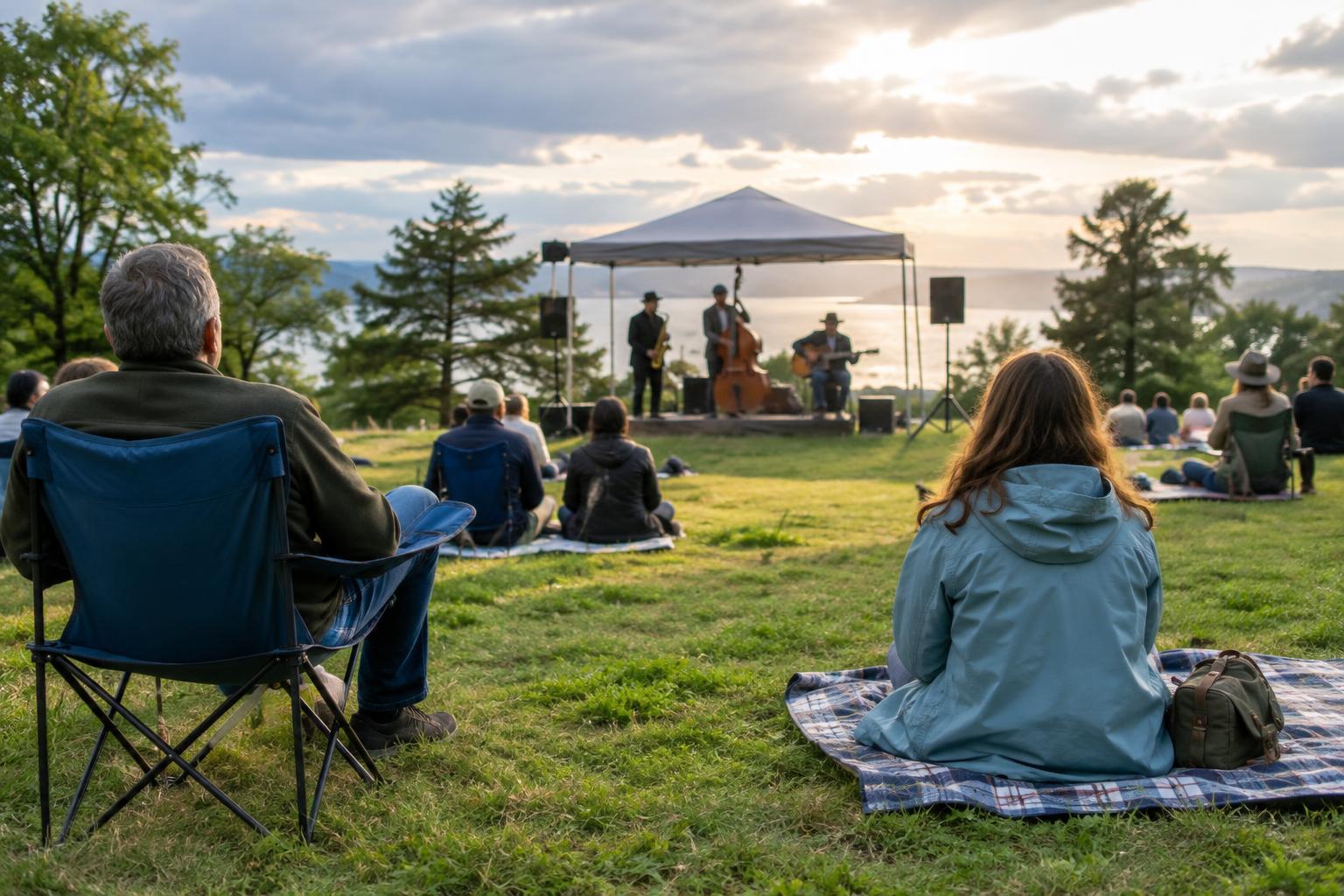
Going to a blues show alone does not require a bold personality or deep knowledge of the music. It can simply mean having the freedom to follow a guitar line, stay for another song or leave when you are ready. Start by choosing a setting that sounds comfortable to you. A seated room may suit a first solo outing; a standing venue may appeal if you like moving around. Neither is a more authentic way to hear the blues.
Before you go, check the venue’s own information for doors, performance times, seating arrangements, accessibility details and any entry requirements. If something important is unclear, contact the venue rather than guessing. It helps to know whether you can reserve a seat, whether food is served and whether the performance is the main focus of the room. These details can make a bigger difference to your comfort than the size of the audience.
Make a simple arrival and departure plan
Give yourself enough time to find the entrance, settle in and order anything you want before the music starts. Arriving a little early can make it easier to choose a spot without feeling hurried. You might prefer a seat with a clear view of the stage, a place near the back where you can step out easily or somewhere away from speakers. If you arrive after a set has begun, follow the room’s cues and wait for a suitable pause before moving past other listeners.
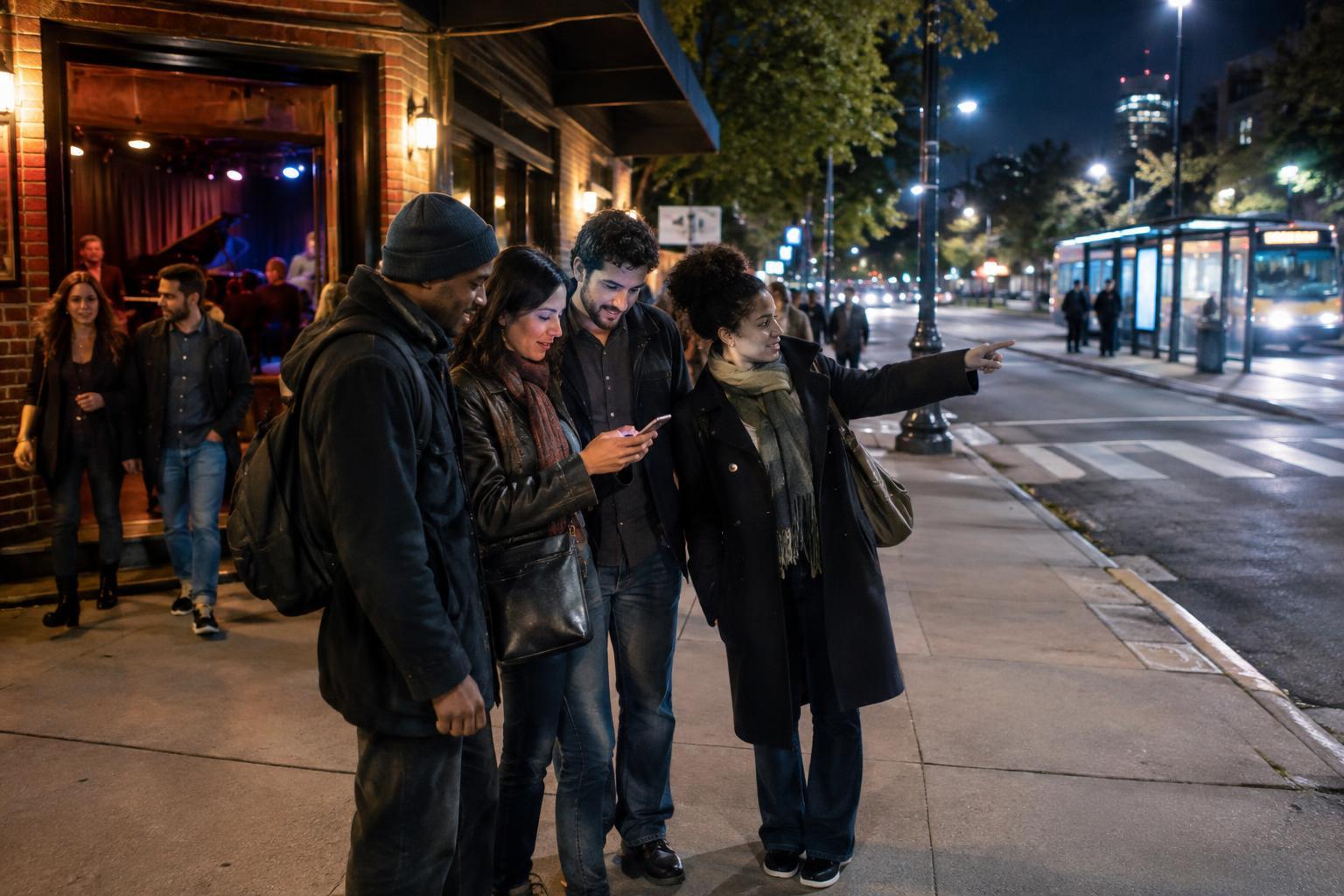
Think through the trip home while you are still at home. Check your transport options, keep your phone charged and decide what you will do if you leave earlier or later than expected. Sharing your plans with someone you trust may offer reassurance, but you do not owe anyone a report on your night. The aim is to remove small uncertainties so you can give the performance your attention.
Settle in without pressure to socialize
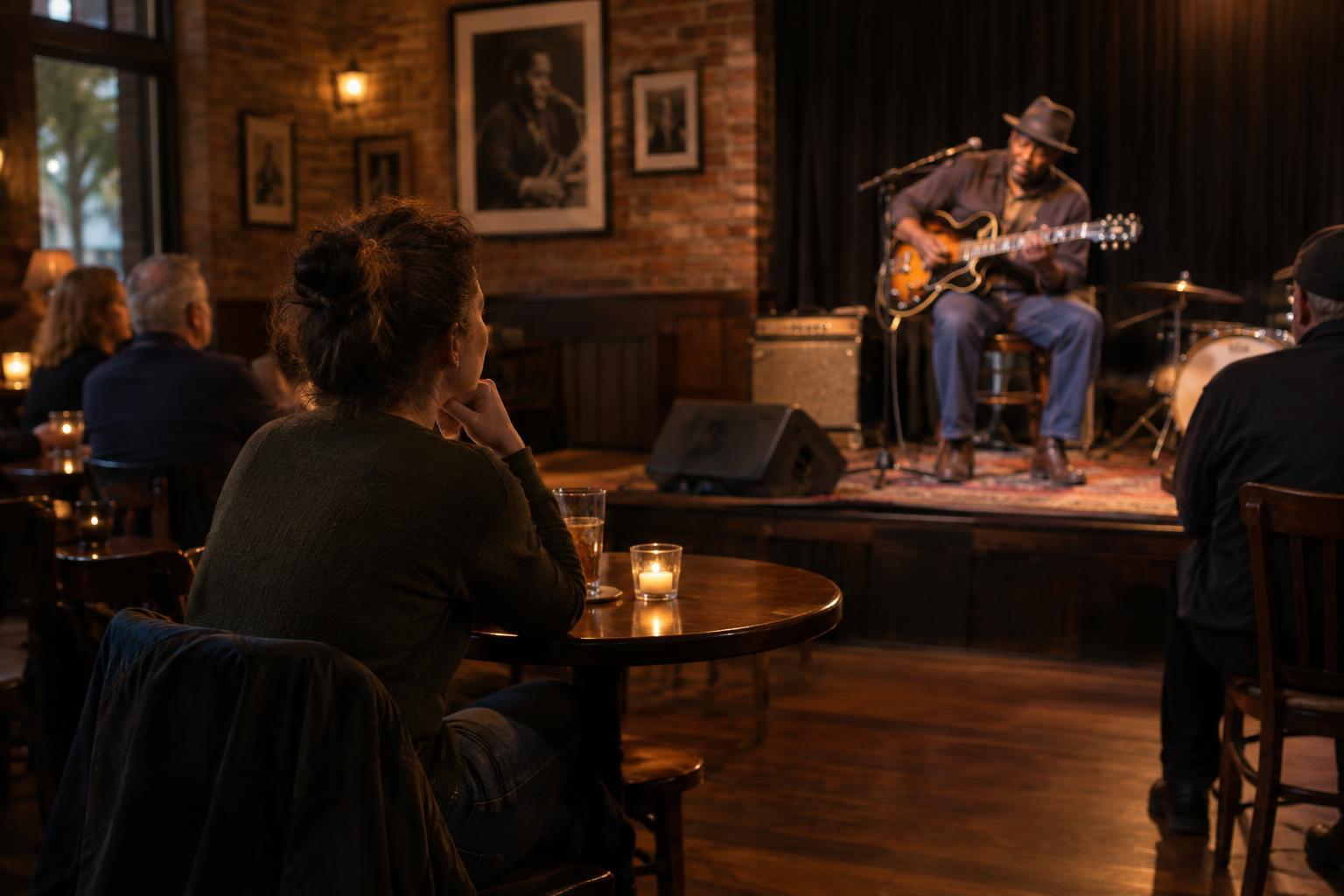
Once inside, you do not need to look busy or explain why you came alone. Find a comfortable place, take in the room and read any posted guidance. If you would like to chat, a brief comment during a break can be an easy opening: ask someone what they enjoyed about the set or whether they have heard the performer before. If you would rather listen quietly, that is just as welcome a way to spend the evening.
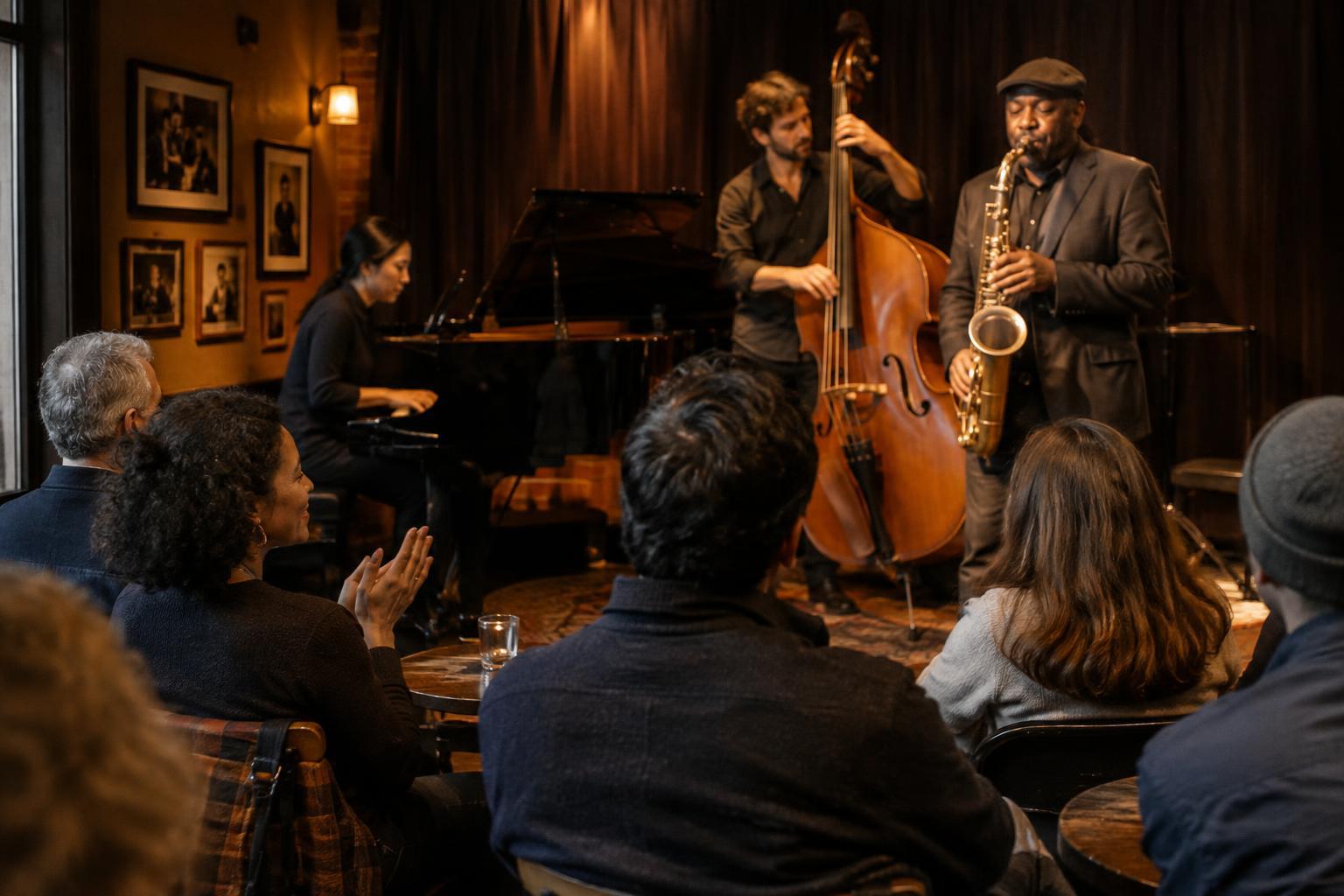
Keep conversations low during songs, especially in a small room where voices carry. Let solos and quieter passages breathe, and save longer comments for breaks. Applause is an easy way to join in without speaking. Some blues shows invite dancing or audience response; others reward close, still listening. Watching how the performers and room interact will help you find your place without treating every venue as if it follows the same rules.
Look after your comfort while the music plays
Live sound can feel different from a recording, and the volume may vary across a room. Bringing earplugs gives you an option if the sound feels too loud. You can also move to another permitted spot if space allows. Take a break for water or fresh air when you need one, and check any re-entry policy before stepping outside. Comfort is not a distraction from listening; it makes it easier to stay engaged.
Be considerate with your phone. A quick photo may be allowed, but check venue or performer rules first, keep the screen dim and avoid blocking someone else’s view. Recording policies vary, and permission to take photos does not necessarily mean permission to record a whole song. If you want to remember the night, a few notes about a sound, lyric or moment that caught your ear can be more personal than a long video.
Leave with your own impression of the show
You do not have to stay to the final note to make the outing worthwhile. If you are tired, uncomfortable or simply ready to go, choose a natural pause and leave. If you enjoyed the set and the venue offers a way to support the performers, you can consider it without feeling obliged to spend beyond your plans. A quiet thank-you, where appropriate, can also be a kind way to end the night.
On the way home, think about what made the experience work for you. Perhaps it was a seat near the stage, arriving early or allowing yourself to speak to no one at all. That knowledge is useful for the next show. Confidence often grows not from forcing a perfect solo night, but from learning that you can shape the evening around the music and your own needs.