The sound of coming around again
A blues turnaround is a musical way of saying, “Here we go again.” It usually arrives near the end of a repeating chord pattern, or chorus, and points the ear back toward the start. You might hear a guitarist play a quick descending line, a pianist answer with a bright cluster of notes, or a whole band lean into a chord that seems to ask for a reply. The details vary, but the effect is recognizable: the music reaches an ending without quite stopping.
Think of walking to the end of a block and turning a corner rather than reaching a dead end. A turnaround gives players and listeners a clear change of direction. It can fill a gap after a sung line, prepare the next verse, or invite an instrumental solo to continue. Because it happens within a repeating form, you can learn to hear it even before you can name any of the notes.
Where to listen in a twelve-bar blues
The twelve-bar blues is a useful place to start. Its chords move through twelve measures before the pattern begins again. In a common version, the final two measures include a return to the home chord followed by a chord that pulls toward the next opening measure. Players often place a short riff or chord movement across this closing space. That movement is what many listeners mean when they point out “the turnaround.”
The word does not describe one fixed set of notes. A band might use only a single chord change, while a soloist plays a more elaborate line over it. Another performance might leave space, letting a drum fill or a held note do much of the work. Some blues songs use different lengths or chord patterns altogether. The helpful listening question is not “Did I hear the standard lick?” but “Did the music guide me from the end of one cycle into the next?”
Tension, release, and a little anticipation
A turnaround often works by briefly moving away from the settled sound of the home chord. In a familiar twelve-bar pattern, a chord in the last measure creates an expectation that the first chord will answer it. Melodic notes can add to that feeling: a line may step downward, climb toward a target note, or pause on a sound that feels unfinished until the pattern restarts.
Rhythm matters as much as pitch. A player can start the phrase just after the beat, leave a small silence before the next chorus, or repeat a figure that the band punctuates together. In a slow blues, those choices may make the turnaround sound spacious and conversational. In a brisk shuffle, the same job can be done with a compact, bouncing riff. The turnaround is both a harmonic signpost and a moment of expression.
A simple way to hear one
Choose a recording with a steady, repeating blues groove and listen for the place where the singer or lead instrument seems ready to begin another statement. Tap along to the beat. If you can count groups of four beats, try counting twelve groups, then start again at one. Do not worry if you lose your place; voices, fills, and breaks can make the boundaries less obvious on a first listen.
On the next pass, focus only on the last few groups of beats. Does a guitar or keyboard play a recognizable little phrase? Does the bass change direction? Is there a chord that feels less settled just before the opening returns? Hum the phrase you notice, even if you cannot identify its notes. Then listen for it on the following cycle. Repetition makes the turnaround easier to locate, and small changes from one cycle to the next become part of the pleasure.
Hear the conversation, not just the lick
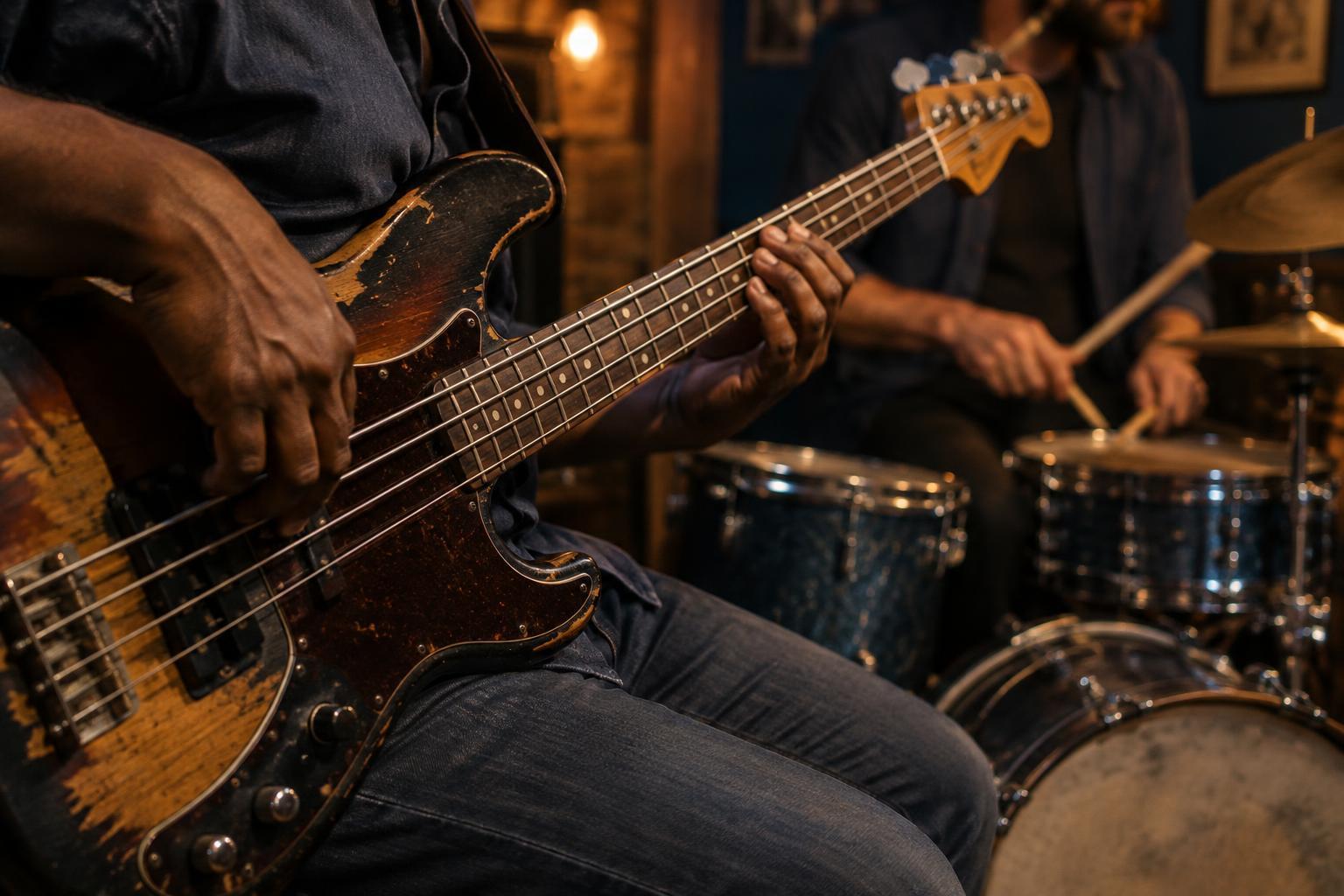
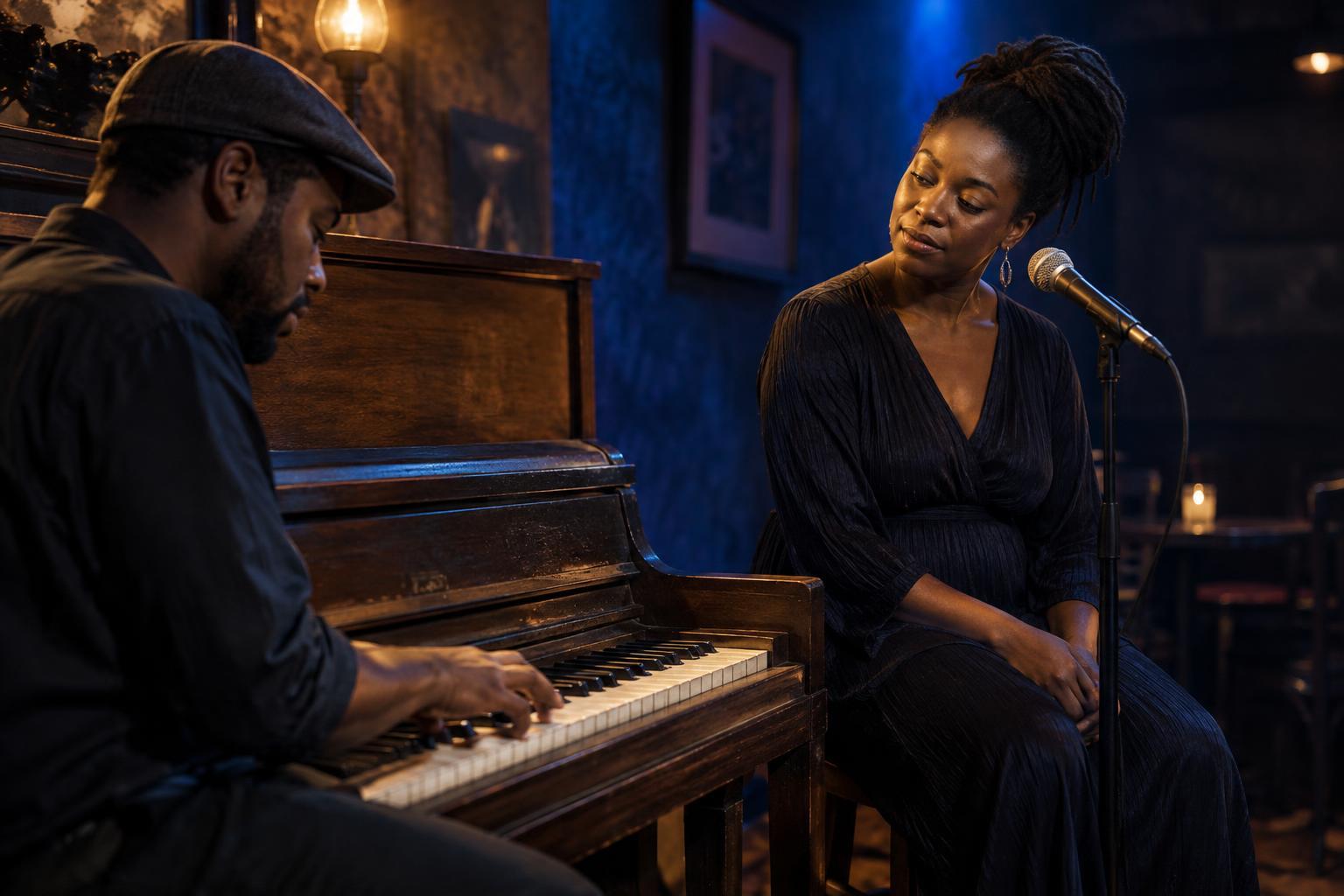
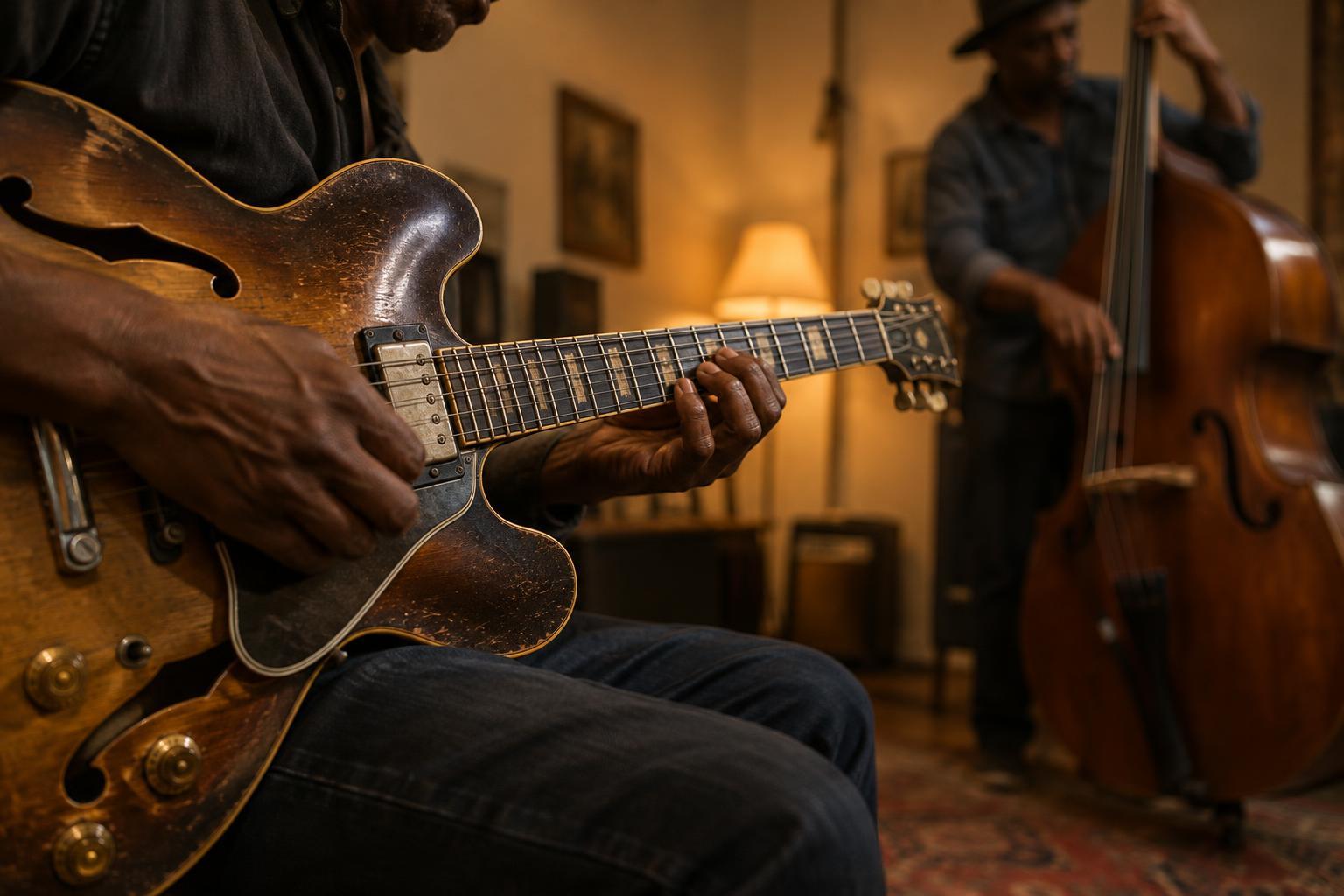
Turnarounds are also useful cues between musicians. A singer may stretch the end of a line while an instrumentalist fills the space. A drummer may mark the approaching first beat with a brief fill, and the bass may make the return feel firm. What sounds like a solo flourish is often part of a shared conversation about where the music is going next.
Once you recognize that conversation, listen across different performances. Notice who carries the turnaround, whether it stays the same each time, and whether the band makes the return feel smooth or dramatic. You do not need to memorize a chord chart to appreciate it. The essential sound is the shift from “this chorus is ending” to “the next one is beginning”—a small turn that helps keep the blues moving.