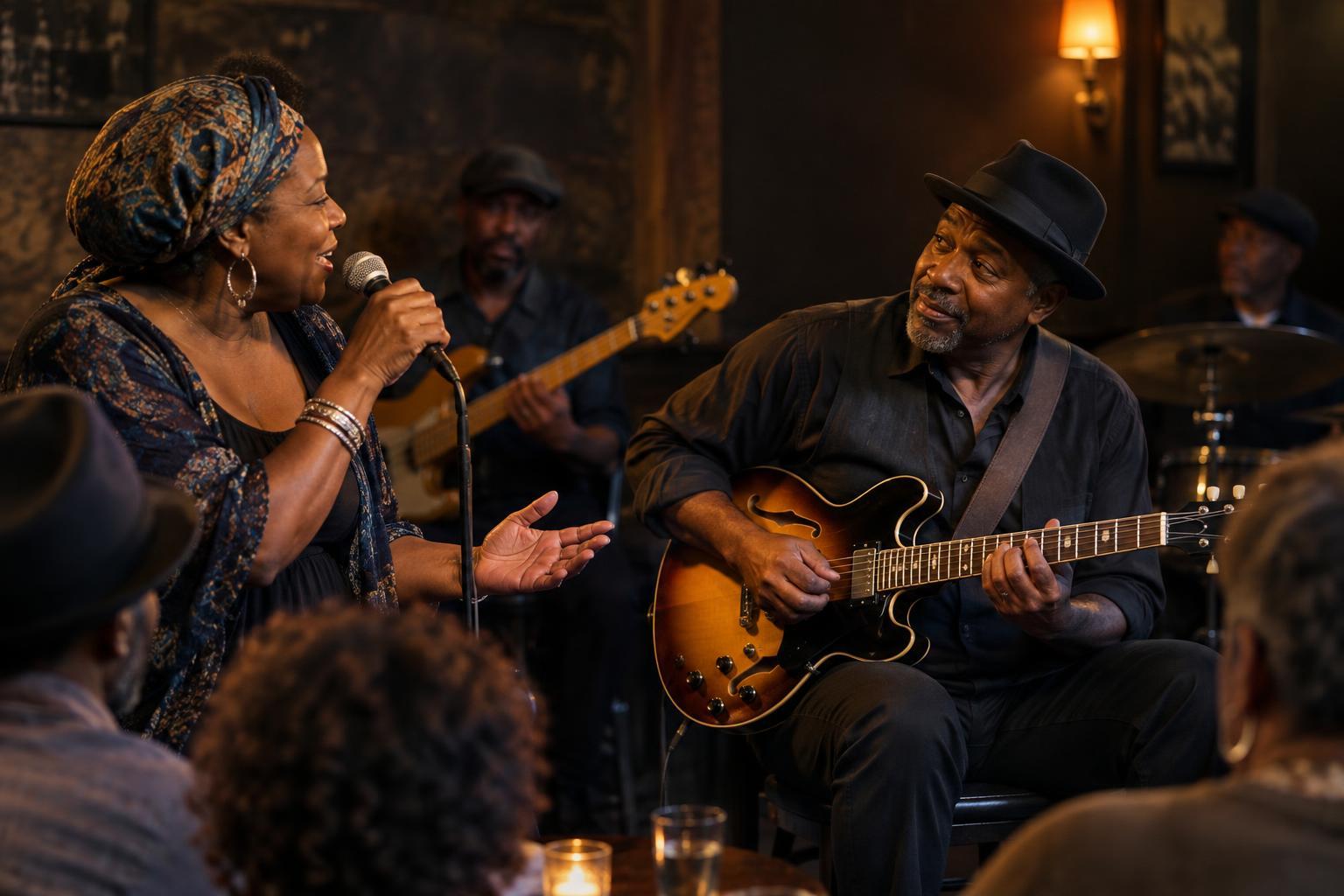
Music TraditionsCall and response is more than a singer leaving space for a guitar lick. Learn how this musical practice shapes blues performances, how to hear its variations, and why listening to the people and setting matters.
Read article · 4 min↗
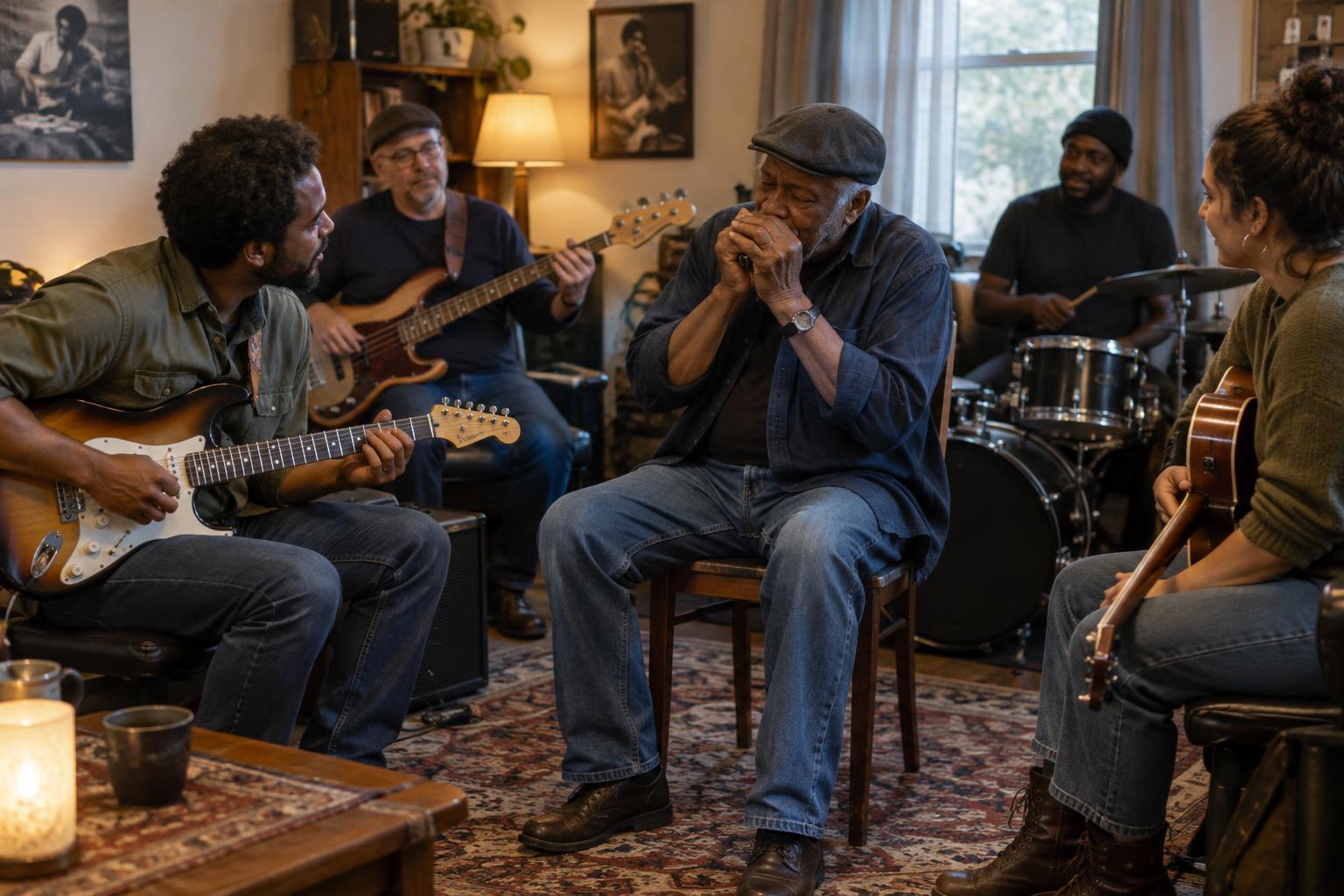
Music TraditionsA community blues jam is more than an informal performance. Learn how listening, shared repertoire, clear cues and consideration for other players help keep the music open to newcomers.
Read article · 4 min↗
Music TraditionsBlues history is richer than a single origin story or a list of famous recordings. Learn how to discuss its roots, regional styles, performers and continuing influence without flattening the people and places behind the music.
Read article · 4 min↗
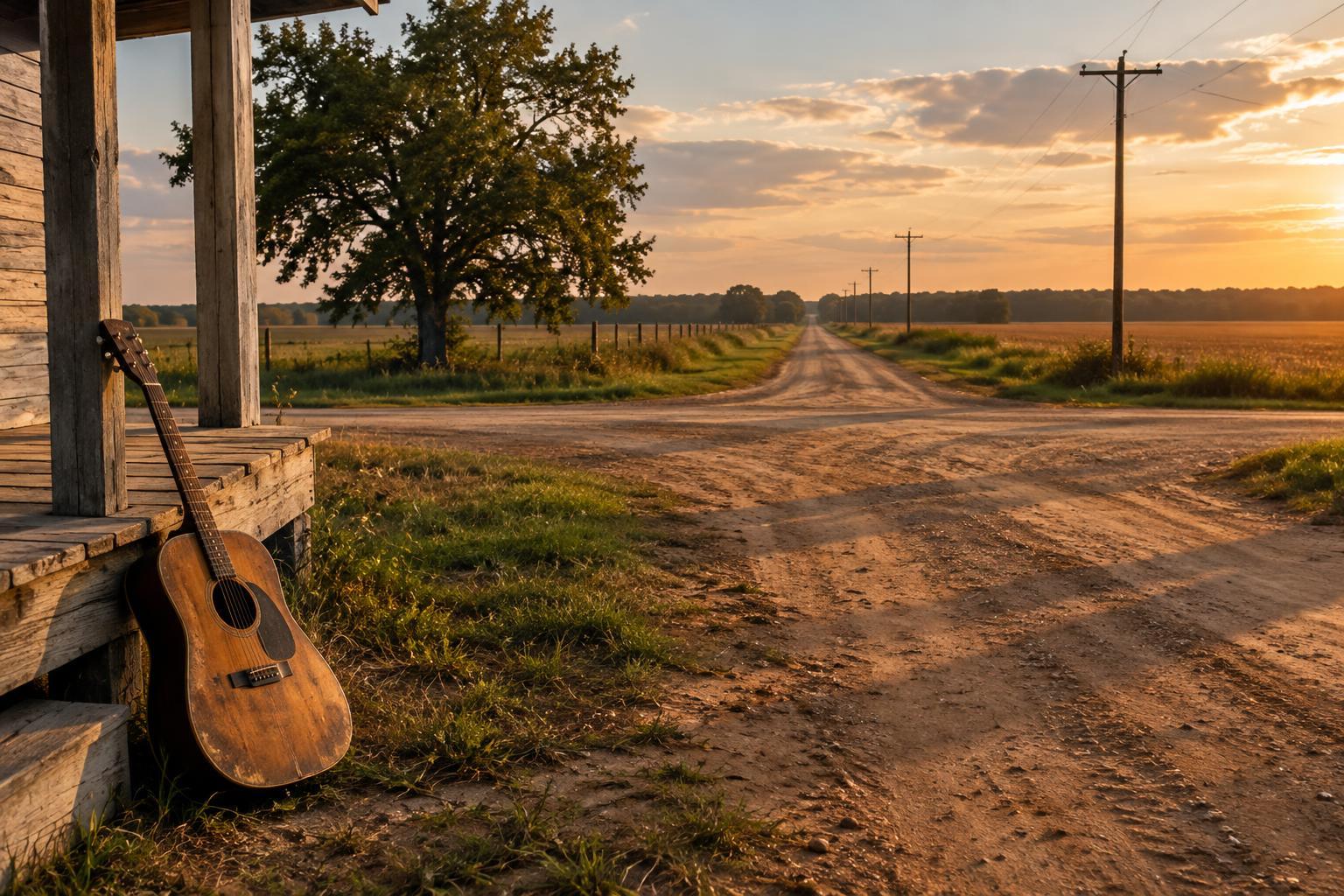
Music TraditionsThe story of a blues musician trading his soul for extraordinary skill is memorable, but it is not a biography. Explore what the crossroads legend can tell us about blues storytelling, what the historical record supports, and how to listen without letting the myth obscure the musicians.
Read article · 4 min↗
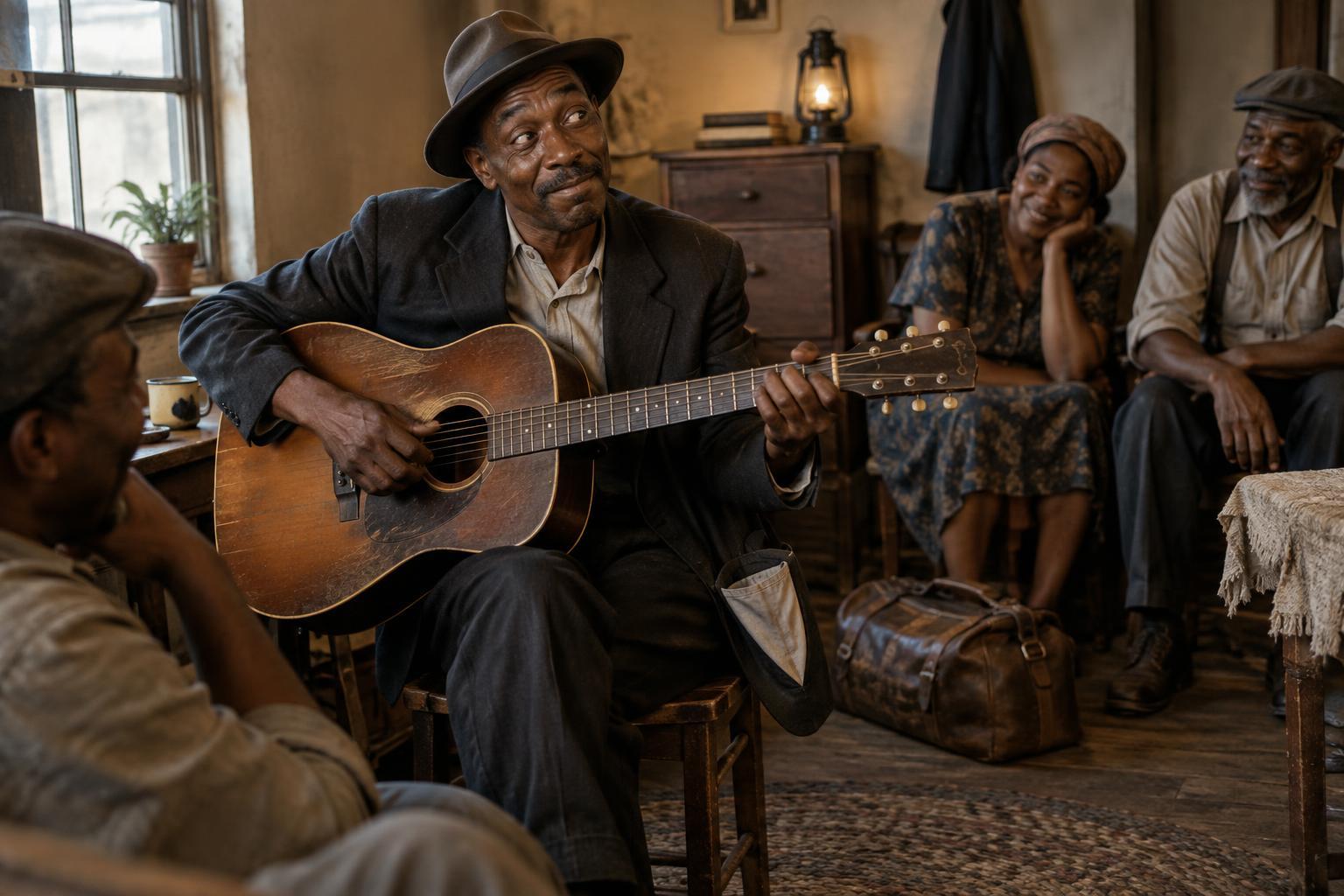
Music TraditionsBlues lyrics can turn a missed train, an empty pocket or a difficult relationship into a moment of wit. Explore how understatement, exaggeration and playful delivery give everyday stories more than one emotional register.
Read article · 4 min↗
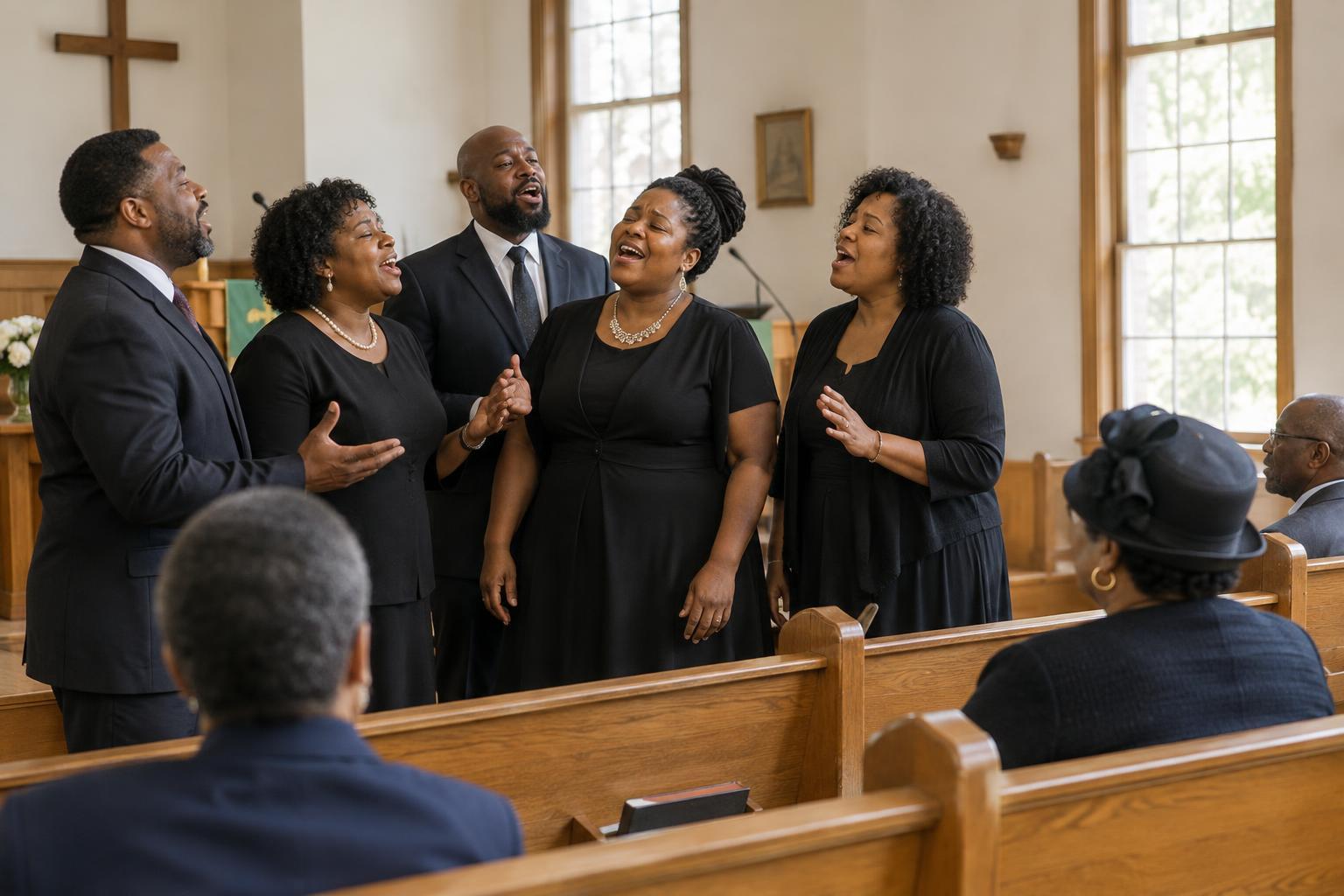
Music TraditionsGospel quartets are more than four voices singing in harmony. Their changing sound reflects worship, community gathering, musical innovation and the movement of Black music beyond church walls. This guide offers a way to listen to the tradition with its social and spiritual setting in mind.
Read article · 4 min↗
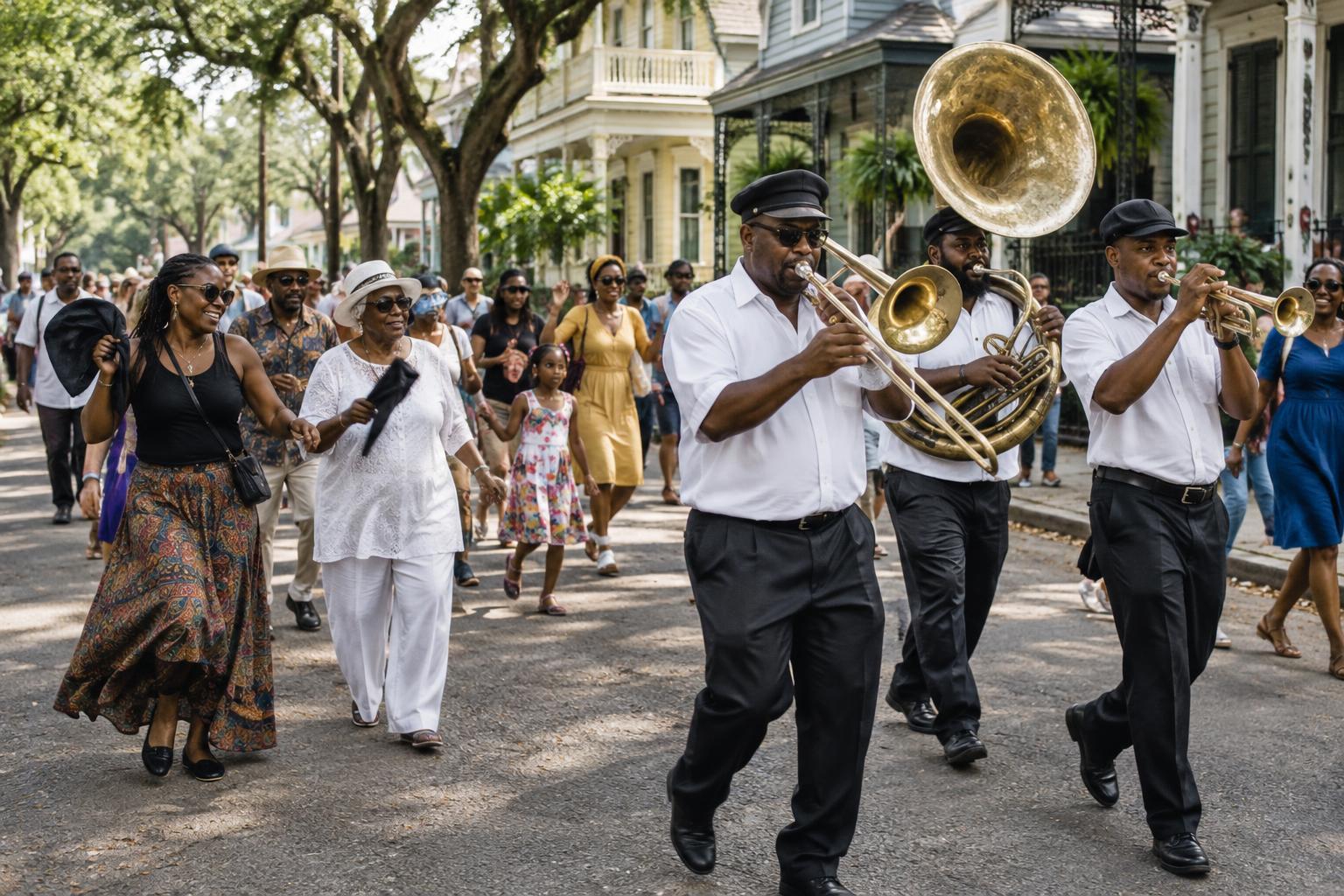
Music TraditionsA second line is more than a crowd following a brass band. Learn how New Orleans social aid and pleasure clubs, music, movement and neighborhood ties shape this living tradition—and how to watch with respect.
Read article · 4 min↗
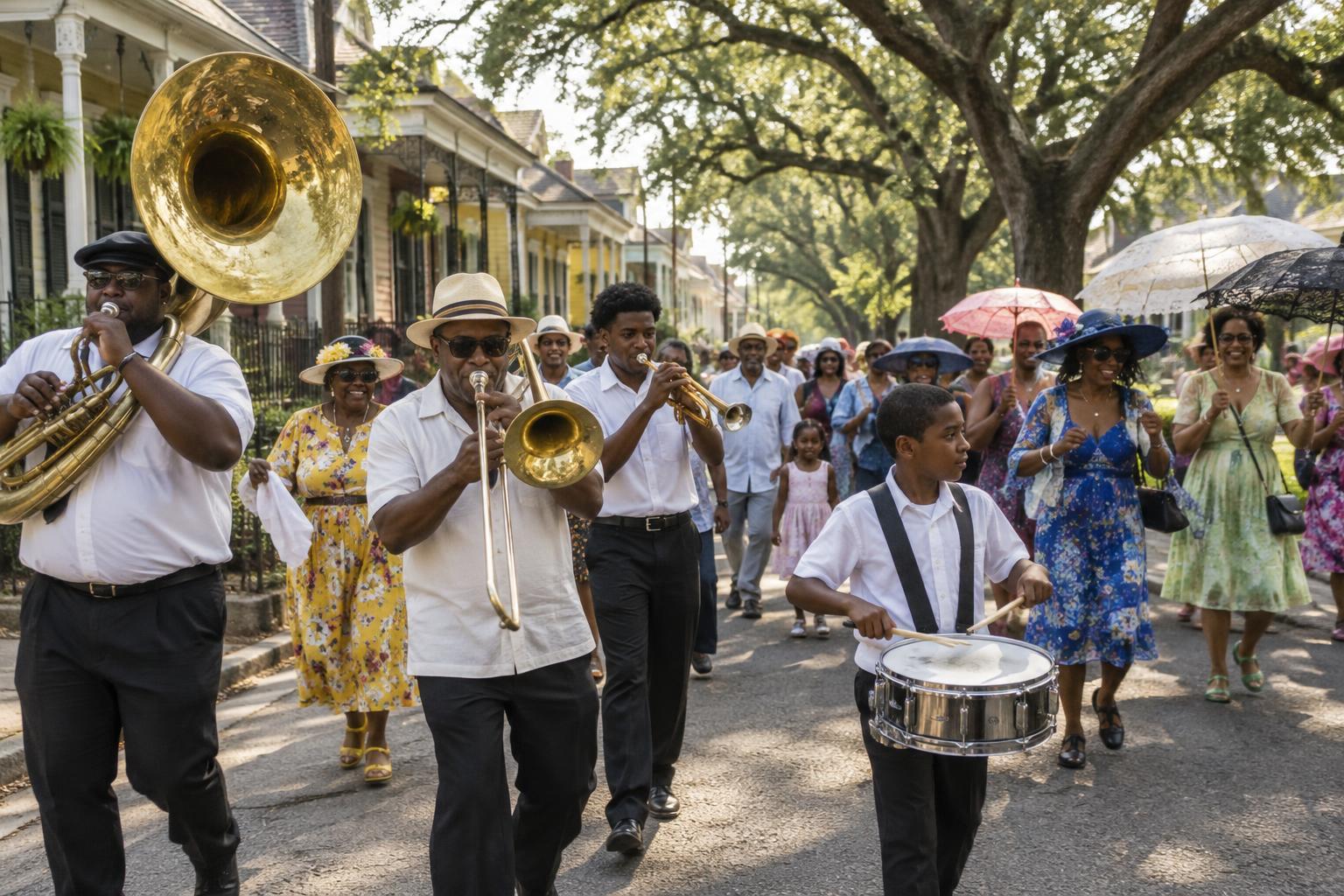
Music TraditionsNew Orleans brass band music is inseparable from the communities that sustain it. Learn how social aid and pleasure clubs, second-line parades and neighborhood musicians connect, and how to listen with respect.
Read article · 4 min↗
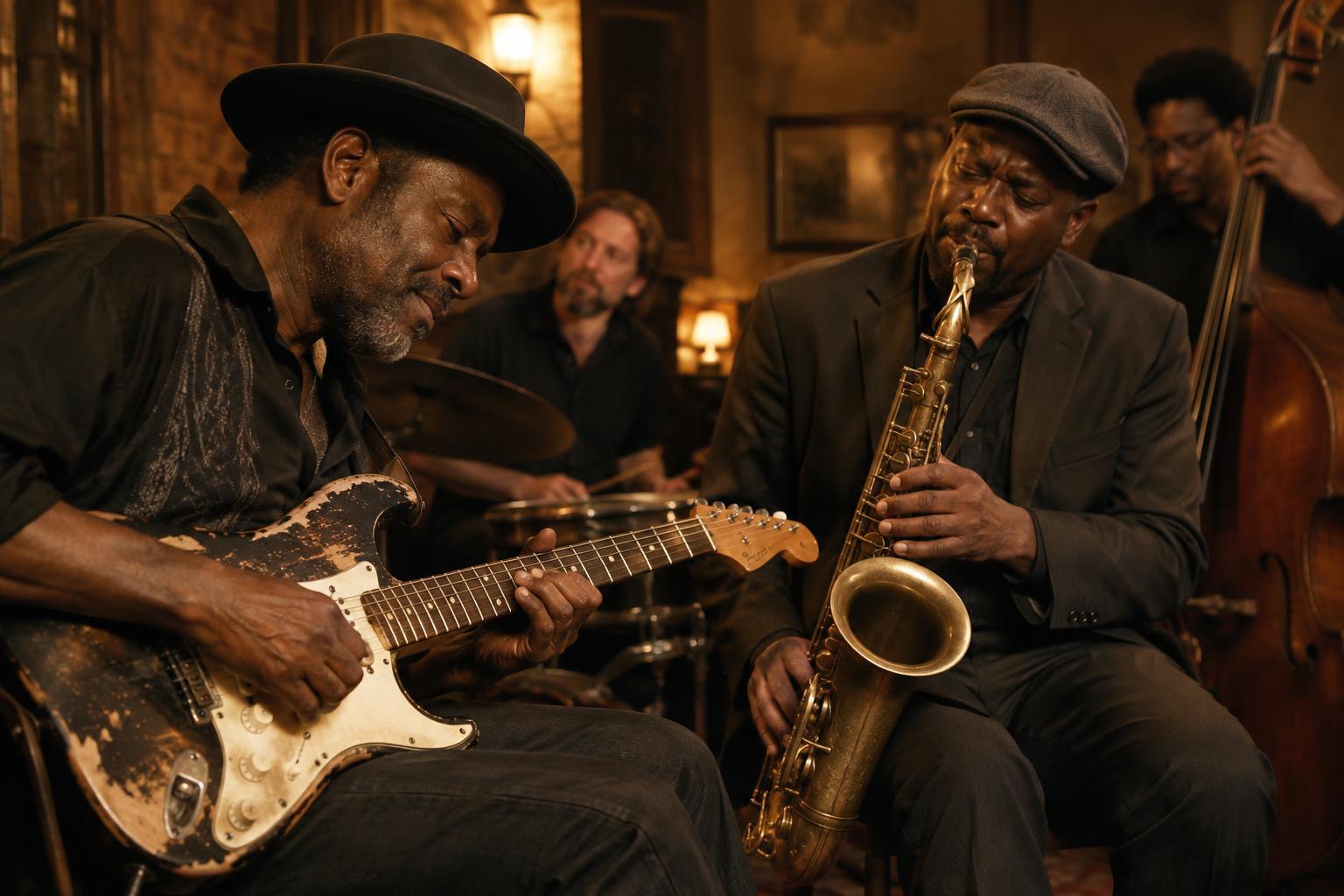
Music TraditionsBlues and jazz share musical practices and histories, but they are not interchangeable. Explore how their approaches to form, improvisation and performance overlap—and why the communities behind the music matter as much as the sounds.
Read article · 4 min↗
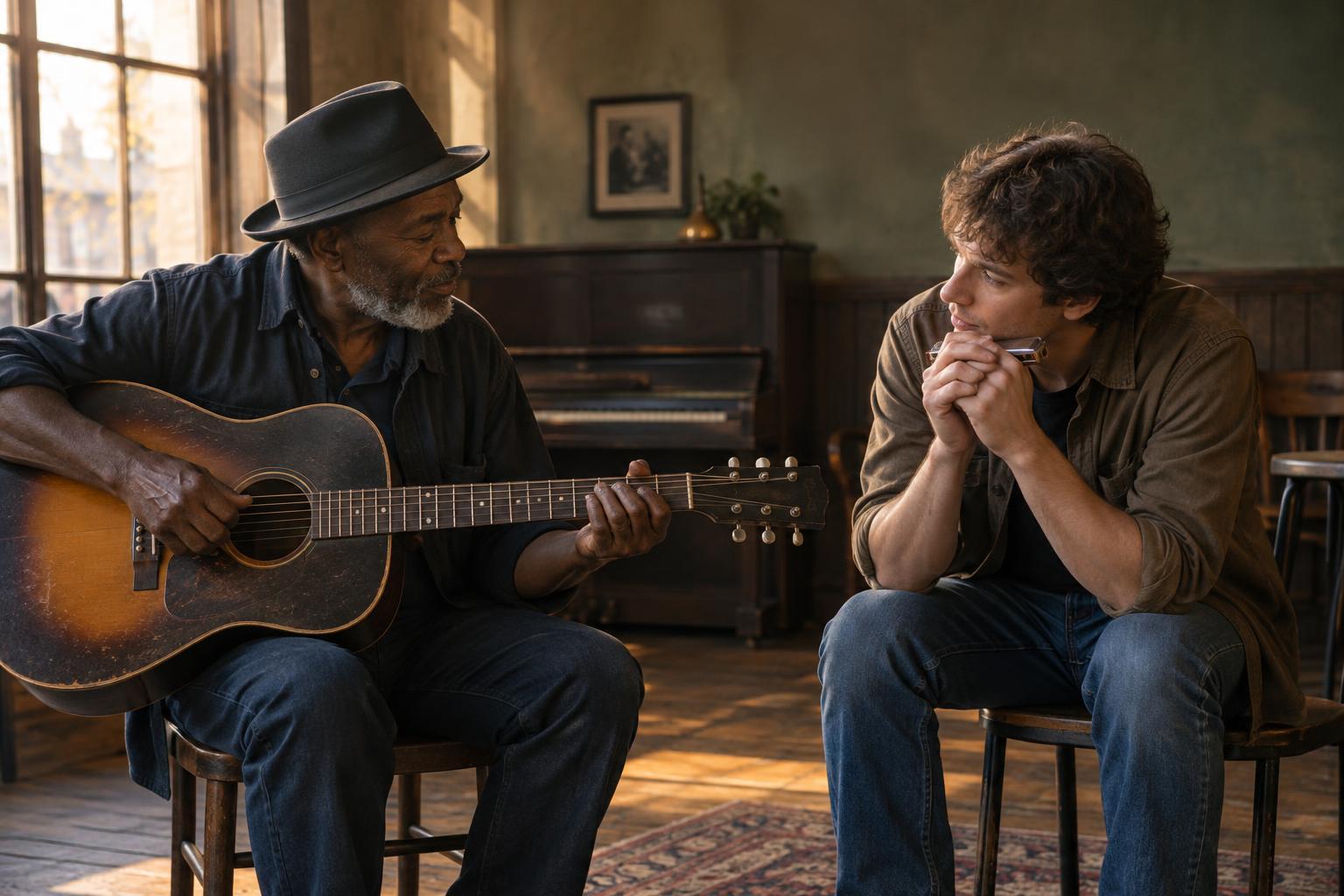
Music TraditionsA blues standard is more than a familiar song. It is a piece musicians return to because it leaves room for new voices. Here is how shared repertoire develops, why versions differ, and how to listen for both continuity and change.
Read article · 3 min↗
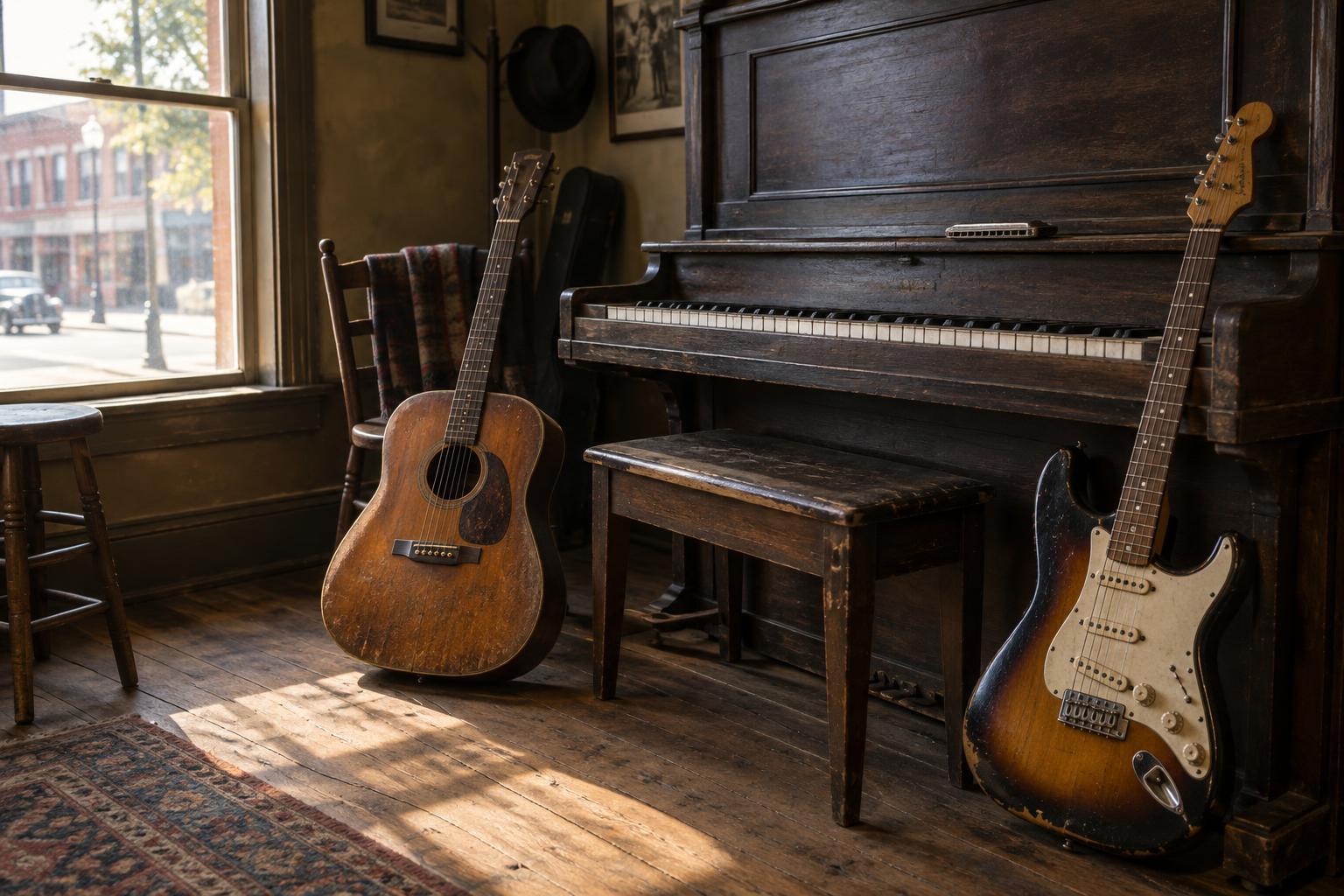
Music TraditionsMemphis, Texas and St. Louis each shaped the blues through a different mix of musicians, audiences and meeting places. This guide explores their historical scenes without treating regional styles as rigid rules.
Read article · 4 min↗

Music TraditionsIn the early recording industry, “race records” was a marketing label for music sold primarily to Black listeners. It helped bring blues performances onto records while also reflecting the segregation of the business. Understanding the term offers a clearer way to hear the music—and to question the categories around it.
Read article · 4 min↗
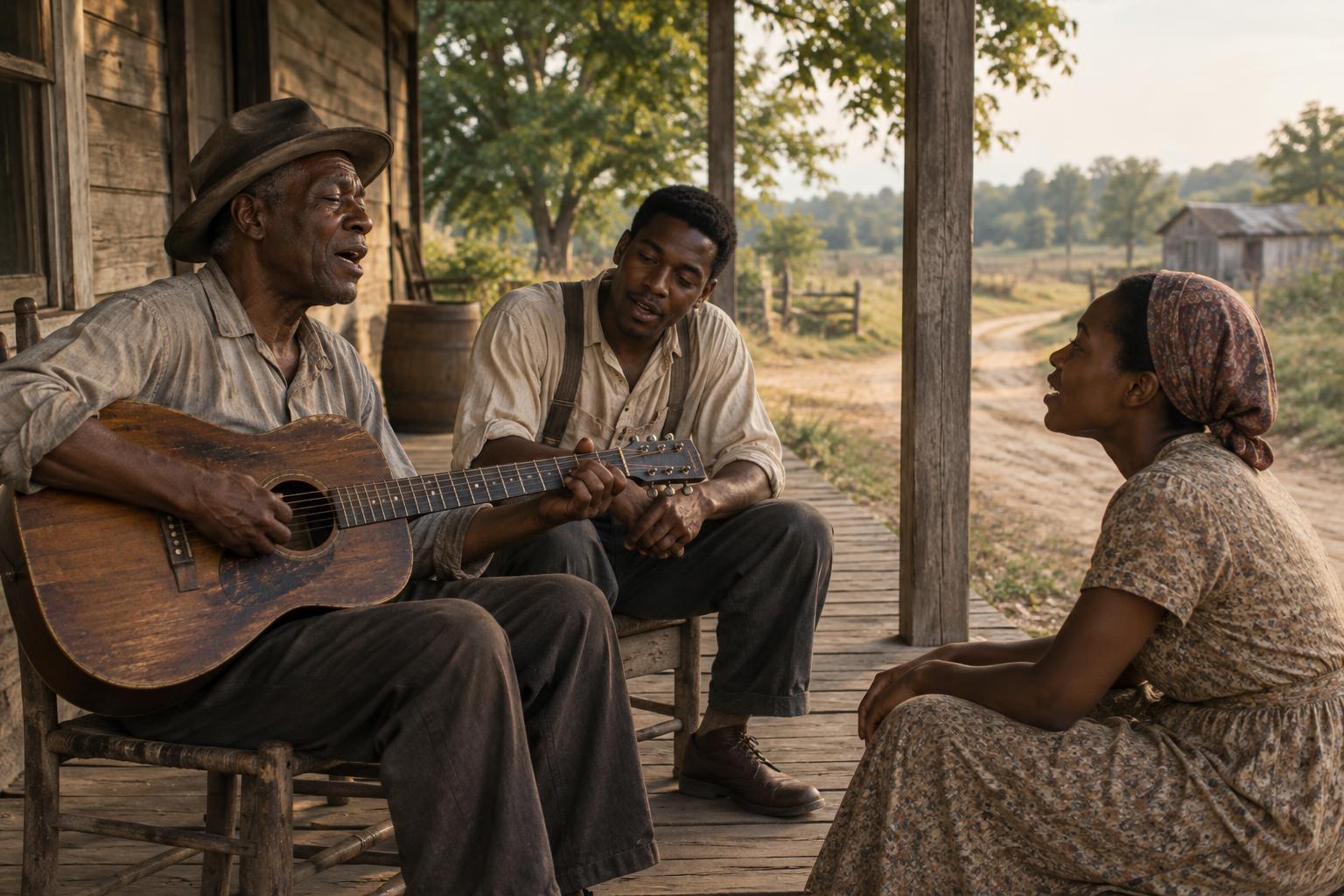
Music TraditionsBefore a blues performance could be replayed, a song had to be heard, remembered and sung again. Explore how singers carried verses between communities, changed them to fit new circumstances and made variation part of the tradition.
Read article · 4 min↗
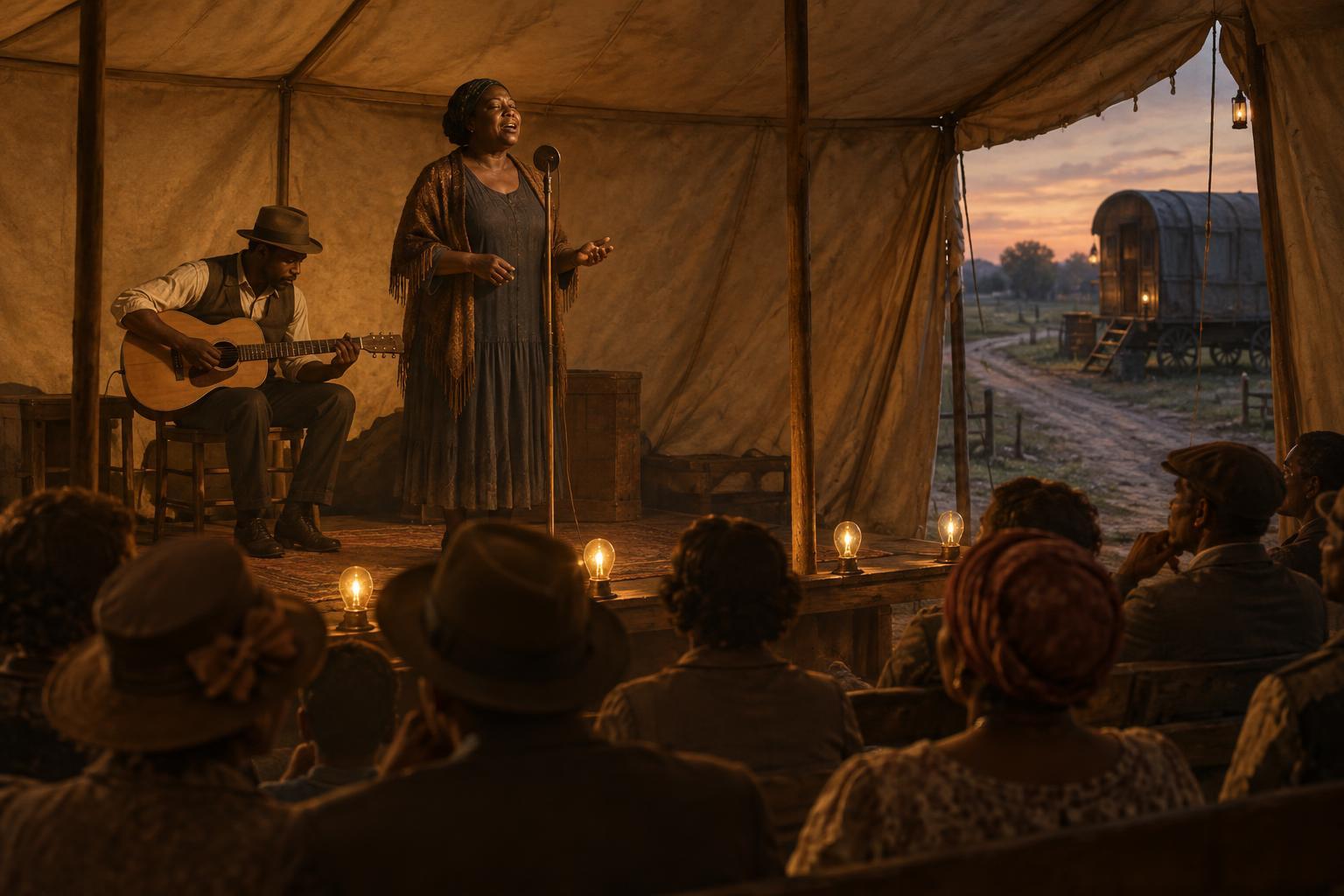
Music TraditionsBefore recordings became a common way to encounter blues, traveling performers carried songs from town to town. Tent shows, vaudeville stages and other touring work helped bring blues to new audiences, while shaping how musicians presented the music.
Read article · 4 min↗
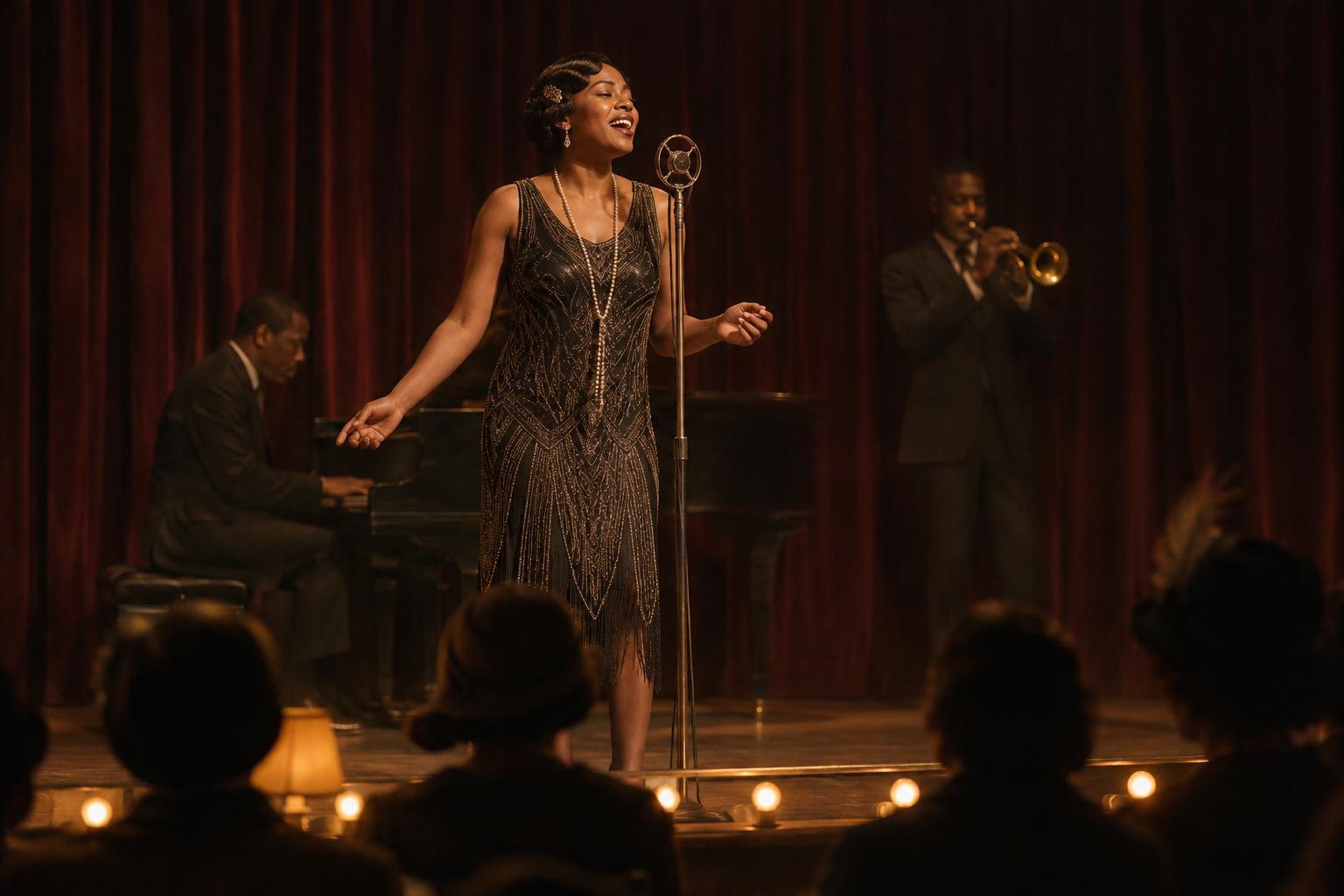
Music TraditionsClassic blues grew through the voices and stagecraft of women who brought the music to theaters, touring shows and records. Explore how performers shaped its sound, its audience and its lasting influence.
Read article · 4 min↗
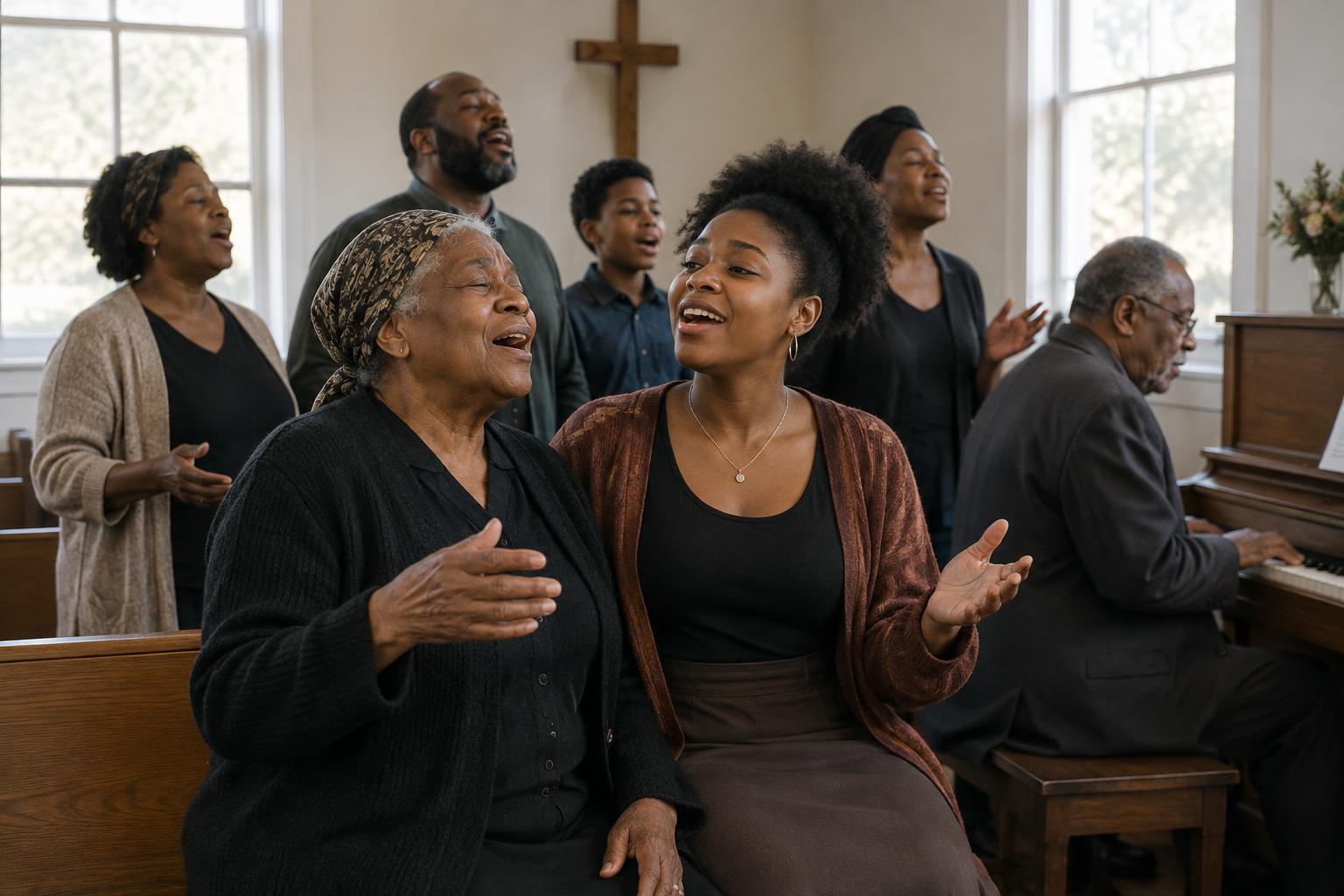
Music TraditionsSpirituals and gospel songs share a foundation in African American religious life, but they arose in different circumstances and often serve different purposes. This guide explains their histories, musical traits and continuing connections without treating either tradition as a fixed sound.
Read article · 4 min↗
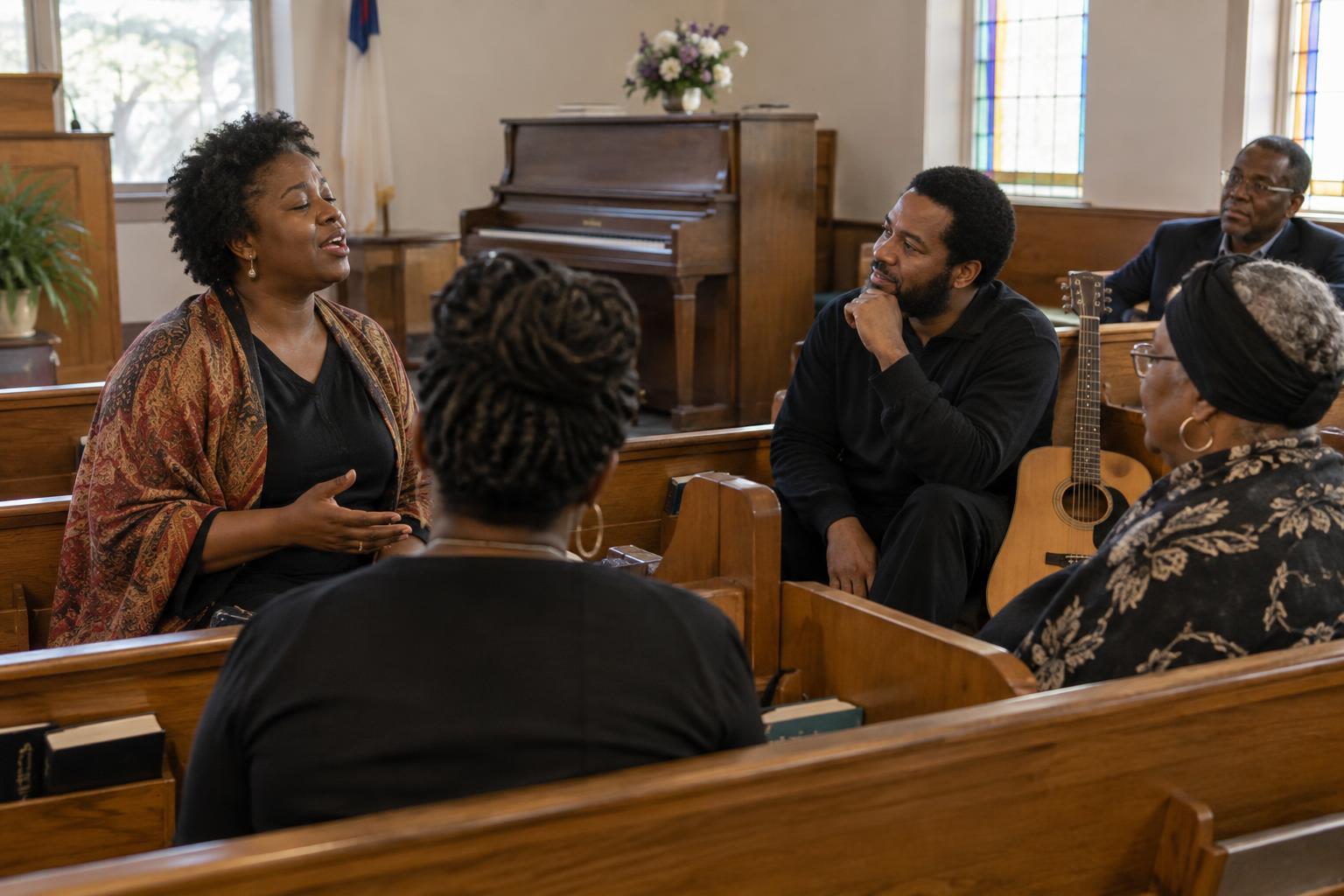
Music TraditionsBlues and Black church music share expressive practices, but they have not served the same purposes. A careful listen can reveal connections in voice, rhythm and participation without treating either tradition as a single sound or a simple origin story.
Read article · 4 min↗
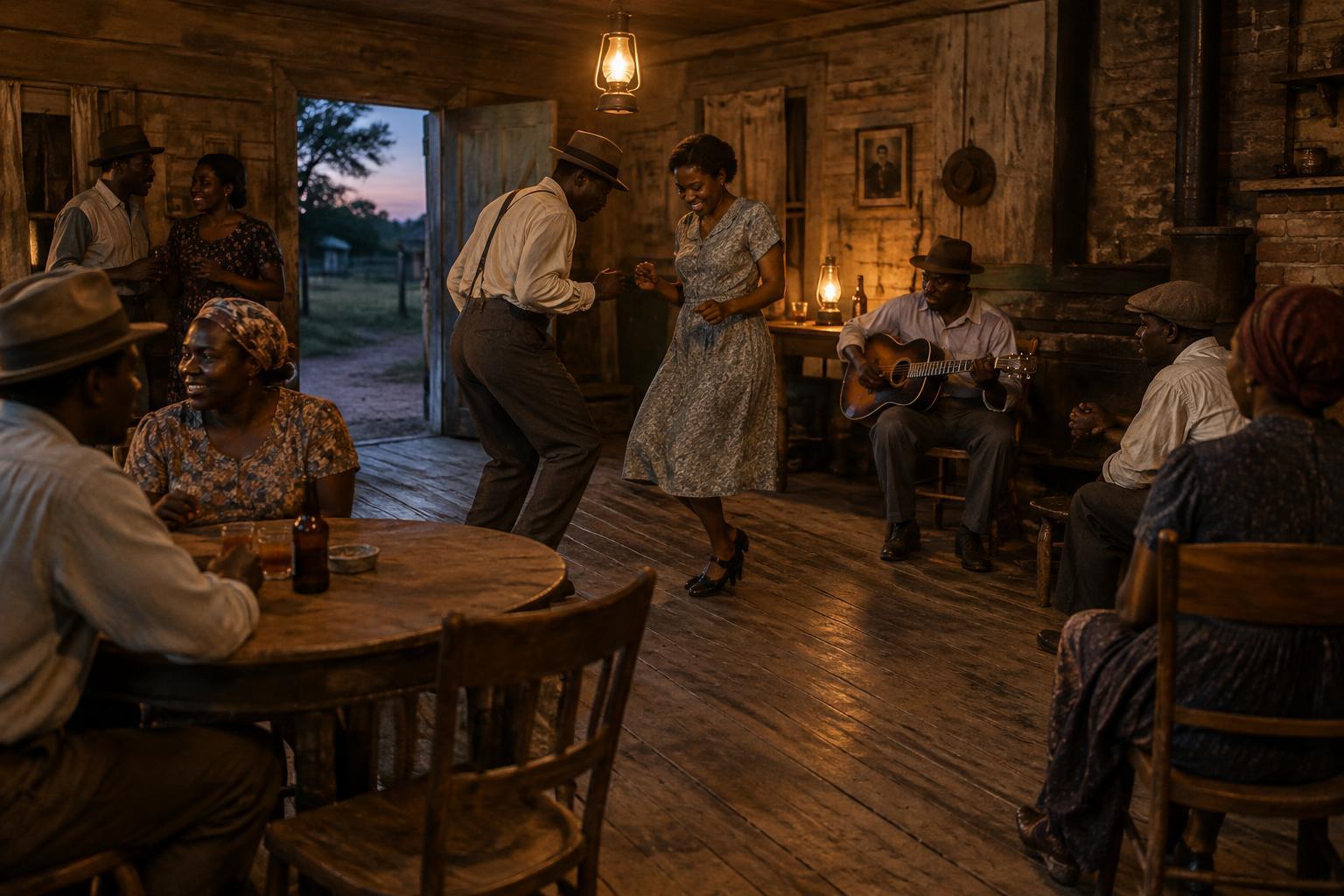
Music TraditionsJuke joints were more than places to hear the blues. In Southern Black communities, these informal gathering places offered room to dance, socialize and shape music together. Their history also calls for attention to the segregation and difficult working conditions surrounding them.
Read article · 4 min↗
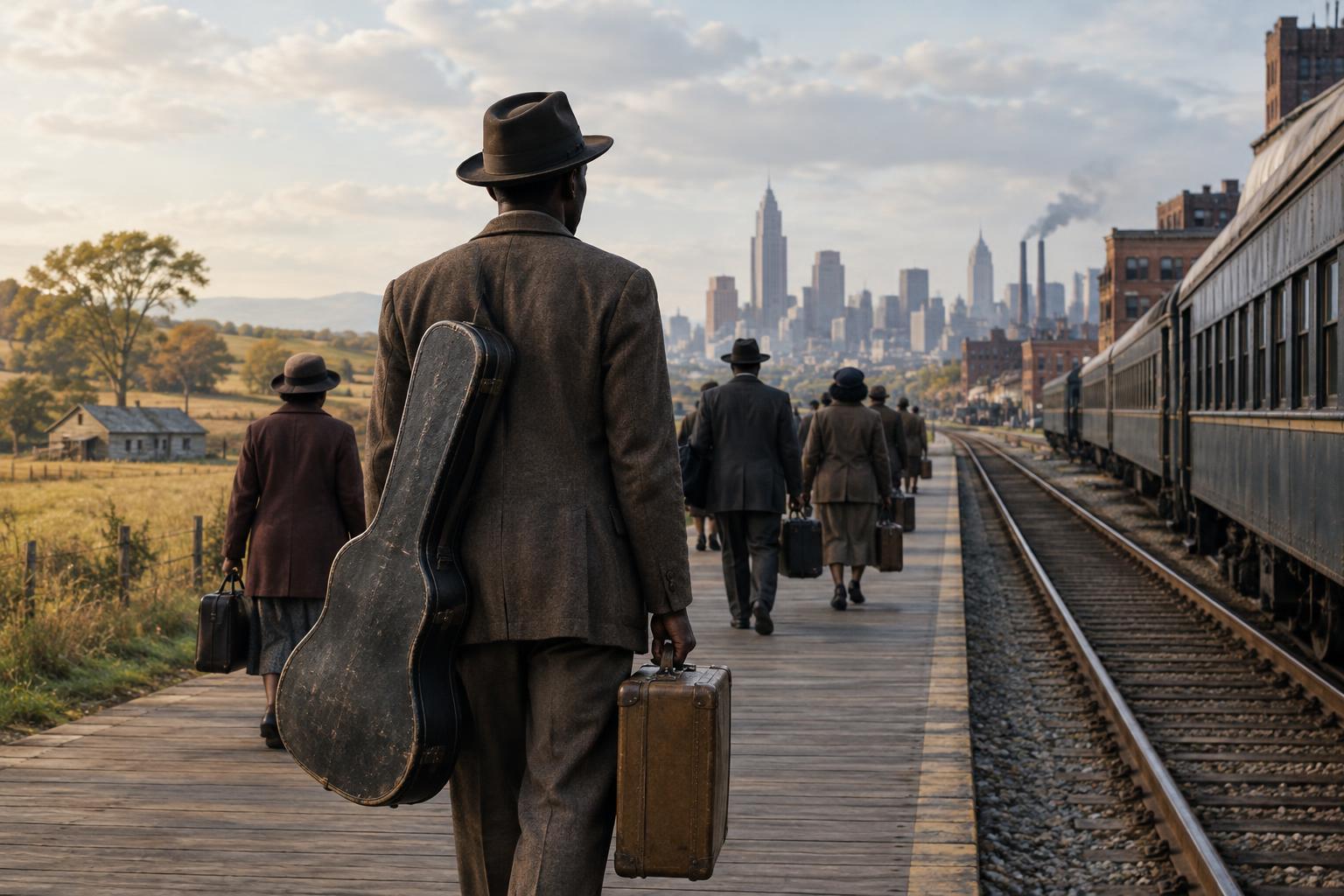
Music TraditionsAs Black Americans moved from the South to cities elsewhere in the United States, they carried songs, playing styles and musical networks with them. The story of blues migration is not a simple journey from one region to another: musicians and audiences reshaped the music wherever they met.
Read article · 4 min↗
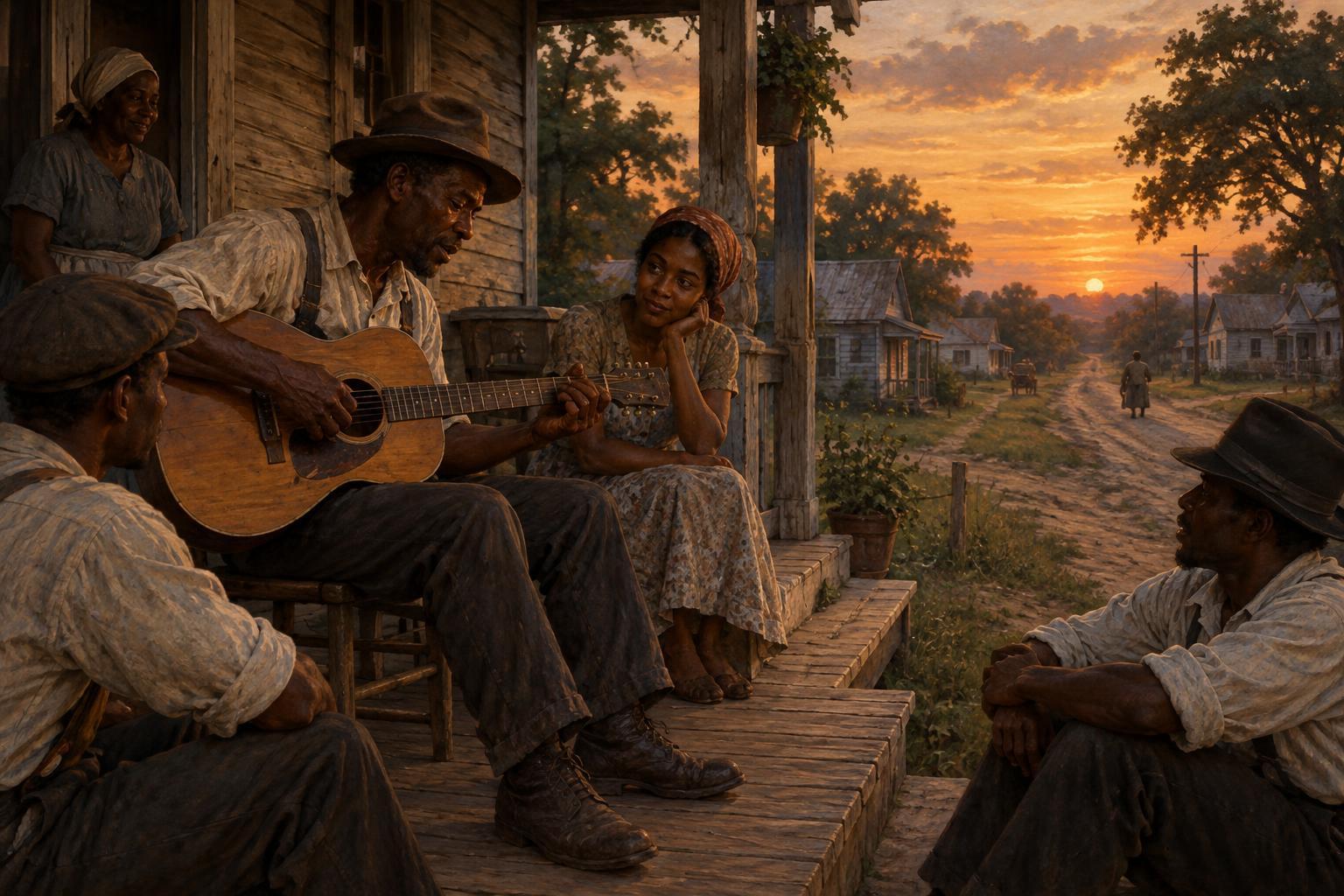
Music TraditionsEarly blues grew within a changing world of freedom, restricted opportunity, Black community life and musical exchange. Understanding that history can deepen listening without reducing the music to a story of hardship alone.
Read article · 4 min↗
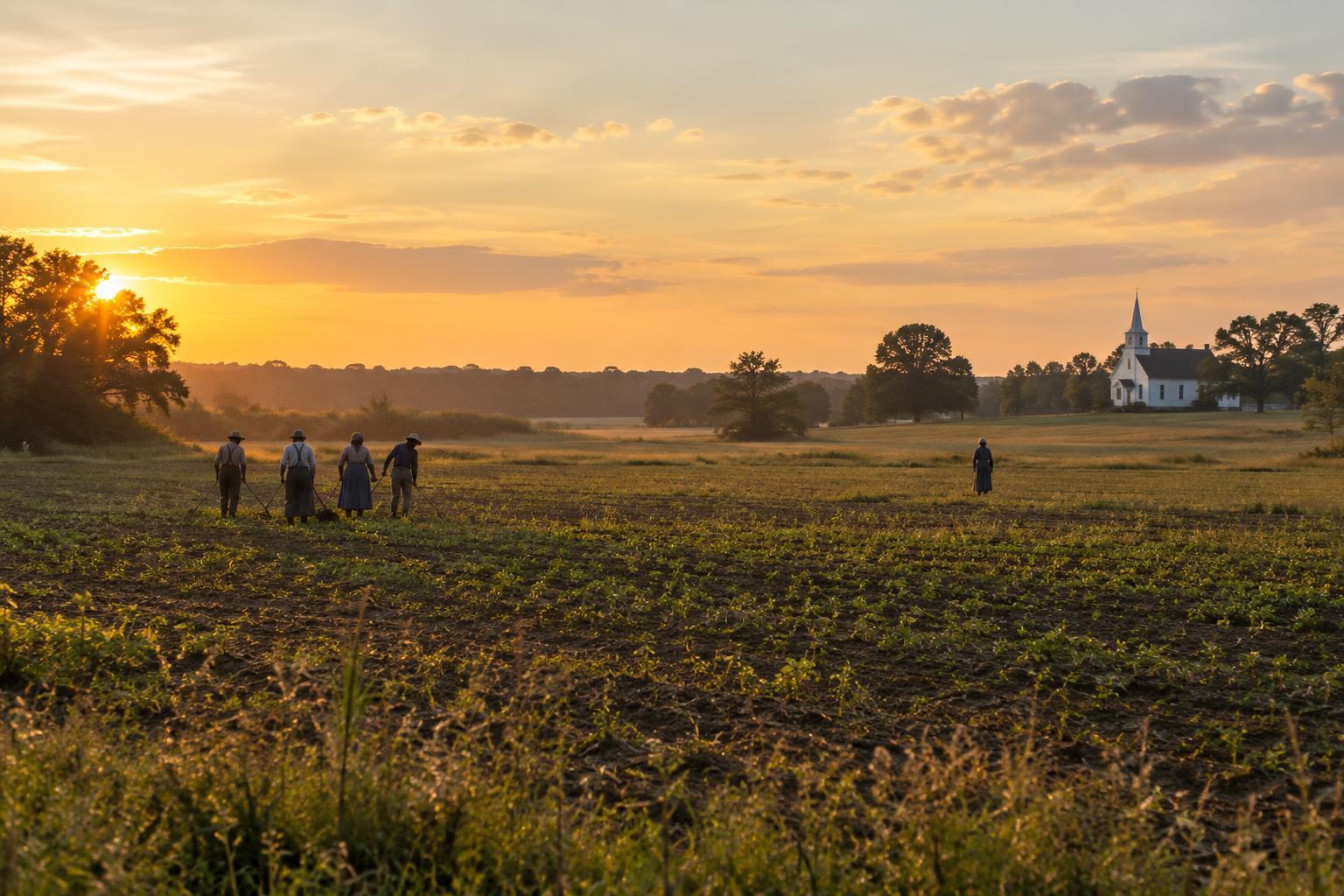
Music TraditionsWork songs, field hollers and spirituals are often named together in accounts of the blues. Each had its own purpose and setting, however. Understanding their differences offers a more careful way to hear the connections between everyday labor, religious life and blues expression.
Read article · 4 min↗
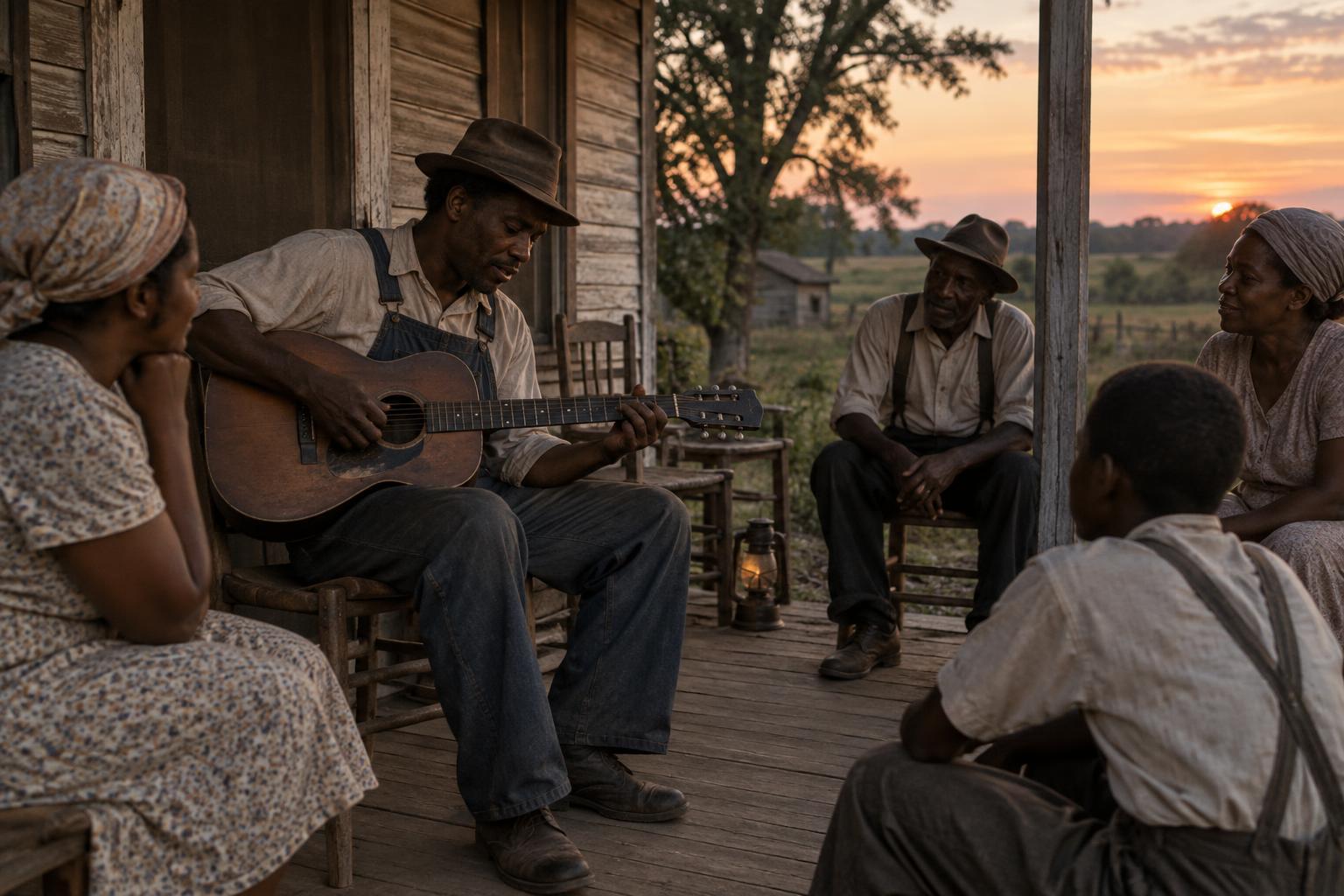
Music TraditionsThe blues grew from African American musical life, shaped by slavery’s aftermath, everyday expression, travel, and changing performance spaces. This guide introduces its roots, sounds, and early development without treating the tradition as a single story.
Read article · 4 min↗